Tag: Black leadership

  • How HBCUs Have Shaped Black Leadership in America

    How HBCUs Have Shaped Black Leadership in America

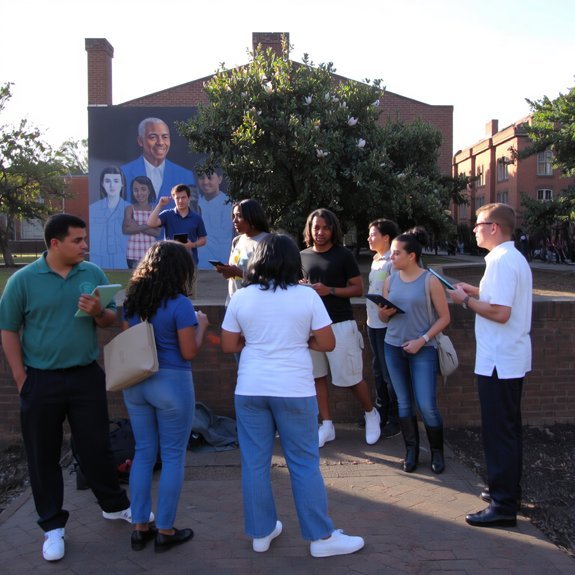
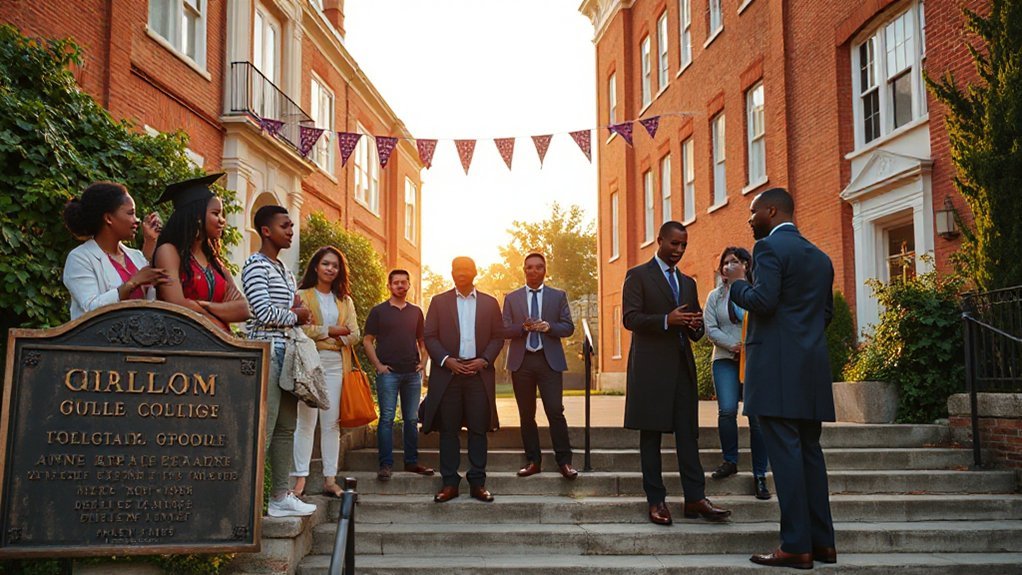
    Like a quiet thunder in the footsteps of Frederick Douglass, you’ll feel HBCUs before you fully name them — you walk their quads, smell cut grass and old books, and hear mentors who say, “Try it, then tell me why.” I’ll point out how those classrooms turn curiosity into courage, how tight-knit networks open doors you didn’t know existed, and how alumni show up in courtrooms and capitols with grit and grace — but I’m getting ahead of myself, so stick around.

    Key Takeaways

    • Founded after the Civil War, HBCUs provided accessible education and practical skills that created the first generations of Black professionals and leaders.
    • HBCU campuses served as incubators for civil rights activism, training students in organizing, nonviolent protest, and political strategy.
    • Experiential academic culture—debates, public speaking, and hands-on projects—built confidence and leadership competence in students.
    • Strong mentorship, alumni networks, and community ties created support systems that propelled graduates into politics, business, and law.
    • HBCU alumni pipelines have consistently diversified leadership across local, national, and corporate institutions.

    Origins and Early Mission of HBCUs
    community knowledge transforms power

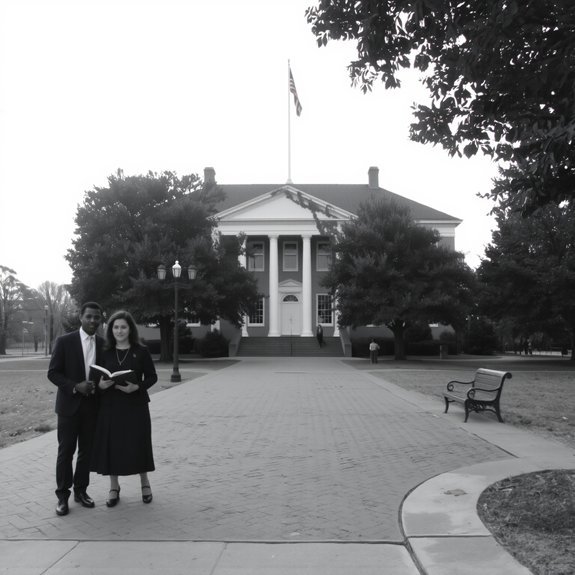
    If you step back in time, you’ll almost smell the coal oil lamps and hear scratchy footsteps across wooden floors—because when HBCUs were born after the Civil War, they sprung from urgent, very human needs. You see freed people hungry for reading, for trades, for leadership, and they built schools with grit, song, and stubborn hope. I’ll tell you straight: these places taught math and manners, carpentry and civic courage, and they insisted you matter. You’ll picture small classrooms, chalk dust in hair, a teacher tapping a desk, saying, “You can.” That voice became gospel. Those early missions trained pastors, teachers, artisans, activists, leaders—folk who took community knowledge and turned it into power, steadily, deliberately.

    HBCUs and the Civil Rights Movement
    hbcus forged civil rights

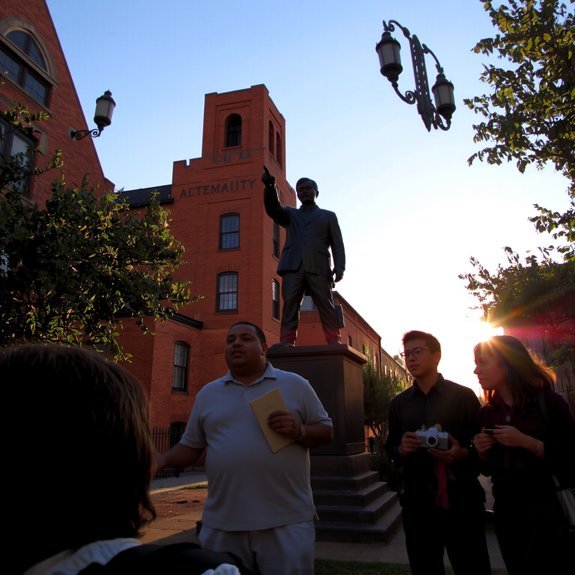
    When the world got loud with buses burning and courtrooms creaking, HBCUs answered like a drumbeat you could feel in your chest; I listened to those drums, and they taught me how to march. You stood on cramped porches, felt the humidity stick to your collar, and heard student speakers spit truth that made your spine straighten. Faculty drafted strategies in dim offices, hands stained with coffee, maps spread like battle plans. You learned nonviolent lines, then practiced them until your voice didn’t shake. You chained your body to a lunch counter, tasted metal and grit, and felt solidarity tighten like a belt. Those campuses trained you to organize, to speak, to risk, to laugh nervously before stepping into history — sometimes clumsy, always committed.

    Academic Culture That Fosters Leadership

    learn by doing together

    Because you can’t learn to lead from a lecture alone, I watched leadership grow in classrooms that smelled like chalk dust and strong coffee, with posters thumbtacked crooked and windows that let in April heat and argument both. You learn by doing, by stumbling through debates, by presenting a shaky thesis and having your classmates call you out—lovingly, loudly. Professors push you, not politely, but with that sharp kindness that means they care enough to break you and rebuild you smarter. You build confidence in messy labs, late-night study groups, student-run newspapers with glue on their fingers. You practice public speaking at noon, fail spectacularly, laugh it off, try again. That hands-on, honest culture trains you to think fast, speak clear, and lead with purpose.

    Mentorship, Networks, and Community Commitment

    While mentors hand you the map, it’s the late-night detours and hallway pep talks that teach you how to read it. You learn leadership in crowded cafeterias, hands warm around Styrofoam cups, advisors leaning in, saying, “Try this.” You trade résumés and recipes, laugh at foolish risks, then practice tough conversations in dorm lounges until they sound human. Alumni drop by, shake your hand, slip you a contact, and suddenly a network is a living thing, humming. You volunteer, teach younger students, and your commitment deepens; you don’t just climb, you build ladders. I watch you grow, stumble, get up, and keep going — wiser, bolder, connected. That’s community: practical, noisy, stubbornly loving, and utterly transformative.

    HBCU Alumni Impact in Politics, Business, and Law

    You’ll see HBCU grads showing up in city halls and courtrooms, a steady political leadership pipeline that’s as intentional as a march. I’ll point out the legal and corporate trailblazers who broke glass ceilings—think courtroom drama, boardroom banter, and the smell of coffee at dawn as plans get made. Stick with me, I’ll name names, tell quick stories, and show how those networks turn ambition into real power.

    Political Leadership Pipeline

    If you’ve ever watched a fiery commencement speech from an HBCU and felt your heart do a little drum roll, you’re not alone — I felt that too, right there in my cheap folding chair, cheering like it was the Super Bowl. You see how those campuses forge organizers, thinkers, and talkers who don’t just argue, they act. You’ll meet student government presidents cut from debate nights and canvassers turned city councilors, learning policy in cramped dorm rooms, chanting on hot afternoons, shaking hands until your wrist aches. Those rallies smell like sunblock and fried chicken, but they teach discipline, networks, grit. You’ll watch alumni run campaigns with a phone tree and a prayer, then win, then mentor the next kid who can’t stop dreaming.

    Think of a courtroom and a boardroom as twin stages, each lit a little too brightly, and you’ll see HBCU grads stepping into them like they were born to improvise. You watch someone I know—sharp suit, quicker smile—cross the marble, papers in hand, argue like they’re rewiring the rules. Then, cut to a glass tower, where another alum leans over a laptop, rewriting policy with the same calm ferocity. You feel the hum of fluorescent lights, smell coffee, hear confident laughter. They carry mentorship, ritual, and stubborn pride from campus to counsel table to C-suite. You learn, they hire, they sue, they scale. It’s practical magic, practiced and passed down, and yes, it’s delightfully effective.

    Contemporary Challenges and the Future of HBCU Leadership

    You and I both know the lights can flicker at HBCUs when funding and resources run thin, so we’re going to look at the cracks and the wiring. I’ll point out how a shaky leadership pipeline—fewer training programs, fewer mentorship hands reaching back—makes it harder to swap out bulbs without blowing a fuse. Stick with me, we’ll sketch practical fixes that smell like fresh paint and sound like a confident, new bell ringing on campus.

    Funding and Resource Gaps

    When I walk onto an HBCU campus, the air smells like fresh-cut grass, old books, and a hundred stories that didn’t get enough funding — and that’s not drama, it’s fact. You see worn labs, patched dorms, and a café line that’s half alumni memories, half unpaid invoices. You feel pride and frustration, at once. State budgets and donor attention often skip your halls, leaving programs to improvise, stretch, beg. Professors teach twice the load, advisors juggle crises, students hustle for scholarships like it’s a sport. You cheer when grants arrive, you wince when they vanish. This gap shapes choices, narrows options, slows growth. Still, you keep building brilliance with less, stubborn, creative, and unbowed.

    Leadership Pipeline Development

    Money shortages shape the halls, and they shape who gets to lead them next. You see worn creaky staircases, posters taped crooked, ambitious students who need mentoring, and you wonder how leaders emerge. I’ll be blunt, I’ve watched pipelines stall, then reroute, and I still believe you can fix this.

    1. Create paid internships, so talent stays, not drifts.
    2. Build alumni mentorship circles, honest talks, real favors.
    3. Partner with businesses for leadership labs, hands-on, noisy learning.
    4. Invest in faculty leadership training, they’re the incubators, not just graders.

    You’ll need persistence, a wink, and stubborn optimism. I’ll cheer, you’ll act, and together we’ll move those halls toward brighter, livelier leadership.

    Conclusion

    You’ve seen how HBCUs forged leaders, brick by brick, speech by speech. I’ll bet a million suns they’ve changed America’s course — no exaggeration. You’ll feel the pride when you picture classrooms buzzing, mentors tapping shoulders, and alumni arguing policy over coffee. I’m telling you this because I lived it on the page with you; you get the grit, the laughter, the late-night debates. Keep watching — their next chapter’s already in motion, and it’s yours to cheer.
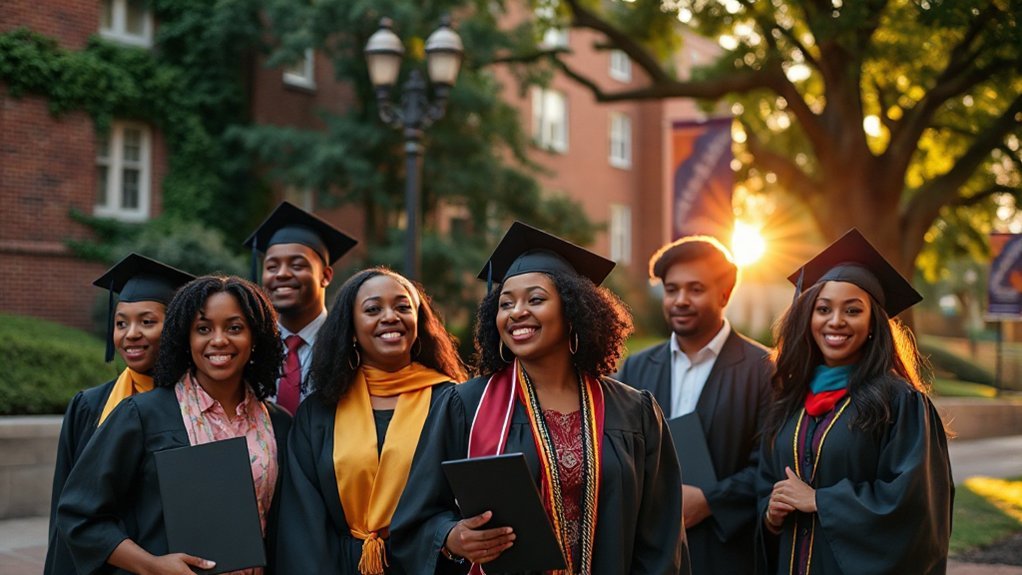
  • How HBCUs Shape Black Excellence and Leadership

    How HBCUs Shape Black Excellence and Leadership

    You walk onto campus and the air smells like coffee, old books, and someone’s victorious laughter — you’ll feel it in your chest, not just your ears. I’ll tell you straight: HBCUs teach you to lead with roots, not just resume bullets; professors pull you aside, clubs make you organize rallies by midnight, alumni slide into your DMs with jobs before graduation. Stick around, I’ll show you how that turns into something you can’t fake.

    Key Takeaways

    • HBCUs provide culturally affirming curricula that center Black history, community narratives, and real-world relevance to boost engagement and identity.
    • Close mentorship and family-style faculty support cultivate confidence, professional skills, and long-term sponsorship for student success.
    • Integrated leadership opportunities in student organizations and civic projects develop practical conflict-resolution, public speaking, and project-management skills.
    • Strong alumni networks and career-focused programming create mentorship, internships, scholarships, and pathways to social mobility.
    • Robust STEM and arts programs combine hands-on research, creative practice, and industry partnerships to prepare leaders for innovation.

    Historical Foundations and Mission of HBCUs

    education as liberation experience

    When you walk onto an HBCU campus, the air itself feels different—warm, a little proud, like someone’s grandma just made sweet tea and told you to sit down and listen. You’ll notice old brick, mortar names carved deep, and banners that whisper histories you didn’t learn in class; you feel ancestors nudging you forward. These schools were born out of grit, legal fights, church basements, and teachers who refused “no.” They taught skill, dignity, and leadership when doors were closed. You see mission statements on plaques, sure, but you also see mentorship in porches, choir practice at sunset, debates on the quad; everything’s a lesson, everything’s a promise — education as liberation, plain and loud.

    Culturally Affirming Curricula and Pedagogy

    culturally relevant teaching practices

    You’ll notice how culturally relevant teaching here feels like a conversation, not a lecture — classrooms smell like coffee and poster paint, voices rise with history, and lessons start from students’ lives. I’ll show how Black-centered curriculum design stitches literature, math, and science to community stories, so learning lands with meaning and purpose. Let’s look at community-rooted practices that bring elders, field trips, and neighborhood problems into the room, because that’s where ideas stick and students shine.

    Culturally Relevant Teaching

    Because classrooms should feel like homes you actually want to visit, I call culturally relevant teaching our secret sauce — it’s the mix of stories, music, language, and examples that say, “You belong here,” loud enough to drown out the boring textbook drone. You walk in, smell chalk and spice, hear a hymn turned into a math problem, and suddenly algebra talks back. I point to local poets, your aunt’s recipes, neighborhood maps, and you lean in, because learning mirrors life. I nudge, challenge, and laugh when someone guesses an answer with perfect confidence and zero facts — hey, confidence counts. You write, debate, perform, and connect ideas to real beats and faces. That steady, warm rhythm builds leaders who know themselves, and know how to lead.

    Black-centered Curriculum Design

    Alright, let me be blunt: culturally relevant lessons are the appetizer — now I’m serving the main course. You’ll see curricula built around Black stories, art, science, and math, crafted to honor your ancestors and your future. I walk into classrooms where texts smell like ink and history feels alive, where professors hand you primary sources and say, “Touch this,” meaning more than paper. You analyze jazz rhythms to decode algebra, map migration to understand ecology, debate policy while sipping bitter coffee from chipped mugs. You lead projects, design syllabi with community elders, and get graded on creativity, courage, and rigor. It’s rigorous, joyful, and practical. You leave ready to lead, grounded in knowledge that finally fits.

    Community-rooted Learning Practices

    When I walk into a classroom shaped by the neighborhood—walls papered with ancestors’ portraits, windows open to the church choir across the street, the smell of frying plantains drifting in—I feel the syllabus tighten its shoelaces and get ready to run. You learn with your feet on familiar ground, not floating in abstract air. We pull readings from corner stores, interviews from barbershop benches, math problems from family budgets. You debate policy with elders on the porch, test theories in community gardens, write essays that talk back to history. I crack a joke, you roll your eyes, then we all get to work. This is pedagogy that listens, heals, and insists you’re both student and steward—no permission needed.

    Mentorship Networks and Faculty-Student Relationships

    messy warm mentorship experiences

    If you’ve ever sat in a sunlit HBCU classroom and felt like the world narrowed to the chalk dust and your professor’s laugh, then you know mentorship here isn’t some stiff handshake at a career fair — it’s messy, warm, and real. You get pulled aside after class, offered coffee, handed a paper with red ink and a smile, and told, “Try this.” You watch faculty move like gardeners, pruning stubborn ideas, planting confidence. They call you by a nickname, correct your thesis, and tell a story that changes your homework and your heart. You learn through touch, taste, and talk — the smell of library books, the slap of high-fives. Here’s how it plays out:

    1. Regular one-on-ones.
    2. Classroom push and praise.
    3. Family-style office hours.
    4. Long-term sponsorship.

    Leadership Development and Student Organizations

    1 thing you notice about student life at an HBCU: leadership isn’t a résumé line, it’s a living, loud practice you learn by doing. You join a student org, you steer a campus march, you plan a midnight talent show with half your budget in pizza grease — and you grow. I watch you negotiate with nervous volunteers, calm a fired-up speaker, and make decisions under fluorescent hallway lights. You learn conflict resolution by hugging it out, logistics by hauling chairs, public speaking by yelling over a pep rally. It’s messy, sweaty, gloriously real. You’ll stumble, crack a joke to save face, and try again — which is the point. By graduation, leadership feels less like a skill and more like a heartbeat.

    Alumni Networks and Professional Pathways

    Because your HBCU never really lets you leave, alumni show up like old friends who still know your middle-school nickname and how you take your coffee — loudly, proudly, and ready to help. I watch you step into rooms where handshakes turn into job leads, and I nudge you to claim introductions that feel like magic. You’re handed résumés, referrals, invites. You learn to ask boldly, to trade stories, to follow up with a thank-you that actually means something.

    1. Network nights — quick hellos, firm grips, business cards that smell like possibility.
    2. Mentorship pairs — monthly check-ins, brutal honesty, soft encouragement.
    3. Internship funnels — alumni hire, you intern, skills stack.
    4. Career panels — real talk, real routes, real doors.

    Community Engagement and Civic Leadership

    You’re standing on a campus quad, you can smell coffee and cut grass, and you’ll notice professors and local leaders swapping phone numbers to build real partnerships that lift neighborhoods. I’ll point out how student civic education turns classroom debates into ballot-box confidence and neighborhood projects, with hands-on workshops that make theory sticky and useful. Trust me, alumni in public service show up—leading boards, running for office, mentoring youth—and you’ll want to borrow their playbook.

    Local Partnership Building

    When we roll up our sleeves and step off campus, good things happen fast — and sometimes hilariously. You join neighbors, trade coffee scents for paint fumes, and build things that matter. I nudge, you hammer, someone tells a joke that makes paint drip on shoes. Local partnership building is practical, warm, direct.

    1. Convene: you call a meeting, hear needs, take notes, skip the jargon.
    2. Match skills: you pair carpentry majors with small-business owners who need shelves.
    3. Share resources: you lend space, tools, expertise, and cookies.
    4. Celebrate wins: you host block parties, clap loud, take photos for grandma.

    You learn humility, get dirt under nails, and leave places better than you found them.

    Student Civic Education

    If you’ve ever argued about parking with a city council member and won, you already know civic skills aren’t just lecture fodder — they’re toolkit staples you’ll grab at 2 a.m. while organizing a vote drive or fixing up a community garden. You learn to read a room, to speak plain, to turn policy into pantry runs. I watch you practice debates under porch lights, clip flyers with sticky fingers, and coax neighbors to meetings with coffee and stubborn charm. You file petitions, knock doors, shepherd petitions, and translate bylaws into human language. You mess up, then you try again, with grit and grin. These classrooms are streets, city halls, and block parties; they teach leadership that smells like gasoline and sweet tea.

    Alumni Public Service

    Alumni are the town square, the repair crew, and the loudest cheerleaders all rolled into one — and I’ve seen you show up like that, late nights and early mornings, in paint-streaked shirts and policy briefs. You knock on doors, you draft ordinances, you hand a hot meal to a neighbor, and you argue for funding with a smile that says, “We’ve got this.” I watch you, proud and exasperated, and I talk back like an old friend. You lead with service, not ego. You teach, mentor, organize, and vote. Here’s what that looks like:

    1. Mentoring youth, tutoring under fluorescent gym lights.
    2. Running for office, practicing speeches in the car.
    3. Launching clinics, smelling antiseptic and coffee.
    4. Building coalitions, swapping jokes between strategy calls.

    STEM Advancement and Research Opportunities

    Because HBCUs turn curiosity into action, you’ll find labs that hum with purpose, coffee-scented late nights, and students elbow-deep in real experiments — not just textbook problems. You walk past microscopes, sticky notes, and whiteboards scrawled with hopeful equations, and you feel the charge. You’ll join teams that build drones, sequence genomes, prototype sensors, and argue politely about code until dawn. Professors pull you into funded research, grant-writing sessions, and conferences where you present like you mean it. Mentors push you, you stumble, you learn, you publish. Internships and industry ties open doors, fellowships launch careers, and community projects fix real problems nearby. It’s hands-on rigor, creative problem-solving, and a network that stays loyal, practical, and proud.

    Arts, Culture, and Creative Expression

    Labs buzz and late nights taught you how to build something from nothing, but on an HBCU the same fierce energy spills into art studios, stages, and street corners — and trust me, it smells different: linseed oil, incense, popcorn from the student center. You wander galleries, overhear debates about rhythm and history, and you paint until your fingers ache, grinning at the mess. Choir rehearsals lift your chest, step teams stomp the sidewalk into a drum, and spoken-word nights sting and heal you at once. I nudge you toward rooms where tradition and experiment flirt. Enjoy these campus scenes:

    Labs hum and stages thrum — HBCU nights smell of linseed, popcorn, incense, and creative electricity.

    1. Open mic nights, raw, unfiltered, electric.
    2. Theater rehearsals, sweat, and costume chaos.
    3. Gallery walks, texture and color up close.
    4. Street murals, paint-splattered pride.

    Addressing Social and Economic Mobility

    If you’re serious about moving up, and not just climbing for show, HBCUs throw you a ladder and teach you how to use it — not with platitudes, but with grit, networking, and straight-up skill-building. You learn by doing, hands dusty from labs, resume glowing from real projects, hunger turned into hustle. I watch alumni swap internships like rare vinyl, professors tap old contacts, and mentors nudge you toward markets that pay. You’ll sit in career fairs that feel like family reunions, hear blunt advice—“call them now”—and follow through. Scholarships, loan counseling, entrepreneurship boot camps, and internships turn barriers into doorways. You leave with a plan, cash sense, and a rolodex that actually calls you back.

    Future Challenges and Opportunities for Growth

    You’re going to hear me say this bluntly: HBCUs need fair funding, smarter tech in classrooms, and partnerships that actually show up—no more lip service. Picture buzzing labs, updated servers humming, local businesses signing contracts while students shake hands and trade résumés; that’s the growth we should taste. I’m not waving a magic wand, I’m just saying, roll up your sleeves with me, let’s fix the gaps and make opportunity visible.

    Funding and Resource Equity

    When I walk onto an HBCU quad, hear the sneakers scuff the brick, and smell someone’s coffee turned study fuel, it hits me: money matters, badly and beautifully. You see campus gardens, worn textbooks, proud banners, and dreams that cost more than tuition. You notice resource gaps, but also fierce inventive fixes — community fundraisers, alumni hustles, shared lab hours. You want equity, not charity. So we aim funding where it grows leaders, supports counseling, updates labs, and preserves culture.

    1. Direct state support tied to enrollment and outcomes.
    2. Targeted scholarships that follow students, not institutions.
    3. Strengthened alumni networks for sustained giving.
    4. Community partnerships that fund internships and facilities.

    Technology and Curriculum Innovation

    Because tech moves fast and traditions matter, I’m thinking about how classrooms can keep up without losing the soul of an HBCU. You’ll want devices that hum, not replace, the conversation — tablets warmed by your palm, projectors that sparkle like old chapel windows. I nudge faculty to remix syllabi, add coding labs next to gospel history, let students build apps that tell family stories. You’ll see makerspaces smelling of solder and coffee, students sketching interfaces, laughing, testing prototypes on real people. Don’t panic, we don’t toss ceremony for circuits. Instead, you fold tech into ritual, keep mentoring, sharpen critical thinking. You’ll leave empowered, ready to lead with skill and style, a bit nerdy, proudly rooted.

    Community and Industry Partnerships

    If we want HBCUs to keep teaching brilliance and making futures, we’ve got to cozy up to the neighborhoods and the boardrooms — literally. You’ll see change when campuses smell of coffee from community cafés, when interns walk into glass towers with swagger, and when faculty swap stories with CEOs over lunch. You’ll need partners who invest, not parachute. You’ll build trust by listening, doing, and returning with results.

    1. Create shared labs, fund local startups, and cut red tape.
    2. Run apprenticeship pipelines, host joint workshops, hire grads fast.
    3. Co-create curricula, use real projects, grade on impact.
    4. Measure outcomes, celebrate wins, fix what breaks.

    I’ll cheer you on, and yes, I’ll bring donuts.

    Conclusion

    You feel the hum of history under your feet, don’t you? I watch you, smiling, as HBCUs stitch culture into curriculum, hand you mentors like tools, and push you onto stages you didn’t know you could own. You learn to lead with heart and grit, to code, to paint, to organize, to vote. Take that energy, carry it home, disrupt politely, demand justice, and—trust me—you’ll make the future listen.