
You walk onto campus and the air smells like coffee and marching band drums, and you immediately feel seen—like someone’s already saved you a seat. I’ll point out how HBCUs pair you with mentors who’ve been where you are, run tight cohorts that keep you honest, and push career prep that actually leads somewhere, not just a pamphlet; stick around and I’ll show how that mix turns into steady lifts and loud, real wins.
Key Takeaways
- HBCUs provide culturally relevant teaching and mentorship that affirms Black men’s identities and lived experiences.
- Structured male-success programs and peer cohorts create accountability, academic support, and brotherhood.
- Faculty and mentors who resemble students offer personalized guidance, storytelling, and professional development.
- Financial aid strategies, tutoring, and career-center services increase retention and post-graduation employment prospects.
- Campus traditions, leadership labs, and civic engagement build belonging, confidence, and real-world leadership skills.
Historical Foundations and Mission of HBCUs

When you walk onto an HBCU campus, you can almost hear history humming under your shoes, a steady drumbeat that’s been keeping time since the 19th century; I like to imagine it’s the ancestors tapping a metronome. You’ll smell cut grass, old books, cooking in dorm halls, and you’ll feel purpose in the warm brick and shade trees. These schools rose after emancipation, built by people who said, “We’ll teach ourselves,” and they’ve kept that promise. You get classrooms where culture matters, traditions that teach resilience, and ceremonies that stitch generations together. Don’t expect stodgy halls — expect community, accountability, and a mission that’s equal parts education and uplift. I joke, but it’s serious work, and it works.
Mentorship and Culturally Relevant Faculty Support
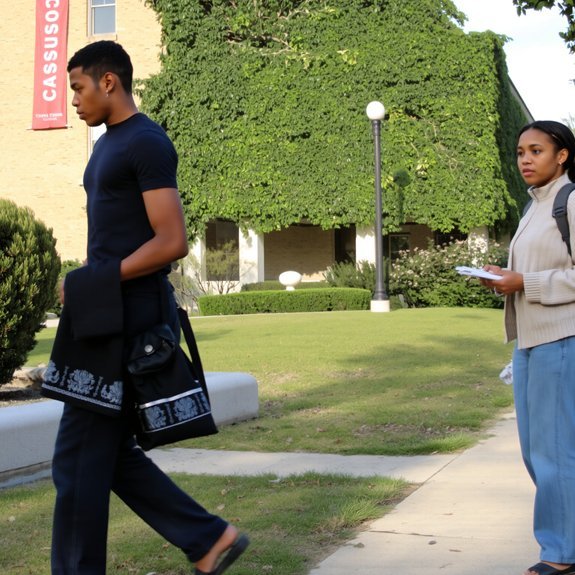
Because mentors don’t just hand you a map, they walk the campus with you, point out the short cuts, and laugh when you take the long way — trust me, I’ve been that person. You feel the sun on the quad, hear their shoes on brick, and they say, “Here’s where I failed, so you won’t.” Faculty who look like you, who grew up like you, teach with stories, not just slides. They call you by your full name, correct your paper gently, and invite you to lunch where conversations turn practical and profound. You get feedback that’s honest, rooted in culture, and delivered with warmth. That mix of rigor and relatability keeps you showing up, curious, and confident.
Targeted Male Success Programs and Peer Networks
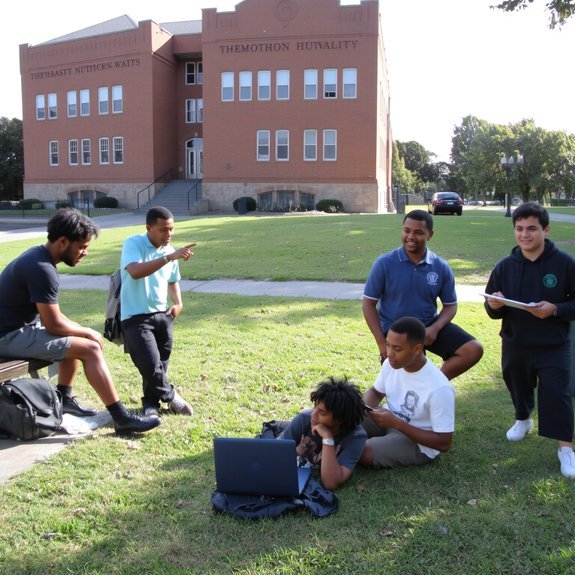
I’ll tell you straight: mentoring is the spark, but targeted male success programs are the engine that keeps you moving — they take that one-on-one warmth and scale it, so you’re not just lucky enough to meet one good person, you’re stepping into a whole system built for you. You walk into a room that smells like coffee and paper, hear names called like homing beacons, and suddenly you’ve got structure, expectations, and people who’ll call you out and lift you up. These programs map pathways, run workshops, host brotherhood nights, and track progress so you don’t drift. They pair you with peers who push, joke, and study with you — real, daily accountability.
- Regular cohort meetings and check-ins
- Peer-led study groups and tutoring
- Social rituals and brotherhood nights
- Skill workshops and leadership labs
Financial Aid, Career Preparation, and Resource Access
If you want to actually afford college and land a job that pays more than ramen money, you’ve got to get strategic about money and connections — and I’m not talking vague advice or pep talks. You’ll dig into scholarships, federal aid, and campus emergency funds like a prospector, filling forms, scanning deadlines, and texting the financial aid office at weird hours. I’ll show you career centers that set up mock interviews, résumé cleanups, and employer meet-and-greets that smell like coffee and possibility. Use alumni databases, LinkedIn workshops, and internship pipelines, yes, even cold emails that aren’t terrifying once you script them. Claim tutoring, tech labs, and transportation stipends. Do the paperwork, go to events, follow up — employers notice grit, and resources make grit visible.
Campus Culture, Leadership Development, and Community Engagement
When you step onto an HBCU quad in the late afternoon, you can practically taste the history — sweetgrass, hot grout from the sidewalks, the low hum of a sax from rehearsal — and I want you to notice how that vibe turns into power, not nostalgia. I watch you walk past a club table, and you snag a flyer, because you know leadership here isn’t a title, it’s practice. You’ll find mentors who challenge you, peers who push you to speak up, and chances to serve that actually matter. I’ll admit, I cheer loudly, I joke, I nudge. You learn by doing, by stumbling, by leading a campus clean-up and feeling proud.
- Intentional rituals that build belonging
- Hands-on leadership programs
- Civic projects with real impact
- Peer networks that hold you accountable
Conclusion
You’ve seen how HBCUs hold heritage, heart, and hope in harmony, so don’t sleep on them. I’ll tell you straight: they mentor, mold, and mobilize men—hands-on help, honest guidance, hearty laughs. Picture late-night study sessions, firm handshakes after panels, warm campus food that smells like home. Walk in curious, leave confident. You’ll learn, lead, and laugh—because these colleges craft community, cultivate character, and create a clear cadence for success.