
You’re here, on a campus that hums with history and late-night study grooves, so start by saying hi — really, just walk up and introduce yourself, coffee in hand if you’re brave. I’ll show you how to snag classmates for study sessions, charm a professor into office hours, tap counseling when you’re frayed, and use alumni like secret career Google; it’s practical, a little messy, and totally worth it — but first, let’s talk about your biggest worry.
Key Takeaways
- Join student organizations, campus traditions, and study groups to build belonging through shared rituals and activities.
- Introduce yourself to professors, attend office hours, and seek research or mentoring opportunities early.
- Identify reliable classmates, create group chats, swap notes, and celebrate small wins together.
- Use counseling, wellness workshops, financial aid, and local resources to support mental health and financial stability.
- Set clear boundaries, communicate needs, and pay it forward by mentoring peers with practical help and encouragement.
Understanding the Unique Strengths of HBCU Communities
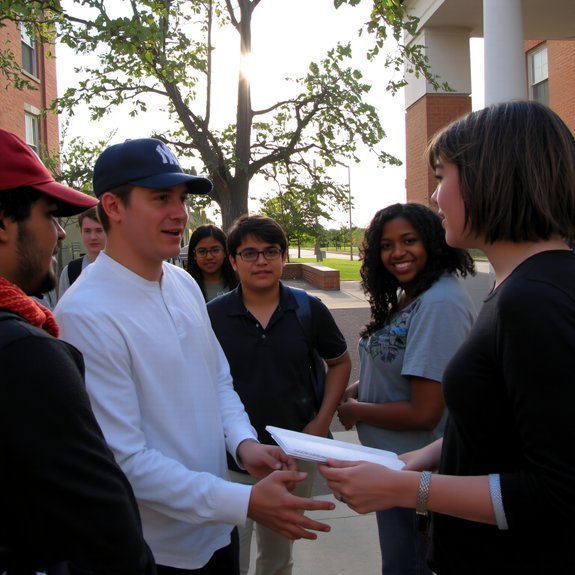
If you’ve ever stepped onto an HBCU quad and felt like you’d walked into a family reunion where everyone somehow knows your name, that’s not nostalgia — that’s community power, and it’s real. You’ll notice the rhythms immediately: laughter bouncing off brick, drumlines in your chest, seniors offering directions like GPS with soul. I say this because you’ll benefit from history that’s taught, not just tested — mentors who hand down wisdom in hallways, traditions that teach you how to show up. You’ll smell cafeteria spices, hear chapel calls, feel elbow bumps that mean “you belong.” Use those senses. Listen to elders, attend rites, learn school lore. It’s intentional care, wrapped in pride, and yes, it’s contagious — in a good way.
Finding Peer Allies in Classes and Student Organizations
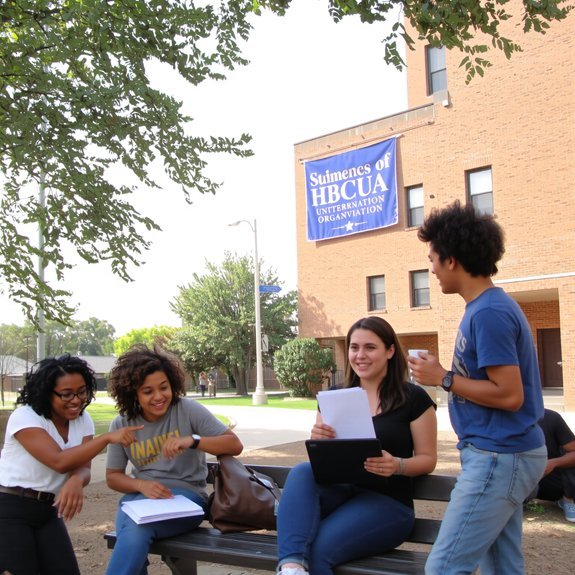
Start with three people: the class clown who actually takes notes, the lab partner who shows up early, and that student who nods like they understand the professor’s jokes — you’ll want all of them on speed dial. I stalk study spots, slide into group chats, and offer snacks; you do the same, quietly testing vibes. Say something like, “Hey, want to split the reading?” and watch alliances form. Join one org, attend two meetings, bail on the awkward mixer — that’s research. Trade pens, swap summaries, and borrow courage when presentations loom. Sit near someone new, laugh at a terrible joke, exchange emails. You’ll build a patchwork crew: practical, funny, dependable. They’ll show up, share notes, and make campus feel like home.
Connecting With Faculty and Academic Mentors
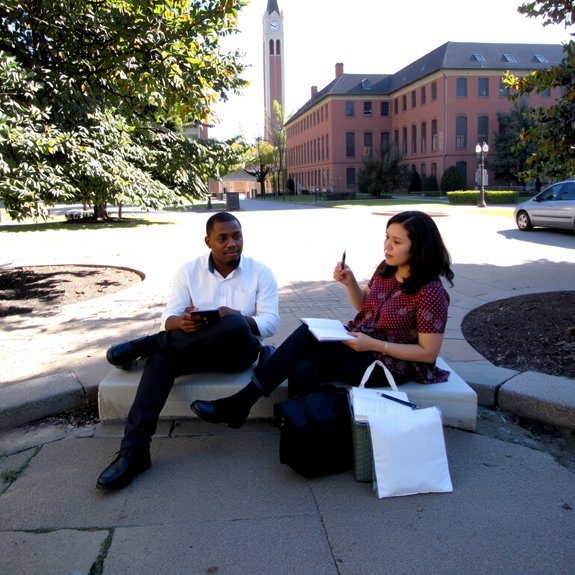
Don’t wait until finals week to meet your professors — introduce yourself in the first lecture, slip a confident “hi” after class, and show up to office hours with a specific question. I’ll bet they’ll remember the student who brings notes and curiosity, and they often have research spots or project ideas tucked away, like secret snacks in a desk drawer. Ask for guidance early, sign up for those office hours, and don’t be shy about saying, “I want in” when research opportunities come up.
Approach Professors Early
When you walk into office hours, don’t act like you’re sneaking into a speakeasy — knock, smile, and own the room; I promise professors are more human than the lecture slides make them seem. Start early in the semester, introduce yourself, and say why you’re in the class, loud enough to be heard, soft enough to be real. Bring a syllabus, a pen, a quick question. Mention your major, your goals, or that weird paper topic rattling your brain. They’ll light up when you show curiosity, and you’ll learn names faster than emails do. Say, “I’d love your advice,” and mean it. Leave with a concrete next step, a small win, and the satisfying click of a new connection forming.
Use Office Hours
You already knocked on their door and handed over your syllabus like a pro; now go into office hours and actually connect. Walk in, breathe the coffee-and-highlighter air, and say, “Hi, I’m in your 9:30—got a minute?” Sit. Pull out notes, point to a problem, laugh at your own confusion. Ask specifics: “Can you run that step again?” or “How would you approach this prompt?” Watch their face light up, they want to teach you. Take cues, mirror language, jot down their metaphors. Offer quick updates later, “I tried that method—game changer.” Be human, bring snacks sometimes, but don’t overstay. Office hours are practice ground, safe lab, and relationship currency. Use them, consistently, and those doors will open.
Seek Research Opportunities
If you want research, go ask for it—plain and simple, like knocking on a lab door that smells faintly of bleach and ambition. I tell you, don’t wait for a flyer. Walk into professors’ offices, slide into lab meetings, smile, and say, “Can I help?” Bring a notebook, a resume, a curiosity that won’t quit. Offer to fetch data, run assays, transcribe interviews. Ask about grants, reading groups, conference travel. Say you’ll learn techniques, not that you already know them. Follow up with a thank-you email that’s short and human. If they pass, ask for referrals. If they say yes, do the work, show up early, and brag humbly — results speak louder than nervous small talk.
Accessing Mental Health and Wellness Resources on Campus
Curious where to go when campus life starts feeling like a pressure cooker? You head to the counseling center, plain and simple. Walk in, sign in, breathe the lobby’s coffee-scented air, and ask for an intake—don’t pretend you’ll “figure it out.” Drop by wellness workshops, try a guided breathing session, or join a peer support group; you’ll meet people who get it, not just nod politely. Use teletherapy options when your schedule is jam-packed, or grab a counselor for crisis hours if things are urgent. Look for multicultural counselors who understand your background, and check bulletin boards for stress-reduction events. Keep their number in your phone, save appointment links, and treat mental health like class—nonnegotiable.
Building Professional Networks Through Career Centers and Alumni
After you’ve learned where to get help when campus life blows up, it’s time to build something that pays you back later—real connections. You’ll swing by Career Services, hand shaking, resume ready, feeling like you’ve got two left feet in networking shoes. Ask for mock interviews, internship leads, and alumni panels; listen, scribble, follow up. Hit alumni events with curiosity, not desperation, and say, “Tell me about your first job,”—people love that line. Collect business cards like souvenirs, then email the next day, short and specific. Offer help too, even if it’s just sharing a useful article. Over time, those contacts become mentors, references, job leads. You’ll leave with a folder of opportunities and a story or two you’ll actually enjoy telling.
Leveraging Cultural and Spiritual Support Systems
You’re not alone on campus; stroll into a Friday night service or a poetry circle and feel the bass, the laughter, the sermon humming through the room — I’ve stood there, phone in hand, suddenly less lost. Reach out to campus faith communities for steady rituals that calm you, and look for culturally grounded mentors who’ll tell you blunt truths wrapped in care. I’ll bet a hot coffee you’ll leave those rooms with a plan, a friend, and a little more backbone.
Campus Faith Communities
If you thought campus faith groups were just hymnals and potlucks, think again — I’ve watched chapels, mosques, and meditation rooms at HBCUs turn into living rooms where students actually tell the truth, cry a little, and laugh too loud. You’ll find people who fold into prayer circles, clap along, or sit silently, palms warm on wooden pews. Go to a midnight study-break in the chapel, smell coffee and lemon cake, hear a senior joke about finals, watch strangers become shoulders. Faith leaders text check-ins, offer rides, and pass out paperback devotionals like lifelines. You can join a choir, a prayer chain, or a mindful breathing session — whatever steadies you. Don’t be shy; bring your messy questions, and stay for the cookies.
Culturally Grounded Mentorship
Think of mentorship as a mixtape — familiar beats, surprise features, and songs that smell like your mama’s kitchen and your grandma’s laugh. You find mentors who know your history, your slang, your Sunday best. You sit in worn chairs, sip sweet tea, and they tell stories that map paths. Ask for time, bring questions, and take notes — real ones, not just mental bookmarks. Let elders pray with you, let peers rehearse interviews with you, let faculty push you gently. Say what you need, don’t apologize for culture being part of it. Swap recipes and résumés. Celebrate small wins, call when you wobble, show up when they need you. That mix? It’s mentoring that keeps you walking, not wobbling.
Managing Financial Stress With Campus and Community Resources
When money’s tight, I don’t pretend I’m zen—I’m the loud one at the dining hall counting change, smelling fries and freshman hope—but I’ve learned campus and community resources can turn that panic into a plan. You tap the financial aid office, clear voice, ask about emergency grants, payment plans, meal swipes, and don’t blush. Go to counseling for stress, they hand you coping tools and a calm voice. Use stipend workshops, resume labs, and student employment listings; I scored a gig shelving books, learned to budget, and met a friend who loves ramen. Hit local nonprofits for food pantries and bus passes. Ask faculty about short-term loans. Keep receipts, make a weekly money map, and call it resilience with receipts.
Creating Boundaries and Healthy Communication Within Your Network
Because boundaries aren’t just polite signs on a dorm door, I learned to say no with the same bluntness I use for bad cafeteria pizza. You’ll practice short scripts, like “I can’t tonight,” then breathe, feel the relief, taste freedom—sort of salty, oddly sweet. Tell friends when you need focused study, use a gentle timer, close your door with a knuckle-rap, not guilt. When someone oversteps, name it: “That comment hurt,” and watch the slide into real talk. Listen, mirror, ask clarifying questions, then set limits—firm, kind, repeatable. Pushback won’t end friendships; it prunes them. Celebrate small wins, check in weekly, and keep humor handy—self-deprecating, honest, human. You’ll be clearer, calmer, connected.
Paying It Forward: Mentoring and Sustaining the Support System
You’ve practiced the small mercies of saying no and holding your door—now flip that energy outward. You mentor by doing, not pontificating. Bring snacks to study sessions, show up to office hours like a reliable lighthouse, text a pep talk at 2 a.m. when panic smells like burnt coffee. Say, “Trust me, you’ll laugh about this,” and mean it. Pair new students with seniors, run a Friday check-in, teach resume hacks in 20 minutes flat. Celebrate wins with loud, ridiculous excitement; mourn setbacks with honest, steady presence. Keep rituals simple, repeat them, let them become comfort. Admit mistakes—I’m human, I messed up—and fix them. That’s how support lives on: small acts, clear roles, lots of snacks, and stubborn kindness.
Conclusion
You’re not alone—think of your HBCU as a giant, humming porch where everyone’s passing snacks and notes. I promise, if you knock on doors, raise your hand, and show up sweaty but smiling, people’ll meet you halfway. Join a club, email a prof, sit in on a workshop, take a breath, laugh loud. Build that web, thread by thread, and soon you’ll have a safety net that feels like home.