
Like Huck Finn stepping off the raft, you’re leaving familiar water and feeling the tug; I get it, and you’re not alone. You’ll miss the scent of Sunday dinner, the laugh that always knows your name, and the weird comfort of your old couch, so start small: join a campus cookout, text home with a goofy voice memo, find one calm corner for nightly stretches. Stick around—there’s a way to belong here that doesn’t erase home.
Key Takeaways
- Acknowledge your homesickness, name specific triggers, and remind yourself it’s temporary and common among new students.
- Build a comforting routine: morning rituals, a dedicated study spot, and a nightly wind-down to create stability.
- Join campus clubs, cultural groups, or traditions to meet peers who share experiences and deepen your sense of belonging.
- Stay connected with family and friends through scheduled calls, texts, and shared activities while setting healthy communication boundaries.
- Use campus resources like counseling, peer support groups, and wellness programs for practical coping strategies and emotional support.
Understanding Why Homesickness Happens at an HBCU

Even though you picked a school that feels alive with history and soul, your chest can still tighten the first few weeks—like someone turned the campus music down and left your favorite song at home. I’ll tell you why: change grabs you by the collar. You smell new food, hear different accents, see portraits of elders you haven’t met, and your brain wants the old playlist. You’ll miss recipes, late-night porch talks, the rhythm of your block; it’s sensory, not just sad. Homesickness shows up as appetite swings, restless nights, or zoning out in class. Don’t blame yourself. Notice the triggers, name them out loud, and treat them like roommates—annoying, manageable, temporary.
Building a Supportive Routine That Feels Like Home
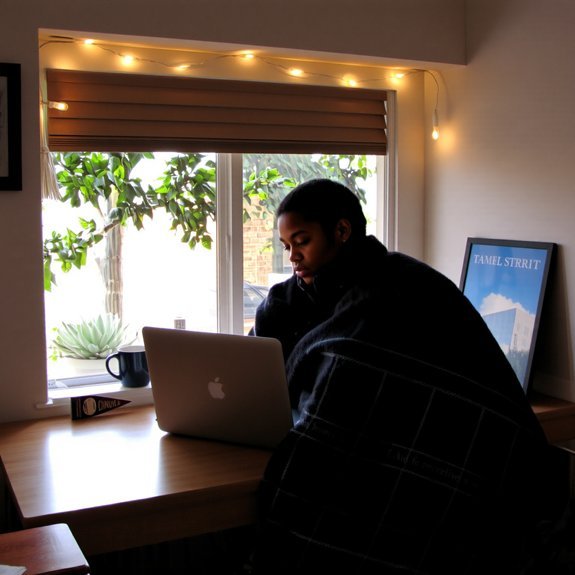
When the quad starts feeling like a museum instead of a neighborhood, I make a tiny, stubborn plan and stick to it like it’s gospel—because routines are the secret cousins of home. You’ll build a rhythm that smells like cinnamon from a midnight snack, sounds like your playlist under a lamp, and looks like the same mug on your desk. Start small, expect wobble, laugh at yourself.
- Make a morning ritual: stretch, brew, scribble one line of a to-do list.
- Carve a study spot: lamp, blanket, noise that tells your brain it’s focus time.
- End the day with a closing routine: five deep breaths, a text to someone who steady-zooms you.
Repeat, tweak, defend it like it’s sacred.
Finding Community Through Campus Organizations and Traditions

If you walk across the quad and feel invisible, join the club—then join a club, literally. I mean it: show up at the sign-up table, grab a sticker, breathe in campus BBQ smoke and bumper-sticker enthusiasm. You’ll feel awkward for two minutes, then start laughing at a cheesy icebreaker. Try the step team for rhythm, the gospel choir for spine-tingling harmonies, or a cultural org for stories that smell like Sunday dinner. Traditions matter too: learn the handshake, wear the colors, line up for Homecoming, taste that alumni gumbo. Say hi, swap names, ask for a campus tour from someone who actually knows shortcuts. These rituals plug you into history and people, fast—no nostalgia required, just presence.
Staying Connected With Family and Old Friends in Healthy Ways
Set a regular check-in, even if it’s just a quick Sunday night video or a midweek text, so you get that warm, familiar voice without waiting for a crisis. Say what you need—“I can’t chat after 10,” or “I’ll call home every other Sunday”—and stick to it, because boundaries keep you sane and everyone else less confused. I promise you’ll miss the messy family dinners, but a steady plan and clear limits make both staying close and growing up feel possible.
Regular, Scheduled Check-ins
Because I promised myself I’d actually answer the phone this semester, I carved out two evenings a week for family and old friends, and it’s already doing wonders—less stomach-twist at 2 a.m., more laughs, and fewer “who even am I?” moments. You schedule check-ins like classes, you treat them as appointments with your soft spot. Pick clear nights, set reminders, brace for the comfort blast. The calls smell like home-cooked soup, feel like warm blankets, and sound like old jokes landing again. Try these quick tweaks:
- One fixed weeknight for a long catch-up, phone on speaker, snacks ready.
- A shorter midweek text-check, three-line updates, no pressure.
- Monthly video call, show a corner of your dorm, laugh at the mismatched curtains.
You’ll stay steady, without getting swallowed.
Boundaries for Communication
While I want you to stay close to the people who raised you and knew your childhood chore chart, you also gotta protect your new life here — so let’s talk boundaries like they’re VIP passes, not insults. Set specific call times, say “Sunday mornings, fifteen minutes,” and mean it. Text updates work fine: photos of campus, a goofy cafeteria plate, a quick “I’m ok” clip. Tell them when you need space — “Midterms week, low-energy, check-ins on Friday only” — and offer alternatives, like voice notes instead of long calls. Practice a gentle script, rehearse it in the mirror if you must. You’ll feel guilty at first, then relieved, then proud. Healthy closeness keeps you grounded, not tangled.
Using Campus Resources for Mental Health and Wellness
Counseling centers are lifelines, and I’m not exaggerating — think of them as low‑key superheroes with comfy chairs and decent coffee. You’ll walk in, smell warm mug steam, and realize you’re not the only one feeling untethered. I tell students, don’t wait for crisis, pop in.
Counseling centers are low‑key superheroes—comfy chairs, warm coffee, and quick check‑ins to help you feel steadier.
- Drop‑in hours: quick check‑ins, friendly faces, immediate relief.
- Workshops: stress fixes, sleep tips, guided breathing that actually helps.
- Peer support groups: real talk, laughs, a few shared tears, zero judgment.
You can book longer therapy, get referrals, or ask about telehealth. Use the wellness center too — yoga mats, biofeedback, meditation rooms. Be curious, be bold, call them, text them, show up. You’ll feel steadier, I promise.
Honoring Your Culture While Embracing New Experiences
You’re not losing yourself here, you’re bringing home with you—light the sweet-smelling candle, stash your grandma’s spice blend in the mini-fridge, and wear that proud necklace when you walk into class. Cook a familiar meal in your dorm kitchen, pass around recipes with new friends, and let the laughter and spice-streaked plates do the talking; I’ll admit, my first attempt burned everything but the memory, and we still laughed. Join a cultural org, go to their mixers, pop in for meetings—those rooms hum with stories, food, and people who’ll remind you where you came from while cheering you forward.
Keep Cultural Traditions Alive
Even though I’m surrounded by new faces and campus rituals, I keep my grandmother’s Sunday sauce simmering in my dorm kitchen—aroma sneaks down the hall and suddenly I’m home, if only for an hour. You don’t need a shrine, just small rituals that anchor you, they travel in your pockets. Light a candle that smells like home, wear a necklace your aunt gave you, play that playlist when you’re folding laundry. Those acts are tiny rebellions against loneliness. They’ll stitch your days back together, slowly, like careful mending.
- Keep a ritual that uses one sense, smell or touch, so memory hits fast.
- Carry a physical token, it makes you brave in class.
- Set a weekly ritual, even ten minutes, consistency beats grand plans.
Share Food and Recipes
When I first hit campus, my instant plan was to bribe new friends with food — and yeah, it worked every time. You’ll want to do the same. Cook a pot of something from home, let the aroma wander down the hall, and watch curiosity beat loneliness. Swap recipes in the common room, handwritten on index cards, grease spots and all. Teach a roommate to fold dumplings, or show someone how your spice mix smells like Sunday. Trade leftovers for study notes, or host a tiny tasting night — mismatched plates, loud laughter, honest compliments. You’ll feel roots and wings at once. Keep a small jar of your favorite seasoning in your bag; it’s comfort, condensed, ready for emergencies.
Join Cultural Student Organizations
Some people treat the campus like a giant cultural buffet — and you should pile your plate high. Join a cultural student organization, you’ll find familiar rhythms, smells of home-cooked spice at meetings, and friends who get your jokes. I promise, it beats lonely nights scrolling photos.
- Attend a potluck, bring your favorite dish, trade recipes and stories.
- Lead a workshop, teach a dance step, or learn a new language phrase.
- Volunteer at events, feel the buzz, meet mentors who remember what it’s like.
You’ll anchor your identity, while trying new things. Say yes to late-night rehearsals, awkward introductions, triumphant high-fives. Homesickness softens when you build rituals, community, and a small, laughing tribe that feels like home.
Practical Self-Care Strategies for Daily Resilience
If you’re living that HBCU freshman life, sleeping in a room that smells faintly of ramen and laundry detergent, you’ll need a few go-to self-care moves that actually fit into a busy week; I’ve got a short, practical playbook you can steal. Start mornings with two deep breaths and sunlight on your face, even five minutes helps. Carry a tiny snack—peanut butter pouch, apple—so hangry decisions don’t wreck your mood. Set one “do-not-disturb” hour for homework and one for messing around, both sacred. Move your body, walk to class, dance in the mirror, whatever makes your heart louder. Text home once a few days, call when you miss the voice. Laugh, sip warm tea, and remember you’re doing fine, even on weird days.
Conclusion
You will be okay here, even if you worry it’ll feel fake at first — I said the same thing on move‑in day, sweaty palms, old playlist blaring. Make small rituals, text home on Sundays, join one loud club, try the food truck once. When loneliness hits, breathe, walk the quad, grab a friend, use counseling. You won’t replace home overnight, but you’ll build a new one, messy, loud, and utterly yours.