Tag: campus culture

  • How to Handle Holidays When Your Student Attends an HBCU

    How to Handle Holidays When Your Student Attends an HBCU

    You’re juggling flights, family traditions, and a kid who now brings marquees to dinner—welcome to HBCU holidays. I’ll say this: plan around short breaks, scout homecoming and convocation dates, and pack layers—those midday chapel services can flip to cool night tailgates fast. Talk expectations early, bring an open mind, and get ready to trade a few rituals for campus rhythms; I’ve got tips to keep you sane and actually enjoy the visit, but first…

    Key Takeaways

    • Coordinate visit dates with the campus events calendar to avoid conflicts and maximize access to student activities.
    • Communicate clear expectations about timing, rest, and family traditions before the break to respect the student’s schedule.
    • Pack and travel light, including chargers, snacks, printed itineraries, and a small emergency cash stash for flexibility.
    • Observe and engage with HBCU culture respectfully; let the student guide campus experiences and share their traditions.
    • Balance family plans with the student’s academic needs, set boundaries, and plan a smooth re-entry to campus after the break.

    Planning Travel Around Shorter Academic Breaks

    plan smart travel light

    If you’ve ever dashed from a late-night study sesh straight into an airport line, you know shorter breaks will test your planning skills—hard. You’ll stare at calendars, squint at syllabi, and mutter, “Really?” Pack light, pack smart—leave the winter parka unless you love carrying regrets. I tell you to book flights early, aim for red-eye or midday trains when prices drop, and set multiple alarms like your future self’s life depends on it. Snack stashes, chargers, printed schedules, yes—bring them. Call ahead to confirm campus housing, and snag any early-departure forms before procrastination gobbles them. Don’t forget a small first-aid kit and an extra phone battery; emergencies hate timing. You’ll arrive calmer, with stories, not stress.

    Coordinating Visits With Campus Events and Family Traditions

    plan visits around events

    You’ll want to line up your visit dates with the campus calendar, so you’re not surprised by a big game or last-minute rehearsal. Mix campus events with family rituals—sneak a tailgate between dinner and Aunt Mae’s storytelling, and bring an extra sandwich for halftime. I’ll say it straight: plan like a pro, pack snacks, and expect the joyful chaos.

    Align Visit Dates With Calendar

    Because campus calendars fill up fast and family plans do too, start by lining your visit dates up like you’re choreographing a mini Broadway show—purposeful, a little dramatic, and with snacks. I check the school events page, ping my student, and mark rehearsal, game, and chapel dates in bright colors, then I cross-check family dinners and that one aunt’s famous pie day. You should aim for overlap, not chaos, so pick windows that let you catch campus energy, and still arrive for the mashed potatoes. Call the student affairs office, scan social media, and bookmark commuter parking tips — small wins matter. Be flexible, bring a comfy jacket, and expect plan tweaks; you’ll still get hugs, stories, and better coffee than mine.

    Balance Family Rituals and Campus

    When the campus calendar and my family’s holy-weekend-of-potatoes collide, I sketch a plan that treats both like VIPs—no one gets left in the lobby. You learn to juggle casseroles and convocation robes, the smell of buttered yams mixing with campus coffee. I call the student, we compare timetables, and I pick battles we can win together.

    1. Pick one headline event: family dinner or main campus ceremony, then build around it.
    2. Split the day: morning chapel, afternoon PTA of mashed potatoes, evening town-gown walk; everyone wins.
    3. Recruit allies: a cousin to ferry dishes, a roommate to snag seats, and the student to text updates.

    You’re decisive, practical, and a little theatrical — own it, and savor both worlds.

    Communicating Expectations and Emotional Needs
    communicate needs protect headspace

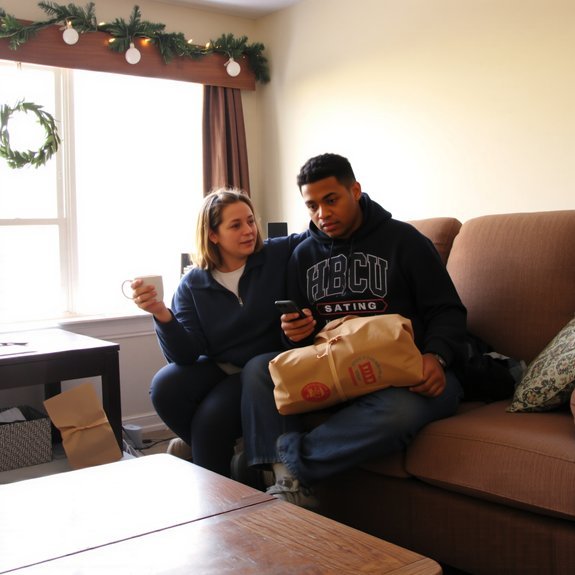
    You’ll tell folks when you’re coming, how long you’ll stay, and what you actually want to do—no mystery ambushes. I’ll say it aloud with a laugh: “I need a quiet evening after class,” or “Bring naps, not opinions,” and mean it. Set the plan, set the feeling, and don’t feel guilty for protecting your headspace.

    Set Clear Visit Plans

    If you want visits to feel like a welcome break instead of a surprise parade, set plans early and say them out loud—no vague hints or hopeful glances. I tell you, being specific saves grief, and it keeps your student from sounding guilty when they can’t host brunch for the whole dorm. Talk dates, arrival times, and length of stay. Mention budget, luggage space, and whether you’ll bring snacks or expect dinner theater. Be honest about energy levels, too — don’t show up ready to talk politics if they need quiet.

    1. Pick dates together, confirm two weeks ahead.
    2. Agree on daily rhythms: sleep, study, social windows.
    3. Designate one solo day for them, no guilt.

    Simple rules, better visits.

    Share Emotional Boundaries

    Boundaries are a kindness, not a verdict — say that out loud and mean it. I tell you this because holiday time gets messy, and feelings pile up like plates in a dorm sink. Tell your student what you need, calmly, with examples: “I need a two-hour call on Sunday,” or “I can’t drop everything for surprise plans.” Say the why, touch it with feeling—your voice, your tiredness, your calendar. Let them say no, truly listen, don’t bargain like it’s Black Friday. Use sensory cues: text a photo of your living room, or set a movie night playlist they can join. Practice small scripts, laugh at your awkwardness, rehearse a gentle refusal. Respect their college life, expect respect back.

    Managing Budget, Flights, and Packing for Holiday Travel

    When the semester ends and campus quiets down, you’ll feel that giddy itch to go home—so let’s get practical before you start dreaming about mashed potatoes and your mom’s overenthusiastic hugs. I’ll help you trim costs, snag flights, and pack like a pro, without turning travel into a drama.

    1. Book early, be flexible: fly midweek, set price alerts, and snag red-eyes; I once saved $120 by switching to Tuesday, felt smug and sleepy.
    2. Budget like a coach: list tickets, gas, snacks, emergency cash; allocate a small splurge, because yes, you deserve pie.
    3. Pack with intent: roll clothes, stash chargers in a clear pouch, carry a cozy sweater that smells like campus—comfort equals sanity.

    Staying Connected When Distance Keeps You Apart

    Even miles away, you can keep college friendships feeling like the room next door — I promise, it’s less romantic than that, and also totally doable. You’ll text silly memes at midnight, send voice notes full of bad impressions, and laugh like you’re shoulder-to-shoulder; it’s cheap therapy. Schedule a weekly video hangout, make it casual—snacks, messy hair, real life—so it’s something you actually want, not a chore. Swap care packages: a hoodie that smells like home, a snack that snaps, a handwritten list of inside jokes. Share photos with captions that roast and celebrate. When plans shift, be honest—“I’m wiped”—instead of ghosting. Small, steady rituals keep bonds alive; they beat grand gestures, every single semester.

    Respecting Campus Culture and Student Independence

    Because you’re visiting a living, breathing community, don’t parachute in with assumptions — listen first, push later. You’ll smell campus food, hear laughter rolling down the quad, notice styles that mean something. Respect that rhythm. Let your student guide the tour, not your checklist. Don’t hog stories, ask for them. Don’t rewrite traditions, ask about them.

    Because you’re visiting a living community, listen first, let your student lead, ask about traditions.

    1. Ask: “What matters here?” Sit, listen, nod — take notes mentally, don’t play interviewer.
    2. Observe: Attend an event, feel the beat, clap at the right time, don’t be the awkward lone echo.
    3. Support: Offer help quietly, provide space loudly, honor their choices, even when you disagree.

    I’ll fumble sometimes, you will too — that’s okay, just keep showing up.

    Creating New Family Rituals Around HBCU Experiences

    You’ve listened, you’ve clapped at the right time, you’ve learned not to narrate someone else’s story — now let’s stitch those moments into something your household actually uses. Start a “HBCU Highlights” jar, drop in ticket stubs, a napkin from a food truck, a program with that choir’s tiny typo, and shake it on Thanksgiving — voilà, conversation starter. Declare one night a month “Band Snack Night,” fry plantains, brew strong coffee, and argue about halftime choreography like you’re experts. Text each other victory GIFs, hang their campus flag over the mantle, read aloud a favorite poem they send. These rituals keep you close, they honor change, and yes, you’ll look ridiculous — in a good way.

    Conclusion

    Okay, here’s the short wrap: you’ll juggle visits, traditions, and campus vibes, and that’s okay — you’re learning too. Fun fact: over 70% of HBCU students say campus events help them feel connected, so time your trips for the homecoming energy. I’ll be blunt — ask before you show up, pack light, and bring patience (and socks). Listen more than lecture, trade stories, and make a new ritual that smells like food and feels like home.

  • How to Survive Freshman Year at an HBCU

    How to Survive Freshman Year at an HBCU

    You’re both terrified and thrilled, standing under the marching band’s drumline as your suitcase rustles like a nervous heart—I’ve been there, trust me. Walk the quad, learn the chants, say hi to three strangers, and crash a student org meeting (don’t be shy, just dramatic). Keep your syllabus close, call home when you need to, and find a professor who actually remembers your name—because freshman year gets real fast, and you’ll want a map.

    Key Takeaways

    • Learn campus rhythms, attend events, and join traditions to build belonging and understand HBCU culture.
    • Create a weekly schedule, use a planner, and block focused study times with regular breaks.
    • Join clubs, study groups, and casual meetups to form friendships, networks, and small support systems.
    • Use professors’ office hours, mentors, and advising services early to map academics and get guidance.
    • Prioritize mental health: seek counseling, explore campus, and use familiar routines to manage homesickness.
    embrace campus culture s rhythm

    When I first stepped onto the quad, sunlight hit the columns like a spotlight and I felt equal parts home and deer-in-headlights; you’ll probably feel that too. You’ll learn to read rhythms here — chapel bells, band practice, slow-footed campus walks — and you’ll lean into rituals with curiosity, not blind faith. Ask questions, watch elders, clap at the right moments. Taste the food at the student center, feel the drumline in your chest, learn the song words before you pretend you knew them. Don’t worry about missteps, everyone’s forgiven faster than you think. Keep your ears open, your schedule flexible, and your pride steady. Tradition’s a roadmap, not a rulebook, and you’ll find your pace.

    Finding Your Community and Building Friendships

    join clubs make friends

    You’ll start by wandering the student center, eyes open, ears perked, and you’ll spot clubs hawking free pizza like beacons. Go to their meetings, show up at socials, and pull two classmates into a study session — that’s where inside jokes and A’s both get made. I’ll bet you’ll leave one event sticky with soda, laughing, and already planning the next hangout.

    Join Campus Organizations

    If I had to give you one survival tip for freshman year, it’s this: join something—anything—that makes the campus feel smaller than it actually is. Do the club fair like you mean it, sniff the pamphlets, chat up the president, and sign a sheet. Try a few meetings—sit in, clap when people clap, eat the free snacks, notice who laughs at your jokes. Join an organization that matches a hobby, a cause, or the part of you that still dances in the shower. Volunteer, rehearse, plan events, wear a T‑shirt that becomes your second skin. You’ll learn names, routes, secret study spots, insider slang. Commit to at least one thing for a semester, and watch strangers turn into your crew.

    Attend Social Events

    Three nights a week, at least, walk out of your dorm and into something that smells like pizza and possibility. You’ll find low lights, loud laughter, and people who look like they know the campus map better than you do. Say hi, grab a slice, stand by the punch bowl, and listen more than you talk—seriously, you’ll learn names that way. Try a step show, an open mic, or a tailgate; move your feet, even if you think you can’t dance. Trade jokes, swap playlists, and collect ridiculous inside jokes you’ll text later. If a crowd’s tight, don’t sweat it—start one conversation, bring a friend, or lean into a goofy intro. Community shows up when you keep showing up.

    Build Small Study Groups

    You met people at the pizza-smelling party, you laughed at a joke you only half-caught, now make something that actually helps you get through midterms: a tiny study squad. I say pick three people — not the whole dorm, not the friend who ghosts — just enough to trade notes and roast bad quiz questions. Meet in the library corner that smells like old coffee, bring sticky notes, snacks, and a timer. Assign roles: one quizzes, one explains, one finds the textbook page everyone ignored. Say things like, “No phones, unless it’s calculator time,” and actually mean it. Switch spots weekly, celebrate small wins with cheap pastries, and keep it low-drama. You’ll get smarter, laugh more, and avoid doing panic-alone all-nighters.

    Managing Time and Academic Responsibilities

    time management and rewards

    Because the dorm clock ticks louder at 2 a.m. than the campus bell at 8, I learned fast how time can be both friend and prankster. You’ll map your week like a treasure hunt, snagging study slots between club meetings and quick food runs, or you’ll learn the hard way—pizza at midnight, essay due at dawn. Use a planner, not just phone guilt-traps; write deadlines in ink, feel them. Block study chunks, then reward yourself with two-song dances or coffee that tastes like optimism. When lectures blur, pause, breathe, rewrite notes aloud, pretend you’re teaching someone who talks back. Say no early and often, set alarms that won’t lie, and forgive the nights you fail. You’ll balance it, clumsily, brilliantly.

    Accessing Mentors, Advisors, and Support Services

    If you’re feeling like everyone else already has a secret handshake with success, lean in—I’ve been there, fumbling for the right door. You’ll find mentors, advisors, and support staff everywhere, if you knock. Walk into offices, introduce yourself, say your major, ask one sharp question. Bring a notebook, pace, listen. Campus centers smell like coffee and paper, voices low, advice ready.

    If everyone seems to have the secret handshake, knock on doors—introduce yourself, ask one sharp question, listen.

    1. Go to office hours, bring a draft, ask for two clear fixes.
    2. Join a student org, meet a peer mentor, trade tips over pizza.
    3. Visit advising, map classes, confirm requirements, save yourself reruns.

    I’ll nudge you: follow up with an email, keep receipts, thank people—small habits turn strangers into your campus crew.

    Handling Homesickness and Mental Health

    When the dorm lights go down and the hallway gets quiet, your chest might tighten like somebody just squeezed a stress ball—welcome to homesickness, the uninvited roommate everyone pretends they’ll never get. I tell you, you’re not broken, just human. Call home, text a picky parent meme, cook a tiny thing that smells like Sunday, or hang laundry that smells like your mom’s perfume — scent anchors work wonders. Walk campus at dusk, breathe the brick and magnolia, count porch lights like stars. Find the counselor, drop in, say “I’m tired,” and watch them hand you tools, not judgments. Join a small group, grab coffee with someone brave enough to listen, and be gentle with the voice that wants to rush healing.

    Making Smart Financial Decisions and Budgeting

    Alright, you felt the pinch of homesickness, called Mom, roasted something that smelled like Sunday — good. You’re broke, but proud, so let’s make your cash stretch without turning ramen into a lifestyle choice. I walk you through basics, crisp and real, like a roommate who folds laundry once.

    Homesick, broke, proud — call Mom, roast something warm, track every dollar, automate savings, survive and laugh.

    1. Track: write down every purchase, even that $2 soda, watch patterns, and gasp at your snack weakness.
    2. Prioritize: rent, books, food first; parties later — still go, budget the dance.
    3. Save: automated transfers, even $10, build a tiny emergency nest, it feels heroic.

    You’ll learn to say no, negotiate textbooks, and laugh when thrift-store fashion wins. You’ve got this.

    Getting Involved in Organizations and Leadership

    You should join student organizations early, wander into that packed meeting room, and feel the buzz of names and handshakes—I’ll promise it’s less scary than it sounds. Say yes to leadership when it fits, but keep your GPA in sight, set limits, and practice the awkward art of saying “not right now.” Balance is everything, so calendar your weeks, smell the campus coffee when you cram, and remember I’ve tripped over my own schedule enough times to warn you.

    Join Student Organizations Early

    Three clubs on my first week felt like three lifelines I clung to—one for music, one for service, one for free pizza—because honestly, orientation alone couldn’t teach me how to belong. You should join early, scope the vibe, and sign up before classes swallow your weekends. Walk meetings, smell coffee, hear laughter, collect names. Don’t overpromise, pick two that spark you, show up twice, then decide.

    1. Go to a performance night, clap loud, introduce yourself after the set.
    2. Help with a service drive, pack boxes, feel the purpose stick.
    3. Drop in a casual hangout, eat pizza, trade study tips.

    You’ll meet people fast, build routine, and find the corner of campus that feels like home.

    Seek Leadership Opportunities

    Step up, speak up, and don’t be surprised when people start calling you by your nickname—leadership lets you own a corner of campus faster than any class will. I’ll tell you straight: raise your hand at meetings, volunteer for a project, and learn names like you’re collecting secret passwords. Walk into the student center, feel the carpet underfoot, grab a flyer, and say, “I’ll help.” Start as a committee member, then run for an officer spot next semester. You’ll practice public speaking under fluorescent lights, juggle event checklists, and taste victory (and free pizza). Use leadership to build a rep, make friends who’ve got your back, and leave a footprint, not just attendance. Yep, it’s awkward at first—so what?

    Balance Commitments With Academics

    Leadership doors swing open fast, and with them comes a stack of flyers, calendar invites, and the sweet pressure to say yes. You’ll want to try everything, I get it — I’ve RSVP’d to three meetings and a cookout in one afternoon. Pause. Breathe. Map your week, then pick roles that fit the rhythm of your classes.

    1. Track hours: write them on a sticky note, tape it to your laptop, don’t lie to yourself.
    2. Prioritize meetings: mandatory classes, study blocks, then org events—stick to that order.
    3. Delegate early: train a backup, share tasks, celebrate small wins together.

    Keep snacks in your bag, set firm “no” boundaries, and remember: quality beats a crowded résumé.

    Preparing for Career Development and Internships

    If you want to stop guessing about your future and actually build it, start treating career stuff like a scavenger hunt, not a mysterious prophecy. I’ll walk you through maps and clues. First, visit career services, now—feel the carpet, grab a flyer, ask for mock interview slots. Go to workshops, RSVP like it’s a party. Network in the cafeteria, say hi to alumni who smell like success and coffee. Build a resume you can read without squinting; keep it one page, honest, and bold. Apply to two internships a week, track replies in a spreadsheet, celebrate tiny wins with pizza. Reflect weekly: what felt good, what bored you? Repeat, tweak, show up. You’ve got this—clues everywhere.

    Conclusion

    You’ll survive this year — you might wobble, trip, and laugh on the floor, but you’ll get up. I’ve watched freshmen learn traditions by night, cram in libraries by day, and find friends in front-row chapel seats and messy dorm kitchens. Breathe, ask for help, join that club you’re curious about, save a little cash, and go to office hours. This place will shape you, sometimes gently, sometimes like a thunderclap — and you’ll grow into it.

  • How to Choose the Right HBCU for You

    How to Choose the Right HBCU for You

    Like standing at a crossroads in a coming‑of‑age movie, you’ve got choices that’ll change your life. I’ll help you smell the campus coffee, hear the band, and size up the classrooms so you don’t pick the place that feels like a bad sequel. You’ll learn what matters—majors, vibe, money, mentors—and how to test them in one visit, no guesswork, just straight talk. Want to start?

    Key Takeaways

    • Match campus size and vibe (intimate quad vs large research) to your preferred class sizes and social life.
    • Confirm program accreditation, faculty expertise, hands-on labs, and internship pathways for career readiness.
    • Evaluate student life, traditions, clubs, and residential options to see if you feel welcomed and represented.
    • Compare net cost, scholarships, FAFSA aid, work-study options, and payment plans for true affordability.
    • Investigate alumni networks, graduate outcomes, career placement, and mentorship opportunities for long-term success.

    Understanding Different Types of HBCUs and Campus Sizes

    campus size impacts experience

    Curious how an HBCU actually feels when you walk in—warm brick, banners flicking in a breeze, the hum of people who know each other’s names? You’ll notice differences fast: some campuses are cozy, quad-centered, where you can learn most faces by week two; others sprawl with research labs and bus routes, where you’ll need a map and good shoes. Some are all-undergrad, intimate, clubs meeting in the student center; others mix grad programs, big events, and late-night lectures that spill into diners. Size shifts your social life, class sizes, and how loud your footsteps echo at midnight. Walk both small and large campuses, sit in a café, eavesdrop a little—your vibe will tell you which fits.

    Evaluating Academic Programs and Major Strengths

    accreditation faculty expertise internships

    You’ll want to check a program’s accreditation status first, it’s the sniff test that tells you if a degree actually opens doors. Peek at faculty research expertise next — watch for professors publishing, leading labs, or mentoring students, those are the people who’ll push your thinking and your résumé. And don’t forget internships and career pathways, ask where grads work, hear the success stories, and picture yourself in those scenes before you commit.

    Program Accreditation Status

    A few credentials can make a campus visit hum with confidence, and program accreditation is one of them — it’s the official stamp saying a department actually teaches what it promises, not just on paper but in labs, studios, and clinical sites where real work happens. I’ll tell you straight: check the accreditor’s name, not just the diploma. Walk the lab, smell the solvents, peek at equipment—accreditation usually means up-to-date gear and clear assessment. Ask to see graduate outcomes, licensure pass rates, internship partners. If they mumble, that’s a red flag. If they beam, that’s golden. Accreditation affects transfer credit, financial aid, and your résumé. Don’t guess. Call the agency, read the report, and sleep better knowing your degree actually counts.

    Faculty Research Expertise

    Accreditation tells you the program’s heartbeat, but the people doing the work are the ones who’ll actually feed it. Look up faculty profiles, skim CVs, and click those research links like you mean it. You’ll smell curiosity in lab photos, hear it in sentence fragments of grant summaries, see it in course lists tied to faculty projects. Ask yourself, are professors publishing where the field notices, or just in campus newsletters? Do they mentor undergrads, involve students in data collection, field trips, gritty experiments? Reach out, say, “Hi, I’m curious,” and watch who answers. I’ll warn you, some bios are dazzling, some are dusty — both tell stories. Pick faculty whose work sparks you, challenges you, and feels like a place you’d want to roll up your sleeves.

    Internship and Career Pathways

    When you peek at a program’s course catalog, don’t just skim—play detective. I tell you, follow internship listings like breadcrumbs. Look for hands-on labs, credit-bearing internships, and alumni names on employer pages. Smell the campus energy—career fairs buzzing, recruiters shaking hands, students handing out resumes. Ask faculty about partnerships, then call the company, yes really. Sit in a career center meeting, hear staff map job pipelines, and check if majors lead to certifications or grad school prep. If a program brags about placement rates, ask for details, don’t bow to glitter. Picture yourself in a summer role, tired but learning. If the pathway’s clear, you’ll land roles faster. If it’s fuzzy, keep searching, you deserve better.

    Assessing Campus Culture and Student Life

    campus traditions and vibes

    You’ll want to feel the campus pulse—pep-rally drums, tailgate smoke, and the way seniors high-five freshmen at convocation—because traditions tell you how people celebrate together. Check out student clubs and orgs, peek into a meeting or two, and ask where students actually hang when they’re not in class; I promise, the vibe shows up in the little things. Then sleep in a dorm, or at least tour it—room size, roommates’ habits, and late-night snack runs say a lot about whether you’ll belong.

    Campus Traditions and Events

    Curious how a campus actually feels at 2 a.m. after Homecoming? I’ll tell you: the band’s echo still buzzes, confetti sticks to your shoes, and laughter peels down moonlit sidewalks. Traditions make nights like that stick.

    1. Watch parties that shake the quad, you feel bass in your ribs.
    2. Step shows where feet thunder, and someone shouts your name.
    3. Candlelight vigils, hush and glow, scent of wax and jasmine.

    You’ll want to visit during a signature event, soak the vibe, note who’s smiling and who’s organizing. Ask yourself if the rituals welcome you or leave you outside the circle. Those rituals show values, pride, and how students care — and they tell you if you’ll belong.

    Student Organizations and Clubs

    If you wander into the student union and the scent of microwave popcorn and printer toner hits you, don’t be surprised — that’s where campus life hums, and clubs are the wiring. You’ll find debate teams sparring near a soda machine, step teams practicing heel-clicks that rattle your ribs, and a film club screening shorts with cheap pizza. Ask questions, don’t hover; join a meeting, don’t judge the poster art. Look for groups that match your hobbies, your cause, or the weird half-idea you want to try. Talk to members, feel the energy, notice how leaders treat newcomers. If a club feels warm and organized, you’ll get growth and fun. If it feels chaotic, maybe you’ll learn to lead — or walk away.

    Residential Life and Housing

    When I toss my duffel onto a narrow dorm bed and the radiator clanks like an old man clearing his throat, that’s where campus culture starts to feel real — up close, loud, and a little messy. You’ll learn a lot from hallways, not brochures. Smells of microwave popcorn, late-night laughter, and someone’s incense tell you who lives here. Peek into lounges, listen for debates, note how staff greet you. Housing shapes your days, and roommates teach diplomacy fast.

    1. Room options: singles, doubles, suites — tradeoffs in quiet, cost, and privacy.
    2. Community vibe: program nights, resident advisors, neighbor noise levels.
    3. Logistics: meal plans, laundry, safety features, and maintenance speed.

    Exploring Financial Aid, Scholarships, and Affordability

    How much money will it actually take to get you through an HBCU? Let’s be honest, you’re not just buying classes, you’re buying a life chapter—meals that smell like home, textbooks you’ll dog‑ear, late‑night coffee runs. Start with FAFSA, fill it out early, and don’t groan—I’ve been there, it’s worth the paperwork. Hunt scholarships: departmental, community, legacy, quirky essay contests that pay your rent. Ask the financial aid office about payment plans, emergency grants, work‑study shifts that won’t wreck your GPA. Compare net cost, not sticker price; visit, feel campus energy, and calculate commuting vs. room and board. Plan a budget, track expenses, and have a tiny cushion. You’ll still worry, but with strategy, affordability becomes achievable—and dare I say, fun.

    Investigating Student Support Services and Mentorship

    You’ve figured out the money part, maybe even beaten FAFSA into submission—great, now let’s talk about the people who’ll actually keep you sane. You want tutors who’ll stay past closing, counselors who listen without judging, mentors who push you and bring snacks—yes, literal snacks. Walk the student center, smell coffee, hear laughter, ask: who helps during crises? Who connects students to internships?

    1. Tutoring & academic help — drop-in labs, evening hours, success coaches.
    2. Mental health & counseling — same-day crisis slots, group therapy, culturally aware clinicians.
    3. Mentorship programs — alumni match-ups, faculty mentors, peer leaders who text back.

    Trust instincts. Sit in a support group, say hi, feel the vibe. If it comforts you, it’ll carry you.

    Considering Location, Housing, and Safety

    Where’s the campus actually planted on the map, and will you like waking up there? Picture morning light sliding through oak branches, or concrete and bus fumes — do you crave calm or city buzz? Walk the neighborhood, grab a coffee, listen for sirens or birds; trust your gut. Ask about on-campus housing options, roommate matching, and guest policies; tour a dorm, snap photos, check closet space, outlets, and AC. Learn crime stats, campus escort services, and emergency alerts, then call local police for context — yes, do that. Think about commute times, parking, and late-night study spots that feel safe. I’ll be blunt: comfort matters. If the place doesn’t feel right now, it won’t later.

    Researching Alumni Networks and Career Outcomes

    Curious who’ll be in your corner after graduation? I’ll tell you straight: alumni make careers happen, and you should size that network up like you’d scope a party—who’s there, how they mingle, what they bring. Look for active mentorship, internships, job-placement stats, and industry reach. Check LinkedIn, alumni pages, and ask career services.

    1. Examine placement rates, top employers, and salary ranges.
    2. Seek alumni mentorship programs, regional chapters, and networking events.
    3. Find stories — grads who snagged roles, started businesses, or leaned on cohort support.

    Walk into conversations with specific questions, listen for concrete examples, and picture yourself at those tables. If alumni vibe feels warm and useful, you’ll have supporters, referrals, and a real runway after graduation.

    Planning an Effective Campus Visit and Interviewing Students

    If alumni are the crew who’ll open doors later, campus visits are the reconnaissance mission where you figure out who’s actually answering the calls. Walk the quad, breathe campus air, listen for laughter and marching bands, then talk to students like you mean it. Ask how mornings feel, where they study, what’s sacred and what’s stressed. Sit in dining halls, compare menus, note smells — curry, grill, fresh coffee. Drop a line: “What surprised you?” Watch faces, hear honesty. Tour a dorm, test the shower, check outlets — practical stuff matters. Catch a class, raise your hand, feel the vibe. Jot notes, snap photos, trade numbers. Leave asking for one student’s real-deal advice, not the glossy brochure pitch.

    Weighing Personal Values, Identity, and Long-Term Goals

    When you pick a college, you’re really choosing a crew, a rhythm, a set of unspoken rules you’ll live with for years — so don’t pretend it’s just about mascot colors or cafeteria hours. You’ll wake up to certain voices, see certain faces at chapel, and feel whether your values echo or clash. Ask yourself, what matters most? I’ll help.

    Choosing a college is choosing a crew, a rhythm, a set of unspoken rules you’ll live by.

    1. Align: Does campus culture match your faith, politics, or creativity?
    2. Protect: Will you be safe, seen, and free to speak?
    3. Propel: Will alumni networks and programs push your career forward?

    Walk dorm halls, sit in a lecture, smell the coffee, eavesdrop kindly. Trust the gut that tightens or relaxes — that’s your future saying hello.

    Conclusion

    You’ve got this. I’ll say it straight: pick an HBCU that feels like home, not a checkbox. Walk the quad, taste the caf food, eavesdrop on a club meeting, talk to a prof, and see if your pulse slows or perks up. Follow your values, budget, and career goals, but trust your gut—sometimes lightning strikes. I’ll cheer you on from the sidelines, pompoms and all. Make a choice that lights you up.