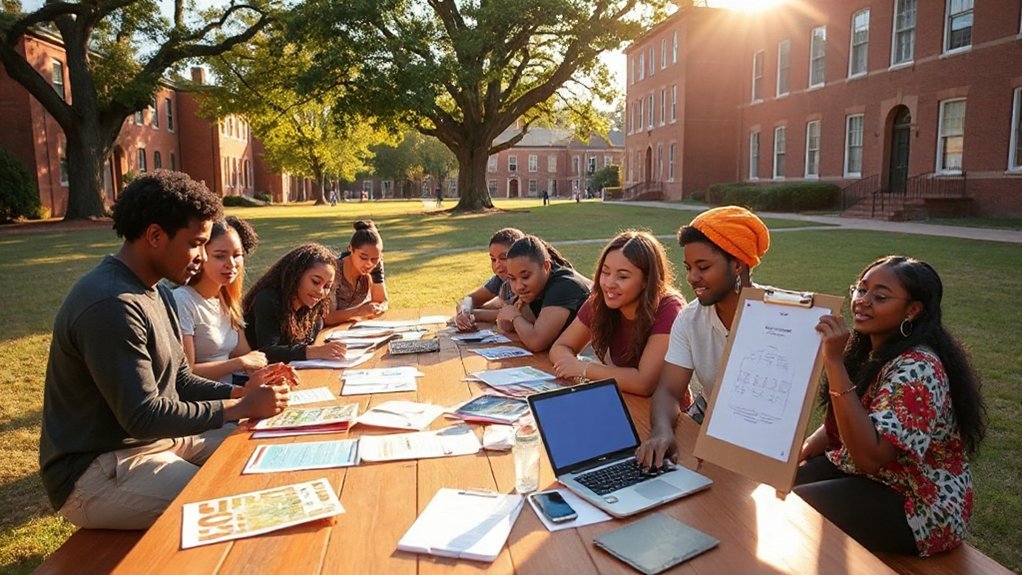
You’ll pick the people, you’ll pick the vibe, you’ll pick the wins and the mess-ups — and you’ll learn fast. I’m with you, sleeves rolled, clipboard slightly crumpled, smelling coffee and campus sunscreen, and we’ll build a team that actually reflects the student body, snag sponsors without selling your soul, and make events that feel like home; I’ll tell you how to do that, step by step, but first — what’s the one thing you absolutely won’t compromise on?
Key Takeaways
- Build a diverse planning committee representing campus demographics, roles, and student organizations for authentic input and shared responsibility.
- Secure funding by pitching clear benefits to sponsors, leveraging campus offices, and offering visible sponsor perks and recognition.
- Design culturally relevant programming and menus that reflect student lived experiences, accessibility needs, and key community dates.
- Market using authentic student voices, mixed channels (social, texts, posters), and tested messaging to avoid stereotypes and boost attendance.
- Measure impact with attendance, diversity metrics, qualitative stories, and KPIs, then iterate for sustainability and future growth.
Building a Diverse and Empowered Planning Committee
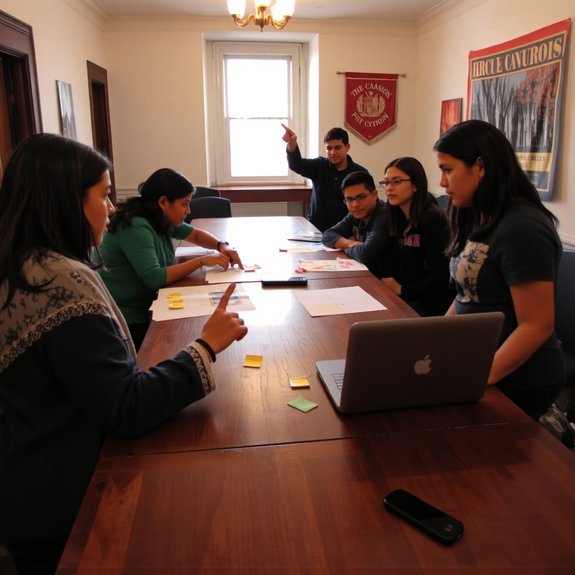
If you want an event that actually hums with energy, start by building a planning committee that looks, thinks, and talks like the campus itself — don’t just copy the same faces from every meeting. You’ll scout students in the cafe, nod at that professor with the wild ideas, pull in the groundskeeper who knows every nook — sensory, alive, real. I’ll tell you, diversity’s not a checklist, it’s a recipe: mix majors, ages, pronouns, skills, spice it with lived experience. Give roles, not titles, hand out clear tasks, set quick rituals so meetings smell like coffee and momentum. Expect friction, lean into it, laugh when plans wobble. That’s how you make events that sound, look, and feel like home.
Securing Funding, Partnerships, and Sponsorships
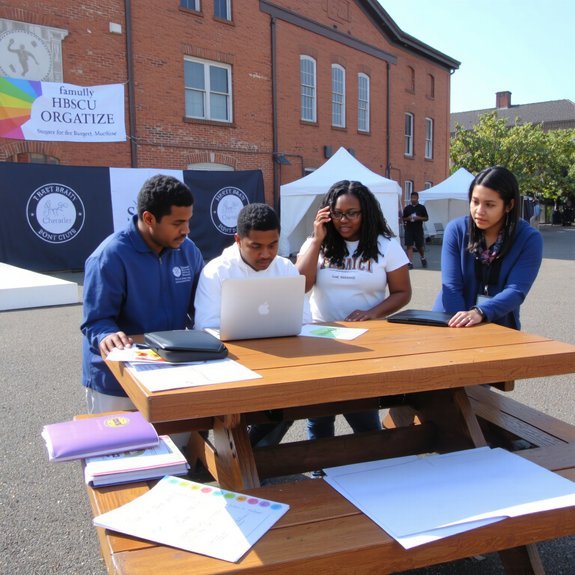
Because money talks and good ideas need a microphone, you’ve got to treat funding like a conversation, not a scavenger hunt. Start by mapping who benefits—students, departments, local businesses—then pitch with that map in hand. Call donors, slide into alumni DMs, schedule five-minute coffees, bring printed one-pagers that smell faintly like success. Offer clear perks: logo on flyers, speaking slots, VIP meet-and-greets. Partner with campus offices to share costs, don’t reinvent the wheel. For sponsors, present outcomes, not promises; show past crowd photos, sound-check anecdotes, attendance stats. Negotiate deliverables, timelines, and recognition, get it in writing. Keep relationships warm, send thank-you videos, and steward support so next year’s pitch isn’t a cry into the void.
Designing Culturally Relevant Programming and Logistics
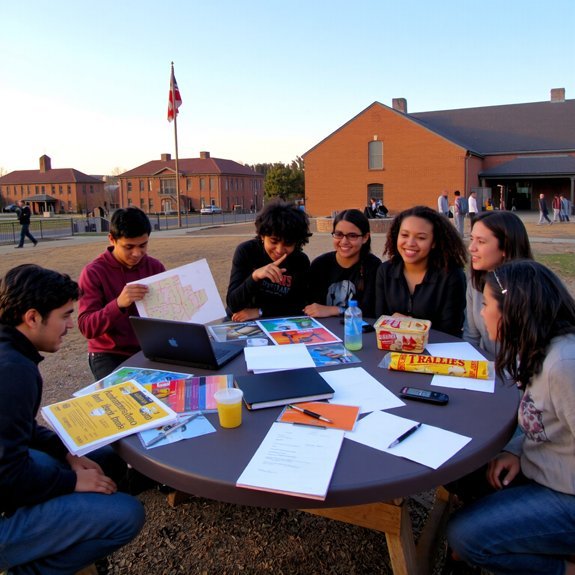
Start with three truths I won’t sugarcoat: your audience knows culture when they feel it, logistics can kill a vibe faster than bad sound, and nobody remembers bland. You plan with care, you cue the beat, you taste the food, you honor tradition and push fresh ideas. I’ll call the shots, then listen. Choose performers who speak to lived experience, pick menus that smell like home, map routes that keep feet moving and lines short. Don’t skip tech checks — echo ruins ceremonies. Consider accessibility, timing around worship and classes, and quiet zones for reflection.
Three truths: culture is felt, logistics make or break vibes, and blandness is forgettable — plan, honor, test.
- Book artists with community ties, not just clout.
- Test lighting and sound in daylight and night.
- Coordinate volunteers, ushers, runners, and backup supplies.
Marketing With Cultural Sensitivity and Student Engagement
While you’re thinking like a promoter, think like a neighbor too — I’ll call out what lands and what bombs. You’ll lean on authentic voices: student leaders, campus DJs, professors with stories. Use handshakes, not just hashtags. Snap photos of rehearsals, smell of frying chicken from the vendor, laughter echoing off the quad — those images sell. Speak plainly, avoid stereotypes, and test copy with a small student panel before blasting it. Mix text blasts, posters on dorm doors, and quick TikToks that show real faces, not staged models. Invite feedback, then actually act on it. Keep language warm, permission-based, and celebratory. If something flops, own it, learn fast, and make the next invite irresistible.
Assessing Impact, Sustainability, and Future Growth
If you want your events to matter beyond a good playlist and free food, you’ve got to measure the buzz, the numbers, and the fallout—no spreadsheets left behind. You’ll watch the crowd, smell the food trucks, tally sign-ups, and ask blunt questions. I’ll tell you straight: track attendance, diversity of participants, and whether that spark turned into action. Note what lasted, what faded, and who keeps calling you for collabs. Think long-term funding, waste reduction, and whether traditions grew or shrank. You’ll learn from wins and facepalm the flops.
- Collect qualitative stories, photos, and attendee quotes for memory and metrics.
- Audit budgets, carbon footprint, and partnership longevity every semester.
- Set clear KPIs, milestones, and a two-year growth map.
Conclusion
You’ve got this—call the crew, book the spot, taste-test the food, and listen when students talk; I’ll cheer from the sidelines and roll up my sleeves with you. Like a brass band warming up, the plan should snap, shine, and draw a crowd. Keep culture front and center, money smart, and logistics tight. Measure what matters, learn fast, and treat every event as practice for the next big win.