Tag: campus traditions

  • How to Get Involved on Campus at an HBCU

    How to Get Involved on Campus at an HBCU

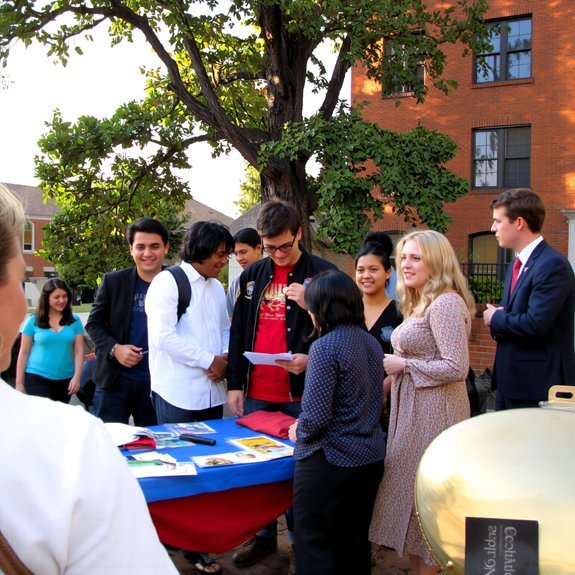
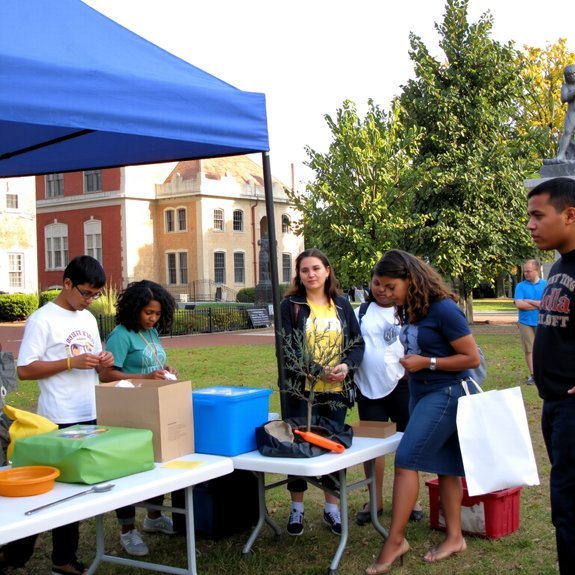
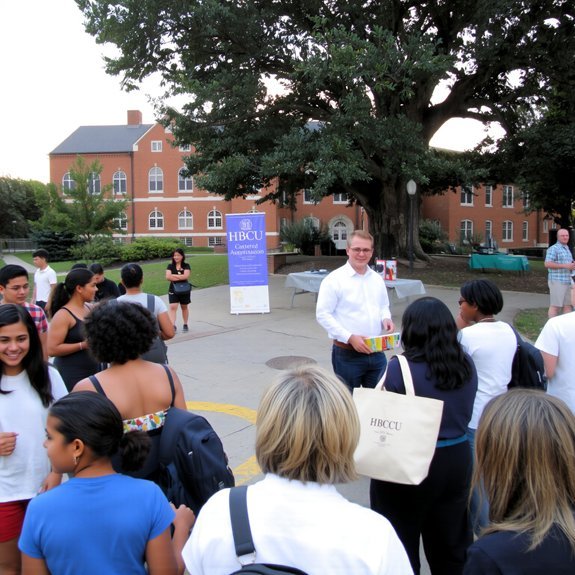
    You’ll spot the club fair first — tables draped in colors, folks handing out stickers and snacks, music vibrating through the quad — so stroll up, grab a flyer, ask one bold question, and watch doors open. Join a meeting, run for a small role, sign up to tutor or serve a weekend, try step practice even if you clap offbeat; you’ll meet mentors, taste late-night campus food, and find where you fit — and then you’ll want more.

    Key Takeaways

    • Attend club fairs, visit meetings, and follow up with leaders to join clubs that match your interests and identity.
    • Run for student government or chair committees to build leadership, manage projects, and influence campus life.
    • Volunteer with campus service groups and local nonprofits to serve the community and gain hands-on experience.
    • Join research teams, tutoring programs, or honor societies to deepen academics and connect with faculty mentors.
    • Participate in Greek life, cultural troupes, and campus traditions to build social bonds and create lasting memories.

    Finding Your Community: Clubs, Organizations, and Cultural Groups

    join clubs find community

    If you’re anything like me, the first week on campus felt like walking into a buzzing market — colors, music, people selling their vibes — and I had no map. You wander tables, grab flyers, taste new rhythms; you overhear a laugh and it hooks you. Go to club fairs, show up early, ask one question: “What actually happens here?” Try a meeting, even if you’re awkward — everyone else is, too. Join a cultural troupe, taste meetings like samples, stay where you feel lighter. Trade numbers, follow up with a meme, make one friend. Look for affinity groups that match your roots, majors, or quirks. You’ll find your crew by doing small, brave things, not waiting for destiny.

    Leadership Opportunities: Student Government and Campus Committees

    real experiences in leadership

    When you step into student government rooms or sit on a campus committee, expect sweat — not just the nervous kind, but the honest kind that comes from doing real stuff, with real deadlines and pizza that’s somehow always cold. You’ll learn to speak up, to file a motion, to chase signatures at midnight. I’ll tell you straight: this is where you grow, bruise, and glow. You’ll negotiate budgets, argue over event themes, and watch policy become practice. It’s loud, it’s messy, it’s yours. You’ll meet allies, rivals, and a faculty member who actually drinks coffee with you.

    1. Run for a role, speak at meetings, collect support.
    2. Chair a committee, set agendas, enforce deadlines.
    3. Lead a campaign, craft messages, mobilize peers.

    Serving and Giving Back: Volunteer Projects and Community Engagement

    community engagement through service

    You’ve argued budgets and chaired meetings long enough to know people and deadlines, so let’s put that energy into the neighborhood outside campus gates — I promise it’s just as satisfying and smells less like burnt coffee. You’ll knock on doors, serve hot meals at shelters, paint a mural that brightens an alley, or tutor kids under a willow that smells like wet grass. Expect real talk from residents, honest thanks, and the awkward joy of elbowing in at a community garden. You’ll learn logistics, humility, and how to lead without hogging the spotlight. Sign up with campus service clubs, partner with local nonprofits, track impact, celebrate small wins, and bring snacks. You’ll leave tired, richer, and oddly proud — mission accomplished.

    Academic Involvement: Research, Tutoring, and Honor Societies

    Academic stuff can actually be fun, I swear — not just late-night cram sessions and sad desk-food. You can join a lab, tutor center, or honor society, and actually feel useful. I’ll show you how to start, what to expect, and how to brag without sounding extra.

    1. Join a research group: knock on a professor’s office, sniff the coffee, learn a protocol, and watch data become a story you helped write.
    2. Tutor or study table: pull up a chair, explain concepts aloud, get that “oh” moment, and leave with warm gratitude and sharper thinking.
    3. Honor societies: polish your resume, attend one meeting, meet mentors, accept awards with a stunned smile, repeat.

    Social Life and Traditions: Greek Life, Events, and Campus Rituals

    If you want to feel campus pulse in your chest, immerse yourself in Greek life and traditions — I promise it’s more than matching polos and choreographed steps. You’ll hear drums before you see the crowd, smell grilled food, feel the stomp in your soles, and I’ll nudge you forward — go stand with them. Join a step show, clap loud, learn the calls, or just trade stories on the quad. Attend homecoming, candlelight ceremonies, and late-night cookouts; each ritual stitches you into place. Try rush, even if you’re nervous, ask older students for tips, and laugh when you mess up the chant — I did, twice. These moments become your map, your laughter, your history.

    Conclusion

    You’ve got this—jump into club fairs, taste the campus food truck, and say yes to that awkward icebreaker. I’ll nudge you to run for student government, join a research team, or serve at a Saturday drive; you’ll learn, laugh, and sometimes trip up, but that’s growth. Take part in traditions, wear the school colors, make friends who feel like family, and remember: when opportunity knocks, open the door—don’t stand there debating.

  • What to Expect During Your First Week at an HBCU

    What to Expect During Your First Week at an HBCU

    The quad smells like fresh-cut grass and fried food, and you’ll breathe it in like you own the place, even if you’re still carrying boxes; you’ll meet an RA who talks fast, get lost twice, clap at a pep rally, and sit through orientation that’s equal parts useful and theatrical — I’ll tell you where to sleep, where to eat, which lines to avoid, and how to find your people, but first you’ve got to survive day one.

    Key Takeaways

    • Expect energetic orientation events, pep rallies, and club fairs that introduce campus culture and help you meet peers and student leaders.
    • Learn routes, housing logistics, and campus landmarks while unpacking and connecting with your RA for support.
    • Attend classes confidently: pick a good seat, introduce yourself, ask one smart question, and note professor expectations.
    • Start building routines—sleep, study blocks, meal plans, and brief social breaks—to manage time and mental health.
    • Visit the registrar, financial aid, and academic advisor early to confirm enrollment, funding, and course plans.

    Welcome Activities and Orientation Events

    exciting energetic orientation activities

    If you’re anything like me, you’ll show up with a backpack full of hope, a slightly bruised sense of direction, and shoes that haven’t seen this much walking since middle school; orientation hits fast, loud, and warm. You’ll get pep rallies that thump in your chest, registration lines that test your patience, and student leaders who hug like they mean it. Grab a program, taste the welcome cookies, listen for your name during roll call — say it loud, say it proud. You’ll join icebreakers that feel awkward, then surprisingly fun, trade stories in shaded courtyards, and learn chants that stick. By sunset, you’ll be exhausted, connected, and already plotting which club fair table to head for next.

    Finding Your Way Around Campus and Housing Setup

    navigating campus and settling

    When you step onto campus with that nervous grin, your map app will lie to you at least once and the quad will still smell like fresh-cut grass and late coffee, so don’t panic — get curious. I’ll say this: walk the routes before sunset, note landmarks—bell tower, mural of alumni faces, the snack truck that always parks by the library—talk to folks hauling boxes, they know shortcuts. Unpack in stages, plug in your lamp first, then your playlist. Label drawers, tape a spare key inside a book, and meet your RA; they’re your first lifeline. Learn where bathrooms, laundry, and the night shuttle sit. Memorize one friendly face. By bedtime, you’ll recognize sounds—laughter, distant band practice—and feel a little less lost.

    First-Day Classes and Meeting Professors

    first impressions matter greatly

    You’ll scan the room, note the podium, the chalk dust on the front desk, and pick a seat that gives you line of sight and confidence. When the professor asks for names, stand up, say yours loud and calm, drop a quick detail about why you’re excited, and watch how expectations get clearer. I’ll admit I fumble a greeting sometimes, but showing up ready and asking one smart question tells them you mean business.

    One bold thing: walk into that first classroom like you already belong there — even if your stomach’s doing cartwheels and your backpack has crumbs from last week’s cereal. You’ll scan the room, take in rows, clusters, that one tiered section that looks like a movie theater, and decide where you’ll sit. Sit near the front if you want to hear every nuance, or claim a side seat for easy exits, but avoid the lonely last row unless you like invisibility. Note outlets, light switches, and where the professor sets their laptop—those spots matter. Introduce yourself to neighbors with a quick joke, trade pens, and mark the board’s layout: syllabus, due dates, office hours. Own the map of your learning space.

    Introducing Yourself Confidently

    You’ve scoped the room, picked a seat, maybe swapped a pen with the person next to you — now it’s time to make a real first impression without sounding like a rehearsed robot. I nod, smile, and say my name, quick and clear, then ask theirs — it’s simple, human, immediate. Keep your voice steady, shoulders relaxed, meet eyes, not stare. Mention one thing about the class or campus, like “I heard Professor Lee tells good stories,” and laugh, you’ll break the ice. If the professor asks about your background, give a two-sentence snapshot: where you’re from, what you care about, drop a relevant detail. Shake hands if offered, thank them, jot a note. You’re present, polite, memorable — not perfect.

    Understanding Professor Expectations

    Maybe a little nervousness is normal — I get it, first-day energy smells like fresh notebooks and stale coffee — but slip into the room like you mean to listen. Look for name tents, syllabus piles, the professor’s tired grin. Sit up front if you can, make eye contact, nod when they joke — they notice that. When they explain attendance, deadlines, grading, write it down, don’t wing it. Ask one sharp question, introduce yourself after class if time allows, “Hi, I’m—” and mean it. Office hours are gold, go early, bring a paper draft or two questions. Professors are human, they respect preparation and curiosity. Be on time, be present, follow through, and you’ll leave a good first impression.

    Joining Student Organizations and Campus Traditions

    Curious where you’ll actually fit on campus? You’ll wander to the quad, hear drums, smell fried plantain, and spot booths lining the walkway. Talk to students, snag stickers, join a meeting—that’s how you find your people. I’m telling you, don’t wait for an invite, walk up, introduce yourself, say something goofy if you must. Try a club fair, catch a step show rehearsal, or sit in on a chapter meeting. Traditions will grab you — tailgate cheers, toga-style homecoming nights, or late-night study pizza rituals — and you’ll learn the hand signs, the chants, the secret handshake (maybe). Keep an open calendar, RSVP, show up early, bring snacks. You’ll belong before you know it, even on day three.

    Managing Registration, Financial Aid, and Advising

    You’ll find people everywhere—on the quad, in the student center, at a club table—but right after you fist-bump a new friend or snag a sticker, you’ve got to handle the behind-the-scenes stuff that actually keeps you enrolled, fed, and scheduled. I walk you to the registrar first: bring your ID, a list of courses, and a deep breath. Then we hustle to Financial Aid, where forms smell faintly of toner and hope; ask about grants, work-study, and meal plan swaps. Advising is next, where you and a real human map majors, prerequisites, and that mysterious gen-ed. Say the awkward questions out loud, I promise they’ve heard worse. Leave with screenshots, counselor names, and a plan—no drama, just paperwork conquered.

    Building Community, Making Friends, and Self-Care

    I’m telling you, jump into campus org fairs with your ears open and your snack hand steady, because that’s where you’ll find people who laugh at the same jokes and love the same causes. Talk to your roommate early — set quiet hours, swap coffee preferences, and don’t let passive-aggressive note wars start; I learned that the hard way. And yes, pack a sleep schedule and a few go-to recipes, you’ll thank me when you’re not surviving on ramen and adrenaline.

    Join Campus Organizations

    If you wander into the student union on a Tuesday afternoon, you’ll smell fries, hear a drumline practice through the windows, and find a dozen clubs hawking stickers like they’re trading cards — and that’s where the magic starts. You scan tables, snag a sticker, and overhear someone say, “You play?” You nod, join a quick demo, and suddenly you’re laughing, out of breath, part of it. Try a few groups: faith, improv, activism, study pods, step team. Go to one meeting, then another, keep what fits. Bring snacks, ask names, trade contacts. You’ll build a tiny roster of allies, people who text when you flake, who celebrate wins, who know your coffee order. That’s community.

    Roommate Relationship Tips

    People you met at club tables will become your squad, but the person whose alarm you hear every morning might shape your whole day. You’ll knock, introduce yourself, and laugh at the awkward silence; say your quirks loud and proud, like “I’m a night owl, I burn toast.” Set small, kind rules—guest nights, headphone hours, snack boundaries—spoken over ramen, with the fluorescent light buzzing. Learn their coffee face, their study playlist, the way they fold clothes into neat paper squares. Invite them to a campus walk, or shut the door when you need a minute; both are honest moves. Share a towel, respect the desk pile, and apologize fast when you mess up. Roommates can become family, if you try.

    Establish Healthy Routines

    When you’re juggling class sign-ups, club fairs, and the mysterious art of making ramen not taste like dorm, routines are the secret glue that keeps you from spiraling—trust me, I learned that by 2 a.m. when my alarm and my roommate’s playlist declared war. Set small rituals: wake, stretch, brew coffee that smells like victory, walk to class with earbuds and a wave for familiar faces. Block study windows, but leave room for a quick laugh in the quad. Join one weekly club ritual, say hi, bring snacks, repeat. Sleep matters, so knock off screens before bed; your brain will thank you. When you habit-stack community, chores, and self-care, college feels less chaos, more rhythm — and you actually eat your ramen.

    Conclusion

    I promise you’ll survive—and more than that, you’ll belong. I walk with you through loud pep rallies, awkward icebreakers, and the midnight hunt for clean socks, and I’m betting the rumor’s true: new places change you. You’ll meet an RA who actually cares, a professor who says your name right, and friends who steal your fries. Breathe, show up, ask dumb questions, laugh—this week is messy, bright, and yours.

  • HBCU Vs PWI: What’s the Real Difference in Student Experience?

    HBCU Vs PWI: What’s the Real Difference in Student Experience?

    You’ll notice the vibe the minute you step on campus — warm laughter and brass band drums at an HBCU, brisk caffeine-fueled hustle at a PWI — and you’ll feel it in how professors call you by name, or don’t. I’ll walk you through history, mentoring, classroom energy, traditions, and the kind of networks that open doors, but first: pick a campus tour photo and hold on, because the real differences sneak up on you.

    Key Takeaways

    • HBCUs emphasize culturally affirming communities where Black identity, traditions, and mentorship are central to daily student life.
    • PWIs offer broader racial diversity but can leave minority students feeling isolated or needing to code-switch in classrooms.
    • HBCU advising and mentorship are often personalized and alumni-driven, fostering close career networks and hands-on support.
    • PWIs typically provide wider academic program breadth and larger-scale career services, yet mentorship may be more formal and less personal.
    • Campus vibe and safety differ: HBCUs rely on community caretaking and cultural rituals; PWIs use institutional security and technology-focused systems.

    Historical Roots and Institutional Missions

    education as collective resistance

    If you walk onto a historically Black college campus, you’ll feel history in the air — like warm coffee and old books, but louder, with brass band notes and chapel songs threading through the quad; I know, I’ve stood under those oaks and listened. You’re stepping into a mission born of necessity, slavery’s aftermath and Jim Crow’s stubborn shadow, where education was resistance. I’ll tell you plainly: HBCUs were built to teach, uplift, and protect Black minds, to make leaders out of overlooked folks. PWIs, by contrast, often started with different founders, different promises, different power. You’ll notice traditions that grew from survival, ceremonies that stitch community close, faculty who expect you to rise. It’s history that shapes daily life, in small ways and big.

    Campus Demographics and Community Makeup

    campus diversity shapes experiences

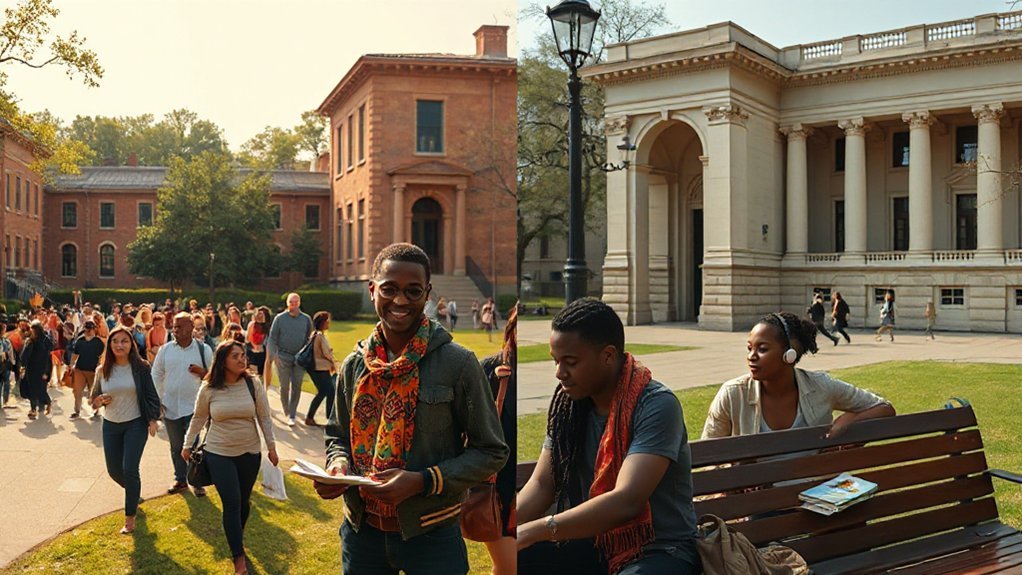
    Because where you step on campus matters, you’ll notice the crowd before you register for classes — who’s laughing on the bench, who’s selling flyers, who’s singing in the practice room — and it tells a story. You see who’s come from the neighborhood, who flew in from across the country, who’s balancing work and study, and that mix shapes daily rhythms. Walk the quad, smell coffee, hear accents, spot student org tables — you’ll get a feel fast. I’ll say it bluntly: demographics change routines, majors, food options, even late-night study spots. You pick a campus vibe, it picks you back. Imagine this diversity:

    Where you walk on campus tells a story — the mix of people shapes rhythms, majors, food, and late-night spots.

    1. Racial and ethnic makeup that sets the tone.
    2. Geographic origins, urban vs. rural energy.
    3. Age, veterans, commuting students — life stages visible.

    Sense of Belonging and Cultural Affirmation

    sense of belonging matters

    You notice the faces on the quad, then you start feeling the vibe — and that feeling either greets you like an old friend or makes you scan for the nearest exit. You stroll past flyers, hear a drumline, catch laughter that sounds like history and homework mixed. At an HBCU, nods feel like invitations, cultural touchstones pop up everywhere, and even your lunch choices whisper familiarity. At a PWI, you sometimes become the only voice in a room, so you gauge reactions, clip your slang, or teach a joke twice. Belonging shows up in small rituals, in who calls your name, in who knows your playlist. You crave that mirror, that safety, that quiet permission to be unabashedly you.

    Academic Programs, Advising, and Mentorship

    You’ll notice programs here can be deep and narrowly focused, or broad and experimental, so you’ll want to scan syllabi like a detective. I’ll point out how advising models differ — some advisors hand you a map, others walk the route with you — and you’ll hear about mentorship networks that feel like family or like a professional Rolodex. Read on, and we’ll compare course rigs, advising styles, and who’ll actually pick up the phone when you need help.

    Program Depth and Focus

    When I walked into my first advising meeting, I expected brochures and polite smiles; what I got was a roadmap and someone who actually remembered my name, which felt like finding an extra fry at the bottom of the bag—small, glorious, life-affirming. You learn fast that program depth isn’t about a flashy title, it’s about how deep you can go, hands-on, late nights in a lab, that one professor who gives you real feedback, the internship lead that smells like coffee and possibility. At HBCUs you might get tight, specialized tracks with mentorship baked in; at PWIs you’ll often find broad offerings, niche labs, and stacked resources. Envision this:

    1. Focused curriculum, apprenticeship vibe, professor who texts you deadlines.
    2. Wide catalog, research clusters, graduate labs humming at midnight.
    3. Hybrid paths, industry ties, capstones that make your portfolio sing.

    Advising Models Compared

    After talking about late-night labs and the professor who texts deadlines, let me tell you what really tells you where you’ll land: the advising model. You’ll notice the vibe the moment you walk into advising—desk cluttered with sticky notes, a smiling advisor who knows your major and your grandma’s name, or a cavernous office staffed like an airport check-in, blinking screens and appointment slots. At an HBCU, you’ll get holistic check-ins, caffeine-fueled chats, and a plan that fits you, not a template. At a PWI, advising can be efficient, buttoned-up, and transactional, which works if you like structure, less if you need nudges. Either way, learn to ask blunt questions, bring a calendar, and claim your seat at the table.

    Mentorship Networks Available

    If you like people who show up and actually remember your name, you’ll notice mentorship like a scent in the air the minute you cross campus—warm coffee, sticky notes, a professor leaning on a doorframe saying “tell me what you really want to do.” I say that because mentorship isn’t just a program on a brochure; it’s a wired network of folks who’ll read your draft at midnight, pull strings for internships, or yell “apply!” when you’re dithering — and how loud and personal that chorus is changes by campus. At HBCUs you get familial intensity, alumni who show up with casseroles and résumés. At PWIs you often get formal programs, glossy events, and useful but polite distance. Pick the vibe you want.

    1. Close-knit alumni mentors who text, visit, and bring food.
    2. Structured PWI programs with scheduled networking mixers.
    3. Peer mentorship circles that trade notes, tips, and late-night pep talks.

    Social Life, Traditions, and Student Activities

    Because college isn’t just classes and chai in your dorm, I’ll tell you straight: social life, traditions, and student activities are where a campus shows its personality. You’ll watch HBCU step shows thunder the quad, feel bass vibrate your chest, see alumni hug strangers like family — rituals that taste like history and fried chicken at homecoming. At a PWI, you’ll find diverse clubs, late-night improv, and campus festivals that mix new cultures, craft beers, and indie bands; you’ll try things, sometimes awkwardly, and laugh later. Both campuses throw late-night energy, club fairs, service days, and protest marches. You’ll join traditions that stick, learn rituals by doing, and leave with stories you tell at weddings, or just to make your friends jealous.

    Faculty Representation and Classroom Dynamics

    You’ll notice who’s at the front of the room, and trust me, that sight matters — a classroom full of faces that look like yours feels different than one where you’re the odd fit. I’ll point out how mentorship and visible role models change the vibe, how quick hallway pep-talks with a professor can stick with you, and how course examples that smell like your life keep you awake and asking questions. Let’s compare the rhythms — the warm, familiar cues that make learning feel like home, versus the occasional cultural static you’ve got to translate.

    Faculty Racial/Ethnic Makeup

    When I walk into a classroom at an HBCU, I almost expect the air to hum a little differently — warm, familiar, like someone just put a pot of coffee on the table — and that starts with who’s standing at the front. You notice faculty faces that mirror you, relatives of your neighborhood, professors who smell like markers and gumption. At a PWI, you might scan the room and do mental math, spotting a mismatch, a lone person of color, allies included. That shift alters tone, examples, even jokes, in ways you feel before you name them.

    1. Diverse faculty bodies, voices, accents — classroom feels like family dinner.
    2. Mainly white faculty, you translate lessons into your language.
    3. Mixed faculty, you get more perspectives, sometimes delightful friction.

    Mentorship and Role Models

    A mentor at an HBCU often looks like your aunt’s favorite cousin — familiar, blunt, and ridiculously proud — and that changes how you learn, plain and simple. You walk into office hours, they clap you on the back, they call you by a childhood nickname you didn’t know you had, and suddenly theory feels like advice, not a test. At PWIs, you’ll find brilliant mentors too, but you might search a little longer, send more emails, rehearse your questions. You notice role models who share your skin, your hair stories, your jokes, and that matters — it makes courage contagious. Mentorship here is hands-on, warm, direct; it’s critique with sugar, firmness with hugs, and pathways that feel reachable.

    Classroom Cultural Relevance

    Because who taught you matters, classroom vibes don’t just sit on the syllabus — they hum in the air, they smell like coffee and chalk, and they change how you lean in. You notice who’s up front, you catch the jokes, you read the examples, and you decide if this room is yours. At an HBCU you’ll often see faces that mirror your history, hear ancestry in lectures, and feel permission to speak loud. At a PWI you might search for a nod, adapt your examples, and teach people about you. Both rooms can sing, or they can echo.

    1. Professors who share your background, who nod, who call you by name.
    2. Curricula that include your stories, not footnotes.
    3. Classrooms where you’re invited to fix the syllabus, not just take the test.

    Career Services, Alumni Networks, and Internships

    If you want a job lead or a mentor who actually remembers your name, you’ll notice big differences between HBCU and PWI career systems right away — and I say that as someone who’s sat in too many awkward networking mixers clutching a paper cup of coffee. At an HBCU, you’ll feel alumni lean in, handshakes firm, voices saying, “Call me,” like they mean it; internships often come through personal ties, summer programs with room-and-board, boots-on-the-ground access. At a PWI, career fairs can feel corporate, polished, efficient — helpful, but less personal; you’ll chase online postings and automated replies. Either way, you’ll learn to network aloud, polish a resume until it shines, and practice a quick, memorable pitch that sticks.

    Safety, Resources, and Mental Health Support

    When you walk across campus at night, you notice things right away — the HBCU quad might hum with folks borrowing a flashlight and a laugh, while the PWI pathways often glow under neat lines of LED lights and security cameras, like a very polite spaceship. You pick up on vibe, and you care about help when stuff goes sideways. HBCUs often lean on tight-knit check-ins, profs who know your name, and community watch; PWIs invest in visible tech, patrols, and formal reporting. Both offer counseling, but access and trust differ. I’ll be blunt, neither is perfect, and you should ask about wait times and outreach.

    1. Night safety: people, porch lights, patrols.
    2. Resources: counseling centers, trainings, peer groups.
    3. Trust: who answers, who shows up.

    Financial Aid, Affordability, and Outcomes

    Okay, let’s talk money — the thing nobody wants to think about until the tuition bill shows up and you start texting your mom at 2 a.m. You’ll find HBCUs often pack scholarships, targeted grants, and alumni help, which can feel like a warm, hand-knit blanket when you’re freezing. PWIs might offer bigger endowments, more merit aid, and flashy aid calculators, but competition’s stiff, and the fine print stings. Visit financial aid offices, smell the coffee, ask hard questions, then compare net price calculators like you’re shopping shoes. Look at graduation rates, loan default stats, and job placements — outcomes matter more than sticker price. I promise, with patience and hustle, you’ll land a plan that doesn’t bankrupt your future.

    Conclusion

    You’ll feel the difference the moment you step on campus — warm handshakes, familiar laughter, or polite nods and quiet hallways. I’ll say it straight: HBCUs wrap you in cultural comfort, PWIs nudge you toward broader networks. Both get you to class, but the vibe changes how you learn, who mentors you, and where you belong. Don’t overthink it — pick the scene that fits you, even if you change your mind later.