
Forty percent of internships go to students who make one strong connection at a fair, and you can be that student. Picture the gym buzz, paper resumes rustling, you in a crisp outfit that nods to your culture, voice steady—now walk up, smile, and say, “Hi, I’m [Name], I’m curious about how you support early talent.” Ask one smart question, listen, swap a card, and leave them wanting more—you’ll want to know what to ask next.
Key Takeaways
- Research participating employers and prepare tailored questions highlighting company initiatives and how your skills fit their needs.
- Craft and rehearse a 30-second elevator pitch that states who you are, the role you want, and one relevant achievement.
- Bring several polished resumes, a portfolio link or USB, and dress confidently with one culturally meaningful accessory.
- Approach booths with a friendly greeting, mirror recruiter energy, ask role-specific success metrics, and listen actively.
- Follow up within 24–48 hours with a personalized email, resume PDF, portfolio links, and two proposed meeting times.
Preparing Your Mindset and Goals

If you’re nervous, that’s fine — it means you care, and that’s useful. You breathe in, feel the hallway hum, and tell yourself one clear goal: show up curious. I’ll say it plain, you don’t need to be perfect. Pick two strengths you’ll name out loud, rehearse them like a one-line joke, and keep your posture open — shoulders down, smile ready. Imagine the table, the folder’s crisp edge, the handshake that isn’t a claw. Decide your win: a contact, an interview, or learning one new thing. Plan tiny breaks, sip water, reset. Practice a 30-second pitch until it feels like a song you actually like. You’ll walk in steady, not stiff, and that confidence draws people in.
Researching Employers Beforehand

Before you hit the fair, peek at each company’s priorities so you know what they care about — mission, diversity goals, or product focus — and you won’t look like a deer in the recruiter headlights. Jot a quick role-requirements checklist, scan for recent news or initiatives, and imagine the conversation so you can name-drop a project without sounding like a stalker. I’ll say it plainly: come ready, confident, and a little clever, and you’ll turn a table walk into a real connection.
Target Company Priorities
Think of company research like a backstage pass — I want you to see the lights, smell the coffee, and know who’s tuning the guitars before you stroll onstage. I tell you to scan a company’s mission, recent wins, and diversity notes, then mark what actually excites you. Listen for priorities: growth, community impact, tech innovation, or talent development. Jot quick, usable lines: “expanded to X,” “launched Y,” “partners with HBCUs.” Picture yourself mentioning one of those wins at the booth, like dropping a compliment that isn’t creepy. That shows you did homework, not a Wikipedia skim. You’ll stand out when you match their language, ask sharp questions, and look like someone who’s already imagined working there. Confidence follows prep.
Role Requirements Checklist
Grab a pad, because the Role Requirements Checklist is your backstage call sheet — concise, practical, and a little bit theatrical. I tell you, list-making never smelled so much like opportunity. Scan job titles, required skills, years of experience, certifications, and software names; jot them down, loud and proud. Match those words to your resume bullets, tweak language, feel the fit. Note nonnegotiables — travel, remote days, security clearance — so you don’t smile through a dealbreaker. Imagine the recruiter’s voice, ask two tailored questions, practice them out loud, gritty and brief. Keep a “close-but-not-qualify” line for gaps, and a quick example that shows rapid learning. Fold this checklist into your prep rhythm, like a secret handshake.
Recent News and Initiatives
If you want to stand out, skim the news on a company like you’d scan a menu—fast, hungry, and with purpose. You’ll catch their new product, diversity push, or campus program, and that gives you instant talking points. Say, “I read your green internship launch,” instead of “Tell me about your company.” It sounds smarter, and it is.
- Note recent hires, partnerships, or DEI initiatives to ask about impact and next steps.
- Flag awards, product launches, or controversies so you can praise or pivot with confidence.
- Track local campus events or scholarships to connect your HBCU experience, with specifics.
I coach myself to glance headlines, set a 10-minute timer, and go—no overthinking, just sharp, human curiosity.
Crafting a Concise and Authentic Elevator Pitch
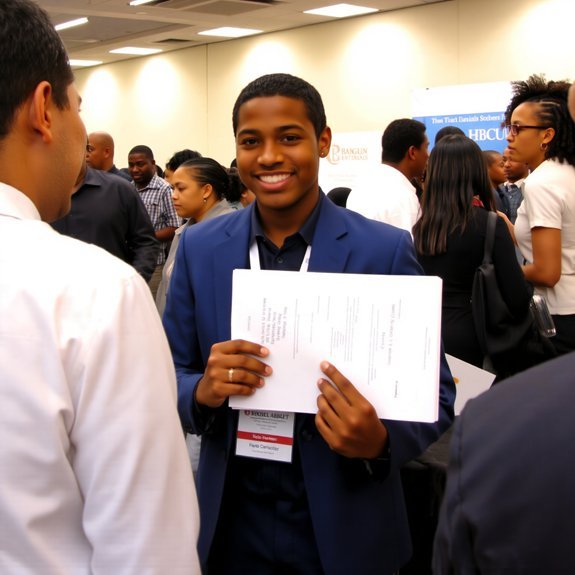
You’ve got about 30 seconds, so tell them who you are, what you want, and why it matters — clear personal brand first, no filler. Say the specific role you’re aiming for, name a skill or project that proves it, and let them picture you doing the job. Finish with a memorable closing line, something witty or bold that makes them smile and reach for your resume.
Clear Personal Brand
Confidence is a small, loud thing you wear into a room — it’s the smile that says “hey,” the steady handshake, the one line that makes a recruiter pause and lean in. You own a clear personal brand when your pitch smells like you: honest, sharp, and impossible to forget. Say who you are, what you do, and why it matters, in one breath. Don’t ramble. Don’t sell a version of yourself that needs editing later. Practice until it feels like breathing, then loosen up so it sounds human, not robotic. Picture the booth lights, the paper cup of coffee, the recruiter’s raised eyebrow — and give them a line that earns a nod.
- Lead with a vivid trait that separates you
- Show impact with one crisp example
- End with a curious question
Specific Role Goal
One clean sentence — not a soliloquy — can make a recruiter sit up, so aim for that. You’ll want a tight, specific role goal: say the job title, your top skill, and one result you’ll bring. Picture yourself at a noisy table, palm warm, voice steady, and you say, “I’m targeting software QA roles, I automate tests in Python, I cut release bugs by half.” That’s crisp, it smells like confidence, not arrogance. Don’t rattle off every accomplishment, pick what fits the role. Practice until it sounds natural, not robotic—try it while brushing your teeth, in the mirror, on the bus. Keep it under twenty seconds, vivid enough that they see you in the job, not just on paper.
Memorable Closing Line
- State one clear strength, with a quick example.
- Add a quirky line that shows personality.
- Finish with a simple next step.
Polishing Your Resume and Portfolio
Think of your resume and portfolio like your wardrobe for the job fair—neat, a little flashy, and smelling faintly of ambition; I’ll show you how to clean up the stains and add a pocket square. Start by trimming clutter, bulleting achievements, and ditching gym class references. I’ll read it aloud with you, like a terrible karaoke partner, catching awkward beats. Print crisp copies on heavier paper, slide a USB with your portfolio into a sleek sleeve, label files clearly, and test links until they sing. Include one tailored summary sentence per employer, one proud project with measurable results, and one quick visual—chart, mockup, or photo. Bring confidence, and a few extra resumes; recruiters love backups, and so do I.
Dressing the Part With Cultural Confidence
The outfit you pick says something before you even shake hands, so I want you to own that message—loud but tasteful. You’ll walk in knowing your look honors heritage and fits the room: tailored blazer, bold African-print pocket square, clean shoes that click with purpose. Smell of fresh thread, light shimmer on a cuff, confident posture — they notice.
- Choose one cultural piece as your headline, keep the rest classic, so you don’t compete with yourself.
- Press garments, polish shoes, test pockets for resumes and business cards, practice the quick smile in a mirror.
- Match colors to mood: warm tones for approachability, jewel tones for authority, neutrals to let your story speak.
I’ll cheer when you own it, and laugh at any wardrobe snafus.
Approaching Employers and Starting Conversations
You’ve got your outfit on point, that one cultural piece popping like a headline while everything else plays backup, so now walk up like you already belong. Plant your feet, breathe in the room — coffee, paper name tags, polite perfume — and smile like you mean it. Say hello, extend a steady hand, drop your name with a quick line: “I’m [Name], I study [Major], I’m excited about your work in [area].” Pause, listen, lean in a touch. Mirror energy, keep tone bright, don’t overshare. Offer your resume when they nod, ask a short follow-up, make a small joke if the vibe allows — I trip on my shoelaces a lot, so I use that. Exit with gratitude, a firm handshake, and a plan to follow up.
Asking Smart Questions That Showcase Fit
How do you turn a few minutes at a table into a convo that actually proves you belong? Picture the hum of the gym, the coffee steam, the recruiter’s badge glinting. You lean in, smile, and ask things that show you get the role and the culture. Don’t quiz them, invite them to tell a story.
Lean in, ask story-driven questions that show you get the role and culture—be curious, not rehearsed.
- What recent project taught this team the most, and how did they adapt?
- How does success here look day-to-day for someone from my background?
- What gaps are you hoping a new hire will fill in the first six months?
You’ll sound curious, not needy. You’ll show fit, not memorized lines. Say it naturally, nod, jot one detail, and let the conversation breathe—then watch them lean forward.
Collecting Contacts and Leaving a Memorable Impression
Nice question, nod, jot one detail, and you’ve got an open door — now let’s close it with style. You step forward, hand out a crisp résumé, smile like you mean it, and name-drop the fact you remembered their project. Grab a business card, scan their badge, or use your phone to snap a quick, polite photo of their booth — sensory proof. Say, “I loved that point about X,” then offer a memorable line about how you’d help, short and specific. Write notes on the card right away, one-sentence reminders. Trade contact info clearly, don’t fumble, and leave with a confident wave. Walk away satisfied, not awkward — you just made a real connection.
Following Up Strategically After the Fair
Once the fair lights dim and your pockets still smell faintly of coffee and hand sanitizer, don’t let those conversations die on your phone screen — follow up fast and with purpose. You’ll sit at your kitchen table, badge in one hand, notes in the other, and type like you mean it. Send crisp emails within 24–48 hours, remind them where you met, mention a detail that proves you listened, and attach your resume as a clean PDF. Be breezy, not needy. Ask one clear next step.
- Reinforce connection: reference a booth moment, project, or joke you shared.
- Provide value: link to a portfolio, article, or brief idea.
- Request a meet: propose two specific dates/times.
Follow up, and watch doors open.
Conclusion
You’ll walk in nervous and walk out practiced, because confidence happens to love coincidence—like spotting your dream recruiter while you’re practicing your pitch in the bathroom mirror. I’ll say this: stand tall, smile, and ask the smart question you’ve rehearsed; sound human, not robotic. Feel the fabric of your outfit, shake hands, breathe deep, hand over the resume, then follow up with a crisp note. Do that, and you’ll leave a mark.