
You’ll notice HBCUs are reshaping classrooms into labs, boardrooms, and greenhouses—hands-on AI projects hum beside solar arrays, professors broker internships like matchmakers, and alumni drop in with real job leads, not just pep talks. I’ll admit I’m a little smug about how practical this feels; you’ll smell solder and coffee, hear confident pitches, and watch résumés get sharped into tools employers actually want—and there’s more coming.
Key Takeaways
- HBCUs build STEM and AI-focused curricula with hands-on labs to develop practical, job-ready technical skills.
- Career centers create industry pipelines, paid internships, and mock interviews tailored to HBCU students.
- Programs emphasize entrepreneurship and innovation through bootcamps, cross-disciplinary teams, and MVP-focused experiences.
- Green energy and sustainability training offer certifications, lab apprenticeships, and industry-aligned projects.
- Data-driven evaluation uses alumni and employer feedback to continuously adapt curricula and short credential programs.
Strengthening STEM and AI-Focused Curricula
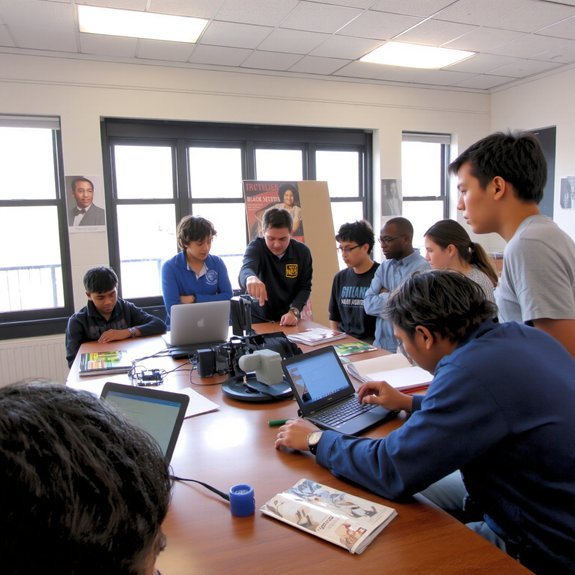
Even if you’ve never coded past a calculator app, you’ll laugh at how fast you’ll catch on here—I’m serious. You walk into labs that smell like coffee and solder, you tap a keyboard, and concepts click. I’ll show you loops with sticky notes, we’ll debug with snacks, and you’ll build models that actually predict things, not just spit numbers. Professors speak like coaches, hands-on, steady; classmates swap jokes and datasets, you’ll feel the rhythm. We break problems into bite-size tasks, then celebrate small wins—high-fives, quick brag texts, that satisfying “it runs” gasp. You won’t just learn theory, you’ll train instincts, sharpen tooling, and graduate ready to tackle real AI work, confident, curious, and surprisingly proud.
Expanding Industry Partnerships and Internship Pipelines
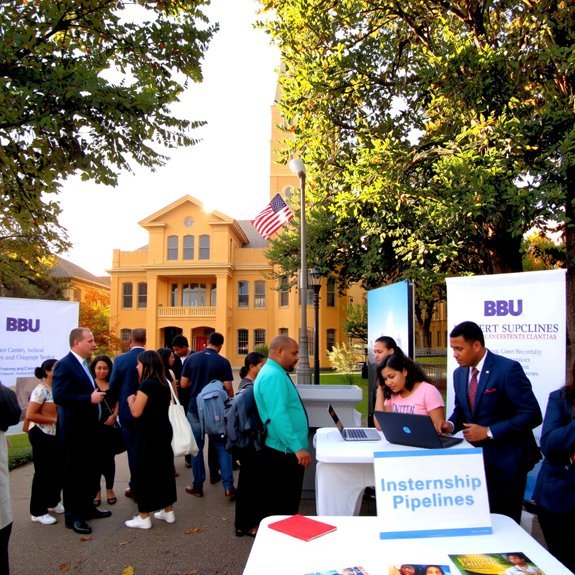
Envision this: I walk you into a room where recruiters hover by whiteboards, coffee steam curls like signal smoke, and somebody’s laptop plays a slick demo—fast, real, kinda loud. You see career centers hustling, faculty shaking hands with hiring managers, and students trading résumés like prized baseball cards. I point out curated pipelines, paid internships, co-ops that actually pay rent, and mentorships where pros give tough love, not corporate fluff. You hear feedback loops—skills mapped to job specs, syllabi tweaked overnight, and alumni opening doors because they remember a professor who cared. I nudge you toward apprenticeship models, industry-led projects, and mock interviews that sting—in the best way. You leave thinking: real pathways, fewer guesswork moments, more launchpads.
Embedding Entrepreneurial and Innovation Programs
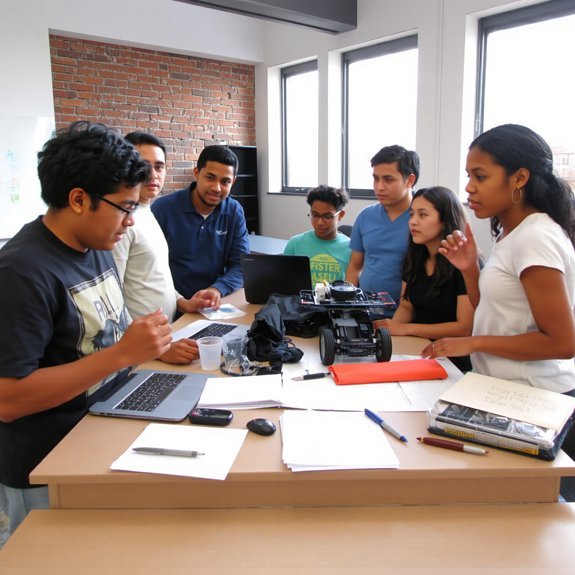
When I walk into these HBCU labs and garages, you smell solder and strong coffee, you hear students arguing over a prototype like it’s game seven, and you can practically feel new ideas jangling in their pockets. I watch you join a pop-up pitch night, then grin as a student flips a soldering iron like a magic wand. You’ll get hands-on bootcamps, mentor office hours, and failure-friendly demo days that teach grit, not just grades. You’ll learn to write lean plans, build MVPs, and hustle politely for seed funding. I’ll nudge you into cross-disciplinary teams—engineers with poets, coders with marketers—because weird mixes make gold. It’s practical, playful, and unapologetically ambitious.
Integrating Green Energy and Sustainability Training
You’ll want curriculum-aligned green certifications on your transcript, so I’ll show you how they map to real jobs — think solar installer badges that actually open doors. Picture students in a campus renewable energy lab, hands greasy with wire, smelling hot solder, running panels and learning by doing; it’s noisy, bright, and utterly necessary. Then we’ll pull in industry partners for apprenticeships, short-term pay, long-term careers, and the kind of connections that beat a lecture every time.
Curriculum-Aligned Green Certifications
Because the climate crisis isn’t waiting, I’m pushing HBCU classrooms to double as green-workshops where you can actually touch, test, and tinker with the future—solar panels hum under your fingertips, wind-turbine models creak in the workshop, and recyclables get a second life on your bench. You’ll earn certifications that map directly to job listings, not vague badges that collect dust. I make courses line up with industry exams, so you study, practice, and pass, often during a single semester. Expect hands-on labs, timed mock assessments, and guest pros who break jargon into plain English. You’ll leave with certificates, a portfolio, and stories that land interviews. No fluff, just market-ready skills, confidence, and a little well-earned swagger.
Campus Renewable Energy Labs
You’ve earned the certifications, stacked the portfolio, and probably bragged a little to whoever’d listen — now let’s put those skills to work where the roof, the lab bench, and the wind feel the same breeze. I walk you onto campus roofs, we smell warm panels, hear inverters hum, and we touch cold turbine bolts. You’ll wire arrays, log real-time output, and debug sensors with a coffee-stained manual and a grin. Labs mimic microgrids, with battery racks you can actually heft, soil plots for bioenergy, and weather stations that argue with forecasts. You get hands-on troubleshooting, sustainability plans, and grant-writing practice—yes, real paperwork, the glamorous kind. You leave knowing how systems behave, not just what a diagram claims.
Industry Partnerships for Apprenticeships
When I stroll into a manufacturing floor or a rooftop install with you, I’m not doing a tour — I’m matchmaking. I point out bolts, panels, humming inverters, you squint, you nod, and I already hear your future boss saying, “When can you start?” You get apprenticeships co-created with local firms, where you learn tools, trace circuits, log emissions, and earn paychecks, not just credits. I broker real-world projects, contracts that fund your tuition, and mentors who text back at midnight. You’ll swap lab bench stories for site-sweat credibility, graduate with a toolbox and a LinkedIn endorsement that matters. It’s practical, bold, and yes, sometimes chaotic — but it’s how you step into paid green work, ready.
Building Career Services That Center Cultural Competence
If we want career centers that actually work for HBCU students, we’ve got to stop acting like one-size-fits-all advice will cut it—because it won’t. You’ll build services that listen first, then act: spaces that smell faintly of coffee, walls dotted with student art, staff who actually know your story. You want practical coaching, not generic pep talks. Start small, then scale.
- Train advisors in cultural humility and industry-specific language, so conversations land.
- Create mock interviews that reflect real workplaces, including microaggressions practice.
- Offer resume help that honors community work and nontraditional paths.
- Run employer briefings to set expectations and reduce biased screening.
I say this like a friend, I mean it like a planner, and yes, we’ll fix it together.
Leveraging Alumni Networks for Mentorship and Placement
Three things make alumni magic work: relationships, reciprocity, and relentless follow-through. You tap a grad on LinkedIn, feel that tiny thrill—then you message with purpose, not fluff. I’ll show you how to turn that ping into a packed résumé review, a mock interview that actually stings (in a helpful way), and a referral that lands you an intro call. Picture an alum pouring coffee, telling a war story, then sliding a job lead across the table; you taste the roast, you jot the name. Set micro-commitments: 20-minute chats, targeted feedback, referral windows. Track outcomes, celebrate matches, nudge gently. Alumni want impact, not handouts. You give clarity, they give access, and together you build a pipeline that hums.
Scaling Digital Infrastructure and Hybrid Learning Models
You saw how alumni hand out real-world shortcuts—now picture scaling that same human spark across servers and classrooms, not just coffee shops. You’ll want reliable Wi‑Fi that feels invisible, cameras that catch gestures, and platforms that make group work feel like hanging out, not homework. I lean into the tech, you test it live, we iterate fast.
- Upgrade campus networks, prioritize low-latency access, and map black spots.
- Blend in-person labs with synchronous livestreams, keep cameras at eye level.
- Train faculty on hybrid pedagogy, run mock classes, cheer for small wins.
- Provide loaner devices, quiet study pods, and on-call IT tutors who actually answer.
You get a seamless mix of human warmth and scalable systems, ready for real work.
Measuring Outcomes and Adapting to Labor Market Signals
Because the future of work shifts under our feet like a DJ changing records, we’ve got to measure what matters and move fast when the beat drops. You’ll track employment rates, wage growth, and skill-use on the job, like checking the scoreboard after a big play. I’ll nudge you to pair alumni surveys with real-time labor data, scrape job postings, and listen to employer feedback — yes, actually listen. You’ll pilot short credential programs, watch hiring patterns, tweak curriculum, then run it again. Picture dashboards glowing at midnight, coffee in hand, numbers telling stories. You’ll celebrate wins, cut what flops, and tell students plainly what skills pay bills. Adaptation’s messy, but you’ll get slick at dancing with data.
Conclusion
You’re stepping into work-ready training that feels like a toolbox humming with possibility, and I’m here to cheer you on. You’ll build skills in labs, pitch ideas in rooms that smell like coffee and courage, and land internships that actually matter. I watch alumni open doors, faculty tweak classes, and recruiters lean in — so you don’t wander, you sprint. Trust the process, grab the chance, and let curiosity steer your next move.