
Did you know about 30% of HBCU students now take at least one online course? You’ll get flexible schedules, real professors who actually know your name, and course pages full of videos, quizzes, and pulse-quick discussion boards — I’ll show you how they fit together, how admissions and aid work, and where the career help hides. Imagine logging on after kids’ bedtime, coffee cooling, syllabus open — stick with me, there’s a neat twist coming.
Key Takeaways
- HBCU online programs offer accredited bachelor’s, master’s, certificates, and microcredentials tailored for working adults and nontraditional students.
- Courses are delivered synchronously, asynchronously, or hybrid, using LMS tools, recorded lectures, discussion boards, and collaboration platforms.
- Admissions require transcripts, possible test scores, and personal statements, with advising calls guiding course selection and enrollment steps.
- Student support includes one-on-one virtual advising, remote tech help, cohort communities, career services, and childcare/employer-friendly scheduling.
- Financial aid options include FAFSA, institutional grants, HBCU-specific scholarships, employer tuition benefits, and clear net-price information.
History and Mission Behind HBCU Online Offerings
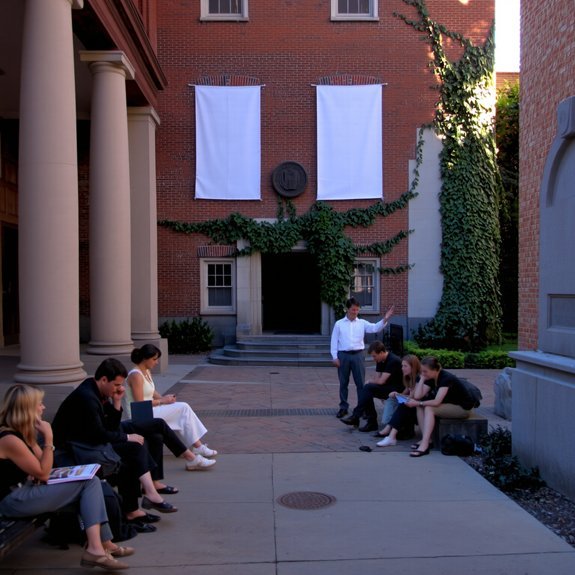
If you look back a little, you’ll see HBCUs weren’t built as trendy alternatives — they were lifelines, carved out of determination and late-night study sessions by people who weren’t invited to the table. You’ll feel that grit in online classrooms now, where mission meets modem. I point to libraries that smelled like coffee and chalk; you picture students pacing, notes in hand, steady as march drums. HBCUs moved online to widen that circle, to hold culture, mentorship, and access in digital rooms that still hum with warmth. You get faculty who know your name, networks that open doors, and curricula rooted in community responsibility. It’s practical idealism, served with a wink, and it’s unapologetically essential.
Types of Online Degrees and Certificates Available

You’ll find a range of online paths at HBCUs, from undergraduate degrees that get you started, to graduate and doctoral programs that push you deeper, and tidy professional certificates and microcredentials for quick skill boosts. I’ll walk you through what each one looks like—picture clickable syllabi, late-night study snacks, and advisors who actually answer the phone. Stick with me, and you’ll know which route fits your life, budget, and stubborn sense of purpose.
Undergraduate Online Degrees
When you scan an HBCU’s online catalog, a clear menu pops up: bachelor’s degrees, associate degrees, and short-term certificates—each built to fit real life, not just campus life. You’ll find bachelor tracks in business, education, nursing, and tech, laid out like a playlist you can reorder. Pick courses, click into recorded lectures, join a lively discussion forum, and submit projects from your kitchen table. Associate programs get you job-ready faster; certificates fill gaps fast, think data skills or grant writing. You’ll save commute time, gain hands-on labs via simulations, and still get advising that actually calls you back. I’ll point out transfer paths, credit-for-work options, and clear next steps—no academic fog, just a map.
Graduate and Doctoral Programs
Because grad and doctoral programs move at a different pace, I’ll tell you up front what that looks like online: intense focus, fewer general ed wedges, and cohorts that act like study squads. You’ll sign up for targeted seminars, seminars that feel like lab sessions, and thesis work that’s part detective novel, part puzzle. Expect synchronous explorations, office-hour marathons, and reading lists that make your coffee drip faster. You’ll collaborate on research, present in virtual rooms, and defend ideas to people who actually care. The degrees tilt practical and scholarly—master’s in policy, MBA, MS, and PhD tracks that dig into methods. You’ll get faculty mentorship, archival access, and networking that clicks — dusty journals to live Zoom debates, from quiet nights to breakthrough mornings.
Professional Certificates and Microcredentials
If you want to pick up a real-world skill without committing to a full degree, professional certificates and microcredentials at HBCUs are the fast lane—short, focused, and built to make your résumé hum. You’ll jump into hands-on modules, click through crisp videos, and try real tools right away, no fluff. I’ll call out what matters: stackable credits, industry badges, and instructors who’ve actually done the work. You finish faster, feel smarter, and can show concrete projects — a portfolio piece, a capstone demo, or a badge you can brag about on LinkedIn. Think sprint, not marathon. You’ll balance work, family, and learning, laugh at my bad jokes, and walk away with something you can use tomorrow.
Accreditation and Quality Assurance for Virtual Programs
You’re about to plunge into accreditation — not the snooze-fest you’re imagining, I promise — because I’ve seen too many students sign up for virtual classes that look great on paper but feel like a bait-and-switch once you log in; accreditation is the stamp that tells you the course actually teaches what it claims, that credits will transfer, and that employers won’t laugh at your diploma. I’ll walk you through what matters: regional versus national seals, program-specific accrediting bodies, and quality assurance practices like learning outcomes, regular reviews, and student feedback loops. Look for clear syllabi, proctored exams, live instructor time, and data on completion rates. Ask for tech support demos, sample lectures, and alumni contact info — squeeze the program, don’t just sign.
Admissions and Enrollment Processes for Online Learners
You’ll want to know exactly what documents and tests schools ask for, so I’ll walk you through the usual application requirements—transcripts, test scores or waivers, personal statements, and any program-specific materials—no surprises. Then we’ll map the enrollment steps, from submitting your application and accepting an offer, to orientation, tech checks, and registering for classes, so you can picture each click and email like checkpoints on a race. I’ll keep it practical, a little cheeky, and totally usable, because paperwork shouldn’t make your brain melt.
Application Requirements
One clear thing: applying to an HBCU’s online program isn’t a treasure hunt, it’s more like packing for a trip — a little planning, a few checked boxes, and you’re good to go. You’ll need transcripts, test scores if required, a completed application form, and usually a short personal statement that says who you are, not a novel. You’ll upload ID, residency documents, and sometimes a resume — think neat folder, not junk drawer. Some programs want recommendations, others don’t; check the checklist, don’t assume. Pay the fee, or ask about waivers if money’s tight — I’ve forgotten fees before, learned the hard way. Submit before deadlines, breathe, then wait for that satisfying “accepted” ping.
Enrollment Steps
If you plan ahead, enrollment will feel less like bureaucracy and more like checking items off a satisfying to-do list — I promise. You’ll log into the portal, squint at your screen, then breathe when the checklist appears. I tell you what to upload, you snap photos of transcripts, test scores, and IDs, then you hit submit like it’s a tiny victory. Next, you pick a start term, choose courses, and confirm tuition plans — yes, online payment portals can be oddly fun. Advising calls follow, where a real person helps you map classes, and you’ll set up tech access, download apps, and test your webcam with dramatic flair. Finish orientation, and you’re officially enrolled. Simple, really.
Course Delivery Methods: Synchronous, Asynchronous, and Hybrid
When classes shift online, they don’t all look the same—some feel like live TV, others like a late-night study session you binge at 2 a.m., and a few are a clever mix of both. You watch synchronous sessions in real time, ask questions, nod, maybe pretend your camera works while you snack, and feel class energy—fast, loud, immediate. Asynchronous lessons let you pause, rewind, do homework at dawn, noon, or midnight, and build your own rhythm; you own the pace, but you also must own the calendar. Hybrid courses split the difference: some weeks you’re live, other weeks you log on solo. You’ll choose what fits your life, your job, your sleep schedule, and yes, your coffee habit.
Technology Platforms and Digital Learning Tools Used
Because you’re not just watching lectures anymore, you’ll see a whole toolbox of platforms and apps humming behind the scenes—LMSs like Blackboard or Canvas that keep your syllabus and grades in one place, video tools like Zoom or Panopto that capture the sweaty-palm thrill of a live discussion, and collaboration apps like Slack, Google Workspace, or Microsoft Teams where group projects either flourish or spectacularly combust. I’ll point out which tools actually matter. You’ll use discussion boards, quizzes, and embedded readings inside the LMS, click into recorded lectures, and annotate PDFs like a digital highlighter addict. You’ll upload assignments, get rubrics, and peek at analytics that tell you when you slacked off. Sometimes tech misbehaves, you curse, then learn a shortcut and feel smug.
Student Services Adapted for Remote Learners
You’ll get one-on-one academic advising over video, where your advisor maps out courses, checks your progress, and can even wave at you through the screen when you forget a deadline — I promise they care more than my houseplant does. When your laptop throws a tantrum, remote tech support hops on with screen-share, clear instructions, and the kind of patience I lack on Monday mornings. Stick with these services, and you won’t feel like an island; you’ll feel like a well-fed, slightly nerdy outpost with great Wi‑Fi.
Virtual Academic Advising
Even if you’re lounging in sweatpants with a snack-strewn desk, virtual advising can feel like a real human conversation — I promise. You set up a Zoom, I pull up your degree audit, we click through courses together, you point at a syllabus on your screen like it’s a treasure map. I ask, “What lights you up?” You shrug, then name two classes, suddenly animated. We plan a semester, slot in a capstone, flag deadlines, and yes, laugh about bad wifi. I send follow-up notes, calendar invites, and a short checklist you actually read. You can text questions, hop into drop-in hours, or book long chats. This isn’t robotics, it’s coaching, tailored, warm, practical, and slightly sarcastic.
Remote Tech Support
If your laptop decides to die five minutes before a live class, don’t panic — call, chat, or summon our remote tech squad like you’re ordering emergency pizza. I’m saying this because you’ll need fast hands, calm breath, and someone who actually knows what “clear your cache” means. You’ll tap a help button, send a screenshot, and hear a friendly voice say, “I’ve got you,” while they walk you through reboot rituals, hotspot voodoo, and mic checks. You’ll smell coffee, nod, and follow steps, watching icons flicker back to life. We’ll remote in, fix broken links, and recommend backup devices, with jokes about ancient chargers. You’ll finish class intact, relieved, and slightly impressed.
Support for Working Adults and Nontraditional Students
Since work, family, and life don’t pause for a semester, I’m going to be blunt: HBCU online programs bend over backwards to fit you in, not the other way around. I’ve seen evening discussion boards that feel like a neighborhood hangout, real-time advisement calls that sound like a friend with a plan, and deadline extensions that come with a “you got this” voicemail. You’ll get customized schedules, competency-based options, and clear milestones, plus tutors who explain concepts like they’re telling a story. Childcare referrals, employer-friendly timelines, and cohort groups keep you steady. You still juggle, but you’ll juggle with a safety net — warm, practical, and designed for adults who’ve got a life beyond class.
Financial Aid, Scholarships, and Affordability Options
When money’s the loudest voice in the room, I’m going to talk back — plainly, and with receipts. You’re juggling bills, classes, maybe a kiddo on your hip, and I’ll help you cut through sticker shock. Look for federal aid, compare net price calculators, and scan HBCU-specific scholarships that honor legacy, community service, or underserved backgrounds. Ask financial aid officers blunt questions, then take notes like you’re prepping cross-examination.
- Fill FAFSA early, set reminders, don’t dawdle.
- Hunt institutional grants, they don’t need repayment.
- Apply for external scholarships, niche ones add up.
- Consider payment plans and employer tuition benefits, read the fine print.
I’ll keep nudging you toward options that actually lower your final bill.
Industry Partnerships, Internships, and Career Placement
You’ve wrestled the money monster into something manageable, now let’s talk about how school actually connects you to work — real offices, real projects, real paychecks. You’ll find HBCU online programs braiding classroom work with partner firms, tech labs, and nonprofits; you click submit, then show up for a virtual kickoff with a mentor who actually remembers your name. Expect curated internships, short gigs, and co-op rotations that put your code, designs, or reports into production, not a dusty folder. Career centers hustle — resume clinics, mock interviews, job fairs with recruiters who value your background. You’ll get placement tracking, salary data, and alumni referrals; I’ll bet one coffee interview turns into a paid pilot. You get experience, employers get talent.
Conclusion
You’ll nod, then blink—because these online HBCU options feel like finding an old friend in a coffee shop, same warmth, new Wi‑Fi. You’ll log on, hear a professor joke, smell your coffee, and realize career help, tech support, and tight classes are all within reach. I’ll say it plain: you get flexible schedules, real connections, and market-ready skills. Take one course, and suddenly opportunity sits next to you, smiling, ready to work.