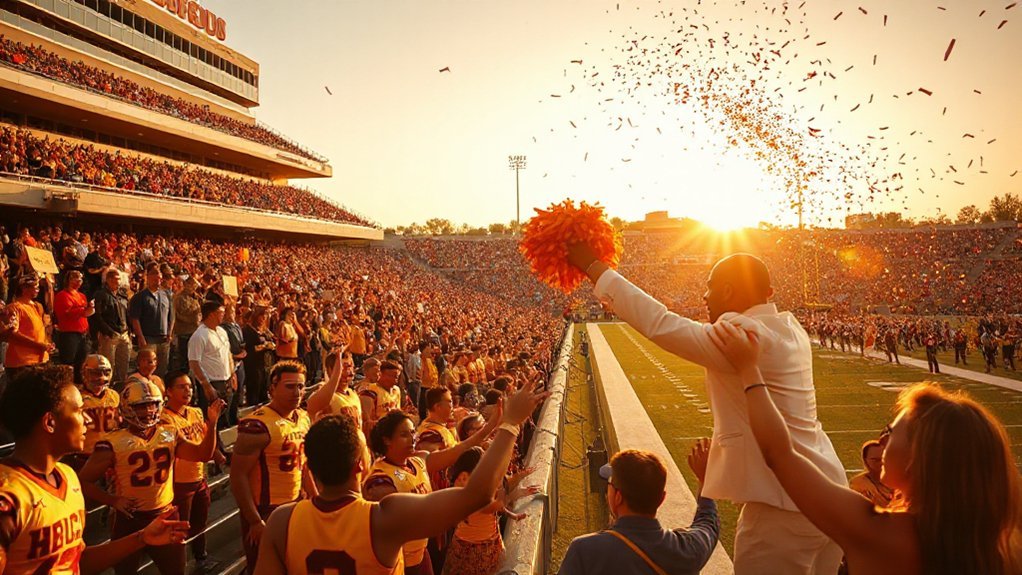
You show up early, smell the grill smoke and hear a drumline rolling down the street, and I’ll bet you grin without meaning to. You trade stories with alumni who taught your parents, high-five students wearing bandanas you can’t pronounce, and watch bands carve the field into a bright, loud story—sass, choreography, and brass. It’s noisy, sticky, electric, and somehow like coming home; stick around, I’ll tell you why it matters.
Key Takeaways
- Classic games unite alumni, students, and community through shared rituals like tailgating, reunions, and multigenerational storytelling.
- Halftime marching band performances showcase cultural pride and create emotional, communal highlights that connect past and present.
- Tailgating transforms parking lots into social hubs, fostering food-sharing, friendly competitions, and intergenerational bonding.
- Economic activity from classics supports local businesses, scholarships, and campus initiatives, strengthening institutional sustainability and visibility.
- Media coverage and archived stories amplify legends and preserve collective memory, while careful storytelling maintains historical authenticity.
The History and Roots of HBCU Classic Football Games
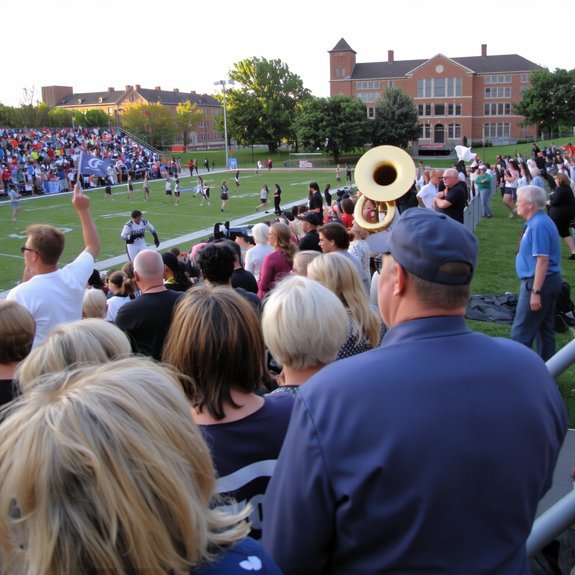
If you’ve ever stood in a stadium full of brass bands, smelled spiced tailgate smoke, and felt that drumline hit you in the chest, then you already know why HBCU classics aren’t just games — they’re cultural thunderclaps. You step into history when you enter, because these classics grew from community pride, post-war optimism, and the need for Black institutions to carve joyful space. You’ll hear alumni brag, exchange stories, and see rivalries dressed like pageants, all rooted in decades of resilience. I’ll admit, I sometimes get misty watching the pageantry, and yes, I cheer louder than seems polite. These games preserved Black traditions, launched musicians and leaders, and stitched campuses to cities. You walk away changed, humming a marching cadence.
Tailgating Traditions That Build Community
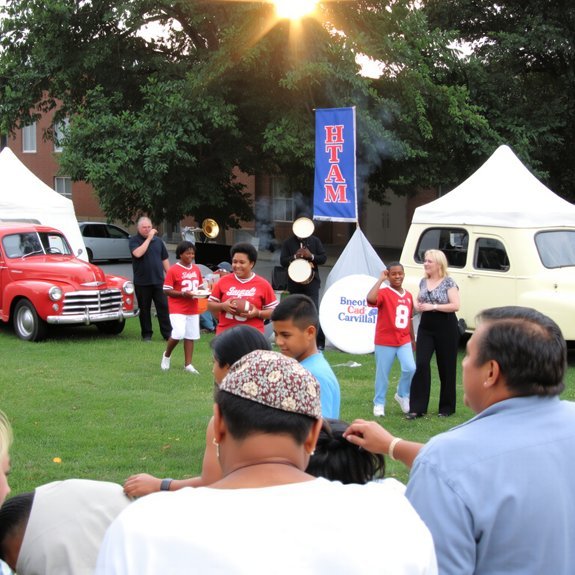
When the sun hits the parking lot and the grills start to whisper, you know tailgating at an HBCU classic isn’t a warm-up — it’s the main event, and I’m not exaggerating (much). You wander past coolers, the smell of spice and smoke, and someone hands you a plate like you belong. You chat, you hug, you trade stories about teachers and old games, and laughter folds into the heat. Kids chase foam footballs, elders sit shaded, nodding like chiefs of good judgment. You toss a cornhole bag, sip sweet tea, and feel the crowd tighten into kin. You learn recipes, join chants, swap shirts, and suddenly rivals feel familiar. It’s messy, loud, generous — community cooked over charcoal.
Marching Bands and Halftime Shows as Cultural Pillars
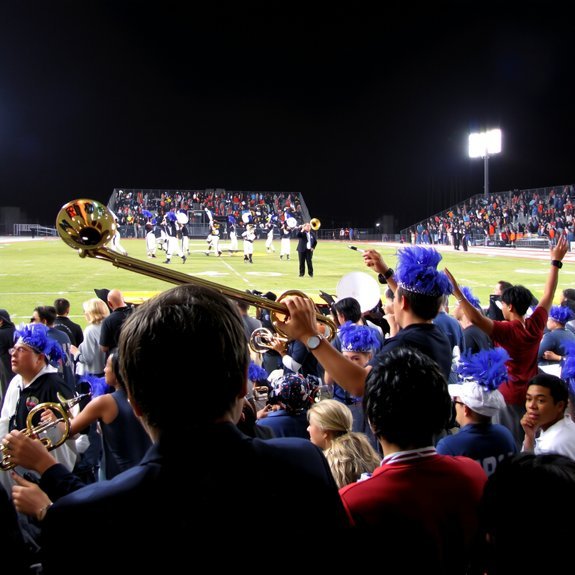
You watch the drum major slice the air with a silver baton, the brass answering like sunshine, and you can’t help grinning—this is showmanship and tradition turned loud and proud. You feel the crowd tighten around the rhythms, scarves rustling, breath visible on a cool night, because these halftime shows stitch together community and identity in real time. I’ll say it plainly: if football is the heartbeat, the band is the voice, and you’re invited to sing along.
Showmanship and Tradition
Because the band doesn’t just play music, it stages a takeover—I’m serious, it’s a full-on theatrical coup that happens right on the grass. You watch trumpets flash, drums thunder, and uniforms slice the sky; you feel the bass in your ribs, popcorn crumbs vibrating on your tongue. I narrate the choreography, call out the sudden formations, and you laugh when the drumline spins like they’re auditioning for space travel. Halftime’s a tightrope: precision, flash, and a wink. The crowd gasps, claps, then roars, because showmanship sells the moment and tradition names it. You learn cues by watching, memorize rhythms by heart, and leave humming a cadence you didn’t know you needed. It’s theater, ritual, and pure, confident joy.
Community and Identity
I love the halftime spectacle, but it’s the people behind the drum cadences and choreographed kicks who make it matter, and I’m going to prove it without getting maudlin. You stand in the crowd, wind cold, breath visible, and the band hits a rimshot that makes your chest jump; you grin, because that beat belongs to your neighborhood, your aunt, maybe your old marching teacher. You smell pomade and fried food, see sequins flashing, hear brass arguing with tambo. Kids practice in parking lots, elders clap in the stands, alumni trade stories like trophies. The show isn’t just noise, it’s identity, it’s community rehearsal. You feel seen, proud, hilarious even when you can’t keep tempo. That’s how HBCUs hold you together.
Alumni Reunions and Intergenerational Connections
When alumni flood the tailgate, I duck under a banner that smells like popcorn and old school pride, and I watch generations collide like slow-motion tackles — awkward, loud, and oddly beautiful. You grab a paper plate, I nudge past an aunt who still calls the coach “son,” and we trade war stories that sound better with each telling. You hear band drums, see kids in tiny jerseys running between folding chairs, and feel a grandfather’s hand pat your shoulder like a flag plant. I crack a joke, you laugh, someone corrects the score from ’92. We swap yearbook gossip, recipes, and advice — wisdom handed down amid barbecue smoke and trumpet blasts — and you realize belonging is loud, messy, and delicious.
Economic Impact on Campuses and Surrounding Communities
If you’ve ever stood in the parking lot as the crowd spills out, you’ve felt the money move — not like a distant, boring spreadsheet, but like the bass drum vibrating through your chest. You watch tailgates turn into pop-up markets, old friends bargain over barbecue, and vendors make change with practiced hands. Your campus hums: hotels book out, taxis run, and campus cafes sell out of coffee. You see construction crews taking mental notes, local shops advertising themed specials, and students picking up extra shifts. The game pumps cash into payrolls, permits, and parking fees, then circulates it through neighborhoods. It’s not charity, it’s commerce with soul — and you, lucky spectator, get to enjoy the ripple.
Recruitment, Visibility, and Institutional Branding
Because big games put more than players on the field, they fling your school’s name into neighborhood bars, national feeds, and the quiet living rooms of future students, and that matters — a lot. You see jerseys on strangers, hear your fight song at a tailgate, and watch a campus tour video go viral. That buzz pulls prospects, and you get to show who you really are — classrooms, culture, cuisine. Recruiters smile, point, and say, “This is different,” while applicants picture themselves in those moments. Branding isn’t fluff, it’s smell, sound, sight: the steam from a food truck, the band drumming under lights, alumni chanting your colors. Use it. Capture it. Tell the story, loudly and honestly.
Fundraising, Scholarships, and Philanthropic Momentum
You’ll see the marching band, smell the barbecue, and then I’ll nudge you to pull out your wallet—game-day fundraising turns that electric crowd into scholarships overnight. I’ll tell you one story: a freshman who got a tuition lift from a halftime push, now leading campus tours with a grin that says, “yeah, that was me.” Stick around, I’ll show how small donations stack into big opportunities, and we’ll laugh at my awkward attempts to rhyme “scholarship” with “hip.”
Game-Day Fundraising Efforts
When the band hits the first brass note and the tailgate smoke curls into the autumn air, I’m reminded that game day isn’t just about touchdowns — it’s about money changing hands for something bigger than the scoreboard. You step into a living fundraiser, you toss a dollar in a bucket, and you watch tradition turn into tangible support. I joke, I cheer, I nag relatives into donating — it works.
- Alumni manning a grill, selling plates, and swapping stories, cash stacked in a cooler.
- A pop-up auction, phones buzzing, fans bidding on jerseys, minutes ticking, hearts racing.
- Donation booths with friendly faces, paper pledge forms, digital taps, and candid gratitude.
Scholarship Impact Stories
If you’ve ever stood on the sideline and felt the rush of a scholarship check clear a kid’s future, you know this isn’t charity theater — it’s life changing, loud and honest. You see a kid fold their hands, swallow, grin like they just caught the winning pass. I watch, I cheer, I pass a tissue. You feel the weight of donors’ applause, hear the clink of plates at the tailgate turned fundraiser, smell barbecue and new textbooks. You talk to moms, they cry; you trade a joke, they laugh. Those scholarships aren’t numbers, they’re dorm keys and late-night ramen, internships and quieter sleep. You give, you get invited to graduation. You leave fuller, humbled, already planning next season’s play.
Rivalries, Sportsmanship, and Campus Identity
Because rivalries live loud and close on HBCU campuses, you feel them before you see them — in the drumbeat that hums underfoot, the clash of colors down the walkways, the scent of grill smoke and cologne mixing in the tailgate air. You walk in, you grin, you know who’s who by the chant. You cheer hard, you tease, but you also help an opponent up after a tumble, because pride needs balance.
- A brass band riffs, you tap your foot, someone hands you a paper plate, it’s genius.
- Students trade jabs, alumni swap stories, friendships sneak in between boos.
- Players nod at each other, coaches clasp hands, the crowd breathes as one.
You leave wearing someone else’s foam finger, and you’re fine with it.
Media Coverage, Storytelling, and Preserving Legacy
Though you might think the cameras and hot takes own the story, I’ll tell it like I see it: media doesn’t just report HBCU classic games, it shapes how they’re remembered, amplified, and occasionally misread. You watch broadcasters paint halftime scenes with slow-motion confetti, you hear commentators stitch player backstories into legends, and you feel the crowd through a radio host’s raspy laugh. You’ll notice some outlets flatten nuance for clicks, others dig for truth, and you learn to trust the ones that stay. You bring your phone, I bring skepticism. Together we archive chants, photograph jerseys, and share oral histories with grandma’s side-eye. Storytelling keeps legacies breathing, so you protect them, correct mistakes, and pass the real tales on.
Conclusion
You walk into a parking lot smelling like grilled onions and new pom-poms, and I promise you’ll feel both the quiet of classrooms and the roar of history. One minute you’re swapping old stories with an alum who remembers black-and-white photos, the next you’re dancing under brass and fireworks. It’s loud and tender, messy and proud — like family. So come, cheer, give, remember; these classics keep our roots alive, stubborn and bright.