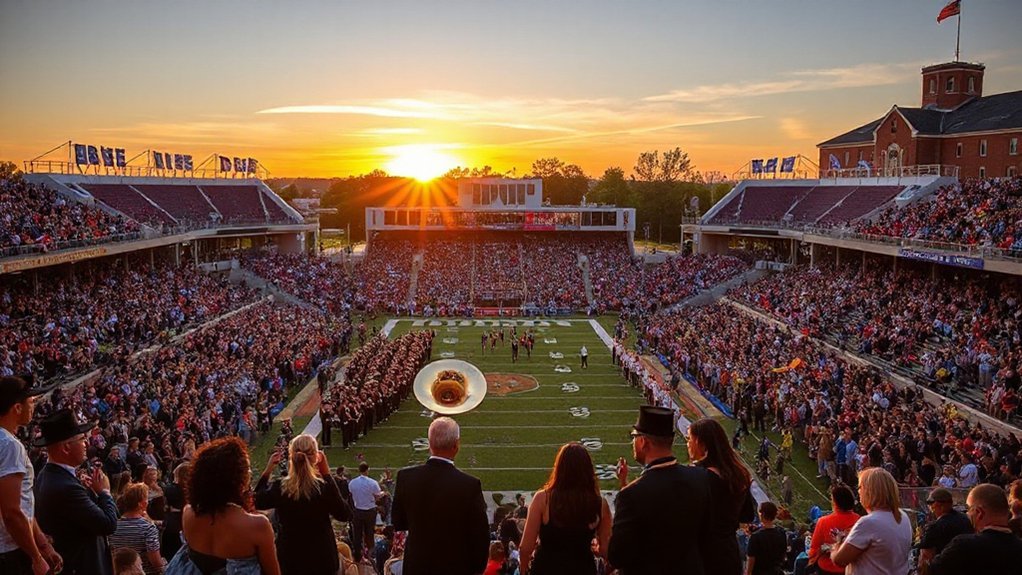
Tag: college traditions

  • What Makes HBCU Homecoming Different From Any Other College

    What Makes HBCU Homecoming Different From Any Other College

    You walk onto campus and the air snaps—brass and bass, perfume and barbecue, laughter braided with old songs you half-remember; you’re hugged by folks who call you “baby” and corrected by elders who still steal the show. I’ll say it plain: HBCU homecoming isn’t just a game or a party, it’s a family reunion, a fashion runway, a history lesson, and a church service all rolled into one—so stick around, because what happens next will make you understand why people plan their whole year around this weekend.

    Key Takeaways

    • Deep multigenerational reunions connect alumni, families, and students through shared rituals, stories, and legacy.
    • Pageantry and step shows fuse history, choreography, and storytelling in highly theatrical, communal performances.
    • Bold, heritage-driven fashion and accessories express lineage, identity, and community pride.
    • Local vendors, alumni donations, and event spending visibly sustain scholarships, murals, and community institutions.
    • Homecoming preserves and reanimates institutional memory through food, music, oral histories, and campus rituals.

    Roots of Resilience and Historical Significance

    celebration of inherited resilience

    Because these homecomings grew out of survival, not just celebration, you’ll feel history under your feet the moment you step on campus—like a low drumbeat in your chest. You walk past brick buildings, banners snapping, and you know those walls witnessed courage, late-night study sessions by lantern, and whispered plans for freedom. You smell coffee, fried pies, and old books, and you grin because this mix tastes like stubborn joy. I point out plaques, point to a statue, joke about my terrible directions, and you laugh, because you’re already part of the story. Bands rehearse, alumni hug, students rehearse speeches, and elders nod with quiet approval. It’s vibrant, rooted, and purpose-built to remind you resilience is inherited, loud and proud.

    Family-Centered Reunions and Multigenerational Attendance

    generational bonds unite families

    You walk onto the quad and you can feel it — grandmothers in bright print waving, cousins chasing each other past the parade route, alumni hugging like no time passed. I’ll point out how those generational bonds stitch the campus together, how family rituals — Sunday potlucks, marching band verses, secret handshake cues — keep stories alive and loud. Stick with me, you’ll hear the laughter, smell the barbecue, and get why multigenerational attendance turns homecoming into a family reunion that’s equal parts choir and comedy.

    Generational Bonds on Campus

    When I walk onto campus during homecoming, the air hits you—sweet barbecue smoke, distant brass, laughter stitched through the dorm halls—and I swear you could map family trees by the sneakers and sequins. You spot grandmothers nodding to the beat, kids in tiny band uniforms trying to steal the show, parents swapping graduation years like trading cards. I duck into a circle of cousins, everyone talking at once, and you learn names, nicknames, legacies in one breath. Conversations skip decades, from 1960s step shows to freshman orientation tips, and you feel time folding in on itself, friendly and loud. You watch handshakes that are half ritual, half hug, and you grin—yes, this is homecoming.

    Family Rituals and Traditions

    If the campus smelled like a family reunion just then, it’s because homecoming is the family reunion — loud, choreographed, and blessedly messy. You walk past folding chairs, casseroles steaming, elders swapping stories like trophies, and you feel included, whether you belong or you’re just curious. You hug aunties who remember your freshman dorm number, you salute alumni who taught your parents, you listen to kids chasing bands, shoes squeaking on pavement. You trade recipes and class notes, you laugh at old rivalries, you cry a little when the alma mater plays, because ancestry isn’t abstract here, it’s a playlist. I narrate, you live it, we both know those rituals bind more than nostalgia — they keep the tribe breathing.

    Pageantry: Courts, Coronations, and Royal Traditions
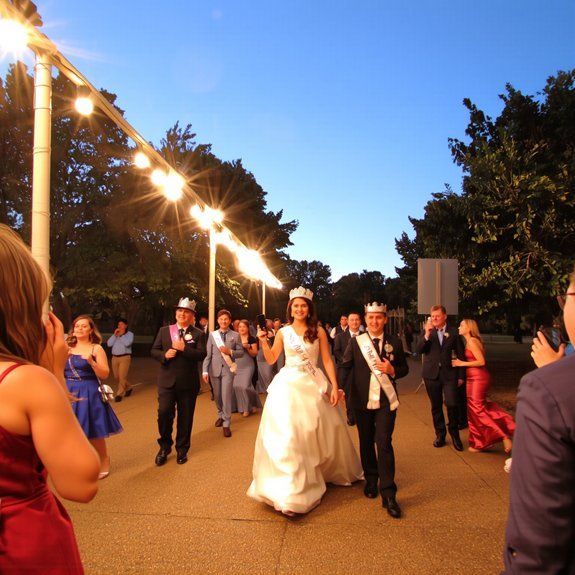
    coronation excitement and pride

    Because pageantry isn’t just about crowns and gowns, I want you to picture the moment before a coronation: lights dim, perfume and cologne hang in the air like a dare, and the band hits a brass note that makes your chest buzz—I’ve stood in that hush, heart thudding, and it’s electric. You watch candidates glide, practiced smiles, hands steady, nerves masked with glitter. A narrator calls names, the crowd snaps like clockwork, and you lean in, conspiratorial. The court isn’t a beauty show, it’s storytelling—history woven into sashes, hometown pride stitched into gowns, elders nodding like proud referees. When a winner rises, confetti becomes confetti and the room relents into joy, tears, and the kind of applause that echoes down campus streets.

    Step Shows, Greek Life, and Black Fraternal Culture

    You know that moment when the crowd hushes, then erupts as stomps and snaps ripple through the yard — you feel the bass in your chest, see the sharp lines of synchronized hands, and smell popcorn and hot dogs from the sidelines. You’ll watch chapters parade their pageantry, jeweled sashes catching the sun, sororities and fraternities trading polished steps for polished smiles, and you’ll notice how each gesture ties back to roots, rituals, and history. Stay close, I’ll point out the origins of those moves, the little community rites that stitch people together, and the playful rivalries that keep everyone coming home.

    Step Show Origins

    Three things you’ll notice right away: the stomps, the snaps, and the way a whole crowd seems to inhale together before the first beat drops. You’ll feel history rumble under your feet, decades of rhythm passed down from field hollers, military cadences, and church claps. I tell you, it’s choreographed memory—steps lock like stories, chants stitch generations, uniforms flash like punctuation. You watch older members coach rookies, tongues click with instruction, palms meet in rehearsal. The drums answer call-and-response, leather soles slap wood, breath fogs in cold air. You laugh when someone misses a count, because mistakes become part of the soul. It’s competitive, sacred, theatrical, and communal—ancestral language taught through motion, and you’re invited to learn its grammar.

    Fraternity/Sorority Pageantry

    When I walk into a Greek step show, the air snaps like a drum rim and I know I’m stepping into a live history lesson that also happens to be the best theater in town. You watch rows of brothers and sisters orbit the stage, uniforms crisp, stomps timed like a metronome, and you feel the floor answer. You’ll grin at the goofy skit, then catch your breath at a flawless formation. They flirt with tradition, wink at rivalry, and hand you choreography that reads like family lore. You’ll hear call-and-response, brass in voices, silk in moves. Don’t try to sit politely; you’ll clap, holler, and learn the secret handshake later. It’s loud, proud, and fiercely organized — pageantry with backbone.

    Community Rituals & Unity

    If the step show taught you the grammar of Black fraternal pageantry, think of community rituals as the punctuation — they tell you when to breathe, cheer, or stand on ceremony. You walk into a yard, smell grilling pork and sweetened tea, hear stomps like drumbeats, and you know the chorus is coming. I nudge you, we laugh, we clap in sync, a whisper of pride runs down your spine. Greek calls slice the air, hands snap, uniforms gleam, and elders nod like satisfied judges. You learn dances by watching, timing your feet to someone else’s heart. Parades, family tables, late-night freestyles — they stitch alumni to students, ritual to everyday life. It’s loud, warm, and utterly belonging.

    Marching Bands as Cultural Cornerstones

    Picture brass and drums chewing up the air, trumpet blasts like bold punctuation marks — that’s the HBCU marching band for you, and I promise you can’t ignore it. You feel the bass in your chest, you squint against the sun, you laugh because everyone around you is clapping on the one and the three. I narrate, smug but honest: these bands don’t just play, they narrate history, they call out community, they dare you to stand still. Drum cadence snaps like a whip, tubas hum like a warm hug, drill lines fold and snap with geometry you’d swear was choreographed by a mathematician with rhythm. You cheer, you record, you let the band lead the weekend — proud, loud, and utterly essential.

    Fashion, Style, and Identity Expression

    Because style at HBCU homecomings isn’t just about looking good, it’s a loud, living language you wear—trust me, I know the moves. You step onto campus, music and perfume collide, sequins wink, and you decide what version of yourself gets the spotlight. I point, you nod, we trade compliments like currency. You flaunt heritage prints, bespoke suits, bold lips, and sneakers that’ve seen better parades. Clothes talk, you listen.

    Style at HBCU homecomings is a loud, living language—sequins, heritage prints, bold lips, bespoke fit, and compliments traded like currency

    • Color tells lineage and mood, bright as brass, soft as sermon light.
    • Tailoring screams respect; fit is reverence, no excuses.
    • Accessories carry stories; pins, scarves, family crests speak.
    • Makeup and hair are declarations; you sculpt identity, you celebrate.

    You own it, you perform, you belong — style becomes statement and ritual.

    Community, Local Economies, and Cultural Preservation

    You ride that runway of looks straight into the tailgate, and suddenly the clothes aren’t just for show — they’re currency. You stroll past folding tables, smell grill smoke, hear brass blare, and notice vendors stacking beads, tees, and homemade pies like treasures. You buy from Auntie’s bakery, the barber who cut your dad’s hair, the student selling vintage shirts; your dollars ripple, they feed scholarships, pay rent, keep storefronts lit. You chat, haggle, compliment, laugh — community stitches itself with every exchange. You watch elders teach steps, hear stories, see murals saved by alumni donations; culture gets preserved, not cataloged. You leave full — belly, heart, purpose — knowing your presence matters, wildly and wonderfully.

    Conclusion

    You feel it the moment you step onto campus — a drumbeat in your chest, cologne and gumbo in the air, laughter folding you in like a familiar sweater. I watch families hug, crowns glint, and bands thunder; you smile, you cry, you buy a T-shirt. It’s louder, prouder, warmer — a living history that pulls everyone home. Come for the game, stay for the story; you won’t leave unchanged.

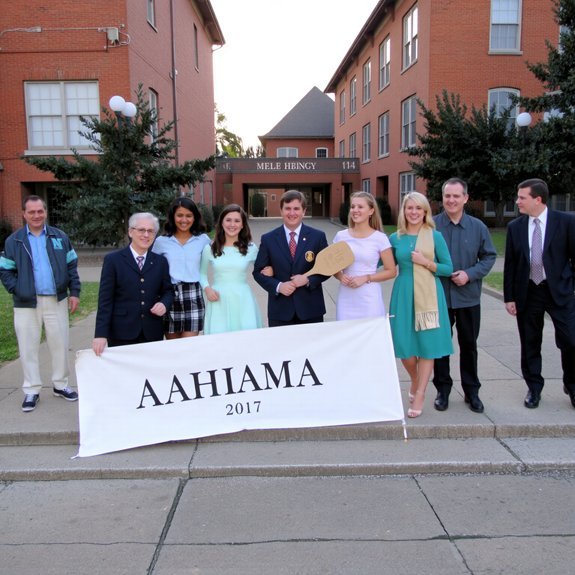
  • Greek Life at HBCUs: What You Should Know Before You Join

    Greek Life at HBCUs: What You Should Know Before You Join

    Last fall I watched a sophomore at TSU organize a campus food drive that turned into a neighborhood festival—she wore her letters like a badge and tired shoes, and it was beautiful. You’ll find ritual and service, loud socials and quiet study halls, alumni who’ll push you and brothers and sisters who’ll roast you in love, and yes, dues and late nights—so you’ll want to know what you’re signing up for before you pledge.

    Key Takeaways

    • HBCU Greek life offers deep cultural traditions, lifelong networks, and mentorship rooted in history and community service.
    • Expect regular commitments: meetings, step practices, service, and events that require time management alongside academics.
    • Review chapter fees, get a written cost breakdown, and create a budget for dues, socials, and travel expenses.
    • Prioritize safety: learn hazing policies, trust instincts, document concerns, and report incidents to campus authorities.
    • Evaluate chapters by attending events, observing member behavior, and assessing alignment with your leadership and career goals.

    History and Legacy of Black Greek Letter Organizations

    history legacy community tradition

    If you step onto a college quad at an HBCU, you’ll almost always hear it before you see it—the quick stomp of steps, the thread of a chant, the cotton-candy smell of kettle corn at a homecoming tailgate—because Black Greek Letter Organizations don’t tiptoe into a room, they announce themselves. You’ll feel history underfoot, worn into chants and step rhythms since the early 1900s, when students formed chapters for mutual aid, leadership, and social justice. I’ll tell you straight: these groups built networks you’ll use for life, mentors who’ll push you, traditions that’ll snag your heart. You’ll inherit rituals, parades, scholarship drives, and yes, rivalries—proud, theatrical, purposeful. Lean in, listen, and respect the legacy; it expects you to show up.

    How HBCU Greek Life Differs From PWIS

    While PWIs might hand you a brochure and a smile, HBCU Greek life greets you with a stomp, a chant, and a stack of family stories passed down like secret recipes—I’m not kidding. You feel the bass in your chest, you learn the steps by watching, not reading. Here, rituals are loud, meals are large, and nicknames stick. You’ll trade formal mixers for backyard cookouts where elders tell origin tales between bites, and you’ll learn etiquette that’s equal parts pride and practical survival. Expect more visible tradition, deeper alumni ties, and sororities and fraternities that double as cultural anchors. You’ll get guidance, gentle pressure, and a lot of love, sometimes wrapped in teasing that feels exactly like home.

    The Role of Service, Activism, and Community Engagement

    You’ll see brothers and sisters in their letters organizing food drives and repainting community centers, hands gritty with paint, laughter bouncing off cinderblock walls. I’ll point out how that same energy turns up at protests and voter registration tables, chants sharp, signs trembling in the wind — they aren’t just service clubs, they’re political actors too. Stick with me, and I’ll show you how campus projects and street-level activism braid together, sometimes messy, always loud, and usually making a real difference.

    Campus Service Initiatives

    Because service at HBCU Greek organizations isn’t a checkbox, it’s a heartbeat, I want you to picture a Saturday morning that smells like frying plantains and sunscreen, with brothers and sisters unloading paint, canned goods, and loud laughter onto a cracked community-center porch. You’ll hand a kid a glossy book, feel the weight of responsibility, grin when she reads the first line. You’ll scrub graffiti, plant zinnias, organize drives, and argue over playlist choices, because yes, music matters. I’ll nudge you toward regular commitments, not one-off flexes. Campus initiatives tie your group to tutors, food pantries, and mentorships. You’ll learn scheduling, grant-writing basics, and how to keep promises. Expect sweat, smiles, stubborn problems, and real, measurable impact you’ll brag about—rightfully.

    Political and Social Activism

    If you want to change something, start signing petitions and showing up—don’t just post a paragraph of outrage at 2 a.m. and call it civic duty. I’ll tell you straight: Greek life at HBCUs often mixes service with protest, so you’ll be knocking on doors, handing out flyers, and chanting in the heat, then serving soup the next morning. You’ll learn phone banking in a cramped room that smells like coffee and determination. Join a meeting, speak up, then help plan a march. Expect late-night strategy texts, awkward photo ops, real conversations with elders, and the satisfaction of concrete wins. It’s messy, loud, necessary, and you’ll leave both bruised and proud.

    Academic Support and Professional Development Within Chapters

    You’ll find chapter study rooms buzzing, tutors chewing over problem sets, and way too much coffee staining the table like a badge of honor. I’ll point out how career mentors slip you résumé tips between pep-talks, and how alumni open doors to internships with a quick email and a firm handshake. Stick around, I’ll show you the networks, the practice interviews, and the small rituals that turn late-night cramming into career-ready confidence.

    Tutoring and Study Sessions

    When finals loom and the coffee’s gone cold, I’m the one banging on chapter doors, hollering, “Study sesh!”—and honestly, that energy’s half the point. You’ll roll in, textbooks thudding, laptop lights blinking, and someone’s already got a whiteboard and an emergency snack stash. We pair up by strength—math whiz with lit analyst—so you don’t drown alone. Tutors are brothers and sisters who’ve failed, fixed, and remember what panic smells like; they’ll quiz you, diagram problems, and make flashcards until your brain sings. Sessions mix lecture moments with goofy role-play, silent focus bursts, and timed practice. You’ll leave tired, clearer, and oddly proud, because the chapter doesn’t let you flounder—ever.

    Career Mentorship Programs

    Okay, so you just survived a marathon study sesh — coffee cold, brain fried, snacks gone — and now we’re talking career stuff, because apparently real life keeps knocking. You’ll find chapter mentors who actually show up: alumni who smell like success and old cologne, professors who text back, peers who share resume hacks at midnight. They critique your elevator pitch, mock your one-liner, then fix it so recruiters listen. You’ll practice interviews in noisy basements, get blunt feedback, and walk out knowing what to say and when to shut up. They’ll push you toward leadership roles, teach you professional emails that don’t sound desperate, and celebrate tiny wins with pizza. It’s guidance that’s honest, hands-on, and weirdly reassuring.

    Internship and Networking Access

    Because I’ve watched a dozen sleepy freshmen turn into LinkedIn-stalking, business-card-swapping machines, I can tell you chapter networks aren’t just for midnight pizza runs — they’re your backstage pass to real internships and people who actually hire. You’ll show up to mixers smelling coffee and cuffed jeans, hear a sister say, “My uncle needs an intern,” and suddenly you’re rehearsing your elevator pitch in the bathroom mirror. Chapters host resume workshops, alumni panels, and company visits; you grab a name, follow up with a crisp email, and someone answers. You’ll practice interviews with older members, get referrals that beat online apps, and learn to network without sounding fake. It’s messy, human, effective — real doors, opened by folks who want you to walk through them.

    Social Life, Traditions, and Campus Culture

    If you’ve ever wandered through a campus quad at dusk, caught the beat of a step show echoing off brick, and smelled barbecues drifting from a lawn party, you know HBCU Greek life isn’t just clubs and letters — it’s a whole social ecosystem that grabs you by the sleeve and won’t let go. You’ll find rituals that stitch generations together, call-and-response chants, white gloves catching spotlight snaps. You’ll dance till your shoes protest, trade stories with seniors who act like sages and stand-ups, and learn secret handshakes that feel proudly ridiculous. I’ll tell you straight: you’ll be invited to cookouts, formals, philanthropy days, and late-night porch talks. If you’re into belonging, history, and loud, joyful community, this is it.

    Financial Commitments and Time Expectations

    When you join a fraternity or sorority at an HBCU, budget planning becomes as regular as checking your phone—except your wallet will notice more. You’ll sign up for dues, buy shirts and ceremony regalia, chip in for mixers, and cover travel if your chapter goes to a regional event. Expect monthly payments, sudden “can you Venmo me?” moments, and the thrill of a group dinner where everyone orders dessert. Time-wise, you’ll attend weekly meetings, rehearsals, community service, and step practices that sweat like summer. Balance classes with chapter life, or your GPA will glare at you. Talk to alumni, get a written fee schedule, and set a savings plan. Say yes thoughtfully; your calendar and bank account will thank you.

    Hazing Risks, Safety, and How to Protect Yourself

    Even though joining a chapter can feel like sliding into a warm, noisy family reunion, you’ve got to keep your guard up — hazing hides in the easiest places. I’ll say it plain: listen to your gut, watch for secrecy, and don’t confuse tradition with harm. If someone asks you to prove loyalty with pain, silence, or illegal acts, walk away and tell someone who can help.

    1. Report quickly — call campus safety, a trusted professor, or 911 if needed.
    2. Document everything — save messages, take photos, note names, dates, locations.
    3. Build allies — buddy up, set check-ins, and bring witnesses to risky events.

    You deserve safety, respect, and parties without penalties.

    Deciding Whether Greek Life Aligns With Your Goals

    Curious whether Greek life will actually help you, or just give you free T-shirts and weekend drama? I’ll be blunt: ask what you want from college, then hold it next to a sorority or fraternity brochure and squint. Want networking, leadership, community service? Good—those chapters hustle, they host panels, you’ll shake hands and get coffee with alumni who actually remember your name. Craving quiet study time, flexible schedules, low-stress weekends? That’s fine too; Greek calendars get busy, parties smell like cologne and punch, and rituals eat evenings. Go to meetings, sit in on a philanthropy event, talk to members honestly—”How will this help me?” Watch how people treat each other, note mentorship chances, weigh dues against value. Decide for you, not for the hype.

    Conclusion

    You’re standing at the chapter house steps, heart thudding, palms slightly damp—good, you’re alive. I’ll say it straight: joining can lift you, test you, and cost you, in equal measure. Feel the history in the air, listen to alumni stories, ask the hard questions, then sleep on it. If you still want in tomorrow, you’ll know why. If not, you’ll have saved your GPA—and maybe avoided a ceremonial sash you’d blush to explain.