
My sophomore roommate once traded a coffee and a laugh for a stack of used econ books—felt like finding cash in an old jacket—so you can stop paying full price. I’ll show you quick swaps: hunt older editions, rent e-books, raid course reserves, or buddy up to split costs; picture the worn spine, the sticky note tabs, the quiet trade in the library stairwell. Stick around, there’s one trick most students miss.
Key Takeaways
- Buy used or older editions from campus sales, thrift stores, or online listings to cut costs while matching course content.
- Rent physical textbooks or ebooks for the semester to save money and reduce storage needs.
- Share, swap, or borrow books and notes with classmates and dorm peers to avoid purchases.
- Use the campus library and course reserves for short-term access to required texts and study spaces.
- Apply for book stipends, scholarships, departmental grants, or alumni funds to cover textbook costs.
Buy Used and Older Editions

Bookshelf confession: I buy used books like they’re going out of style. You should, too — especially at an HBCU where every dollar counts. You’ll dig through campus sales, thrift shops, dusty online listings, and you’ll love the little thrill when a textbook smells faintly of someone else’s study nights, inked margins like secret maps. Grab older editions; they’ll usually match assignments, and you’ll save a chunk without missing core content. Haggle politely, scan pages for torn exercises, sniff for mildew (gross, but necessary), and test binding strength like you’re checking a puppy’s tail. Swap with classmates, leave notes in margins, and trade up next semester. It’s practical, a tiny rebellion, and honestly, kind of romantic.
Rent Textbooks and Ebooks
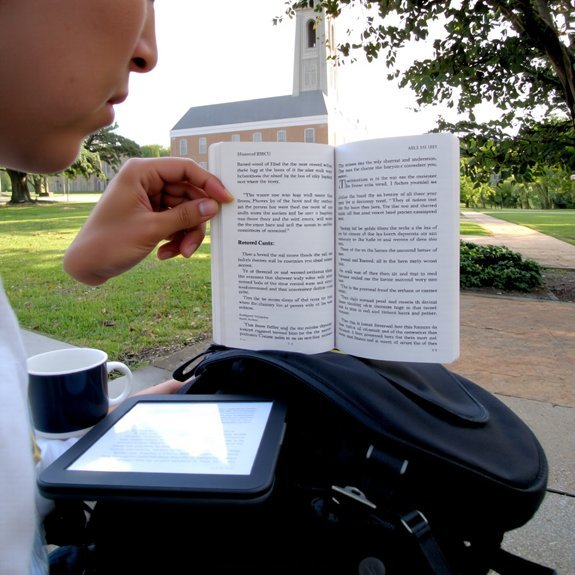
One smart move I always make? You rent textbooks and ebooks when possible. I stroll into campus, bannered backpack, skim my syllabus, then check rental sites and your campus store, tapping screens like a detective. Rentals cut costs massively, and ebooks save closet space — no paper cuts, bonus. You get access for the semester, highlight digitally, take screenshots for study, and return the physical copy when finals hit. Watch due dates, stash receipts, and protect digital access with strong passwords. If a course shifts, swap to shorter rentals or extensions, but don’t hoard books you won’t use. Renting isn’t glamorous, but it’s practical, nimble, and wallet-friendly — kind of like my study habits, barely organized but effective.
Share, Swap, and Borrow on Campus
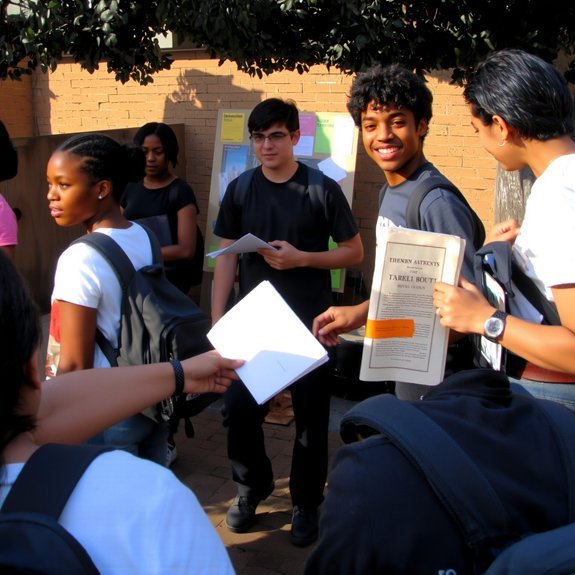
A few people on campus always seem to have exactly the chapter I need, and I’ve learned to make friends with them fast — you’ll want to, too. Walk the quad, drop a casual “You got spare notes?” into conversation, trade a coffee for a photocopy, and watch friendships form. Post on group chats, tape a sticky note to a bulletin board, or linger after class asking, “Mind if I borrow that for a day?” Swap sessions in dorm lounges become social study parties, snacks included. Keep a shared syllabus photo, label pages, and return books clean — reputation matters. If someone’s stuck, you’ll be the hero next semester. Sharing saves cash, builds community, and stashes good karma.
Use Campus Libraries and Course Reserves
If you’re tired of blowing your grocery money on one textbook, sprint to the campus library and stash that impulse purchase—literally. I’m telling you, the stacks smell like old paper and possibility. Go straight to course reserves, where professors drop high-demand books for short loans. Grab a table, flip glossy pages, take photos of key diagrams, don’t lurk—ask the librarian for scanning access. If a book’s checked out, put a hold, then sip campus coffee and wait—patience pays. Use quiet rooms, whiteboards, and course-linked databases, they’re all free. I joke about living like a book hermit, but this works. You’ll learn, save, and still eat. Win-win, with a side of nerdy pride.
Find Scholarships, Grants, and Book Stipends
While you’re juggling classes, work, and a social life that mostly consists of late-night instant ramen runs, you can also hunt down free money for books—and yes, it’s less painful than you think. I say start at financial aid—ask about book stipends, they’re real, and someone at the desk will look relieved you asked. Search scholarship lists, narrow by major, campus orgs, or identity, then apply like your GPA depends on it. Scan department emails for small grants, they often fund course materials. Tip: prep a one-page budget, snap a photo of required texts, attach to applications—proof gets attention. Check private foundations and alumni funds too. You’ll score cash, fewer trips to the bookstore, and bragging rights.
Leverage HBCU-Specific Discounts and Resources
You can start at your own HBCU bookstore, where clearance racks and used-book bins smell like old paper and victory — I’ll show you how to hunt the real deals. Check alumni and campus grants too, they quietly hand out help if you ask, and I’ll nudge you toward the forms so you don’t stall. Don’t forget partner discounts from HBCU-friendly vendors, they’re the secret handshake that saves you cash, and I’ll point out where to claim them.
HBCU Bookstore Deals
Because HBCU bookstores know their crowd, you can walk in like you own the place and walk out with fewer textbooks — and maybe a free sticker — if you play it smart. Hit the sale rack first, riffle through paperbacks, smell that ink — victory’s close. Ask staff about professor-requested lists, they’ll point to cheaper editions, bundles, or campus trade-ins. Flash your student ID, score loyalty punches, or snag semester discount codes plastered on the bulletin board. Don’t skip used copies; they’re scuffed, real, and cheaper. Trade in last term’s books for store credit, haggle politely, walk away if price’s wrong. Keep receipts, check price-match policies, and scan barcodes for instant deals. You’ll save cash, and feel smug doing it.
Alumni and Campus Grants
Often, you’ll find hidden cash at the end of the campus rainbow — and I’m not talking about change under dining-hall chairs. You can tap alumni-funded grants and small campus awards that quietly cover course materials, and yes, they actually exist. Walk into the alumni office, smell the paper and coffee, ask, “Got anything for textbooks?” They’ll smile, file you in, and point to forms.
- Apply: quick form, short essay, tell a tight story about need and hustle.
- Ask faculty: professors know earmarked funds, they’ll nudge you or vouch.
- Check deadlines: some grants are tiny, some stack — miss one, you lose it.
I’ve snagged $75 this way. You can too, seriously.
HBCU Partner Discounts
Three smart moves will get you discounts most students miss, and I’ll show you where they hide. You’ll tap partner perks the school negotiated — local bookstores, tech vendors, even coffee shops that bundle study guides with a latte (yes, really). Walk into the campus shop, flash your student ID, ask for “HBCU partner pricing,” and watch eyes brighten; it’s like finding a sale sign in a library stack. Check the HBCU portal, scroll vendor lists, click registration links, and claim promo codes. Call vendors if needed, be politely persistent, and screenshot confirmation. Pair discounts: stack bookstore deals with publisher student pricing. You’ll save hundreds, feel clever, and maybe treat yourself to that celebratory slice of pizza.
Conclusion
You’ve got this. I’ll say it plain: buy used, rent when you can, swap with a roommate, and camp out at the reserve like it’s your second home—savings add up fast, like pennies piling into a jar. I’ve tripped over book buys before, so I’m blunt: check scholarships, ask financial aid, and snag HBCU deals. Do a little digging now, relax later, and keep that semester-savings grin ready.