
You’ve got an HBCU story, so don’t hide it—bring in the march-past pride, the late-night study sessions that smelled like coffee and determination, the student-body romps where you learned real leadership; I’ll show you how to turn those scenes into crisp, job-ready lines that match a company’s mission, quantify your impact without bragging, and make hiring managers feel the room you built—but first, let’s get your opening to zing.
Key Takeaways
- Open with a strong hook tying your HBCU identity to the role, then promise concrete, relevant examples of impact.
- Translate campus roles into measurable achievements (events organized, budgets managed, participation growth) to show project-management skills.
- Mirror the employer’s mission language and briefly explain how your HBCU experiences advance their goals of equity, mentorship, or community.
- Use a concise anecdote that demonstrates leadership, cultural competence, and resilience, then quantify the outcome.
- Close with a proactive offer (one concrete idea or contribution) and a polite follow-up timeline to demonstrate initiative.
Why Your HBCU Experience Is a Competitive Advantage

Because you’ve walked hallways where history whispers from the walls, you already bring something most applicants can’t fake. I’ll say it plainly: your HBCU taught you to lead, to listen, to improvise when the copier jams or the plan falls apart. You learned traditions that taste like Sunday dinner and sound like chorus practice at dawn. Mention the late-night study sessions, the mentor who pushed you, the student org you resurrected. Show, don’t boast — describe the problem you fixed, the numbers you moved, the applause you earned. Use sensory details: the chalk dust, the coffee steam, the tired smile that meant “we did it.” That mix of grit and culture? Employers notice. You’re not exotic, you’re indispensable.
Research the Employer and Connect to Their Mission
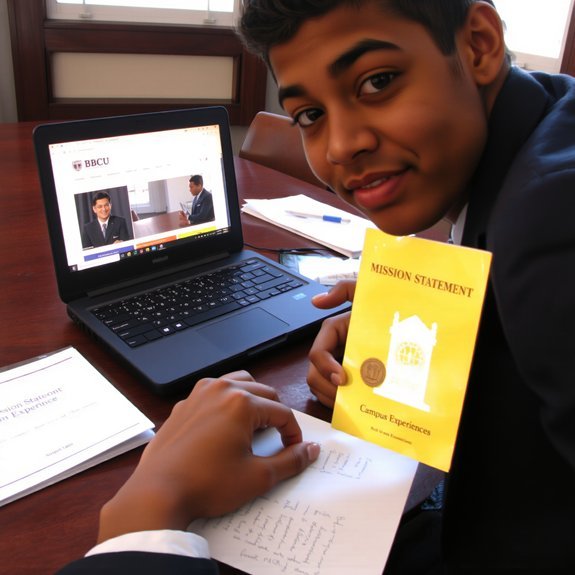
If you want to grab someone’s attention, start where they live — their mission. You skim their website, breathe in the language, and pin down three phrases that spark you. Say them back. Don’t paste buzzwords, echo them with proof: a campus program you led, a community project you scaled, a statistic you moved. Name dates, places, smells — the tired gym after a late rehearsal, the bright paint of a volunteer center — so it feels lived-in, not lifted. Tie your HBCU roots to their goals: mentorship, equity, innovation. Then close the loop: offer one concrete idea, a tiny experiment you’ll run on day one. That shows you listened, you care, and you’ll actually act.
Open Strong: Crafting an Engaging First Paragraph

Someone will skim your cover letter in under thirty seconds, so I start like I mean it — a quick hook, one clear claim, and a little flavor to make you want more. You grab attention with a vivid image or bold fact — the smell of coffee at midnight before a presentation, the statistic that made you sit up — then state what you bring, plain and proud. Cut the generic praise; say why you’re right for this role in one tidy sentence. Follow with a short, human line that shows personality — a wink, a small win, a curious habit — so they hear your voice. End the paragraph with a connection that promises proof, and move them to the next paragraph.
Translate Campus Roles Into Work-Ready Skills
You’ve been running late-night meetings and juggling budgets for your campus orgs, so don’t call that just “club work” — call it project management experience you can pitch. Point to a time you organized an event, delegated tasks, and hit the deadline, and they’ll see teamwork and leadership in action. Say it simply, with specifics, and let the hiring manager picture you doing the job tomorrow.
Campus Leadership = Project Management
Picture the student center at 3 a.m., pizza boxes stacked like tiny skyscrapers and your phone buzzing with a dozen “where are you” texts—yeah, that was me running a campus project. You learned to juggle timelines, vendors, and volunteers, while staying calm when the sound system died—classic crisis lesson. Translate that into milestones met, budgets balanced, stakeholder updates sent on time. Say you coordinated a 200-person event, negotiated contracts, and created a contingency plan that actually worked. Use numbers, tools, and outcomes: reduced costs 15%, boosted attendance, cut setup time in half. Recruiters want proof you can plan, pivot, and deliver. Own the mess, the wins, the late-night decisions; they’re real project management experience.
Student Org Roles = Teamwork Skills
When I led my campus org’s weekly meetings, I wasn’t just passing a folder—I was building a team that actually showed up, on time, sober(ish), and ready to move. You can say the same things on a cover letter. Describe calling the roll, pairing a nervous freshman with a veteran, calming an argument with a joke, and routing tasks like a tiny general. Employers hear teamwork, problem-solving, and emotional IQ in those moments. Say you coordinated volunteers for a 200-person event, kept snacks on deck, and rerouted a vendor at the last minute. Use verbs: coached, mediated, delegated, rallied. Drop a short scene — “We fixed the mic in five,” — and your reader sees action, leadership, and someone who actually gets people to work together.
Showcase Leadership Through Specific Stories
You’ve led campus groups, ran events, and probably shuffled more coffee than you’d admit, so show that off with sharp stories that prove you can lead. Describe one initiative, the crowd size, the problem you fixed, the knock-on wins — numbers and sensory details help your point land. I’ll call out the scene, you supply the punchline, and together we’ll turn those moments into crisp leadership evidence.
Highlight Campus Leadership
Leadership isn’t a buzzword, it’s a scene — remember the rush of coordinating a campus march, the smell of coffee at 3 a.m. while you print flyers, the way your voice shook the first time you called a meeting to order. You’ll tell one sharp story in your cover letter: set the stage, name your role, show what you did. Don’t just claim “led team,” describe pacing the quad, assigning tasks, calming a heated debate with a joke that landed — yes, you laughed, too. Use sensory beats, brief dialogue, and specific verbs: organized, mediated, rallied. Tie the anecdote to a skill the employer wants, then close with the result, quantified if possible. Be honest, be vivid, and let your leadership feel lived-in.
Detail Impactful Initiatives
Alright — you told the story of calling a meeting and calming the room; now show the sequel: the thing you actually changed. You describe the problem, then paint the fix. I led a food-access drive, I mapped pantry gaps on a sticky-note wall, I negotiated campus allotments over coffee and fake smiles. We turned a closet into a weekly market, refrigerated donations humming like a tiny hope machine. You quantify: 120 families served, weekday lines down by 40%, survey satisfaction up. Drop a line of dialogue—“We’ll do this,” I said, then did. Say what you learned: budgeting, logistics, eating late-night pizza while stuffing bags. Employers want outcomes, not warm fuzzies. Be specific, sensory, decisive—show how your patchwork became policy, and take a small bow.
Highlight Community Impact and Cultural Competence
Think of your campus as a busy kitchen—pots clanging, laughter bouncing off the walls—and then tell a story about the dish you cooked. I grabbed mismatched bowls, tossed spices from home, and rallied folks who’d never cooked together. We fed fifty neighbors, swapped stories, and wiped sauce off our shirts while someone hummed an old tune. Tell that in your cover letter. Say you organized, adapted on the fly, and honored traditions, without bragging. Highlight how you learned cultural cues, listened twice as much as you spoke, and built trust across generations. Use specific scenes—doorbell rings, a grateful hug, a recipe card handed over. That shows community impact and cultural competence, plainly, warmly, and with real heart.
Quantify Achievements Without Overstating Them
If you want your accomplishments to sing, give them numbers—not as a humblebrag, but as a breadcrumb trail someone can actually follow. You’ll want specific figures: “led a study group of 12,” “raised $2,400,” or “cut event costs 15%.” Say what you did, show the scale, note the timeframe. Don’t inflate; your credibility matters more than a big headline. If exact numbers feel fuzzy, use ranges or clear context: “about 30 students,” “roughly $1,000.” Paint small scenes—counting receipts, tuning a soundboard, handing out flyers—so readers feel the work. Keep it crisp, honest, and human. I promise, when you quantify with restraint, your story sounds confident, real, and impossible to ignore.
Match Tone and Language to the Company Culture
Wondering whether to show up in a suit or sneakers? You scan their website, listen to employee videos, and scroll LinkedIn posts until you can almost hear the office hum. Mirror that vibe in your opening: formal, if they use titles and press releases; lively, if their feed feels like a coffee chat. Use phrases they use—”team-oriented,” “fast-paced,” “mission-driven”—but don’t parrot, make it yours. Toss in a short anecdote that fits their rhythm, a specific line showing you get their pace. Keep sentences crisp, vocabulary plain, and humor light, like a knowing smile. You want them to feel seen, not staged, to hear a real student, confident and ready to slot into their groove.
Edit for Clarity, Brevity, and Professionalism
You’ve matched their vibe, you’ve got the right opening—now make every line pull its weight. Read aloud, you’ll hear the clunkers: long sentences that trip, jargon that hides you, fluff that flatters no one. Cut filler—really. Replace “responsible for” with action verbs, swap vague praise for one crisp example, and smell-test each sentence: would you say it to a mentor over coffee?
Trim to one strong idea per paragraph, keep bullets punchy, and use active voice so your achievements stand up. Fix typos, tighten spacing, choose a readable font, and save as PDF so formatting doesn’t wobble. Be professional, not stiff—polished, not robotic. Then breathe, send, and let your words do the walking.
Follow Up Strategically After Submitting Your Letter
After you hit send and do a little victory dance, don’t vanish—follow up like a polite, confident houseguest who knows when to knock again. I tell you, a quick, well-timed nudge keeps your name warm. Wait about a week, then send a brief email: remind them of the role, mention one highlight from your cover letter, ask a polite question, and offer availability. If you spoke with someone, drop a thank-you text or LinkedIn note within 24–48 hours, short and specific. Keep tones light, professional, a little human—no pleas, no daily pings. If you still hear nothing after two follow-ups spaced a week apart, move on graciously, while keeping the door open for future contact.
Conclusion
You’ve got a story only you can tell, so lean into it like it’s your favorite playlist — confident, honest, and impossible to ignore. Show up with crisp examples, numbers that sing, and a tone that matches the place you want to work. I know you’ll sweat the little things; do it, then let go. Send the letter, follow up with charm, and watch doors open — you’ve already done the hard part.