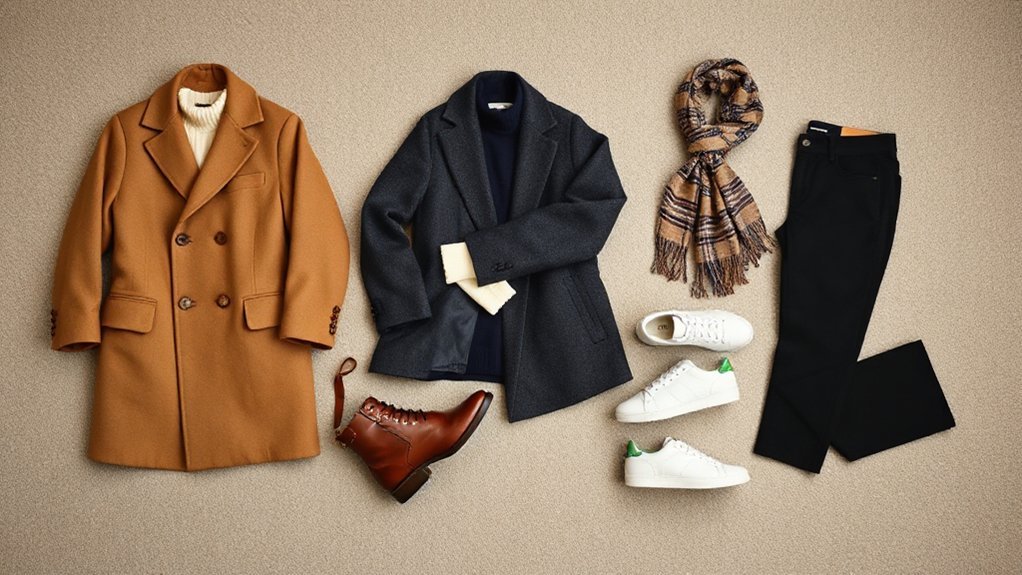
You know that cozy sweater that feels like a hug? Imagine your whole closet built around that vibe — warm, practical, and a little stylishly lazy — and you’ll get where I’m going, but I’ll show you how. You’ll pick a calm color palette, sweaters that layer without puffing you up, a dependable coat that actually blocks wind, shoes you can stomp through slush in, and a few accessories that finish outfits like punctuation. Stick with me and we’ll make mornings painless.
Key Takeaways
- Define your winter style (minimal, romantic, or practical) and a color palette of 2–3 neutrals plus one or two accent shades.
- Start with core layering pieces: snug thermal base layers, slim turtlenecks, crewnecks, and an oversized cardigan in neutral tones.
- Invest in one weather-appropriate coat and two versatile shoes: insulated boots and all-season sneakers with good traction.
- Build bottoms around wool-blend trousers, dark jeans, warm leggings, and one statement wide-leg or culotte for variety.
- Care and store seasonally: wash gently, air out items, repair seams, and pack sweaters with cedar in breathable boxes.
Defining Your Winter Style and Color Palette
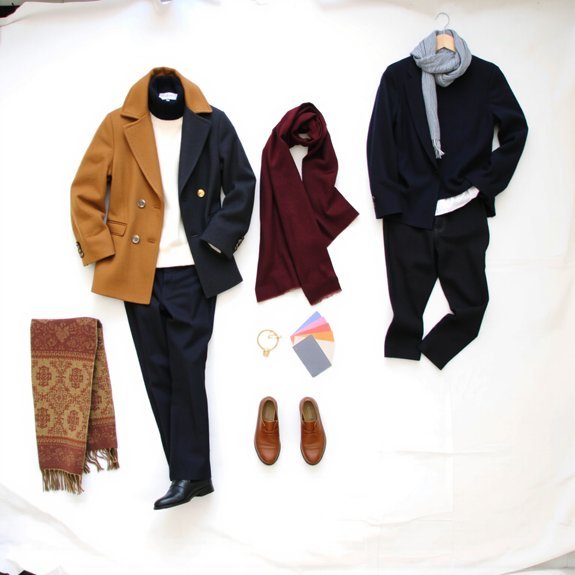
Where do you want to feel cozy and look like you meant to? You stand in front of your closet, fingers grazing wool and denim, and I’ll say it: your personal style shouldn’t be an accident. Start by naming three vibes—minimal, romantic, practical—then toss out anything that doesn’t belong. Use color psychology as your cheat sheet; warm browns soothe, deep blues steady, mustard sparks joy without yelling. Hold garments to your face, watch skin and mood change, that’s decision-making, not vanity. Picture a rainy commute, textured scarf against your cheek, and pick pieces that survive the scene. Be ruthless, keep what comforts and flatters, swap the rest. You’ll end up with a winter capsule that feels like you, but smarter.
Choosing Versatile Knitwear and Sweaters
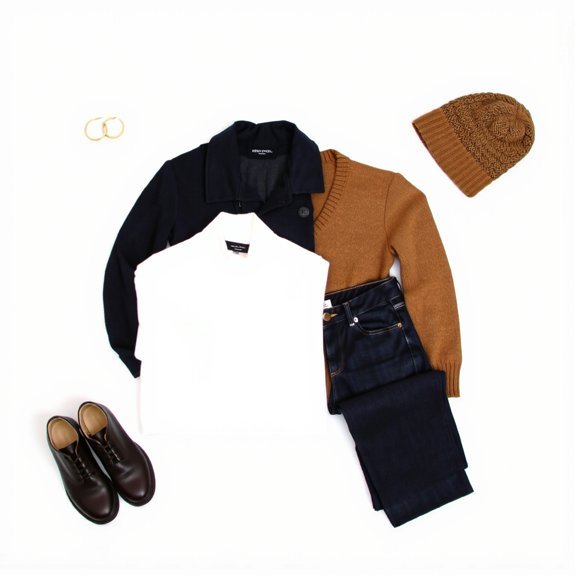
You’ll start with core neutrals—think oatmeal, charcoal, and navy—that let everything mix and match, like reliable friends at a small, well-dressed party. Pick layering-friendly silhouettes, slim enough under a coat but roomy enough for a shirt or tee, so you’re warm without looking like a marshmallow. I’ll also show simple fabric-care essentials—gentle wash, reshape while damp, and store folded—so your favorites last and stop silently pillowing into sad sweater lumps.
Core Neutral Colors
Think of neutrals as the quiet backbone of your winter closet—steady, forgiving, and oddly magnetic when you get them right. You pick warm camel, cool gray, navy, and true black, laying them out like a small, reliable army; you’ll mix neutral color combinations that feel fresh, not boring. I tell you to test each sweater in daylight, rub the knit between fingers, smell the wool—yes, really—so you know its character. Ignore every seasonal color trends panic, but note one or two accent shades for fun. Choose textures that speak: chunky, fine, brushed, ribbed; they keep looks alive without shouting. Buy pieces that fit your life, mend small snags, and wear them until they earn hero status.
Layering-Friendly Silhouettes
Now that you’ve built a neutral foundation, let’s talk shapes that actually play nice together. You’ll want sweaters that layer without bulking, so pick crewnecks, slim turtlenecks, and slightly oversized cardigans you can slip under coats. Think contrast: a fitted knit beneath a boxy jacket, or a longline sweater over tapered trousers. I like mixing textures, you’ll feel the cozy weight, see the clean lines. Practice simple layering techniques: thin base, mid-weight knit, structured outer layer. Watch proportions—short tops with high waists, long sweaters with slim bottoms. Those silhouette shapes keep outfits balanced, easy to tweak. Try combinations on, move around, sit, sip coffee, and you’ll know which knits actually behave.
Fabric Care Essentials
While I love a fluffy sweater as much as the next person, caring for knitwear properly keeps it looking sharp and smelling like victory instead of attic, so pay attention. You’ll pick pieces by fabric types—merino, cashmere, cotton blends—because each behaves differently. Read labels like a detective, feel the knit, sniff for stubborn funk. For washing techniques, hand-wash or use a gentle cycle in a mesh bag, cool water only, mild detergent, no bleach, no drama. Press water out, don’t wring; roll in a towel, breathe relief. Lay flat to dry, reshape while warm, avoid hangers that make sad shoulders. Store with cedar or lavender, check for pills and de-pill with a razor or comb. You’ll wear them longer, look smarter, feel smug.
Selecting Essential Layering Pieces
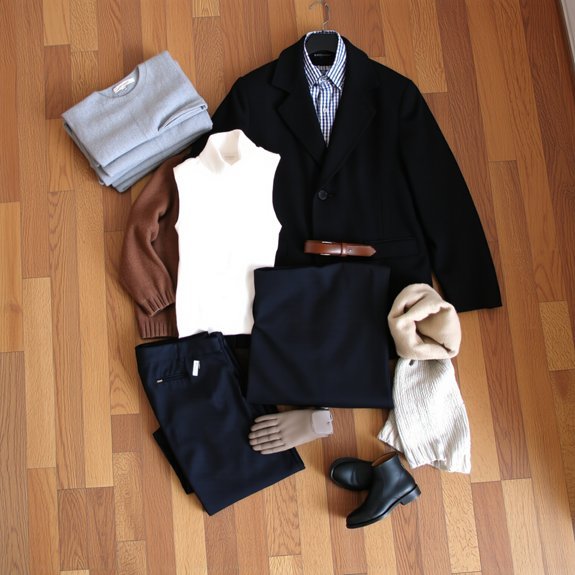
You’ll start with snug base layers that hug your skin, wick moisture, and don’t make you feel like a damp, soggy burrito. Then pick midlayers that trap heat without ballooning your silhouette — think cozy fleece or a slim wool cardigan you can shrug on between errands. Top it off with a versatile outer layer that fends off wind and wet, packs or hangs neatly, and makes you look purposefully put-together even if you just rolled out of bed.
Base Layers: Fit & Fabric
Because the things closest to your skin do the heaviest lifting, pick base layers like they actually matter — because they do. I tell you to start with thermal materials, merino or synthetic blends that feel smooth, not scratchy, against your neck; think soft hug, not woolly chokehold. Follow fit guidelines: snug, but not sausage-tight, with enough stretch for reaching, bending, and dramatic coffee-reaching. I like a slim long-sleeve and a fitted tee for variety. Smell, dampness, and movement tell you what works; if it clings when you sweat, dump it. Keep neutral colors, stash an extra in the day bag, and layer with intent. Trust me, get this right and you’ll stop fidgeting, start enjoying winter outfits, and feel smarter for doing so.
Midlayers: Warmth Without Bulk
If you want warmth without turning into a puffed marshmallow, start with midlayers that do the heavy cozy lifting and nothing more. I pick thin fleece, merino sweaters, and light synthetic puffs that hug your torso, trap heat, and shrug off bulk; you’ll feel soft, warm, not stifled. Think insulating materials as tools: wool for smell resistance, fleece for quick-dry comfort, and down or PrimaLoft where warmth-to-weight matters. Use smart layering strategies—zip or snap for venting, roll sleeves, stash a scarf—so you control microclimates on the move. I recommend neutral colors that mix with everything, slim cuts for clean silhouettes, and one statement knit for personality. You’ll stay warm, nimble, and oddly stylish, promise.
Outerwear: Versatile Protective Pieces
You’ve got your midlayers doing the heavy lifting, hugging your torso like a mildly possessive koala; now let’s talk about the outer shell that actually faces the weather. You want pieces that protect, polish, and vanish into outfits when needed. Think windproof cuts, slick linings that whisper against your sweater, and hoods that actually stay put.
- A waterproof rain jacket, lightweight, packable, with taped seams — for wet commutes and soggy dog walks.
- A tailored trench coat, classic, waist-defining, that dresses up jeans and quiets city noise.
- A puffer with a matte finish, warm pockets, that cradles you on freezing days.
- A minimalist wool overcoat, structured shoulders, that upgrades everything instantly.
Choose neutral tones, test movement, and imagine weather before you buy.
Investing in Outerwear That Works for Your Climate
Pick a coat that actually matches the weather where you live, not the one you romanticize over in Instagram photos—trust me, that parka will feel like a sauna in a mild coastal winter. You’ll thank me later. Think climate considerations first: humidity, wind, salt air, how often you bike or commute. Aim for weather adaptability — layers, removable liners, roll-up hoods — so one piece handles drizzle, sleet, or sudden gusts. Feel the fabric, zip it up, swing your arms. If it breathes, you won’t stew; if it sheds water, you won’t freeze. Choose neutral tones, sturdy hardware, pockets that actually fit your phone. I’m blunt because wardrobe mistakes sting, and a sensible coat saves you money, time, and a lot of shivering dignity.
Picking Footwear for Warmth and Versatility
You’re not going to get far in slush and ice with flimsy shoes, so let’s talk insulated boots that keep your toes toasty and sneakers that actually survive rainy days. I’ll show you rugged soles with serious grip for slippery sidewalks, and lighter all-season kicks that look good with everything, because yes, you can have comfort and style without frostbite. Picture stomping through crunchy snow, feeling the tread bite in, then swapping to a slick sneaker for coffee—practical, cozy, and slightly smug.
Insulated Boot Types
Boots matter. You want warmth, grip, and style, without lugging a closet full of clunky shoes. I’ll be blunt: pick boots that do the job, then disappear into your outfit like a helpful neighbor.
- Insulated lace-ups — rugged warmth, insulated boot materials like Thinsulate or fleece lining, cinch the ankle, keep snow out, you stomp happily.
- Chelsea winter boots — sleek, easy on, add a wool sock, waterproof boot features protected seams, smarter look for errands and dates.
- Parka-style boots — tall, cozy collars, sled-ready traction, you feel hugged, plow through slush without drama.
- Lightweight insulated hikers — breathable, grippy soles, versatile on trails and city sidewalks, practical and quietly handsome.
All-Season Sneakers
If you want sneakers that work from drizzle to light snow, think of them like a reliable sidekick—quiet, clever, and unfazed when things get messy. I’ll walk you through choosing sneaker materials that block chill but breathe, like coated leather, treated canvas, or bonded mesh with a water-resistant finish; they feel snug, break in fast, and don’t scream “winter clodhopper.” Pick neutral colors, simple lines, and minimal branding for style versatility, so you can pair them with jeans, layered knits, or a sleek parka without eyeballs rolling. Tread lightly on embellishments, test the liner for warmth, and try them on with thicker socks. You’ll end up with comfy, practical sneakers that actually get worn.
Sole Traction & Grip
Three things matter most when your feet meet ice: grip, confidence, and the tiny voice in your head that says, “Don’t face-plant.” I’m saying this because soles aren’t just rubber—you want tread that bites into slush, channels that spit out water, and a compound that stays flexible when the temperature drops, so you don’t feel like you’re walking on frozen paddles. I’ve slipped, learned, adjusted. You’ll want to check traction technology claims, feel sole materials under your thumb, and imagine steps on wet pavement. Think loud tread, not slick polish. Here’s what to prioritize:
- Deep lugs and siping for bite and water channeling.
- Soft, low-temperature sole materials that stay grippy.
- Heel braking patterns to stop on slopes.
- Tested outsole blends with traction technology badges.
Building a Selection of Winter-Ready Bottoms
Because cold weather loves to sneak up on you, I’ve learned to treat my bottoms like battle gear—warm, flexible, and not afraid to look good; you’ll want the same. Start with classic stylish trousers in wool blends, they hold shape, block wind, and feel crisp against the knee. Toss in a pair of warm leggings for layering, soft against skin, stretchy, and surprisingly dressy under skirts. Include a dark skinny jean, rigid yet forgiving after a long walk. Pick one insulated culotte or wide-leg for flair, roomy enough for thermal tights. Prioritize fit, durable seams, and easy care. When you try them on, squat, sit, stomp—make sure nothing pinches, rides up, or whispers “cold” when you move.
Adding Functional and Stylish Accessories
Want to know the secret weapon of a capsule winter wardrobe? It’s accessories, the tiny things that punch up function and flair. I like gear that works hard and looks good — you will too. Think textures you can feel, colors that cheer, and pieces that snap an outfit together.
- Choose stylish scarves — wool, cashmere blends, bold prints — wrap them, tuck them, let them billow.
- Pick functional hats — beanies with fleece lining, brimmed wool hats — they block wind and polish an outfit.
- Add leather gloves with touchscreen tips, they glide on, keep your fingers, and your texts, warm.
- Grab a compact umbrella and a neutral crossbody bag, quick, useful, weather-ready.
Accessorize with intent, not clutter.
Care and Storage Tips to Extend Garment Life
If you treasure your winter pieces, treat them like hard-working friends — mend a snag, air out that wool, and they’ll stick around. You’ll inspect seams, feel for pills, and decide: tug or trim? I show you simple garment maintenance — tiny stitches, gentle detergent, cool-water washes, steam instead of iron. Smell matters, so hang items to breathe after wear, don’t cram them in a heap. For seasonal storage, pack sweaters folded in breathable bags, cedar blocks for moth-banishing, and silica pouches to keep damp away. Label boxes, date them, and store in a cool dark spot; your future self will thank you. Quick fixes save money, and neat storage keeps your capsule feeling like new.
Creating Outfit Formulas for Quick Dressing
Usually, mornings are rushed, cold, and emotionally uncooperative, so I’ve learned to build outfit formulas that make dressing feel like a tiny triumph instead of a quest. You’ll thank me when you stop staring into the void and actually step outside warm and styled. Think of outfit combinations as recipes: base (sweater + jeans), layer (coat or cardigan), accent (scarf or boot), finish (hat or gloves). That’s your shortcut, palette, and pep all in one.
- Base + layer = cozy office-ready, swap sneakers for boots.
- Monochrome base + textured accent = instant polish.
- Jeans + chunky knit + statement coat = weekend power.
- Dress + tights + short coat = date-night warmth.
Practice quick styling, repeat, tweak, and you’ll win mornings.
Shopping Priorities and Investment Pieces
Because you’ll wear them the most, start with the pieces that earn their keep: a warm coat, a pair of boots that actually fit your feet, and a sweater you can hug without itching—these are your wardrobe workhorses, not fashion show pieces. You decide what matters, then align your shopping budget accordingly; I promise you’ll thank me when mornings are painless. Prioritize quality materials—wool, leather, sturdy knits—feel them, squat in them, sniff for realism (yes, really). Buy fewer things that last, not more that scream “sale rack.” Split your budget: invest in outerwear and shoes, skimp on trendy accessories. When you try items on, move around, brisk walk, sit—if it survives real life, you’ve won. Treat shopping like rescue, not sport.
Conclusion
So you want a capsule wardrobe to save time, money, and dignity—adorable. You’ll pick a mood, choose a cozy palette, layer like a pro, and buy one good coat that actually blocks wind. Mix, match, mend, and repeat. You’ll smell cashmere, feel warm, and look like you didn’t try too hard. I promise you’ll survive winter — stylishly, comfortably, and with fewer “what do I wear?” melodramas.