
You step onto campus and the air smells like fried chicken, old books, and marching-band brass—bracing, alive, a little bit sacred; you inhale, try not to look like you just wandered into someone else’s family reunion. I’ll tell you how to move here without tripping over tradition: listen more than you talk, show up with humility, join in when invited, and apologize fast when you mess up—because trust gets built in small, steady acts, not grand gestures, and that’s where the work really begins.
Key Takeaways
- Enter with humility: listen first, observe traditions, and prioritize learning about the campus’s history and community.
- Center others’ experiences by asking short, respectful questions and avoiding performative curiosity.
- Build relationships through consistent presence: learn names, attend events, and mirror cultural rhythms.
- Respect boundaries: seek permission before discussions, correct privately, and accept feedback gratefully.
- Continue allyship beyond campus with mentorship, advocacy, and sustained support rather than one-time gestures.
Understanding HBCU History and Mission
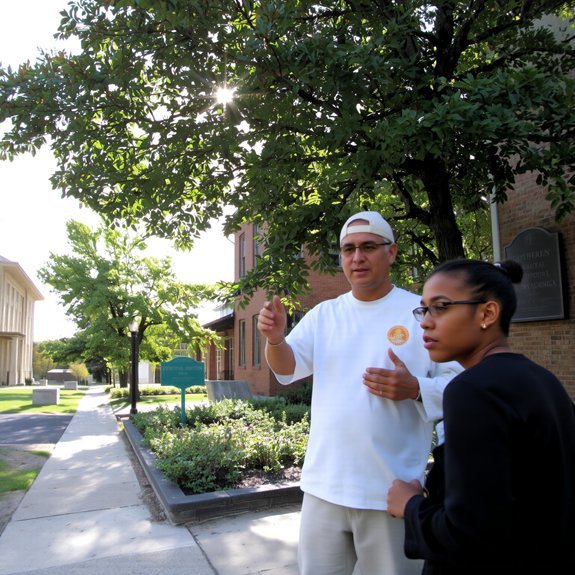
If you’re stepping onto an HBCU campus for the first time, don’t expect a museum tour—expect a living story. You’ll hear rhythms in footsteps, smell gumbo at noon, see banners that whisper lessons. Walk with eyes open, don’t gawp. Learn who founded the school, why it mattered then, and how that mission still shapes classes, protests, and homecoming heat. Ask about alumni who fought for rights, the professors who teach from experience, the traditions that stitch community tight. Take notes, but don’t turn history into a quiz, you’ll look clueless and rude. Listen when elders speak, laugh at your mistakes, and let the campus correct you gently. You’ll leave with context, not just campus selfies.
Entering With Humility and a Learning Mindset

You’re walking into spaces that hold generations of stories, so shut up and listen first — really listen to voices, pauses, the way someone shifts in a chair when a memory hits. Let others’ lived experiences lead the conversation, ask honest questions, and take notes with your eyes and ears before you try to add your two cents. I’ll cheer you on from the sidelines, but don’t expect applause if you talk over the main act.
Center Others’ Lived Experiences
Start with one simple rule: show up smaller than your ego and louder with your ears. You’ll notice smells of coffee and old books, hear laughter that’s been here longer than you, and you owe those rhythms your attention. Center others’ lived experiences by making space—physically, verbally, emotionally—so stories aren’t interrupted by your need to relate. Ask specific questions, pause, then shut up. Repeat names correctly, learn histories, and credit origins when you reference them. If someone corrects you, thank them; don’t deflect. Share resources, not spotlight. Offer labor—volunteer, tutor, show up for events—without expecting applause. You’ll look less like a visitor and more like someone trying, imperfectly but earnestly, to belong respectfully.
Listen Before Speaking
When I walk into a crowded student lounge, I press my hands into my pockets and do the thing I’m tempted to skip: I listen. You should too. Let the room set the tone, smell the coffee, hear the laughter, notice who’s steering the convo. Don’t jump in to “add perspective,” unless someone asks. Nod, take notes in your head, ask one clear question later. You’ll sound curious, not performative. If someone corrects you, don’t defend—thank them, absorb it, ask for an example. That humility opens doors faster than clever lines. Practice quieter patience; your voice will matter more when it’s earned. And yes, you’ll mess up, you’ll laugh it off, you’ll learn—repeat.
Building Genuine Relationships on Campus
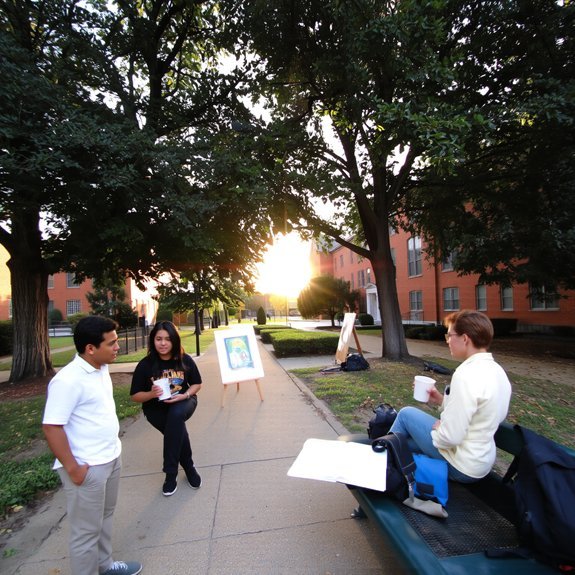
You’re going to earn trust by watching how people move, listen to what they celebrate, and mirror those rhythms with respect — don’t fake it, just notice. I’ll admit I stumbled into a step team clap and sounded like a broken drum, but I listened, asked a question, and joined the laugh; that’s how you learn the cues. Show up for traditions, keep your ears open before you talk, and let curiosity guide you more than assumptions.
Respect Cultural Norms
One rule I learned fast: don’t offer a forced high-five in a chapel line and expect to get away with it. You’re at a place with rhythms, jokes, songs, and a wardrobe of meaning. Watch how folks enter rooms, who gets hugged, when feet tap to an old hymn. Match the tempo, not the volume. Ask before you touch, mirror dress-code cues, and let humor be your bridge, not your battering ram. If someone corrects you, stay small, say thanks, and do better—no theatrical apologies. Learn names, nicknames, signature phrases; they’re keys. Taste the food, sit in on events, clap on beat. Respect isn’t performance. It’s paying attention and adjusting, quietly, like tuning an instrument.
Listen Before Speaking
Even if you’re buzzing to share your hot take, shut up first and listen — I mean really listen: lean in, unclench your jaw, let the room finish its sentence before you jump in. You’ll catch tone, rhythm, the small laughs, the pauses that mean more than words. Sit with discomfort, don’t paper over it with a joke. Ask quiet questions, mirror body language, nod like you mean it. Say, “Help me understand,” instead of lecturing. I mess up, I fumble, I apologize—do that quickly and sincerely. Keep your phone away, smell the coffee, notice the posters on the wall, the way voices warm up when someone tells a memory. That’s how you build trust, slowly, honestly, without trying to be the headline.
Participate in Traditions
If you want people to see you as more than a guest, show up—literally and with your whole self. You’ll go to step shows, tailgates, convocations; you’ll feel the bass in your chest, taste spicy barbecue on your lips, and notice looks that size you up. Don’t be a ghost. Ask where to stand, clap the rhythm, learn the calls. You’ll fumble lines, I promise, and laugh it off.
- Arrive early, grab a front-row spot, watch faces, copy gestures, nod when everyone nods.
- Wear school colors, but don’t costume-ify heritage.
- Offer help—carry chairs, hand out water, sweep confetti.
- Ask after, thank organizers, and mean it, repeat honestly.
Participating Respectfully in Cultural Events and Traditions
When you step onto a quad humming with drumbeats and laughter, don’t act like you wandered into a movie set; take a breath, smile, and let your eyes actually see people, not props. I’ll tell you straight: stand back for a beat, let the rhythm land, then join if invited. Watch how folks move, copy energy, not gestures. If someone hands you a program or a seat, accept with gratitude, not a selfie-first attitude. Clap on time, cheer when others do, and don’t try to outshine a tradition you barely know. If you mess up, laugh at yourself, apologize quietly, and learn. Remember, participation is respect, not consumption — you’re a guest, not a highlight reel.
Listening, Asking Questions, and Avoiding Performative Curiosity
Because you’re curious, don’t let your curiosity behave like a movie camera—quiet, observe, and tune in first. You’ll hear rhythms, see gestures, notice inside jokes; breathe those in before you blurt questions. Ask with humility, not headlines. Lead with, “Can you help me understand?” instead of, “Why do you…?” Watch tone, body language, and timing; silence can teach.
- Pause and notice: listen to volume, pauses, laughter, feet shifting.
- Ask specific, short questions: focus, don’t audition for a podcast.
- Credit lived experience: say “I’m learning” not “I know.”
- Offer space: follow cues, step back when conversation is clearly not for you.
I’m human, I fumble, and that’s fine—learn, laugh, repeat.
Addressing and Responding to Microaggressions
Someone’s going to say something clumsy, and you’ll feel it like a skived stitch—tight, obvious, a little itchy in the room. You can breathe, steady your voice, and name it plain: “That comment landed weird.” Say it once, calm, not policing. Watch reactions—some will squirm, some will learn. If it’s minor, a short joke plus correction saves face and teaches: “Nope, that’s a stereotype, try again.” If it’s harmful, set a boundary, walk away, or tell a trusted person—don’t play fixer for every moment. Take notes, log incidents, notice patterns. Afterwards, decompress with friends who get it, journal a sentence, then decide if you’ll address again. You’re human, imperfect, but accountable.
Advocating for Yourself While Respecting Community Boundaries
You called out that awkward remark, let the room breathe, maybe scribbled the moment in your phone — good. You’ve got a pulse on the room, but you also know boundaries hum like a bassline. Speak up, yes, but pause, listen; smell the coffee, hear the exhale. Ask, “Is this my lane?” then state your need: clear, calm, short. If someone holds space for you, thank them. If they shut you down, pivot to safety. You’ll stumble, apologize, learn. Keep receipts — notes, timestamps, texts — they’re your map.
- Name the behavior, not the person.
- Ask permission before educational detours.
- Choose private over public corrections.
- Use allies when the room feels heavy.
Becoming a Sustained Ally Beyond Graduation
When I left campus, I thought allyship could live in a graduation cap and a few well-meaning posts — cute, but wrong. You’ll learn quickly it’s not a souvenir, it’s a practice. Keep reading emails from campus groups, show up to alumni events, and actually listen when Black friends say “this helps.” Call out jokes at family dinners, awkwardly, then laugh and correct yourself — everyone remembers that. Donate, not as proof, but as habit: small monthly gifts beat a single flashy check. Mentor students, offer résumé help, but don’t take their labor as gratitude. Vote informed, push for policy change where you live, and stay curious. It’s lifelong work, messy, rewarding, and utterly worth it.
Conclusion
I’ll be blunt: treat the campus like a garden you’re invited into, not a stage you own. Listen more than you speak, ask with curiosity not cameras, join traditions with respect, and show up when it matters—volunteer, sit in on panels, clap loud. Expect missteps, apologize fast, learn faster. Make friendships first, advocacy second, legacy last. If you tend the garden with humility, it’ll surprise you with blooms you never imagined.