Tag: education

  • What Is an HBCU and Why Do They Matter Today?

    What Is an HBCU and Why Do They Matter Today?

    You walk onto an HBCU quad and you can almost taste the history — sweet, stubborn, proud — right next to the coffee. I’ll tell you straight: these schools were built when doors were slammed shut, and they still teach like they mean it, with tight classes, loud homecomings, and mentors who know your name. They lift careers, culture, and community in ways big campuses often don’t. Stick around, I’m getting to the good part.

    Key Takeaways

    • HBCUs are colleges and universities founded to educate Black students when segregation barred them from other institutions.
    • They combine rigorous academics with culturally affirming community support and strong mentorship networks.
    • HBCUs produce a disproportionate share of Black professionals in STEM, education, and public service.
    • Campuses have historically nurtured civil-rights leaders and continue to foster civic engagement and leadership.
    • Today they adapt through modernized facilities, industry partnerships, and hybrid learning to meet student and workforce needs.

    Defining Historically Black Colleges and Universities (HBCUs)

    legacy community mentorship culture

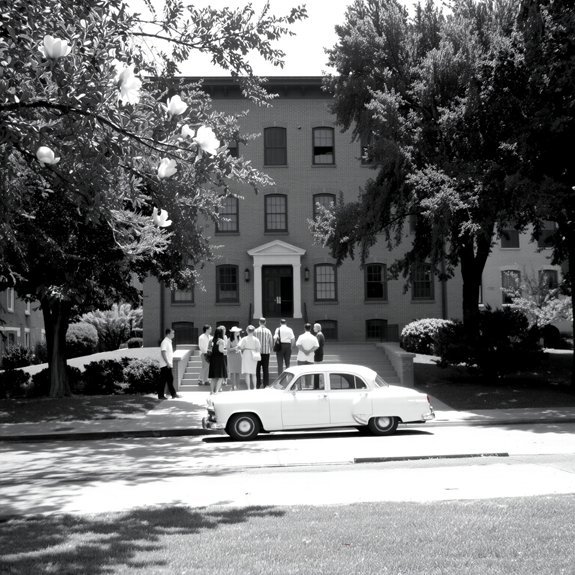
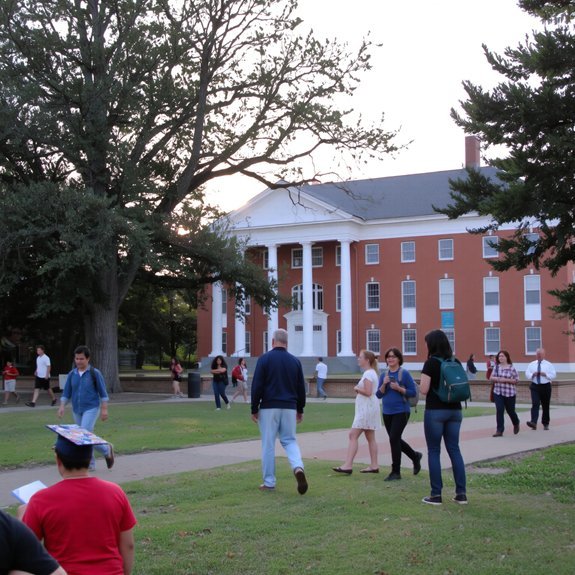
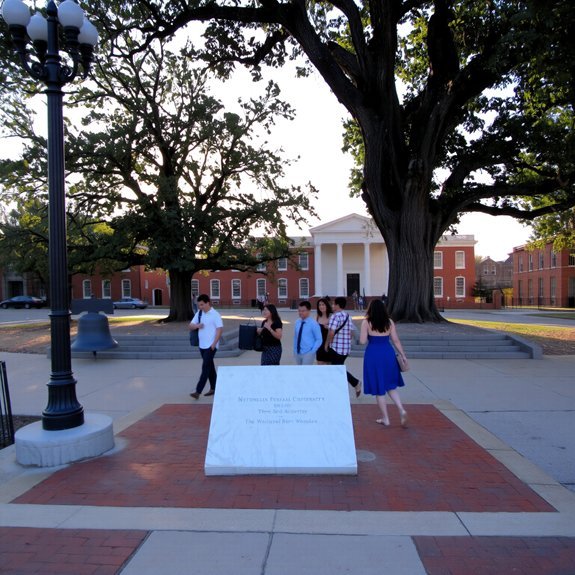
    Picture a campus where history hums in the brickwork and the breeze carries old speeches like ghosts with good manners. You step onto quad grass that remembers protests and picnics, you smell fried chicken at a noon cookout, you hear marching band brass that jolts your spine awake. I’ll tell you straight: an HBCU is any college or university founded to serve Black students, especially when other doors were locked. You’ll find tight classes, professors who call roll by first name, alumni who answer your late-night texts. These places mix academic rigor with soul — mentorship, cultural affirmation, community safety nets — and they keep producing leaders, artists, innovators. I say this with affection and a wink; you’ll feel it the moment you visit.

    Origins and Early History of HBCUs

    bravery in building education

    When slavery finally loosened its grip, and even before Reconstruction wrapped its arms around the South, people who’d been denied schooling turned stubborn and brilliant: they built schools. You can almost smell chalk and sawdust, hear laughter and prayer, feel the first pages turning. I’ll be blunt, you’d have to be brave — and a little stubborn — to teach in a one-room schoolhouse with no heat. Here’s what you should know:

    They built schools with grit and faith—chalk, sawdust, laughter, and the stubborn courage to teach without heat

    1. Freed people organized churches and schools, pooling labor, money, and prayers.
    2. Northern missionaries and philanthropists sometimes helped, bringing books, teachers, and awkward suits.
    3. States and private donors established the first Black colleges, often repurposing modest buildings.
    4. These early institutions taught practical trades, literacy, and leadership, planting seeds you still see today.

    HBCUs’ Role During Segregation and Civil Rights

    hbcus empowering civil rights

    You’ll see how HBCUs kept classrooms lit, even when the rest of the town closed its doors, chalk dust in the air and students hunched over books by lamplight. I’ll show how those same campuses trained organizers and lawyers, the people who marched, negotiated, and won key fights—sometimes with nothing but a pencil and a stubborn grin. Stick with me, you’ll meet the teachers who taught courage, and the students who turned lessons into history.

    Education Amid Segregation

    Even though laws and polite talk said “separate but equal,” I know from old photos and my granddad’s stories that classrooms at Black colleges were anything but separate in spirit; they buzzed with the smell of lemon oil on wooden desks, the chalk dust stuck in students’ nostrils, and the low hum of organs after chapel. You walk those worn halls in your head, you feel the grit and the giggles. Teachers patched textbooks, stretched lessons, made brilliance out of scraps. You learn how community becomes curriculum. Consider what mattered most:

    1. Tight-knit mentorship, where professors tutored you like kin.
    2. Resourcefulness: labs revamped from kitchen tables.
    3. Cultural affirmation, songs spilling from dorm aisles.
    4. Civic awareness, growing quietly, stubbornly bold.

    Training Civil Rights Leaders

    Those worn halls didn’t just teach algebra and history, they made organizers. You stroll past cracked steps, smell old books and lemon cleaner, and you can almost hear debate teams sharpening arguments. Professors pushed you to question, to draft petitions, to rehearse speeches under flickering lights. You learned strategy in cramped offices, coded messages in library stacks, practiced calm when angry crowds arrived. Alumni returned with war stories, mentors who tutored patience and courage. You stood on granite steps, felt wind and possibility, handed out flyers that smelled like glue and hope. It’s funny, you think you came for a diploma, but you left knowing how to lead a movement—compassionate, stubborn, and ridiculously well-prepared for history’s next curveball.

    Academic Programs and Areas of Strength at HBCUs

    You’re about to see how HBCUs mix serious brainpower with real-world grit, and I’ll admit I get a little proud saying it. You’ve got razor-sharp STEM labs and research teams, cozy liberal-arts classrooms that sharpen thinking, and practical professional programs that send graduates into jobs with confidence — picture microscopes, lively debates, and suited interns hustling downtown. Stick with me, I’ll point out standout programs, surprising partnerships, and a few hero professors who make it all click.

    STEM and Research Excellence

    When I walk into an HBCU lab—lights humming, coffee steam curling off a student’s notebook, the faint metallic tang of solder in the air—I feel a buzz that’s part science fair and part family reunion; it’s loud, alive, and seriously productive. You get hands-on training, but also mentorship that won’t let you float away. Faculty push you, cheer you, and sometimes cry at graduations—don’t tell them I said that. You see prototypes on benches, data on whiteboards, and students presenting at conferences like it’s Tuesday night trivia.

    1. Research opportunities that put you in faculty labs, fast.
    2. Industry partnerships that help you land internships.
    3. Grants and centers focused on minority STEM talent.
    4. Networks that turn classmates into collaborators.

    Liberal Arts Foundations

    If the lab felt like a family reunion, the classroom feels like a debate over Sunday supper—spirited, loud, and full of stories you’ll still be arguing about at midnight. You sit in a circle, textbooks open, coffee cooling, while a poet reads a line that makes you flinch, then laugh. You’ll study history with elders’ voices, dissect novels until meanings pop like corn, and sketch ideas in margins until a plan appears. These programs sharpen how you think, speak, and listen, not just what you memorize. Professors call you out, hand you challenging prompts, and push you toward clarity. Expect readings that smell like old paper, lively seminars, and projects that turn opinion into craft. You’ll leave sharper, curious, and ready.

    Professional and Career Programs

    Practicality matters—especially when a paycheck is on the line and student loans are whispering in your ear. You want skills that translate, and HBCUs deliver career-ready programs that smell like coffee in late-night labs and feel like handshakes at job fairs. I’ll be blunt: they train you to work, not just think.

    1. Nursing and allied health — clinical hours, scrubs, steady paychecks.
    2. Education — classroom drills, lesson plans, real kids, real growth.
    3. Business and entrepreneurship — pitch nights, spreadsheets, bold ideas.
    4. STEM and tech — coding sprints, lab coats, industry hookups.

    You’ll get mentorship, internships, and alumni who call you by name. It’s practical, gritty, and surprisingly joyful — like a hardcover manual with a wink.

    Cultural Life and Community at HBCUs

    Music. You step onto a quad, and brass and bass hit you like a warm handshake, drums snapping underfoot. You smell barbecue, sunblock, old books; laughter threads through the air. You join a circle where students trade stories, rehearse steps, and argue over the best soul food spot — loudly, lovingly. I watch you learn ritual names, secret handshakes, campus chants that make the whole place hum. Late nights, candlelit study sessions become pep talks; professors drop wisdom between jokes. Homecoming feels cinematic, the band a living heartbeat. Clubs invite you to lead, to fail, to try again. You leave with friends who keep you honest, mentors who push you, and memories that stick, fragrant and stubborn.

    HBCUs’ Impact on Black Professional Representation

    Ten thousand resumes won’t capture what HBCUs do for Black professional life, but watch one campus send its graduates into a courtroom, classroom, or boardroom and you’ll get the idea. You see graduates who walk confident, hair catching sunlight, briefcases clutched like trophies. I’m telling you, you feel it in the lobby hum and the school colors worn like armor.

    1. Networking: mentors point, doors open, introductions happen — you hear names stay.
    2. Culture: classrooms echo with stories, history smells of books and coffee, identity fuels careers.
    3. Leadership: student gov reps practice speeches, bosses notice poise, promotions follow.
    4. Pipeline: internships, alumni referrals, job fairs — the conveyor belt works, reliably.

    You smile, because you know this matters.

    Contemporary Challenges Facing HBCUs

    Even though they light up rooms with confidence, HBCUs wrestle with real pressures that can make you worry aloud, and I’ll be honest—I do worry. You see cracks when you inspect budgets, hear tension in shrinking campus maintenance, and smell old brick and coffee during late-night strategy sessions. Enrollment dips hit like surprise rain, funding fights feel loud and personal, and facilities sometimes beg for repair. You want classrooms that hum, not creak. Faculty workloads swell, younger students crave modern tech, and donors get picky. I roll my eyes, then take notes, because hope’s stubborn here. You can taste resilience in student protests, feel alumni grit at fundraisers, and know these challenges are solvable, if folks rally.

    How HBCUs Are Evolving in the 21st Century

    When I walk onto an HBCU quad today, I still smell jasmine and old books, but now there’s also the faint hum of charging stations and a drone leafing through a campus map—little signs that these places are reinventing themselves on the fly. You see tech labs where you’d expect only study groups, and career centers hustling with alumni mentors who actually email back. You’ll notice renovated dorms, green spaces turned into pop-up markets, and faculty blending TikTok lectures with deep archive work. It feels like tradition and trend dating, not divorcing. You get community coding nights, startup incubators, and cultural festivals livestreamed. Small changes, big energy. Here’s what’s shifting for you:

    1. Updated tech and maker spaces
    2. New industry partnerships
    3. Modernized facilities
    4. Hybrid learning models

    Why HBCUs Matter for Students and Society Today

    I can feel the change buzzing underfoot — drones, charging cords, new lab smells — and that same energy is why HBCUs matter to you and to the rest of society. You walk into a classroom that cares about your name, your history, your laugh, and your stubborn questions. You get mentors who push, employers who notice, networks that feel like family and work like a rocket boost. Society benefits when more minds like yours lead medicine, law, tech, arts, and politics — diversity isn’t decoration, it’s survival strategy. You learn resilience, civic muscle, and how to translate roots into influence. So yes, HBCUs are sentimental and tactical, cozy and catalytic — they teach you how to change the world, and then hand you the toolkit.

    Conclusion

    You’ll find HBCUs teaching you history with heart, training you for careers with grit, and lifting your voice with pride — I’ve seen it, I’ve felt it, I cheer for it. You’ll taste campus food that’s comfort and culture, hear chapel songs that steady your steps, meet mentors who open doors. You’ll grow, belong, lead. Trust me, it’s more than college: it’s a launchpad, a home, a movement. Choose it, and show up.
  • What Is an HBCU and Why Do They Matter Today?

    You likely know HBCUs as colleges founded to educate Black Americans, but they’re also essential engines for opportunity, culture, and leadership today. They’ve shaped careers, sustained communities, and advanced scholarship under difficult conditions. Understanding their history, strengths, and ongoing challenges shows why policy, investment, and partnerships still matter—so let’s examine how these institutions continue to influence equity, the economy, and American higher education.

    Key Takeaways

    • HBCUs are colleges and universities founded before 1964 to educate and serve Black Americans.
    • They provide culturally affirming education and mentorship that improves retention and graduation rates for Black students.
    • HBCUs produce disproportionate shares of Black professionals in STEM, education, medicine, business, and law.
    • They act as economic anchors, creating jobs, spurring local businesses, and supplying regional workforce pipelines.
    • Despite funding and infrastructure challenges, HBCUs drive leadership development, civic engagement, and innovation.

    Defining Historically Black Colleges and Universities (HBCUs)

    empowering black education and community

    Think of Historically Black Colleges and Universities (HBCUs) as institutions created before 1964 with the primary mission of educating Black Americans when segregation barred them from many other colleges; they include public and private schools that still center Black student success, culture, and community. You’ll recognize HBCUs by legal designation and by mission: they’ve cultivated curricula, support systems, and campus life that respond to Black students’ academic and social needs. You should view them as durable structures that produce degrees, leadership, and cultural capital while addressing persistent equity gaps in higher education. Analytically, HBCUs combine targeted recruitment, mentoring, and civic engagement to raise graduation and mobility rates. Practically, they function as community anchors and innovation sites shaping policy and workforce diversity.

    The Origins and Early History of HBCUs

    foundations of educational empowerment

    When you trace HBCUs back to their origins, you’ll see they emerged in the aftermath of slavery and during Reconstruction as deliberate responses to denied educational access for formerly enslaved people and free Black communities; religious groups, philanthropic organizations, and Black leaders founded the earliest schools to teach literacy, vocational skills, and civic knowledge. You can view these institutions as pragmatic solutions to exclusion, designed to build individual capacity and communal leadership. Their early curricula balanced basic literacy with trades and teacher training, reflecting social and economic needs. Consider three defining features of that era:

    1. Mission-driven founding by churches, northern philanthropies, and Black activists.
    2. Focus on literacy, vocational training, and teacher preparation.
    3. Local community support and adaptive governance models.

    The Role of HBCUs During Segregation and the Civil Rights Era

    hbcus education and activism

    You see how HBCUs provided essential education under Jim Crow, offering rigorous instruction and professional training when other institutions barred Black students. They also became centers for activism, where classrooms, churches, and student organizations shaped leaders and strategies for the Civil Rights movement. That dual role—educating minds while organizing social change—helped sustain community resilience and political progress.

    Education Under Jim Crow

    Although legally barred from white institutions and routinely denied resources, Black colleges and universities became essential sites of learning, leadership, and resistance during Jim Crow and the Civil Rights era. You relied on HBCUs to provide rigorous instruction, vocational training, and cultural affirmation when other options were closed. They built professional pipelines for teachers, doctors, and lawyers who served segregated communities. They preserved Black intellectual traditions and cultivated civic confidence that fed later movements.

    1. Curricula focused on practical skills and liberal arts to prepare you for constrained labor markets.
    2. Faculty mentored students in scholarly rigor and ethical leadership despite material shortages.
    3. Institutions coordinated community uplift—health clinics, libraries, and teacher training—that stabilized daily life.

    That legacy shaped opportunities you still see today.

    Centers for Activism

    Building on their roles as educators and community anchors, HBCUs also became hubs of organized resistance, where classrooms, dormitories, and student newspapers turned into planning rooms for protest. You’ll see how faculty mentored leaders, students coordinated sit-ins, and campus networks linked local communities to national movements. HBCUs provided intellectual frameworks—courses on law, history, and sociology—that grounded tactics in moral and legal reasoning. They offered safe spaces for strategy, fundraising, and training in nonviolent direct action, while alumni and clergy amplified campaigns beyond campus. By preserving records and shaping narratives, these institutions guaranteed that local struggles informed federal policy and public opinion. Understanding this role clarifies why HBCUs remain crucial civic incubators even today.

    Academic Programs and Areas of Excellence at HBCUs

    When HBCUs tailor curricula to community needs and cultural legacy, they create academic programs that excel in both technical fields and the liberal arts. You’ll find rigorous STEM training—engineering, nursing, computer science—paired with strong programs in history, literature, and the arts that center Black perspectives. That combination prepares you for workforce demands and leadership roles.

    1. STEM and Health: focused, often with high licensure and placement rates.
    2. Business and Public Policy: practical management, entrepreneurship, civic leadership.
    3. Arts and Humanities: critical inquiry, cultural scholarship, creative industries.

    You should expect hands-on labs, research mentoring, internship pipelines, and faculty who integrate community priorities into syllabi. This alignment produces measurable outcomes: higher degree completion in targeted areas and pathways into graduate study and professions.

    Campus Culture and the Importance of Culturally Affirming Environments

    You feel a stronger sense of belonging at HBCUs because campus rituals, music, and communal practices reflect your history and values. Those cultural traditions are actively preserved through ceremonies, student organizations, and curriculum choices that reinforce identity and pride. That affirming environment doesn’t just comfort you—it shapes academic engagement and long-term success.

    Sense of Belonging

    Although HBCUs grew from necessity, they now offer more than historical refuge—they create campus cultures where students feel seen, supported, and empowered to succeed. You’ll notice how intentional policies, mentorship, and peer networks reduce isolation and improve retention. Sense of belonging shapes academic risk-taking, identity development, and career trajectories.

    1. Structured mentorship: you get guidance from faculty who understand your context and expectations.
    2. Peer networks: you join cohorts that share goals, cultural references, and mutual accountability.
    3. Institutional supports: you access counseling, affinity groups, and advising tailored to your experiences.

    Analytically, these elements interact—mentorship amplifies peer support, institutional programs formalize belonging—so you navigate college with confidence and clearer pathways to achievement.

    Cultural Traditions Preserved

    Many HBCU campuses keep dozens of cultural traditions alive—homecomings, step shows, convocation rites—that give students a continuous sense of history and identity. You experience rituals that link you to generations who resisted exclusion and built institutions where Black excellence could flourish. Those practices aren’t decorative; they transmit values, communal memory, and norms that shape leadership, scholarship, and civic engagement. By participating, you learn culturally specific forms of expression and collective responsibility that mainstream campuses rarely teach. Administrators and faculty intentionally preserve these customs to foster culturally affirming environments that support retention and achievement. In that context, traditions become pedagogical tools: they contextualize academic work, reinforce social networks, and produce graduates grounded in a legacy of resilience and purpose.

    HBCUs as Engines of Leadership and Professional Development

    Leadership thrives at HBCUs, where institutions intentionally cultivate the skills, networks, and confidence students need to lead across sectors. You gain hands-on leadership through student government, mentoring programs, and faculty-guided research that translate into real managerial competence. HBCUs emphasize professional readiness alongside civic responsibility, so you leave prepared to navigate organizational politics and community expectations.

    1. Career preparation: internships, alumni pipelines, and tailored advising sharpen your market fit.
    2. Leadership labs: experiential programs build decision-making, public speaking, and team management.
    3. Network density: concentrated alumni engagement offers mentorship, sponsorship, and job referrals.

    This focused ecosystem accelerates leadership identity formation and practical skill acquisition, giving you credibility and resilience in workplaces that demand both technical skill and cultural intelligence.

    Economic Impact of HBCUs on Local and National Communities

    You’ll see that HBCUs aren’t just educational institutions but major local employers and workforce pipelines that train talent for regional and national markets. Their presence fuels nearby small businesses and services while campus procurement and events circulate dollars through local economies. Beyond that, HBCU research and innovation often spill over into startups, partnerships, and patents that boost broader economic growth.

    Jobs and Workforce Development

    Because HBCUs have long combined rigorous education with targeted career training, they’re key engines for job creation and workforce development in both local and national economies. You’ll see graduates entering high-demand fields—STEM, education, health care—prepared with practical skills and professional networks that employers need. HBCUs also align programs with regional labor gaps, reducing mismatches and lowering hiring costs.

    1. They supply talent pipelines through internships, apprenticeships, and industry partnerships.
    2. They upskill existing workers via continuing education and certificate programs.
    3. They diversify sectors by increasing representation in leadership, technical, and public-service roles.

    You can rely on HBCUs to deliver measurable workforce outcomes: higher employment rates, stronger earnings trajectories, and improved labor-market resilience.

    Local Business Growth

    HBCUs drive local business growth by acting as economic anchors that generate jobs, attract spending, and stimulate entrepreneurship in surrounding communities. You’ll see restaurants, bookstores, housing, and service firms expand to meet student and staff needs, which boosts local revenue and tax bases. When HBCUs source locally, they create supply-chain demand that sustains small businesses. You can also track increased consumer confidence where steady campus employment smooths economic cycles. As alumni stay or return, they launch ventures that leverage campus networks and cultural knowledge, filling market gaps others overlook. Your municipal planners can partner with HBCUs to coordinate workforce training, procurement policies, and infrastructure investments that amplify these spillover benefits without relying solely on external capital.

    Research and Innovation Spillover

    When universities translate research into real-world solutions, they spark a cascade of economic activity that reaches beyond campus—so you see startups form, patents get licensed, and established firms tap university expertise to innovate faster. At HBCUs, that spillover matters because you gain technical talent, community-rooted projects, and culturally relevant approaches that firms otherwise miss. Your local economy benefits when faculty-led labs commercialize discoveries and students launch ventures. Nationally, HBCU innovations diversify supplier networks and broaden the types of problems being solved.

    1. Commercialization: you get patents, licenses, and startups that create jobs.
    2. Talent pipeline: graduates feed regional firms with skilled workers.
    3. Knowledge diffusion: collaborations spread best practices and technologies.

    These mechanisms amplify economic resilience and inclusion.

    Challenges Facing HBCUs in the 21st Century

    Although they carry a legacy of resilience and achievement, historically Black colleges and universities face a complex set of challenges in the 21st century that threaten their stability and mission. You see constrained funding streams—limited endowments, state disinvestment, and competitive federal grants—that force tough choices about programs and student support. Enrollment pressures compound this: demographic shifts, rising tuition sensitivity, and recruitment competition make retention and persistence harder. Infrastructure and technology gaps hinder teaching, research, and online offerings, while accreditation and compliance demands strain administrative capacity. You also confront external perceptions and policy environments that can marginalize HBCU priorities in higher education planning. Addressing these challenges requires targeted investment, strategic partnerships, and policy reforms tailored to HBCU contexts.

    Notable HBCU Alumni and Their Contributions

    Because they blend rigorous education with community uplift, graduates from historically Black colleges and universities have shaped politics, arts, science, business, and social movements in ways you’ll recognize across American life. You can trace leadership patterns: HBCU alumni often bring community-rooted perspectives and networks that change institutions and cultural norms. Consider specific contributions and what they signify:

    1. Political leadership — alumni who’ve held elected office translate civic learning into policy, showing how representation alters agendas.
    2. Arts and culture — creatives from HBCUs reshape narratives, expand visibility, and influence mainstream taste while mentoring new voices.
    3. Science and business — researchers and entrepreneurs apply problem-solving skills to close gaps in health, technology, and economic access.

    These examples show how education plus mission-driven training produces measurable societal impact you can observe and assess.

    The Future of HBCUs: Innovation, Partnerships, and Policy Needs

    As HBCUs adapt to shifting demographics and a fast-changing economy, they’ll need to innovate in academics, partnerships, and policy to stay essential and expand their impact. You should expect curricular updates that align with growth sectors—technology, health, green energy—while preserving cultural studies that sustain community identity. Forge cross-sector partnerships with industry, research institutions, and local governments to secure internships, funding, and applied research opportunities that boost student outcomes. Advocate for policy reforms that address predictable funding disparities, student support services, and infrastructure modernization. Use data to demonstrate return on investment for public and private backers. By combining targeted innovation, strategic alliances, and focused policy engagement, you’ll help HBCUs remain engines of social mobility and incubators of leadership for decades.

    Conclusion

    You’ve seen how HBCUs teach, protect culture, and power communities—think of Spelman’s legacy like an old oak: one grad once told me receiving her degree felt like finding saplings beneath its branches, ready to grow. With HBCUs producing nearly 25% of Black graduates in STEM at a fraction of institutions, they’re not relics but living roots. You’ll keep needing them—to nourish talent, anchor economies, and deepen democracy for generations.