
You walk into a chapel-turned-classroom, smell chalk and coffee, hear laughter and a choir practicing next door — that’s where HBCUs began, built by freedpeople, churches, and a fierce hunger for schooling. I’ll tell you how they balanced Bible study and vocational drills, raised lawyers and poets, then became engines of Black progress; think grit, gowns, community kitchens — and then some. Stay with me, because the next part flips the script.
Key Takeaways
- Freedpeople and churches founded HBCUs after the Civil War to provide urgent, community-funded education for formerly enslaved people.
- Northern philanthropists and clergy supported mission-driven curricula combining literacy, moral instruction, trades, and classical learning.
- Institutions like Howard, Fisk, and Tuskegee produced Black professionals, leaders, and cultural institutions during segregation.
- HBCUs served as community hubs—hosting cultural life, mentoring students, and preserving Black heritage and resilience.
- Today HBCUs boost social mobility, local economies, and innovation despite funding, enrollment, and policy challenges.
Origins in the Reconstruction Era and the Rise of Freedpeople’s Schools
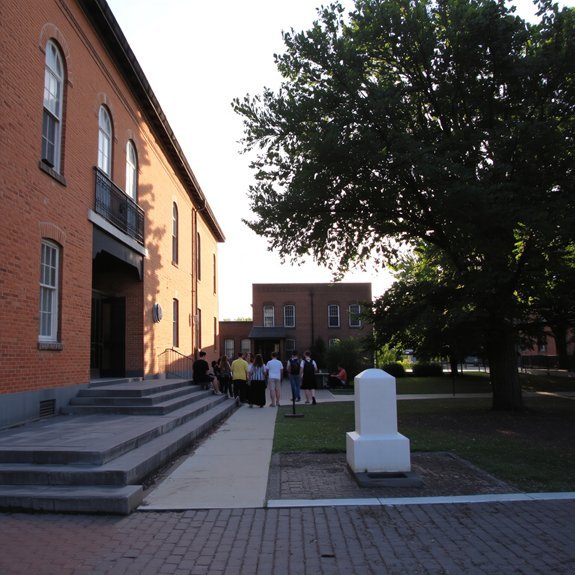
When the Civil War ended, folks didn’t just walk away from bondage and hope education would magically appear; they built it, brick by stubborn brick. You can almost see the smoke-streaked hands laying those bricks, feel the grit under your nails, hear laughter and sermons mixing with hammer strikes. You walk into a one-room school, squinting in sunlight, kids crowding benches, a woman at the chalkboard teaching letters and pride. You learn that freedpeople insisted on learning, pooled pennies, bargained for land, and turned tents and churches into classrooms. It wasn’t tidy. It was urgent, loud, messy, glorious. You’d call it stubborn love, and you’d be right—because hope, here, wore work boots and taught reading on Saturday.
Religious and Philanthropic Roots of Early HBCUs
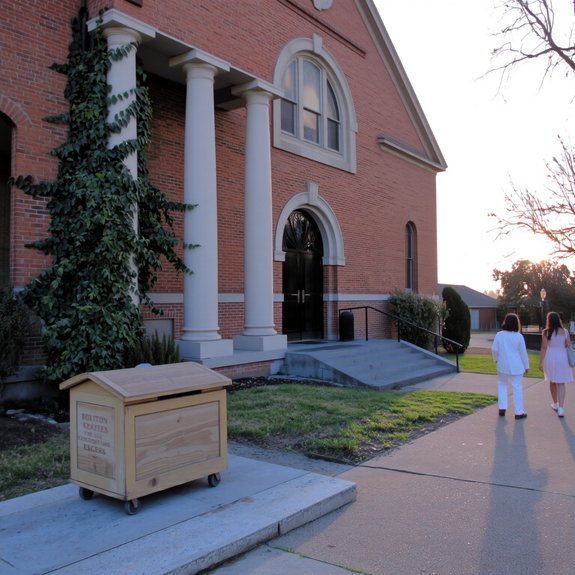
You’ll notice many early HBCUs started with churches leading the charge, pastors rolling up their sleeves, classrooms smelling of chalk and hymnals. Northern philanthropists brought cash and suitcases of books, you can almost hear the carriage wheels and polite handshakes, and those gifts steered schools toward moral instruction alongside reading and arithmetic. I’ll show you how missions shaped curricula, how donations shaped campuses, and how faith and funding danced an awkward, influential waltz.
Mission-Driven Church Sponsorship
Because faith and practical need often walked into the same room, early HBCUs grew out of church basements, crowded revivals, and the pockets of determined philanthropists who couldn’t stand idly by—so I’ll say it plain: these schools were built by people who prayed hard and paid harder. You walk into that story smelling hymnals and hot coffee, hearing muffled sermons, feeling hands pass hymnbooks and pennies. I tell you this because you need to know who showed up. Churches didn’t just bless schools, they ran them, fed students, hammered desks, and taught literacy.
- Clergy organized classes in parish halls.
- Women’s auxiliaries sewed uniforms, raised funds.
- Pastors tutored, counseled, recruited students.
- Congregations provided land, labor, and love.
Northern Philanthropic Support
Though they sat miles from the pews and hymnals that birthed so many Black colleges, Northern donors and mission boards leaned in hard, sending money, textbooks, and sometimes a painfully earnest white teacher who’d never seen a Southern summer; I’ll tell you, they showed up with checkbooks, wagons, and awkward optimism. You can smell kerosene lamps and hope, hear chalk on slate, feel envelopes thump on rough pine desks. You watch men in frock coats argue budgets, women stitch uniforms, missionaries teach spelling with fervor and misplaced manners. You notice names—funders, abolitionist allies, church auxiliaries—stamped on buildings, plaques, pride. You squint at ledgers, count dorms, and realize their cash opened doors, even if their manners didn’t always fit the room. You’ve seen the complexity, yes, and the good.
Religious Curriculum Influence
Those ledgers and hymnals didn’t just pay for roofs and pencils, they scripted the classrooms too, and I’ll tell you, the result was a curious little blend of Bible study and bookkeeping. You walk into an early HBCU classroom and you smell ink, you hear hymn lines under arithmetic drills, and you grin because faith taught discipline, and discipline taught survival. I’ll admit, I chuckle at the mix — God and ledgers sharing a desk. You see how mission boards shaped syllabi, and northern donors nudged practical skills. The blend mattered.
- Prayer opened classes, numbers closed budgets.
- Moral instruction paired with vocational training.
- Clergy taught reading, then applied it to contracts.
- Hymns reinforced punctuality, pens followed.
Landmark Founding Institutions and Their Founders

Picture a dusty campus path at dawn, the air crisp with possibility and the smell of ink and chalk—now you’re standing where history was made. You see founders pacing, hat in hand, stubborn hope in their eyes. You hear the clack of typewriters, a hymn hummed low, a woman bargaining for books, a man sketching a classroom. I point out Fisk, Howard, Tuskegee—names that stuck because people refused to let promise fade. You meet founders like Myrtilla Miner and Booker T. Washington through the traces they left: a sturdy building, a handwritten ledger, a lesson plan scrawled on a slate. You feel their urgency, their politics, their faith, and their plain stubborn love for teaching. You grin—because you’re standing in their work.
Curriculum, Vocational Training, and the Debate Over Classical Education
You see it in the classroom and the workshop, I tell you—chalk dust clouding my shirt, the scent of warm metal from the forge, a stack of arithmetic problems beside a sewing pattern—and then the argument kicks in. You watch educators wrestle with purpose, hands-on skills against classical texts, each side sincere, each side loud. I laugh, then point: students need both grit and grammar. You want choices, pathways, dignity.
Chalk dust and sewing patterns — HBCUs taught both grit and grammar, giving students pathways and dignity
- Practical trades taught respect, paid bills, built futures.
- Liberal arts stretched minds, fed civic courage.
- Some feared vocational tracks limited ambition.
- Others argued classical-only schooling ignored immediate needs.
I nudge you: balance isn’t compromise, it’s survival, and HBCUs kept inventing routes that worked.
HBCUs During Segregation: Community Centers and Cultural Hubs
When legal doors were nailed shut and signs pointed “Whites Only,” we turned campuses into everything a town was denied: theaters, clinics, churches, debate halls, and yes, kitchens where the steady clank of pots sounded like defiance. You’d walk past classrooms and hear gospel rehearsals, smell cornbread, catch a student repairing a radio in the shop. I watched faculty double as doctors, preachers, mentors; they patched wounds and ambitions with equal skill. Friday nights meant plays, poetry, marching bands that rattled windows and roused hearts. Folks held meetings in basements, debated strategies over coffee, taught each other trades and civics. Those campuses kept culture breathing, taught pride out loud, and made community a practiced art. You can almost hear the laughter now.
Legal Battles, Desegregation, and Shifts in Enrollment
You’ve seen the courtroom flashbulbs and felt the hush when Brown v. Board overturned “separate but equal,” and you’ll want to know how that ruling rippled through campuses and communities. I’ll walk you through the legal fights that followed, the funding shifts that pinched budgets, and the enrollment changes that surprised administrators and students alike. Picture crowded registration lines thinning, donors shifting their gaze, and professors retooling courses—this is where policy meets people, and stories get messy and interesting.
Brown V. Board Impact
Although the Supreme Court’s 1954 decision in Brown v. Brown shifted legal ground, you’ll see HBCUs didn’t vanish overnight, they pivoted. You watch campuses buzz differently now, classrooms filling with cautious hope, faculty trading courtroom fatigue for curriculum hustle. I mention this because it matters to you, and to me, too — we both feel the tug of history and the beat of daily life on these quads.
- Legal victory opened doors, but didn’t sweep out inequality.
- Desegregation forced HBCUs to redefine identity, pride, purpose.
- Black communities relied on HBCUs for culture, mentors, stability.
- Courts changed law, campuses changed strategy, lives changed slowly.
You sense resilience here, smell old libraries, hear marching footsteps.
Enrollment and Funding Shifts
Because courtrooms can change laws faster than money moves, I want you to picture a campus quad humming with anxious hope, folding chairs set up for yet another enrollment fair, and a bursar’s office where the tension tastes like old coffee. You watch enrollment dip as desegregation opens other doors, enrollment rebounds when recruiters sell culture and care, and budgets wobble like Jell-O during a thunderstorm. I tell you, courts forced integration, but they didn’t fund the pivot. You hear counselors whisper, “We’ll adapt,” and you smell fundraising dinners, rubber chicken and all. You count grants, state cuts, tuition swaps, alumni pledges. You lean in because every number alters classrooms, dorm dinners, and who gets called first when opportunity knocks.
Contributions to the Black Professional Class and Leadership
Picture a bustling campus quad at sunrise — I can almost hear sneakers squeaking, see textbooks slap shut, smell strong coffee and ambition. You walk through corridors where professors guided future doctors, lawyers, scholars, and leaders, and you feel history underfoot. I point out how HBCUs trained you not just in facts, but in confidence, civic duty, and public voice. You learned to lead meetings, argue policy, and mentor younger students — real-world chops.
- Mentorship that turned curiosity into careers.
- Tight networks that opened otherwise closed doors.
- Alumni who became judges, CEOs, elected officials.
- Leadership labs: student gov, debate, community organizing.
I wink, admit I’m biased, and tell you: their legacy still shapes who runs the room.
Economic Impact and Role in Social Mobility
When I walk the campus my shoes scuff up old pennies and new dreams, and you can almost taste the promise in the air — hot coffee, fresh paper, ambition heating up like a radiator in winter. You see graduates stepping into town, wallets thicker, ideas louder. You watch small businesses bloom near dorms, baristas learn names, landlords fix porches. HBCUs train teachers, nurses, entrepreneurs, turning classroom hours into paychecks and pride. You feel social mobility as a gentle shove — first-generation students standing taller, families betting on diplomas, communities keeping talent home. It’s economic engines and soul-work combined. I joke I can’t balance a budget, but these schools do: they grow human capital, spur local jobs, and remake futures one diploma at a time.
Contemporary Challenges: Funding, Enrollment, and Policy Pressures
If you walk past an HBCU campus on a weekday morning, you’ll smell frying bacon, hear a marching band warming up two blocks away, and see administrators juggling budgets like they’re auditioning for a circus — and I’ve been in that circus, tripping over spreadsheets like it’s a new dance move. You feel the squeeze: funding gaps, enrollment dips, policy pressure snapping at your heels. I talk straight, because sugarcoating won’t fix payroll.
- State funding cuts, shrinking endowments, and aging facilities demand creative fixes.
- Declining enrollment, competition, and demographic shifts force recruitment hustle.
- Policy mandates, accreditation stress, and compliance eat staff time.
- Donor fatigue, unequal philanthropy, and media narratives strain morale.
You roll up your sleeves, you negotiate, you laugh, you persist.
Innovations, Cultural Influence, and the Future of HBCUs
You’ll see HBCUs pushing the edges of academics and tech, hands-on labs buzzing, code flashing on screens, and professors laughing when their experiments explode (metaphorically, mostly). I’ll point out how their music, art, and campus traditions have shaped broader culture, from jazz clubs to viral homecoming parades that smell like barbecue and sweat and joy. Then we’ll map the road ahead—new partnerships, funding puzzles, and big opportunities you can bet will keep these schools surprising us.
Academic and Technological Innovation
Because HBCUs didn’t wait for permission to innovate, they’ve been quietly reshaping academia and tech for decades—I’m here to tell you about the smart, scrappy ways they keep doing it. You’ll see labs humming, students soldering, code glowing on screens at midnight, and professors turning scarcity into clever momentum. I walk campus halls with you, smell coffee and solder, hear laughter and urgent typing. You get practical training, mentorship that feels like family, and pipelines into industries that often ignore you.
- Rigorous hands-on programs that build job-ready skills fast
- Community-centered research solving local problems, not just papers
- Affordable access to cutting-edge labs and equipment
- Networks that turn small startups into lasting enterprises
Cultural and Artistic Impact
Music hums through these halls, and I swear the floors remember every rehearsal. You walk in, and brass, bass, and spoken word wrap around you like a familiar coat. I grin, because you can’t miss the murals, the quilts, the murals again—each stitch, each brushstroke a story wired into campus bones. Choirs lift afternoons into gospel that makes your chest ache in the best way. Theatre students sweat through quick changes, swear by one perfect line, then laugh it off with popcorn breath. Fashion shows parade history down the runway. Jazz riffs teach you patience, poetry demands truth, and cuisine from kitchens smells like home. You’ll leave humming a new tune, carrying culture you didn’t know you needed.
Future Challenges and Opportunities
If we want HBCUs to keep humming a new tune into the next century, we’ve got to reckon with both bright ideas and stubborn problems, and I’m not talking about vague pep talks — I mean real plans that smell like coffee at dawn and the scratch of proposal pens. You’ll need nimble tech labs, old-school mentorship, and campus gardens that teach resilience. I’ll say it plain: funding fights aren’t sexy, but they’re the drumbeat. You can push innovation, protect culture, and welcome change without losing soul.
- Invest in tech that feels human, not cold.
- Build alumni pipelines that actually work.
- Guard archives, songs, and recipes like treasure.
- Partner locally, think globally, act kindly.
Conclusion
You’ve seen how HBCUs rose from freedpeople’s schools to cultural powerhouses, and they still matter—big time. I’ll bet you didn’t know HBCUs graduate nearly 25% of Black professionals in STEM and education, despite being under 3% of colleges—wild, right? Picture classrooms humming, old brick smelling faintly of coffee and chalk, students laughing between labs. Keep them funded, keep them proud, and you’ll keep a ladder open for generations—no nostalgia, just results.