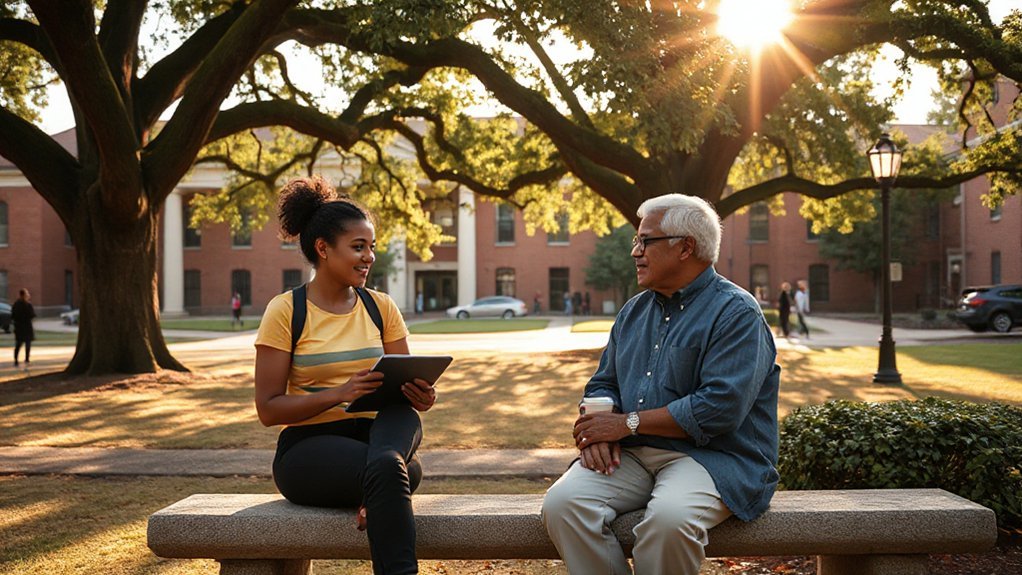
Like a compass in a crowded quad, I’ll help you find direction: you’ll spot mentors everywhere if you know what to look for. Walk into lectures, club meetings, and alumni panels, listen more than you talk, and introduce yourself with a short, honest line—“I’m curious about your work”—then ask one clear question. Be reliable, show up with notes, and follow up; that first small ask turns into real guidance, if you handle it right.
Key Takeaways
- Attend faculty office hours and introduce yourself with a clear goal to identify accessible mentors.
- Join campus organizations and alumni events to meet engaged staff, alumni, and peer mentors.
- Observe professors’ teaching and involvement to select approachable, supportive faculty mentors.
- Send concise, respectful messages requesting a brief meeting and specify what guidance you seek.
- Maintain relationships with regular updates, gratitude, and concrete progress reports to sustain mentorship.
Why Mentorship Matters at HBCUs

Because you won’t learn everything in a lecture hall, you need someone who’s walked the same campus paths and can tell you where the shortcuts are. You’ll want a mentor who hears your nervous laugh, notices the way you clutch your backpack, and nudges you toward the student center before you overthink registration. I’ll be blunt: professors teach content, mentors teach context. They’ll point out hidden scholarships, introduce you to lunchtime traditions, and warn you about the vending machine that eats quarters. You’ll gain confidence, clarity, and a map for career moves, faster than you’d manage solo. Picture late-night coffee, candid texts, and a hand on your shoulder when campus feels huge. It’s practical, human, and wildly undervalued — go find one.
Where to Look: Faculty, Staff, Alumni, and Peers
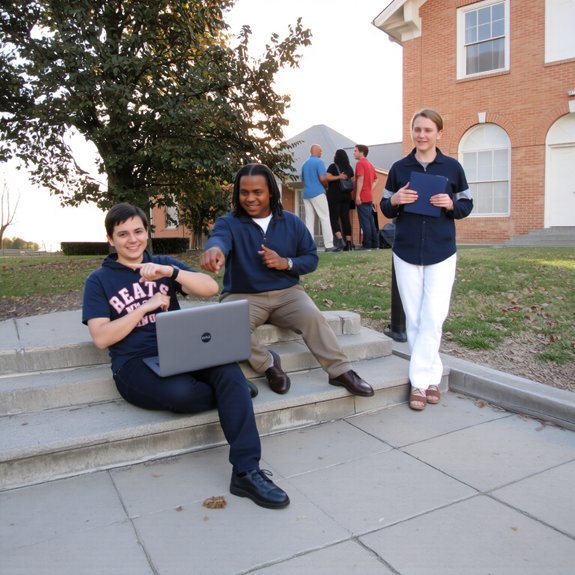
If you wander the quad long enough, you’ll start to notice who moves like they belong — professors with coffee-stained syllabi, staff who answer the phone like it’s their personal mission, alumni in alumni polos who can’t stop smiling, and students who already know the best late-night study spot; I’m telling you, those are your people. I’m saying look up, listen, and lean in. You’ll find mentors in plain sight.
- A professor waving office hours like a welcome flag, chalk dust on their sleeve.
- A staff member filing forms with encyclopedic patience, speaks your name twice.
- An alum laughing about their first dorm prank, offers job leads over fries.
- A peer pulling an all-nighter, sharing notes and honest critique.
Preparing Yourself: Goals, Questions, and First Impressions
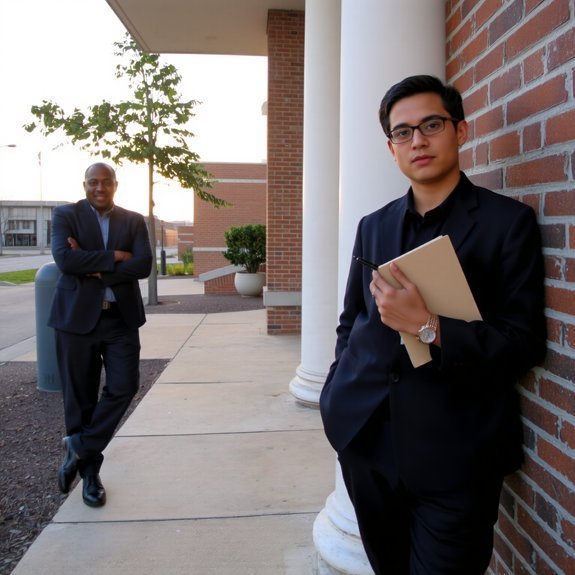
Think of this like packing for a trip—you wouldn’t show up to a mountain hike in flip-flops, and you don’t want to wander into a mentor meeting with nothing but vague hopes and a blank phone screen. Get clear on one to three goals—skill, internship, or life advice—write them down, fold them into your pocket like a secret map. Jot specific questions: “How did you handle X?” “Who should I meet next?” Practice a quick intro, say it out loud, watch it feel less ridiculous. Dress tidy, breathe, smile—your handshake and eye contact tell more than your résumé. Bring a notebook, a pen that works, and curiosity. Leave with a follow-up plan, not a vague promise; that’s how trust starts.
How to Make the First Contact
You’re about to send that first note, so keep it short, sharp, and friendly—say who you are, why you’re reaching out, and one specific question or ask. Pick the right channel: email for formal asks, campus text or DM for casual reach-outs, and always double-check tone and timing before you hit send. I’ll show you how to craft a message that smells like effort, not desperation, and lands in their inbox looking like a pro.
Craft a Concise Message
Want to grab their attention without sounding like a robot? I’ll keep it short, sharp, and human. You’re writing one message, so make every word pull its weight. Start with a warm hello, name them, say why you admire their work, then state one clear ask — a 15-minute chat, feedback on a resume, or a classroom visit. Paint a tiny scene, smell the campus coffee, mention a recent talk, and sound real. Try this imagery:
- A quick hello, like a nod across the quad.
- A sentence that smells like campus coffee and late-night study.
- One clear ask, precise as a clock at 3 p.m.
- A polite close, “Thanks — I appreciate your time.”
Keep it human, confident, and short.
Choose the Right Channel
How do you want to knock on their door — email, DM, or the old-fashioned hallway hello? I say pick one that fits the mood, and your courage level. Email feels official, tidy, polite; DM’s are quick, casual, a little cheeky. Hallway hellos let them see your shoes, your smile, your timing. Match channel to faculty vibe — formal professor, go email; energetic campus leader, slide into DMs; friendly advisor, say hi between classes. Whatever you choose, open with context, mention a class or event, and ask one simple question. Don’t overexplain, don’t ghost if they reply, and bring a USB smile — metaphorically or literally. Follow up once, then know when to step back.
Building Trust and Setting Expectations
If we want mentorship to feel less like a mystery ritual and more like a reliable lifeline, we’ve got to build trust from day one, and that starts with plain talking and clear rules. You show up honest, they mirror honesty. Say what you need, and ask when you don’t get it. Set meeting cadence, preferred contact, and a quick fail-safe for missed sessions — human stuff, not paperwork.
- Sit face-to-face, smell coffee, notice nervous laugh.
- Exchange simple goals, three bullets, no fluff.
- Agree on feedback style: blunt, gentle, or in memes.
- Promise confidentiality, and keep it.
I joke, I fumble, but I keep promises. You’ll want somebody steady; be that person too.
Leveraging Campus Programs and Student Organizations
When you wander into a campus fair and the aroma of popcorn mixes with sweaty entrepreneurship flyers, don’t just grab a sticker — scan the room like it’s a buffet. I tell you, clubs and programs are tasting menus. Walk booths, smell ambition, ask for names. Join a student org that fits your spark; attend a workshop; volunteer at panel prep. You’ll meet faculty advisors, alumni leaders, grad students—people who actually know campus shortcuts. Sit near the front, ask one smart question, then follow up by email with a line that makes them grin. Use career services, tutoring centers, cultural groups, frat/soror councils; they host mentors in disguise. Track events on calendars, show up early, bring snacks—everyone remembers the human who brings snacks.
Maintaining Long-Term Mentoring Relationships
Because keeping a mentor relationship alive takes more than good intentions, you’ve got to treat it like a project you actually enjoy—think of it as tending a stubborn, brilliant plant that sometimes sulks. I tell you, water it with gratitude, prune with honest updates, and don’t forget the occasional silly note — mentors like surprises that smell of effort. Keep routines, and spice them.
- Send quick wins, like a bright postcard of progress.
- Schedule short check-ins, five minutes that feel like espresso.
- Bring questions, not monologues, like a curious kid with a flashlight.
- Celebrate tiny victories, confetti optional, sincerity required.
You’ll learn the rhythms, I’ll cheer when you do, and the plant will bloom.
Conclusion
You can do this. Walk into events, breathe the cafeteria buzz, and spot someone who lights up talking shop — then say hi. I’ll admit, reaching out feels awkward, but most mentors love being asked; they’re flattered, not threatened. Send a short message, suggest coffee, bring clear goals, and follow up with progress snaps. Keep it warm, show up, and let the relationship grow. You’ll end up guided, grounded, and a little bolder.