
About 70% of people report stress around holiday family gatherings, so you’re not alone — and that’s both comforting and terrifying. I’ll tell you how to walk in calm, set a boundary without sounding like a sitcom villain, deflect Aunt Linda’s political zingers with a joke and an exit plan, and use a pocket-sized grounding trick when your chest tightens; picture the lemony dish soap smell from the kitchen, breathe out, and keep one conversation safe — but first, let me show you a quick script that actually works.
Key Takeaways
- Prepare mentally with deep breaths, positive affirmations, and a calm, steady mindset before arriving.
- Set clear boundaries using brief, assertive statements and repeat them calmly if challenged.
- Redirect tense topics with light pivots like family stories, traditions, or neutral questions.
- Use discreet escape plans and code words with a trusted ally for a quick, graceful exit.
- Manage emotions by pausing, grounding with breath or sensory cues, and excusing yourself to reset.
Prepare Yourself Mentally Before You Walk In
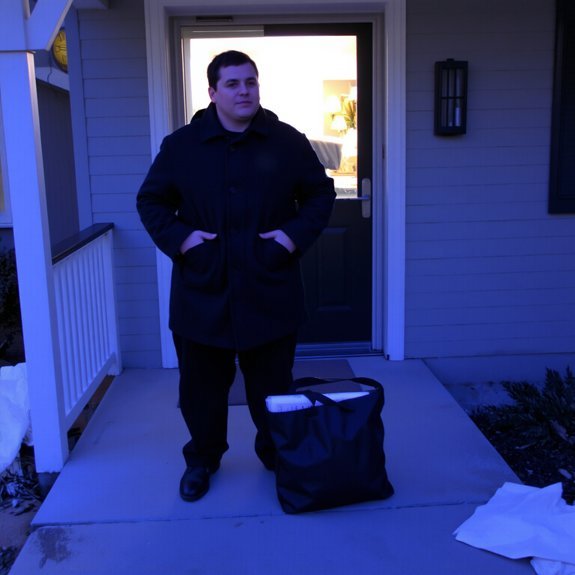
If you want the evening to survive your relatives intact, get your head in the right place before you cross the threshold. I tell you this like a friend who’s been kicked out of enough dinners to have a loyalty card. You sit in the car, breathe, and do a quick mindful meditation — five deep breaths, feel the cold air, count to four — and you’ll notice your shoulders drop. Say a few positive affirmations out loud, awkwardly if you must: “I’m calm, I’m kind, I’ll leave if I need to.” Picture the couch, the smell of gravy, the chatter, and give yourself permission to enjoy small things. You’ll walk in steadier, less reactive, ready to steer the night with a smirk.
Set Clear Boundaries Without Sounding Hostile
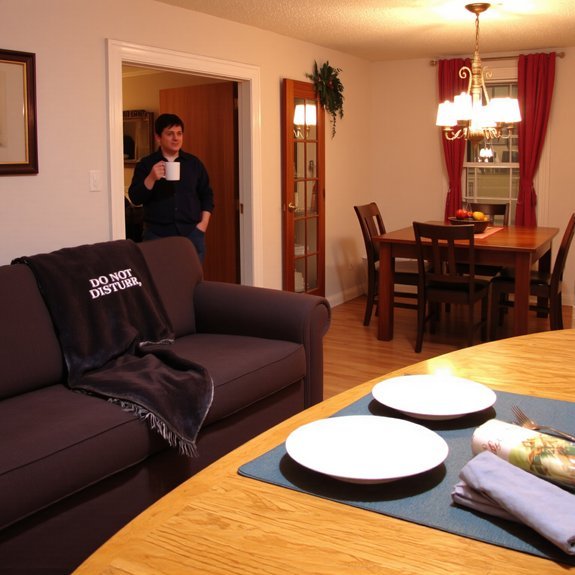
When you walk in, plant yourself like a nice, unmovable fern by the snack table and decide what you will and won’t tolerate — quietly, firmly, without announcing it like a court summons. I keep it simple, I breathe, I scan the room for trouble and for the chocolate. Use assertive communication: short statements, calm tone, eye contact. Say, “I don’t discuss politics today,” or, “Please don’t comment on my choices,” as tidy boundary examples. You’ll sound human, not hostile. Offer alternatives—“Let’s talk movies instead”—and mean it. Move, refill a plate, smile through the waffle-iron small talk. If someone pushes, repeat your line, slower. It’s boring to argue with a fern, and suddenly everyone leaves you alone.
Redirect Conversations Gracefully

You’ve got your fern stance down, breath steady, plate full of compromise—now let’s steer the conversation away from the political pothole without sounding like a broom. I tell you, smile like you mean it, nod, then drop a harmless pivot: “Oh, speaking of traditions, remember Aunt June’s weird pie ritual?” That little nudge swaps political topics for cozy family traditions, and people snag the thread. Use a vivid hook, mention smells, laughter, a clumsy kid with gravy on their chin. Offer a short story, a question, or a silly rule: “Whoever burns the rolls buys coffee.” Speak plainly, keep tone light, be quicker than the argument, and don’t sound superior. You’re guiding, not policing, and that’s persuasive.
Use Exit Plans and Safe Signals
You’ll want a quick, agreed escape plan — a code word, a fake call, or a pretext that gets you out the door without a scene. I’ll say it plain: pick a discreet safety signal with your partner or friend, a subtle touch or phrase that tells them you need backup, no shouting required. Imagine this — you squeeze a shoulder, they flash the car keys, and you both make the graceful exit like seasoned holiday spies.
Quick, Agreed Escape
If things start to smell like a passive-aggressive casserole, you need an exit plan—and I swear, it’s not cowardice, it’s survival. I tell you, map a quick getaway before dessert, so when voices climb and knives metaphorically flash, you can slip out like a ninja with casserole on your sleeve. Agree on an escape plan with a sympathetic ally, rehearse a believable excuse, and keep your phone charged.
- Say “I promised to drop off pies,” then actually leave.
- Text code words to a partner for timing.
- Keep keys in your hand, coat ready, shoes near the door.
- Have a parked-car moment: breathe, laugh at yourself, drive away.
Discreet Safety Signals
Wondering how to bail gracefully without staging a soap-opera exit? I’ve got a playbook. Pick a code phrase with your ally — “time for pie” or “runner needs air” — then practice. Use body language cues: a palm up, a tilt of the chin, a slow glance at the door. They’re visual, clean, impossible to mishear. Pair those subtle gestures with a planned excuse, something believable and quick, like a call or a sudden errand. When drama spikes, deliver the line, touch the arm lightly, and move. You’ll feel clever, slightly sneaky, and relieved. It’s humane. You avoid fireworks, preserve faces, and get home with your sanity intact — bonus: you’ll get pie.
Manage Your Emotional Reactions in the Moment
Okay, breathe — you’ve got this, even if Uncle Joe’s comment lands like a cold splash. Pause before you fire back, press your feet into the floor, name three things you can see, and tell yourself a one-line truth; it’s okay to say, “I need two minutes,” then stand up and reset the scene. Short boundaries work: “I won’t discuss politics,” said calmly, then shift to dessert or the coat rack, no drama, just you steering the ship.
Pause Before Responding
Because holiday conversations can flip from cozy to combustible in a single casserole dish passing, you’ve got to learn to pause before you reply. I tell you—take a beat. Feel your chest, try mindful breathing, and lean into active listening like your social life depends on it. Don’t mouth off mid-chew.
- Count to three, slow breaths, notice temperature in your throat.
- Repeat the last neutral phrase they said, mirror tone, steady hands on cup.
- Ask one calm question, buy time, watch eyes soften, cookie crumbs forgotten.
- Excuse yourself briefly if needed—air, hallway, sink—reset your posture, straighten a napkin.
You’ll look less volatile, sound less defensive, and keep holiday peace, mostly.
Use Grounding Techniques
Pausing helps, but sometimes that three-count isn’t enough—your stomach’s doing backflips and your jaw’s clenched like you swallowed a small, angry violin. I tell you this because grounding beats spiraling. Use mindful breathing: inhale four, hold two, exhale six, feel the air cool your throat, count quietly, repeat. Name five things you see, four you touch, three you hear, two you smell, one you taste. Sensory awareness drags you back to now, away from imagined feuds. Press your feet into the floor, feel the carpet grit, wiggle your toes like a stubborn toddler. Sip water, note its warmth. Say a short, neutral sentence under your breath. You’ll come back calm enough to choose your next move, not react.
Set Short Boundaries
If your cousin starts lecturing you about your life choices, you don’t have to swallow it like a whole lemon—set a short boundary instead. I tell you, blunt and kind, that you’ll listen later, or you’ll step outside for air, or you’ll change the subject, and you mean it. Short boundaries are immediate, tiny shields. They’re practical self care strategies you can use without drama.
- Say, “I’m not discussing this now,” then sip your drink and breathe.
- Walk to the kitchen, grab a cookie, reset your mood.
- Use a timer: five minutes away, then return calm.
- Offer a redirect: “Tell me about your trip,” or hand over the conversation.
These boundary examples keep you steady, human, and in charge.
Repair Relationships After Tense Encounters
You’ll want to tackle the fallout fast, like wiping cranberry sauce off your sleeve before it sets—awkward, sticky, and oddly permanent if you let it dry; I speak from experience. You breathe, count to five, then text a simple invitation: coffee, a walk, apology if needed. Say you’re sorry for what you did, or for what happened, without a lecture, without making them guess. Offer specifics, aim for mending fences, and mean it. Ask one question, listen like it’s oxygen, then mirror back their feeling. Suggest small steps to rebuilding trust—short meetups, clear promises, follow-through. Expect stumbles, laugh at your own clumsy attempts, and keep showing up, slowly patching the tear until it holds.
Conclusion
You’ll survive this—promise. Prep with a five-minute breath, set one firm boundary, and have your escape phrase ready (“Soup’s cold!”). Remember, 70% of people report holiday stress, so you’re not dramatic, you’re human. I’ll nudge you to redirect with a joke, breathe into your feet when voices rise, and text your ally for a “rescue” ride. Go in hungry for pie, not arguments, and come out proud you kept your cool.