Tag: first-generation students

  • How to Support a First-Generation HBCU Student

    How to Support a First-Generation HBCU Student

    You’re the person they call when the wifi dies at midnight and the syllabus looks like a foreign language, so show up: sit with them at the tutoring center, bring snacks to late-night study sessions, help sort FAFSA emails, and cheer when a professor actually replies—don’t fake it, just be steady, listen, ask good questions, and connect them to mentors who’ve been there; I’ll tell you how to do all that and why the history of HBCUs matters, but first—what’s the toughest thing they’re facing right now?

    Key Takeaways

    • Help them navigate financial aid and scholarships by researching opportunities, reviewing applications, and encouraging persistence with small awards.
    • Connect them with campus resources—advisors, tutoring centers, and mental health services—for academic and emotional support.
    • Encourage time-management routines and study plans, including micro-rituals and regular progress check-ins.
    • Foster community by introducing them to mentors, student organizations, and HBCU cultural events that celebrate legacy and belonging.
    • Validate their experiences, model self-care, set boundaries, and check in regularly to support mental health.

    Understanding the HBCU Experience and Its History
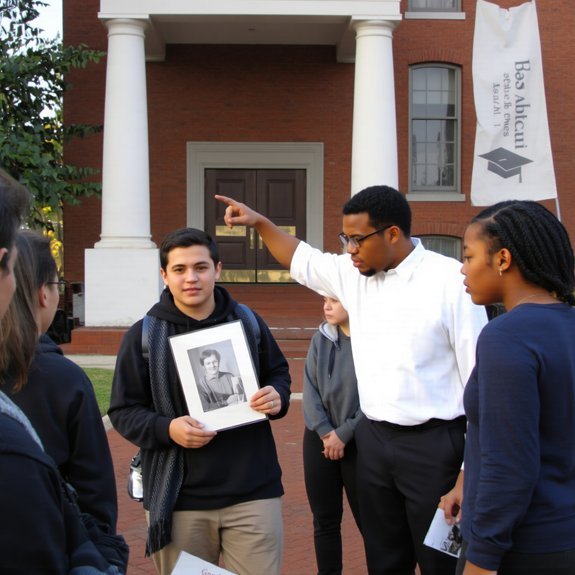
    hbcu campus rich history

    When you walk onto an HBCU campus, you can almost hear history humming under your feet — brick paths that know names, banners that have weathered decades, the scent of cookout smoke mixing with old books; I’ve felt that hum, and it hits you in the chest. You lean in, you listen. You’ll see portraits that stare back like relatives, hear brass bands that make your ribcage tingle, catch professors telling stories that stitch past to now. You’ll also notice hustle — students juggling jobs, classes, activism, joy, the whole messy beautiful thing. Ask questions, show up at events, sit in on a lecture, taste the food. Be curious, stay humble, celebrate loudly, and let history teach you.

    scholarships budgeting application assistance

    You’ll want to hunt down every scholarship that fits—federal, state, HBCU-specific, and the quirky little ones nobody tells you about—and I’ll warn you, the forms love to hide like socks in a dryer. Start a simple budget, track groceries, gas, and that late-night coffee habit, and you’ll actually see where the money’s sneaking out; I promise spreadsheets don’t bite. Ask for help with applications, compare award letters out loud like you’re bargaining at a market, and celebrate every small win with a ridiculous victory dance.

    Finding and Applying Scholarships

    Curious where the money’s hiding? I’ll say it: scholarships are everywhere, you just need a flashlight. Search HBCU websites, departmental pages, local businesses, church groups, and national databases—Fastweb, College Board, and niche sites for your major. Set up alerts, bookmark deadlines, and keep a checklist. Write a tight, honest essay, have someone proofread it, and tailor each application—don’t send the same one like a generic casserole. Gather transcripts, recommendation letters, and a polished resume; scan them cleanly, name files clearly, and submit early. Apply to small awards; they add up. Be persistent, celebrate small wins, and track submissions in a simple spreadsheet. I’ll remind you: rejection stings, but new entries keep the hunt fun.

    Practical Student Budgeting

    Three rules I live by: know what’s coming in, know what’s going out, and don’t pretend ramen counts as a food group. I tell you this like a friend handing over a neon sticky note. Track income — grants, loans, paychecks — write them down, feel the relief when totals add up. Track expenses — rent, text books that cost too much, late-night Uber snacks — cut, combine, or cancel. Build a weekly food plan, shop with a list, cook one-pot meals that smell like home. Set a small emergency fund, $200 first, then $500, then breathe. Use campus resources — food pantry, tutoring, financial counseling — don’t be proud. Revisit your budget monthly, tweak it, celebrate wins, laugh at mistakes, keep going.

    Building Academic Support and Study Strategies
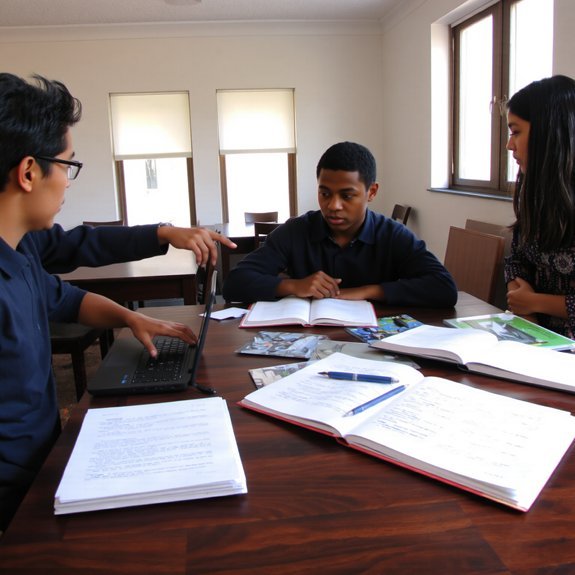
    time management and study plan

    You can tame hectic weeks with a simple time-management routine, a calendar you actually open, and a two-minute ritual to set priorities — yes, even when your to-do list looks like a monster. Walk the campus tutoring center, grab a snack at the front desk, and ask for a quick study plan; tutors love specifics, and so do your grades. I’ll show you how to stitch these habits into your day, so you feel less frantic and more in control.

    Time Management Routines

    If your week feels like a juggling act—emails dinging, classes stacking, and that one group project ghosting you—let me be blunt: time won’t manage itself. I say this because you need a routine that actually fits your life, not some Pinterest schedule that smells like fake lavender. Pick two anchor blocks: one for deep work, one for recovery. Block 90-minute study sprints, close tabs, silence your phone, breathe. Build micro-rituals: brew coffee, set a five-minute brain dump, open the book. Track one habit for 21 days, celebrate with a small reward, yes, even a cookie. Use color-coded calendars, alarms with friendly names, and a weekly check-in where you laugh at what went wrong, then fix it. You’ve got this.

    Campus Tutoring Resources

    One solid place to start is the campus tutoring center — don’t roll your eyes, it’s actually way less sad than the pamphlets make it sound. I’ll walk you through it. You drop in, the fluorescent lights hum, coffee smells like victory, tutors nod like friendly coaches. Tell them what’s tripping you up, show your notes, and watch them sketch a problem on the whiteboard. They’ll model strategies, quiz you, and hand you a checklist that actually helps. Use walk-in hours, book one-on-ones, join peer study groups that feel more like team huddles. Bring snacks, bring a hard question, bring patience. You’ll leave with clearer steps, less panic, and a tiny boost to brag about at dinner.

    Supporting Mental Health and Emotional Well‑Being

    Although college can feel like a high-stakes movie where you forgot your lines, you’ll survive—and you don’t have to do it alone. I’m telling you, check in often, listen without fixing everything, and bring snacks—serious mood lifters. Notice sleep, appetite, and the way laughter thins out; those are the small alarms. Sit with them on a dorm bench, breathe cool evening air, ask one calm question, and let silence do its work. Encourage little rituals: a morning stretch, a playlist that’s pure comfort, a five-minute journal. Validate feelings without minimizing, say, “That stinks, we’ll figure it out,” and mean it. Keep boundaries, model self-care, and show up steady—your steady matters more than perfect words.

    Connecting Them With Campus Resources and Mentors

    You’ve checked their sleep, laughed at their ramen experiments, and held space when their voice trembled—now let’s get them plugged into people and places that actually help. Walk campus with them, point out the student success center, financial aid office, counseling suite, and that little tutoring nook that smells like coffee and ambition. Introduce them to a friendly advisor, crack a joke, then step back as names stick. Text them later: “Did you meet Prof. Jones? She’s great.” Suggest student orgs that match interests, nudge them toward peer mentors, and sit in on an advising appointment once, just to demystify the script. Celebrate small wins—a signed form, a new planner—because practical support builds confidence, one concrete step at a time.

    Fostering Long‑Term Encouragement and Family Communication

    If you want this to last past the first semester, make encouragement a routine, not a holiday. I tell you, call, text, drop off a surprise care package, whatever fits your vibe. Ask specific questions: “What class wrecked you today?” not “How are you?” Listen like you mean it, pause, hum, laugh. Share wins and setbacks at the dinner table, or over FaceTime, and keep it low-drama. Teach family simple scripts: “Tell me one thing that went well.” Model curiosity, admit you don’t know the campus slang, and laugh about it. Celebrate small rituals — midterms pizza, Sunday check-ins — so support smells like home, feels like a warm hoodie, and lasts through finals.

    Conclusion

    You’ll walk with them, and by chance you’ll learn as much as they do — funny how that works. I’ll nudge, you’ll celebrate wins, we’ll all point to advising, scholarships, study spots, counseling, mentors. Pack snacks for late nights, bring earbuds for focus, and ask “how was today?” often. You’ll listen, laugh, and fail forward together. Keep the door open, the budget real, and the praise loud — they’ll thrive, and so will you.
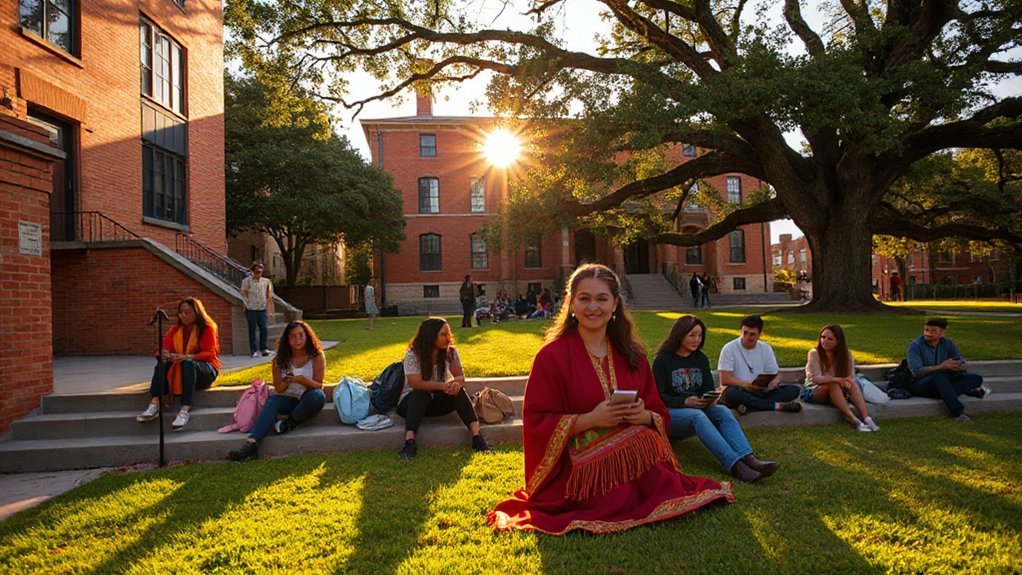
  • How HBCUs Support Diversity Beyond the Black Community

    How HBCUs Support Diversity Beyond the Black Community

    The campus felt like a potluck—one student brought cassava, another a casserole, and you could smell both before class even started—so you learn fast that HBCUs serve way more than one recipe. I’ll tell you straight: they recruit first-gen kids, welcome refugees, build global partnerships, and teach courses that actually reflect the lives in the room, while student groups throw cross-cultural events you don’t want to miss; stay with me — there’s a clever reason they’re so good at it.

    Key Takeaways

    • HBCUs recruit and support first-generation students with targeted outreach, wraparound advising, and peer study networks to boost retention.
    • Admissions and services for immigrant and refugee learners include bilingual advising, translation resources, and flexible, holistic application processes.
    • International student recruitment uses virtual fairs, consular partnerships, and scholarships to promote global campus diversity and exchange.
    • Culturally responsive curricula integrate diverse texts, local histories, and community-based assignments that validate varied student experiences.
    • Campus organizations and community partnerships host fusion events, shared cultural projects, and internships to foster cross-cultural engagement.

    Historical Context and Expansion of HBCU Missions

    history urgency adaptation community

    When you walk onto an HBCU campus, you can almost hear history folding into the present—boots on gravel, chapel bells, the low hum of a student radio station—that telling sound reminds you these schools began as urgent answers to a broken promise. You feel that urgency in brick, in dorm hallways, in professors who teach like they’re repairing a rift. You see missions expand from basic literacy to law, science, art, tech; you watch labs light up at dusk. I’ll admit, I get giddy hearing a march past the quad, like time traveling with sneakers. Conversations mix accents, languages, the clack of keyboards; you taste campus food and debate policy at midnight. HBCUs kept adapting, and you benefit from that relentless, hopeful hustle.

    Recruiting and Supporting First-Generation College Students

    targeted support for first gen students

    You’re standing at a high school gym after a recruiting visit, sweaty palms, brochures in hand, and I’m nudging you to think bigger — targeted outreach programs should meet first-gen students where they are, in classrooms, kitchens, and group chats. We’ll build wraparound academic support, tutoring that feels like a friend and advising that actually schedules your next step, not a lecture on responsibility. Trust me, it’s messy, it’s human, and it works — so let’s make the phone calls, set the study groups, and keep them coming back.

    Targeted Outreach Programs

    Because first-generation students often navigate college like hikers without a map, I make targeted outreach feel less like a cold phone call and more like handing them a flashlight and a fellow hiker’s hand. You’ll hear us at community centers, in high school cafeterias, on Saturdays at church bazaars, we’ll show up with pamphlets that actually explain money, deadlines, and jargon without yawning. I call, text, slide into DMs — politely — and invite you to campus tours that smell like fresh coffee and nervous excitement. We host info nights with real students, not robots, and set up mentors who’ll answer dumb questions at midnight. You get clear steps, deadlines circled, and someone to high-five when you beat the first obstacle.

    Wraparound Academic Support

    If we want first-gen students to stick around and thrive, we can’t just hand them a syllabus and wish them luck; we’ve got to wrap support around them like a good blanket on a cold dorm night. You’re the person who notices the nervous freshman in the library, offers a hot coffee, and says, “Okay, let’s map this out.” You set up tutoring, mentoring, financial counseling, late-night study sessions with pizza, and check-ins that actually listen. You teach them how to email professors, fill out forms, and file taxes without crying. You celebrate small wins loudly, correct mistakes gently, and keep a calendar that looks like a war plan. It’s hands-on, human, and relentless — exactly what first-gen students need to finish strong.

    Serving Immigrant and Refugee Learners

    cultural wealth and access

    You’ve got students who came here carrying suitcases, recipes, and stories in different languages, and you can make admissions recognize that cultural wealth, not just test scores. Offer clear language access — bilingual advising, translation apps, flexible placement — so they hear instructions, not noise, and can join classes without feeling lost. Pair that with on-campus legal clinics or community legal partners, and you’ll turn paperwork panic into empowered progress, trust me, it’s worth the small chaos.

    Culturally Responsive Admissions

    Three small things changed my mind about admissions: a battered backpack, a trembling translator app, and a student who said “I want to be seen” in three different accents. I tell you this because you’ll need to see people, not papers. You make space by asking different questions, by valuing interrupted careers, by accepting unconventional transcripts with curiosity, not suspicion. You train readers to notice resilience, not just GPAs. You offer flexible deadlines, holistic essays that let lived experience sing, and admissions interviews that feel like conversations, not auditions. You partner with community groups, let recommendations come from mentors who know the whole story, and celebrate multilingual resumes. Do this, and you’ll enroll learners who change your campus for the better.

    Language Access Programs

    I watched a student wrestle with a translator app, then read her file like it was a mystery novel with missing chapters, and suddenly I cared more about the language she used than the grade she got. You see these programs on campus, they look simple: tutoring, bilingual staff, workshops. But they’re alive. You’ll hear laughter in a hallway, Spanish, Arabic, Kreyòl, English braided together, textbooks swapped like mixtapes. You’ll run a conversation lab, correct pronunciation, and learn to pronounce a name properly, which matters more than you think. You’ll pair mentors who’ve been there, build bridge courses that don’t insult intelligence, and create quiet spaces for oral exams. It’s practical, human work, and yes, it’s kind of glorious.

    Count on messy paperwork and the sound of someone whispering “what does this mean?” at least once a week. You’ll see us at a folding table, coffee cooling, stamps clacking, guiding an Afghan mother through asylum forms, a teenager translating with shaky pride. We hand you pens, maps, phone chargers, patience. You’ll hear quick Spanish, warm Arabic, nervous English, laughter when a typo turns “baker” into “breaker” — we fix it together. We run clinics, partner with law schools, bring pro bono attorneys to campus, teach rights in plain language. You’ll leave with copies, a checklist, and a plan. I brag a little, because this work changes lives, one clarified sentence, one steady hand, at a time.

    International Student Recruitment and Global Partnerships

    Because HBCUs have long been hubs of resilience and creativity, we’ve got a real shot at turning international recruitment into something bold and unmistakably ours. You’ll host visitors who smell campus coffee and hear brass bands, you’ll trade stories over late-night food truck runs, and you’ll sell a vibe — warm, vibrant, and genuine. Reach out to consulates, alumni abroad, and student groups, set up virtual fairs with crisp slides and smiling faces, and offer clear, helpful admissions guidance. Build partnerships with foreign colleges for exchange semesters and joint research, negotiate scholarships that actually cover living costs, and create buddy programs so newcomers find friends fast. Be bold, be precise, and don’t forget to brag a little — modesty’s overrated.

    Culturally Responsive Curricula for Diverse Populations

    If you want students to feel seen, heard, and fired-up in the same classroom, start with curriculum that talks like real people and smells faintly of cafeteria spice and late-night library coffee; I’m talking readings that reflect students’ lives, assignments that let them bring their neighborhoods into theory, and assessments that don’t require a decoder ring. You’ll pick texts from varied traditions, toss in films, podcasts, and local oral histories. You’ll design projects where a map, a recipe, or a mixtape counts as research. I’ll coach you to scaffold clearly, give rubrics that don’t mystify, and invite community voices into lectures. Expect messy, brilliant discussions, occasional sparks, and students leaving class energized, not exhausted — learning that their experience is valid, useful, and rich.

    Campus Organizations and Cross-Cultural Student Life

    When I walk past the student center on a Thursday evening, you get the whole campus in miniature — scent of popcorn, a drum circle thumping from the quad, a table for the Afro-Latinx alliance next to a robotics club flyer taped crooked, and me, trying to decide which meeting will keep me up and which will wake me up. You’ll find student orgs that bridge cultures, swapping recipes, playlists, slang, and study tips. You’ll sit in a discussion where someone jokes, “Teach me your aunt’s sauce,” and suddenly everyone’s family history is dinner. You’ll dance at a fusion event, step miscounts and all, and learn that belonging isn’t uniform, it’s shared practice. These groups teach you to listen, laugh, and grow together.

    Community Partnerships and Outreach Initiatives

    So you leave the student center humming, popcorn grease on your fingers, and suddenly the campus feels bigger than its quad. You cross the lawn and I point out a mural we helped fund, bright as a playlist on repeat. You meet neighbors at a farmers’ market where students sell honey, professors run taste tests, and kids chase bubbles—literal outreach. You hear our choir at a community center, piano keys echoing down Main Street, and you think, wow, that’s us. We host joint internships, health fairs with free screenings, and summer camps that turn curiosity into college applications. We trade classroom time for city council meetings, swap ideas with nonprofits, and show up—sometimes with coffee, always with commitment—bridging campus and community.

    Supporting Religious, LGBTQ+, and Other Identity Communities

    Because campus identity isn’t one-size-fits-all, I make space for Sunday prayers, Pride flags, and everything in between—yes, even the weird little rituals you didn’t know mattered until you missed them. You’ll find a quiet chapel where sunlight slices the pews, a halal kitchen steam-scented at dinner, and a rainbow banner flapping by the student center. I hire chaplains, fund affinity groups, and clear rooms for midnight vigils or drag rehearsals. You can drop into a study circle, grab soup at a faith potluck, or join a conversation circle that gets real, fast. I celebrate holidays, teach respect, and intervene when bias shows its face. It’s messy, human work, and yes, sometimes I screw up—but then I fix it.

    Lessons for Predominantly White Institutions

    If you want to do diversity right, don’t copy-paste a cultural center and call it a day; you’ll end up with a pretty room and empty doors. You’ve got to listen, really listen — not that polite nodding, real listening that smells like coffee and late-night conversations. Walk campus paths, sit in classes, ask awkward questions, take notes, and act. Hire staff from communities you want to serve, give them power, and stop treating inclusion as a checkbox. Fund programs, not just publicity. Train faculty in histories they skipped, reward collaboration, and make policies that bend toward equity. Expect mistakes, apologize fast, learn faster. I’ll hold you to it — polite reform won’t cut it, genuine change will.

    Conclusion

    You’ll walk past a row of oak trees—roots twisted, branches wide—and you’ll feel the campus breathe stories not just of Black triumph, but of first-gen nerves, refugee courage, and passports tucked into dorm drawers. I’ll nudge you on, hand on your shoulder, saying: notice the classes humming with new accents, the prayer meetings, the Pride flag snapping in the wind. It’s a living quilt, stitched messy and proud, inviting you to sit, learn, and add your patch.

  • How HBCUs Support First-Generation College Students

    How HBCUs Support First-Generation College Students

    You’re stepping onto a campus that knows your name before you learn the quad’s shortcuts, and I’ll bet you’ll smell coffee and hear laughter before midnight study sessions start; mentors lean over your shoulder, advisors text like they care, and professors make room after class, honest-to-goodness. You’ll get help filling out forms, finding scholarships, and calming your parents on the phone — and that’s just the start, so stick around to see how it all clicks.

    Key Takeaways

    • Peer mentoring cohorts and senior-student guides provide emotional support, orientation, and campus navigation for first-generation students.
    • Culturally responsive curricula and classroom practices connect learning to students’ backgrounds and community experiences.
    • Financial aid counselors offer personalized help with forms, scholarships, deadlines, and simplified funding guidance.
    • Academic advisors, tutors, and study circles deliver course planning, hands-on tutoring, and strategies for academic success.
    • Institutional retention policies use early alerts, predictive advising, and emergency funding to keep students enrolled and progressing.

    The Role of Mentoring and Peer Support Networks

    supportive campus mentoring networks

    When you walk onto an HBCU campus for the first time, your chest tightens a little and your palms sweat—don’t worry, that’s normal; I felt it too. You’ll meet a senior who tucks a pizza slice into your hand and says, “You good?” That’s mentoring, up close. Peer groups form in dorm rooms, in buzzing student centers, on steps warmed by sun. You’re handed maps, tips, a parking spot of insider knowledge, and maybe a sarcastic pep talk. Faculty mentors pull you into office light, offer career leads, and push you past fear. You’ll join study circles, text threads, late-night cram sessions that end in laughter. These nets catch you, teach you to climb, and make campus feel like home.

    Culturally Responsive Curriculum and Teaching Practices

    culturally relevant teaching practices

    You’ll notice your classes change when the syllabus starts mirroring your neighborhood stories, your family rhythms, and the music you heard on the ride to campus. I’m talking professors who swap lectures for conversations, use examples that smell like Sunday dinner, and let you bring your voice into the work — it’s smart teaching, not a gimmick. Stick around, you’ll see how culturally relevant pedagogy makes learning click, and yes, it’s as satisfying as finding a seat at the cool table.

    Curriculum Reflecting Student Experiences

    Because students bring whole lives into the classroom, I insist curriculum should feel like home—not a dusty museum exhibit pretending to be relevant. You should see yourself in the readings, hear your neighborhood in the lectures, taste recipes in lab demos. I pull examples from family stories, street markets, church choirs, and old mixtapes, so concepts land fast, and stick.

    1. Use local case studies, oral histories, and familiar metaphors, so abstract ideas smell like Saturday cooking.
    2. Offer flexible assignments, let students pick topics tied to their lives, and watch confidence bloom.
    3. Build projects that invite family, invite community, invite laughter—learning that echoes beyond campus.

    I joke, I stumble, I adjust—always aiming for curriculum that comforts and propels you forward.

    Faculty Employing Culturally Relevant Pedagogy

    So we’ve made the curriculum smell like Saturday cooking and sing like a neighborhood choir — now let’s make sure the people teaching it know the songs. You’ll meet faculty who swap lecture slides for stories, who bring cooking aromas into class with metaphors you can taste. I’ll watch you notice the way they nod, adjust examples, call on students by nicknames, and laugh when a point lands. You’ll get hands-on projects, neighborhood field trips, and texts that mirror your life, not some distant footnote. They’ll bend deadlines when family crises hit, they’ll push gently when you can take more. It’s deliberate, lived, and practiced. You’ll leave class full, not just informed — someone cared enough to teach you right.

    Financial Aid Counseling and Scholarship Access

    financial aid support teamwork

    When I first walked into the financial aid office—papers in one hand, nerves in the other—I felt like I’d wandered onto a quiz show without studying; the staff smiled, handed me a clipboard, and talked like translators for a weird language called “college money.” I’ll be blunt: filling out forms and hunting scholarships can feel like digging for buried treasure with a fork, but at HBCUs you’re not digging alone—counselors sit down with you, pull up FAFSA screens, read fine print out loud, and point to scholarships that match your story, not some robotic checklist.

    Walking into financial aid felt like stepping onto a game show—except counselors handed clipboards, translated “college money,” and dug with you.

    1. They map deadlines, check eligibility, and call relatives when you freeze.
    2. They edit essays, celebrate small wins, and nudge you toward campus funds.
    3. They track renewals, warn about pitfalls, and turn jargon into plain talk.

    Orientation and First-Year Experience Programs

    You’ll get a map, but not the boring kind — we’ll walk the quad with you, point out the best coffee spot, and show where to sprint when it’s raining cats and finals. You’ll join a small peer mentoring cohort, meet your guide who once survived their first semester by eating instant noodles and asking too many questions, and trade tips in real time. I promise you won’t be left guessing, we’ll pair you up, walk you through the ropes, and laugh when things go sideways.

    Guided Campus Navigation

    Even if campus maps look like hieroglyphics at first glance, I promise we’ll turn them into treasure maps you actually want to follow. You’ll stroll with me past brick arches, feel the warm sun on your neck, hear footsteps echo in the science hall, and know exactly where to go when nerves spike. We’ll practice the walk to class, the cafeteria, the advising office, so routes become muscle memory.

    1. We’ll do timed walks, quick check-ins, and photo cues you can pin to your phone.
    2. We’ll rehearse bus stops, study spots, and quiet corners that smell like coffee and focus.
    3. We’ll map emergency exits, office hours, and the best late-night pizza run.

    Peer Mentoring Cohorts

    If you’re nervous about your first week, good—that means I care enough to fuss over you, and these mentoring cohorts were built for exactly that: to make campus feel less like a maze and more like a small, slightly quirky home. You meet your cohort on the quad, sunlight on backpacks, voices trading nervous jokes. I pair you with an upperclass guide who texts like a friend and shows you where the best late-night study snacks hide. We do icebreakers that don’t suck, mock registration drills, and walk-and-talks to the cafeteria so you learn to order without panicking. You’ll get weekly check-ins, messy whiteboard plans, and someone who’ll say, “Yep, I bombed that test too,” which somehow helps everything.

    Academic Advising and Tutoring Services

    Who do you call when your schedule looks like a puzzle gone rogue? You call advising, plain and simple. I’ll meet you in a tiny office, smell of coffee and paper, we’ll laugh, map out classes, and I’ll pull up degree audits like a magician revealing cards. Tutors wait nearby, ready to turn confusion into “aha” moments. You get clear steps, calm voices, and hands-on help.

    1. quick course planning, we line up prereqs and deadlines
    2. tutoring labs, you work problems aloud, feel the numbers click
    3. study strategies, we build routines that actually stick

    You leave with a plan, a printed checklist, and a little swagger. You’re not lost, you’re steering.

    Career Development and Internship Pathways

    When you’re staring at job boards like they’re a foreign language, I’ll be the one who translates — coffee in hand, laptop humming, LinkedIn open like a neon sign. You’ll get resume clinics that strip the jargon, mock interviews with real blunt feedback, and networking nights where you actually meet people who hire. I’ll nudge you toward internships that match your skillset, not just any checkbox on a form. We’ll role-play elevator pitches until they sound like you, not a robot. Career fairs here feel human — tables, handshake pressure tested, recruiters who remember your name. You’ll land paid internships, get credit where it counts, and build a portfolio that tells employers you belong. You won’t go it alone.

    Mental Health and Wellness Resources

    Because college can feel like a loud room where everyone’s talking at you and nobody handed you a chair, I’m here to help you find the quiet corner and a counselor who actually listens. You’ll discover campus wellness centers that smell like coffee and calm, peer support groups that meet in sunlit rooms, and counselors who text back faster than your group chat. I’ll walk you through accessing services, scheduling low-cost therapy, and using stress-busting workshops that teach breathing, sleep hacks, and panic-plan moves.

    1. Book an intake, show up, tell one honest sentence.
    2. Try a peer group, sip tea, share one thing.
    3. Use emergency resources, keep numbers, breathe.

    You’re not alone, and asking is brave, even awkward.

    Family Engagement and Community Outreach

    You’ll notice we start by inviting families to orientation, where smells of coffee and hallway chatter make campus feel like home and you meet parents who ask the exact same nervous questions you did. I’ll show you how HBCUs build community pipelines with local schools and churches, stitch together intergenerational support networks, and keep grandparents, cousins, and mentors in the loop so students don’t carry it all alone. Trust me, it’s less ceremonial ribbon-cutting and more neighborhood potluck—messy, warm, and exactly what first-gen students need.

    Family-Focused Orientation Programs

    If families feel welcome, students relax—simple as that, and HBCUs know it. You walk into orientation, scents of coffee and citrus, banners bright, and someone hands your family a schedule and a smile. I nudge you: this is for everyone. Staff lead panels, parents clap, siblings snack, you breathe easier.

    1. Guided tours: you touch campus brick, hear marching band drums, map your routes aloud.
    2. Family workshops: you learn FAFSA basics, campus safety tips, meal plan hacks, and ask dumb questions—no shame.
    3. Social mixers: you mingle, trade phone numbers, laugh at shared worries, feel like you belong.

    You leave the day lighter, confident, ready—because your people were seen, and that changes everything.

    Community Partnership Pipelines

    When I tell you community partnerships start long before campus tours roll in, I mean it — they begin at church potlucks, barber shops, and neighborhood barbecues where someone’s aunt hands out flyers like they’re golden tickets. I walk those streets with you in mind, knocking on doors, setting up resource tables, and listening—really listening—to parents who worry about tuition, schedules, and fitting in. You see workshops at the rec center, FAFSA help in the library, Saturday campus visits with free lunch and bus rides. You watch students’ cousins beam when they get admitted, because someone from the neighborhood believed first. We build trust, recruit mentors from local businesses, and keep communication flowing, so families feel invited, informed, and ready to cheer every step.

    Intergenerational Support Networks

    Because family is the first classroom, I start by knocking on doors and sitting at kitchen tables, listening to grandparents riff about scholarships like they’re gospel and kids scroll through apps with one eyebrow raised. You get pulled into stories, you taste sweet tea, you hear laughter that doubles as advice. I show up, you watch, and together we build trust that carries students across thresholds. Here’s how we do it:

    1. Host family dinners, where elders share tips, you ask blunt questions, and students practice answers out loud.
    2. Run neighborhood workshops, with hands-on FAFSA help, paper forms, and phone chargers passed like confetti.
    3. Set up mentorship chains, linking grads to cousins, neighbors to advisors, creating a living, breathing support map.

    Small Class Sizes and Faculty Accessibility

    Step into a classroom at an HBCU and you’ll feel it right away — chairs close enough to touch, sunlight sliding across the chalkboard, a professor who knows your name and your grandmother’s favorite recipe. You sit, they call on you, and you don’t flinch because the room’s small, the stakes human-sized. You get feedback that’s immediate, blunt, kind. Office hours aren’t a formality, they’re coffee chats where faculty push you, laugh with you, and hand you a roadmap when you’re lost. You ask a dumb question, they make it smart. Labs feel like workshops, seminars like heart-to-hearts. You leave class with practical tips, an ally in your advisor, and the weird confidence that someone genuinely expects you to succeed — and will help you do it.

    Institutional Policies That Promote Student Retention and Success

    If an institution wants you to stay, it won’t leave that up to chance — it builds systems that catch you before you fall. I watch advisors text, professors flag concerns, and financial aid officers open doors you didn’t know existed; you feel that net. Policies matter. They shape the small, steady acts that keep you enrolled.

    1. Mandatory early-alerts — someone notices the missing assignment, calls, and actually listens.
    2. Predictive advising — data spots patterns, advisors intervene, you get a plan that fits your life.
    3. Flexible funding — emergency grants, meal support, small loans that stop a crisis fast.

    You laugh with me when bureaucracy works. You breathe easier, you stay, and you graduate.

    Conclusion

    You’ve got this — I’ve seen HBCUs roll out the welcome mat like it’s 1965, with mentors waiting, tutors ready, and advisors who actually call you back. You’ll feel dinners, late-night study sessions, and handshakes that turn into internships. Families get looped in, counselors cut through financial fog, and professors keep office doors open. Trust the roadmap, lean on the people, and don’t be shy — they’ll help you finish strong.