Tag: HBCU

  • How to Find Accountability Partners at an HBCU

    How to Find Accountability Partners at an HBCU

    Did you know students with regular study partners boost their GPA by about a letter grade? You’ll find those people where the quad smells like coffee and late-night lights flicker — student center couches, library carrels, faith groups, club meetings — so I’ll show you how to spot the ones who actually follow through. Imagine this: you shuffle in, say a joke, swap goals, set a 10-minute check-in, and watch momentum build — but there’s one catch, and it matters.

    Key Takeaways

    • Start conversations on the quad or in student centers to meet peers with similar academic or personal goals.
    • Join study groups, faith organizations, or clubs that match your schedule and values for consistent interaction.
    • Observe reliability through attendance patterns, punctuality, and engagement before committing to partnership.
    • Propose a simple agreement with clear goals, deadlines, and weekly check-ins written visibly for accountability.
    • Use short tests like coffee check-ins and small tasks to confirm mutual commitment before deeper accountability.

    Why Accountability Matters on HBCU Campuses

    community driven accountability fosters growth

    Community matters. You feel it in crowded dining halls, that low hum of shared goals, and it’s why accountability on HBCU campuses hits different. You’ll find people who call you out—gently, loudly, with a laugh—and push you toward class, practice, or that stubborn study plan. You’ll text reminders, trade notes, sprint across quad paths, and celebrate tiny wins like a passed quiz with a high-five that smells like campus coffee. I’ll admit, you’ll sometimes dodge the call; I do, too. Still, those nudges reshape habits faster than solo promises. Accountability here mixes culture, history, and friendly pressure into momentum. You don’t just grow alone; you grow among witnesses who expect your best, and that expectation changes outcomes.

    Where to Look: Campus Spaces and Communities

    campus spaces foster connections

    Picture the quad at golden hour—students sprawled on blankets, backpacks splayed open like claim tickets—because that’s where your next accountability partner is probably sipping sweet tea and pretending to study. You’ll hear laughter, a phone alarm buzzing, someone reciting flashcards, and you’ll step in, casual but intentional. Check the library hubs, where focused chaos smells like coffee and paper, and the late-night study rooms where promises get made at 2 a.m. Don’t skip student centers, with bulletin boards full of invites, or faith groups that blend discipline with heart.

    Picture the quad at golden hour—students sprawled on blankets, alarms buzzing, study promises made over sweet tea.

    • Campus clubs: people with shared goals, obvious places to swap commitments.
    • Professors’ office hours: low-key, one-on-one chances to connect.
    • Residential events: neighbors who’ll hold you to your word.

    How to Identify Compatible Partners and Mentors

    observe actions build connections

    How do you spot someone who’ll actually show up when the group chat dies? I watch how they enter a room, whether they make eye contact, and if they ask, “You good?” instead of scrolling. Look for consistent rhythms: class attendance, study session wins, quick replies that aren’t robotic. Notice what they value—deadlines, feedback, laughs—then imagine a semester with them. Ask about past goals, hear specifics, not generic “I’m motivated.” Small tests work: suggest a short coffee check-in, see if they arrive or ghost. For mentors, pick people who teach with stories, who correct kindly, who remember your name after one awkward demo. Trust actions more than promises, and trust the little things; they reveal character.

    Starting and Structuring Effective Accountability Agreements

    Once you’ve picked solid people, you’ve got to put a little structure on the chaos—otherwise good intentions turn into sad, unread group chats and missed coffee. You and I sit across from each other, clutching campus lattes, and agree on clear goals: deadlines, check-ins, and what success smells like. Say it out loud, write it down, snap a photo of the whiteboard. Keep promises small, measurable, and kind.

    Pick dependable people, add simple rituals—weekly 20-minute check-ins, clear goals, small measurable promises, and rotating roles.

    • Set a single weekly check-in, 20 minutes max, honest and specific.
    • Define consequences and rewards, practical and low-drama, like buying lunch or doing a favor.
    • Rotate roles: timekeeper, challenger, cheerleader, so nobody burns out.

    This blueprint keeps you accountable, human, and slightly less flaky.

    Maintaining Momentum and Navigating Conflict

    If you want this thing to last past week three, you’ve got to treat momentum like a houseplant—water it often, don’t overdo the fertilizer, and definitely don’t ignore the dying leaves. I’ll be blunt: you’ll need rituals. Set short wins, text check-ins, and a tiny celebration—high-five, snack, whatever—so progress smells like cinnamon rolls, not stress. When friction hits, pause the vibe, name the problem out loud, and ask what you both want next. Don’t ghost, don’t shout, don’t noodle around with passive-aggressive memes. I keep a “fix-it” script: breathe, mirror, propose. If someone’s slipping, swap tasks, shorten deadlines, or bring in a neutral campus tutor. Keep the tone curious, kind, and stubbornly honest, and you’ll keep growing.

    Conclusion

    You’ll find your people if you quit waiting for a campus miracle and start sneaking into the quad with snacks and a plan. I’ll confess, I once mistook a study circle for a flash mob—embarrassing, but useful. Look, pick spots, test vibes with coffee check-ins, write down shared goals, and call out flaky behavior kindly. Keep it fun, firm, and honest, and you’ll build a crew that actually shows up when it counts.

  • How to Find Your People at an HBCU When You’re Shy

    How to Find Your People at an HBCU When You’re Shy

    You think you’re too shy to find your people, but HBCUs practically nudge folks together—cafes smell like coffee and collab vibes, dorm lounges hum with late-night debate, professors know your name. I’ll walk you through tiny moves that don’t feel like networking: show up to a study circle, ask one question after class, grab a seat at a club meeting and listen—small repeats build trust, and soon you’ll have a crew who gets you, but first, try this one low-stakes thing…

    Key Takeaways

    • Start small: join one club or attend a single event that matches an interest to meet people in a low-pressure setting.
    • Use recurring spaces: visit the same café, study spot, or lounge regularly to build casual familiarity.
    • Turn classmates into allies: suggest a short study session or coffee after class to grow connections naturally.
    • Leverage staff and professors: attend office hours or campus resource centers for guidance and potential mentorship.
    • Host micro-gatherings: invite a few classmates to a movie night or group project hangout to deepen relationships gradually.

    Why HBCU Culture Makes It Easier to Connect

    hbcu culture fosters connection

    Because HBCU life centers people before paperwork, you’ll feel the difference the moment you step on campus—the warm blast of a drumline, someone calling your name like they’ve known you since middle school, and that smell of coffee and books mixing in the student center. You’ll notice people actually look up, they’ll nod, they’ll ask about your weekend, and they mean it. Clubs recruit like door-to-door neighbors, professors pull you into conversations, and tradition gives you instant talking points. You don’t have to be loud to belong, just show up, grin, and say one thing: “So, what’s this about?” It’s okay to be awkward, I was, you’ll survive, and chances are, someone will adopt you by Friday.

    Low-Pressure Ways to Meet Classmates and Roommates

    low pressure social interactions

    If campus greets you like a family reunion, meeting classmates and roommates can feel less like speed-dating and more like sliding into the back of a friend’s car — awkward at first, then suddenly we’re all singing. Walk into study groups early, bring snacks, say, “I’ll trade you a highlighter for a quiz tip,” and watch doors open. Sit near the same people in lecture, smile, make one joke, repeat. Volunteer for low-stakes dorm duties, like plant-watering or movie-night setup, you’ll chat without pressure. Use hallway small talk—compliment shoes, ask about a poster, borrow a charger—those tiny exchanges stack into trust. Invite someone for coffee, not a marathon hangout; short, human-sized interactions win. You got this.

    How to Use Campus Resources Without Feeling Overwhelmed

    start small explore resources

    Wondering where to start without getting swallowed by pamphlets and campus-speak? I’d nod, squint at the welcome table, then show you a map. Walk to one office, pause, breathe. Pick one resource—tutoring, counseling, career services—and try it for one week. Say, “Hi, I’m new,” keep it casual. Bring headphones, a notebook, candy if you’re human. Staff are people, not pamphlet vending machines. Ask for a tour, an intro email, or a 10-minute meet-up. Schedule one thing on your phone, block 30 minutes, treat it like a coffee date with your future self. Leave if it’s not for you, but try again somewhere else. Small choices = less overwhelm, more wins.

    Building Friendships Gradually: Small Steps That Add Up

    Okay, so you tried one campus office and didn’t melt into a brochure puddle — good call. Now, start small. Sit at the same café table twice a week, nod, smile, offer a pastry crumb like a peace treaty. Join a low-key study group, don’t announce your life story, just share notes, ask one funny question. Say hi to the person by the water fountain, comment on their playlist, you’ll be surprised how “Hey, that song slaps” opens doors. Host a tiny movie night, text three people, keep snacks: popcorn is diplomacy. Volunteer for one event shift, arrive thirty minutes early, chat about the setup. Repeat tiny moves, they stack. Before you know it, strangers turn into weekend plans, and you’ve built your crew.

    Finding Mentors and Support Networks on Campus

    When you’re ready to stop wandering office hallways like a lost syllabus, go find people who actually want to see you win — professors who remember your name, older students who survived finals week, staff who hand out real advice, not pamphlets. I tell you: start small. Drop into office hours with a question, bring coffee if you’re nervous, laugh at your own jokes. Sit by the same tutor each week, watch their notes, copy their habits. Join that timid study group, show up twice, they’ll invite you back. Say hi to advisors, mean it. Trade contact info, follow up with a quick text. These tiny moves build a net — mentors, peers, staff — people who pull you through, not pass you by.

    Conclusion

    Think of campus like a porch swing, creaking gently until you sit long enough for someone to join you. I’ve watched you tiptoe up, clutching books, then stay — linger at a study table, wave into a club, knock on a professor’s door — and that’s enough. Small, repeated moves warm the wood. Keep showing up, say hi, ask one question. Before you know it, that swing’s full, laughter spilling into the evening.

  • How to Navigate Greek Life Events at an HBCU

    How to Navigate Greek Life Events at an HBCU

    Like a spotlight snapping on, you step into the crowd and everyone notices—so breathe, adjust your collar, and move with purpose. I’ll say this plain: dress tidy, listen more than you talk, and don’t be that person who claims a pledge handshake you never learned; touch base politely, respect space, and snag a trusted ride home, because the night’s energy is fun until it isn’t—there’s more to how you steer through the music, the names, and the unwritten rules, and you’ll want to know the rest.

    Key Takeaways

    • Dress polished-casual with a clean outfit, one confident accessory, and an extra layer for changing weather or spills.
    • Arrive with a transportation plan, park in well-lit areas, and share arrival times with a trusted friend.
    • Keep phones tucked away, ask permission before photos, and respect personal space and event traditions.
    • Engage by referencing shared experiences, listen actively, and exchange contact info with a clear next step.
    • Follow up within 24 hours mentioning a specific moment, then wait two weeks before another outreach.

    What to Expect at Different Types of Greek Events

    diverse lively greek events

    If you’re wondering what actually goes down at Greek events, let me save you time: it’s never just one thing. You’ll hit step shows where the bass thumps in your chest, hands clap in sync, and polished shoes slap the floor; frat barbecues with smoke curling, burgers sizzling, laughter bouncing off tents; mixers that feel equal parts networking and theater, where you trade quips, dance moves, and a nervous smile. Philanthropy days have purposeful energy — you’ll pack meals, chalk sidewalks, hug grateful kids. Rush info sessions are brisk, a parade of tradition and hashtags. Expect loud, proud entrances, scarves flapping, secret chants you’ll eventually Google, and a lot of welcome warmth that’s hard to resist.

    How to Dress and Present Yourself Respectfully

    dress polished present confidently

    Wardrobe is your opening line, so dress like you mean it — not like you’re auditioning for a music video or sneaking into a lecture. I tell you this because first impressions land fast, so pick clothes that fit, breathe, and move when you do. Aim for polished-casual: clean shoes, ironed top, a jacket you can shrug off if it gets rowdy. Add one confident accessory — a watch, lapel pin, subtle fraternity or sorority colors — not a billboard. Keep grooming simple: fresh scent, neat hair, trimmed nails. Bring an extra layer for chilly auditoriums, and a small stain stick because life happens. Look intentional, stay comfortable, and let your smile do the real introduction.

    Etiquette, Boundaries, and Showing Respect

    respect traditions with humility

    Because you’re about to step into someone else’s tradition, treat the room like sacred real estate — smile, listen, and don’t rearrange the furniture. You’ll want to be present, keep your phone tucked, and let the ceremony breathe; people notice posture, eye contact, the way you clap. Respect means asking before you photograph, giving space to line members, and following cues without being that awkward outsider who tries too hard.

    Treat the room as sacred: be present, tuck your phone, follow cues, ask before photographing, and move with humility.

    • Ask before you take pictures.
    • Follow verbal and nonverbal cues.
    • Respect personal space and costumes.
    • Use names and titles properly.
    • Admit when you don’t understand.

    I’ll say it plainly: mimic the rhythm, mirror the tone, laugh at your own missteps, and leave with gratitude — not souvenirs.

    Safety, Transportation, and Practical Planning

    You’ve handled the quiet parts — the nods, the claps, the “sorry, I don’t get it” — now let’s talk getting there and getting home without dramatic stories to tell later. Plan your ride, check the event page, and text one friend: “You coming?” If you drive, park in well-lit spots, lock valuables, and snap a photo of where you parked — yes, I’ve circled the lot like a confused vulture. If you’re walking, pick busy routes, stay on lit sidewalks, and keep earbuds low. Share ETA with someone who’ll actually answer. Carry cash, your student ID, and a small charger; batteries die like bad decisions. Know the nearest campus security post, set a sober exit time, and leave before you invent excuses. Safety is a habit, not a panic.

    Making Connections and Following Up

    How do you turn a casual “Hey, nice to meet you” into something that actually matters? I watch, I listen, I lean in — you smile, mention a class, I tuck that detail away. After an event, text within 24 hours, reference a joke, offer a link or coffee. Be specific, be brief, show you remembered.

    • Mention where you met, a moment, or a song that played.
    • Offer a clear next step, time, place, or ask one simple question.
    • Share a useful contact or campus tip, be generous.
    • Follow up once, don’t nag, give two weeks before another ping.
    • Keep tone bright, honest, and a little playful.

    You’ll build real ties, not just name tags.

    Conclusion

    You’ll show up polished, not flashy, and somehow bump into the same smiling face you nervously rehearsed your intro for—funny how that happens. I’ll tell you: stay respectful, dress sharp, keep hands to yourself, plan your ride, and actually follow up the next day. You’ll taste punch, hear laughter, trade a genuine story, and leave with a new contact. Do it right, and those small choices turn into steady friendships.

  • How to Finish Your Degree at an HBCU After Time Away

    How to Finish Your Degree at an HBCU After Time Away

    Funny coincidence—you bump into your old campus map in a thrift store and suddenly you want your degree back. You can do this, but let’s be honest: it takes grit, paperwork, and a tiny bit of stubborn charm; start by tracking transcripts, booking an advisor meeting, and clearing your financials, then build a plan that fits work, life, and sleep. I’ll walk you through the exact steps, no sugarcoat, just the roadmap.

    Key Takeaways

    • Request an official transcript audit and identify transferable credits and remaining degree requirements.
    • Contact the registrar for re-enrollment/readmission deadlines and submit required forms promptly.
    • Meet with your department advisor to map remaining courses and create a semester-by-semester plan.
    • Reestablish financial aid by reviewing FAFSA, exploring scholarships, and setting a realistic tuition payment plan.
    • Use academic advising, culturally affirming tutoring, mentors, and alumni networks for ongoing support.

    Assess Your Academic Standing and Transfer Credits

    assess transcripts and requirements

    If you’re anything like me, you’ve got a folder of transcripts that looks suspiciously like modern art, and now it’s time to make sense of the mess. You roll up sleeves, spread papers on the kitchen table, feel the crisp edges, squint at tiny grades, and spot courses that might actually count. Call the registrar, don’t dread it — they’re people, not myth. Ask for your official audit, list transfer credits, and mark gaps with a bright pen. Visit your department advisor, say plainly what you want, and listen when they map remaining requirements. Take photos of weird course codes, email confirmations, and save receipts. You’ll build a clean plan, step by steady step, and yes, you’ll survive.

    re enrollment paperwork and procedures

    Okay, you’ve sorted the transcript chaos and sketched out what’s left to finish your degree — now we deal with the paperwork mountain head-on. You’ll call the registrar, hear that hold-click music, and take notes like a detective. Ask about re-enrollment deadlines, readmission forms, and any required petitions; don’t guess. Bring ID, proof of residency, and those awkward old student numbers. Expect an academic advisor meeting, someone who’ll map classes and sign you back into the system. If a dean’s signature is needed, I’ll walk you through the staging—email first, then show up with coffee and resolve. Track submission receipts, scan documents, and set calendar reminders. Celebrate small wins, like a cleared hold; it feels way better than you’d think.

    Rebuild Your Financial Aid and Tuition Plan

    financial aid optimization strategy

    Okay, here’s the plan: you’ll recheck your FAFSA and aid letters, I’ll nag you like a helpful alarm clock, and we’ll spot any lost grants or changing eligibility. Then we’ll shop payment options—monthly plans, short-term loans, work-study tweaks—and pick the one that doesn’t make your wallet cry. Trust me, with a quick paper shuffle and a phone call or two, you’ll get a tuition map that actually fits.

    Reassess Aid Eligibility

    Want to keep your tuition from sneaking up on you like a surprise exam? You should check your FAFSA status first thing, light up your student portal, and print or screenshot deadlines—you’ll thank me later when panic would’ve been the only syllabus. Call financial aid, ask for an appointment, and say, “I’m back—what changed?” Listen close, take notes, and confirm residency, enrollment status, and any new dependency rules. Hunt down scholarships you missed before, reapply for institutional aid, and update income info—paperwork smells worse than it is, trust me. If appeal routes exist, file one with crisp documents and a short, honest letter. Keep copies, set calendar reminders, and celebrate small wins with coffee or a victory snack.

    Explore Payment Options

    If you’re coming back to campus and your wallet’s sending you passive-aggressive texts, let’s rebuild your tuition plan like we’re duct-taping a spaceship—practical, a little desperate, but it works. I’ll walk you through quick moves: call financial aid, ask for appeal routes, and scent the unpaid-bill panic in the air. Scan grants, scholarships, work-study; dig up alumni funds and department awards like treasure. Split payments into installments, set autopay, negotiate late fees, and find a campus job that pays in both cash and community. Consider short-term loans, but read the fine print, don’t romanticize debt. I’ll map deadlines, draft emails with you, and celebrate each payment like it’s a tiny victory parade. You can do this.

    Use Academic Advising, Tutoring, and Culturally Affirming Supports

    You should check in with your advisor every term, sit with your degree map, and say out loud, “This is my plan,” even if it feels a little dramatic. Pop into tutoring that gets you — tutors who know the culture, the jokes, the pressures — so it’s easier to ask the questions that make your brain click. I’ll keep pushing you to use these supports, because they cut confusion, save time, and actually make finishing feel possible.

    Meet With Advisors Regularly

    Because I learned early that winging it in college looks impressive only in movies, I started making my advisors my secret weapon—calendar alerts, quick check-ins, the whole nine yards. You’ll want that same steady hand. Meet monthly, bring a typed list, and don’t apologize for being direct. Say exactly what you need: degree audit fixes, transfer credits, internship leads. Watch their faces, take notes, ask for deadlines aloud. If they suggest a plan, repeat it back, like a court reporter. Keep emails short, polite, and timestamped. Use campus resources they name. Don’t ghost them when life gets loud.

    1. Prep questions before the meeting.
    2. Bring documents, transcripts, syllabi.
    3. Confirm next steps aloud.
    4. Send a one-line follow-up.

    Use Culturally Affirming Tutoring

    When a tutor actually gets where you’re coming from—your slang, your stress, that weird family dinner schedule—you study better, plain and simple. I want you to seek tutors who look, talk, and think like you, who can drop a pop-culture reference mid-proof and make the whole thing click. Tell them your time-off story, your strengths, the parts that scare you, then watch them build a plan that smells like real life, not a textbook. Meet in person when you can, feel the chalk dust or coffee steam, or hop online with camera on so they see your face. Use campus centers, peer mentors, faith-based supports, Black studies grads—anyone who affirms you. It’s not soft; it’s strategy.

    Leverage Mentorship, Alumni Networks, and Campus Resources

    If I’d known mentorship could feel like finding a secret backstage pass, I’d have hunted one sooner; now I’ll drag you into the club. You’ll find mentors who smell like coffee and practical wisdom, alumni who text job leads at midnight, and campus offices that actually answer the phone. Here’s how you grab them.

    Mentorship is a backstage pass — find coffee-scented wisdom, midnight alumni leads, and campus offices that actually answer.

    1. Knock on doors: visit professors, tell a two-line story, ask one clear favor.
    2. Join alumni events: smile, trade résumés, collect three names you’ll bug later.
    3. Use career services: schedule, prep, rehearse your pitch until it snaps.
    4. Tap student groups: sit in, listen, volunteer one hour, make friends who keep you honest.

    You’ll leave with connections, a plan, and fewer “now what?” nights.

    Create a Sustainable Plan for Academic Success and Well‑Being

    You’re not juggling plates; you’re building a rhythm, and I’ll help you rig the music. You map a weekly score: classes, study blocks, meals, sleep, and a silly break for dancing in the kitchen. I tell you to label priorities with colors—red for must-do, green for flexible—so your eyes relax, your brain breathes. You set 90-minute focus runs, then a ten-minute walk, feel sun on your face, reset. You call a friend when motivation dips; you text a tutor when a concept fogs up. You schedule campus counseling and fake it till habit forms. You track wins—small, audible—checkmarks clicking like applause. You protect evenings, say no without guilt, and celebrate progress with real, messy joy.

    Conclusion

    You can do this. I remember a classmate who left for three years, came back, and finished—she compared her credits to puzzle pieces spread across a kitchen table, coins clinking as she paid late fees, sunlight on her notebook. Treat your return like that table: sort pieces, snap them together, ask for help when a corner’s missing. I’ll cheer you on, roll up sleeves with you, and celebrate when you place the last piece.

  • How to Get Involved as a Commuter Student at an HBCU

    How to Get Involved as a Commuter Student at an HBCU

    Most campuses have commuter lounges you’ve never noticed, tucked between the cafeteria and the admin building, quiet as a secret. You can swing by after class, drop off a backpack, grab free coffee, and meet someone who actually remembers your name; I promise it beats sprinting to a parking deck alone. Pick one club, show up twice a month, try an evening mixer or Saturday service day, and you’ll start owning campus without changing your whole schedule—but there’s a trick to make it stick.

    Key Takeaways

    • Join one student organization that matches your interests and attend its short, regular meetings consistently.
    • Use the commuter lounge, cubbies, and commuter ID resources to build routine and meet fellow commuters.
    • Volunteer for micro-shifts (tabling, service projects) or weekend events with defined end times to fit your schedule.
    • Participate in virtual club meetings, live chats, and online mixers to connect when on-campus time is limited.
    • Leverage commute downtime for planning, study groups, and following student org pages for event updates.

    Why Campus Involvement Matters for Commuter Students

    campus involvement builds connections

    Because you zip in and out of campus, you might think involvement is optional — but trust me, it’s the secret sauce. You’ll bump into people between classes, smell coffee from the student center, hear a chorus rehearsing, and suddenly you’re not invisible. Join a study group, and you’ll trade notes and laughs; volunteer at an event, and you’ll feel useful, energized. I’ll admit, at first you’ll dodge commitment like it’s a pop quiz, but start small — show up, say hi, help set up chairs — and doors open. You’ll build a support net, snag mentors who push you, and collect stories that beat solo commutes. That’s how campus life stops feeling like background noise and starts feeling like home.

    Time-Smart Ways to Join Student Organizations

    join student orgs smartly

    If you’ve got a packed commute and a calendar that looks like a Tetris game, you can still join student orgs without turning your life into chaos. I’ll show you how to slip in involvement like a smooth subway transfer. Pick one club that sparks joy, scout short commitments — weekly 30-minute huddles beat marathon meetings — and ask about hybrid options. Drop a question in the org chat, swing by a single event, taste the vibe, then decide. Carve micro-shifts: office hours, ride-sharing duty, or tabling for an hour between classes. Use commute time for planning, listen to meeting recaps, and text a teammate when you’ll be late. You’ll be involved, not overwhelmed.

    Weekend and Evening Events That Fit a Commuter Schedule

    commuter friendly weekend events

    Okay, so club meetings during the week are doable, but what about the nights and weekends when you actually have time — or at least you think you do? You’ll want events that respect your commute, so look for late-afternoon mixers, Friday-night concerts near campus, and Saturday service projects that wrap by mid-afternoon. Bring a coffee, wear comfy shoes, and scope the parking situation — nothing kills momentum like circling a lot. Pop-up movie nights, food truck rallies, and open-mic jams are perfect: short, social, memorable. Volunteer shifts with clear end times are commuter-friendly, too. I’ll admit, I once stayed for three hours at a poetry slam because the vibe pulled me in — plan an exit, but also let yourself stay if it feels right.

    Using Virtual Programs and Online Student Networks

    When you can’t be on campus, go where the action is—online, but not in a boring, “watch a recording” way; I’m talking live chats, quick video hangouts, and group threads that actually feel like people, not bots. I’ll show you how to jump in without sounding like a desperate DM. Join live club meetings, drop a funny gif, ask one smart question, and suddenly you’re “that person” who comments first. RSVP to virtual mixers, pop into a study room with headphones, and say hi—your voice matters. Follow student org pages, bookmark event links, and set a two-minute check-in alarm. Try a themed chat night, bring snacks, describe the smell (yes, really), and laugh. It’s small moves, big presence.

    Campus Resources and Strategies Specifically for Commuters

    You can make campus feel like yours even if your feet never touch the quad between classes. Walk the commuter lounge, nab a window seat where sunlight warms your coffee, and claim that corner like it’s yours. Use commuter IDs, lockable cubbies, and the nursing room when you need a five-minute recharge. Check bulletin boards, both physical and digital, for pop-up events, free food, and study groups—snag snacks, network, repeat. Ride-share apps and campus shuttles become your social lifelines, so learn their schedules, trade rides, tell a joke in the car. Talk to the student affairs office; they love planners who show up. Drop into weekend workshops, join a late-night club chat, and keep a tiny emergency kit in your bag. You belong here.

    Conclusion

    Think of campus like a bright porch light, calling you in after the long drive. You can stroll over for one pizza night, hop into a Saturday service project, or click into a Zoom when traffic’s brutal. I’ll be blunt: show up a little, and you’ll feel less like a passerby and more like family. Use the commuter lounge, follow org pages, ask questions—small moves, big returns. You belong here.

  • How to Return to School at an HBCU as an Adult Student

    How to Return to School at an HBCU as an Adult Student

    Like Odysseus steering for home, you’re plotting a return—only your ship is a late-night commuter, and the sirens are FAFSA deadlines. You’ll gather old transcripts, call admissions (don’t wing it), and map credits to a degree plan while juggling work and kids—yes, you can chew gum and take notes, metaphorically. I’ll show the shortcuts, the paperwork traps, and the campus places where you’ll actually belong—so keep going.

    Key Takeaways

    • Apply early, submit transcripts, and request a transfer-credit evaluation to see how prior coursework fits your new degree plan.
    • Complete the FAFSA and research HBCU-specific scholarships, institutional aid, and employer tuition assistance options.
    • Meet with an adult-friendly academic advisor to create a flexible schedule aligning work, family, and degree requirements.
    • Use campus support services—childcare, veteran/career services, tutoring, and counseling—to balance responsibilities and boost success.
    • Join student organizations, alumni events, and study groups to build community, mentorship, and professional networks.

    Why Choose an HBCU as an Adult Learner

    community connection support belonging

    If you’re tired of feeling like a classroom was designed for someone else’s life, come sit with me—HBCUs make school feel whole again. You’ll walk onto brick paths smelling of jasmine and coffee, hear professors call you by name, and find classrooms tuned to your history and hustle. You’ll trade awkward explanations for nods of recognition, reconnect with mentors who get your life, and join study groups that start with laughter and end with real planning. You’ll count practical credits, access career networks that actually pick up the phone, and enjoy events that feed your soul and your schedule. I joke that campus feels like family reunions with better Wi‑Fi, but it’s true—you belong here, now.

    Steps to Re-enroll and Transfer Credits

    re enrollment and credit evaluation

    You’ll start by filling out the application, pulling together transcripts, and calling admissions like you mean it — I’ll pretend to be your hype person while you handle the boring forms. Then you’ll send in prior credits for evaluation, wait for that official transcript sigh, and see which classes stick and which ones you’ll need to retake. It’s practical, a little tedious, and totally doable — I’ll help you map credits to your new degree plan so nothing surprises you down the road.

    Application and Admission Steps

    After I dust off the old transcripts and wheel my anxious brain into the admissions office, I tell myself this is just paperwork—until someone slides a credit-evaluation form across the desk and my palms sweat a little. You’ll start by pulling your transcripts, ID, and any military or workplace training records. Apply online, truthfully — no creative résumés. Pay the fee or ask for a waiver. Call admissions, get a real human, and confirm deadlines. Set up your student portal, grab your login like it’s the key to a secret club. Meet with an advisor, bring questions, take notes. If you’ve got gaps, tell them why, briefly and honestly. File financial aid forms, apply for housing if needed, and mark orientation on your calendar.

    Credit Evaluation Process

    Because credits from a long-ago semester or a job-training certificate don’t magically line up with your new program, I’ll walk you through the credit-evaluation dance so you don’t get tripped up. You bring transcripts, certificates, and a bit of hope to the registrar’s window; I coach you through the checklist. We scan syllabi, match course outcomes, and sometimes beg for more paperwork — charming, right? You’ll request official transcripts, submit course descriptions, and pay attention to residency rules. The evaluator compares content, contact hours, and grades, then says “yes,” “no,” or “maybe” with conditions. If denied, appeal, provide syllabi, or consider CLEP exams. Stick with me, we’ll translate old credits into new momentum, one paper shuffle at a time.


    Financing Your Return: Aid, Scholarships, and Employer Support

    financial aid opportunities available

    If money makes you tense, welcome to the club — I sweat a little when I open tuition emails, too — but there’s a surprising toolkit out there to steady your hands. You’ll file FAFSA first, click through forms like a small, necessary pilgrimage, and yes, it feels bureaucratic, but it reveals grants and federal loans with lower interest. Hunt HBCU-specific scholarships, read with a magnifying glass, apply early, and tailor essays so they hum. Check institutional aid; schools often keep secret funds for returning adults. Ask your employer about tuition assistance, tuition remission, or flexible work-study swaps — say, “I’ll flex hours for a class,” and mean it. Stack options, negotiate, and balance aid with realistic budgets. You’ve got this.

    Finding Flexible Programs and Scheduling Options

    Wondering how you’ll squeeze class into the chaos of work, family, and life’s relentless to-do list? I’ve scoped HBCUs that offer nights, weekends, and online blends, and you can too. Look for hybrid courses that let you watch lectures in low light, on a couch, with coffee cooling beside you. Prior learning credits, accelerated eight-week terms, and competency-based paths speed things up, so you won’t linger in limbo. Ask admissions for sample schedules, probe course rotation calendars, and demand clarity on synchronous meeting times. Check tech requirements, test a platform, and imagine logging in from your kid’s soccer game. You’ll trade guesswork for a plan, and yes, you’ll still sleep sometimes — promise.

    Balancing School With Work, Family, and Life

    When the alarm goes off and you’ve already hit snooze twice, you’ll remind yourself this is worth it — and then wonder how you’ll make dinner, answer emails, and read chapter three before midnight. You juggle shifts, soccer practice, and a professor who loves pop quizzes, so you plan like a tactician. You batch-cook, set timers, and steal ten-minute reading sprints on the bus. You tell your partner, “I need Sunday afternoons,” and mean it. You carve a tiny, sacred desk space, toss distractions, and celebrate small wins with cold coffee and a ridiculous dance. Some days are messy, some are magic; you adjust, apologize when needed, reschedule with grace, and keep moving — because you promised yourself this would happen.

    Campus Support Services and Resources for Adult Students

    You’re not doing this alone — I’ll point you to the flexible academic advisors who’ll bend schedules, map credit transfers, and help you pick classes that actually fit your life. You’ll find childcare and family support on campus, a calm room to nurse or a staffed drop-in spot so you can breathe, run to class, and not feel guilty about it. And if you’re a veteran or plotting a career change, swing by veteran and career services — they’ve got the benefits paperwork, resume help, and employer contacts, and yes, they’ll high-five your hustle.

    Flexible Academic Advising

    Because adult life is noisy — kids, jobs, bills, nighttime study sessions with a mug of too-strong coffee — you need advising that actually fits your schedule and your brain, not a one-size-fits-all appointment stuck in the middle of a workday. I’ll say it plain: find advisors who meet you where you are. You want evening or weekend slots, phone or video check-ins, quick email follow-ups, and someone who remembers your kid’s name without Googling mid-call. Look for degree roadmaps that mark shortcuts, transfer-credit audits that won’t lie, and planners who help you juggle classes like hot potatoes. Ask for real talk about course load, pacing, and financial aid timing. If they can’t adapt, keep looking — your time’s too precious.

    Childcare and Family Support

    Advisors can map out your classes, but someone still has to pick up Little Marcus from soccer, or soothe a teething toddler during a midnight study cram — and that’s where campus family support steps in. You’ll find cozy on-campus childcare, drop-in hours, and emergency backups, all smelling faintly of crayons and warm milk. I’ve watched frazzled parents breathe out when a friendly caregiver hands over a coloring sheet, no judgment, just help. There are parenting lounges with soft chairs, microwave hums, and quiet corners for pumping or nap-time. You’ll join support groups, swap carpool shifts, and trade recipe hacks between lectures. Use the portal, book services early, and don’t be shy — ask for what keeps your family running.

    Veteran and Career Services

    If you’ve traded a uniform for a backpack, or you’re juggling late-night shifts with LinkedIn late-night scrolling, the veteran and career services office is the place that actually gets it. I’ve seen you—tired, proud, curious—walk in, hand a packet across the desk, and breathe. They translate military credits, untangle VA paperwork, and point you to tuition help, all while brewing decent coffee. Career counselors coach your resume into civilian-speak, schedule mock interviews that sting a little (in a good way), and connect you to employers who want disciplined, problem-solving humans. You’ll find workshops, networking nights with real snacks, and alumni who’ve been in your boots. Lean in, ask blunt questions, take the referrals, and claim the support that’s waiting.

    Building Community and Networking at an HBCU

    Want to know the fastest way to stop feeling like the oddball in a lecture hall? Join something, anything, and show up. Walk into the campus center, hear the buzz, grab coffee that actually tastes like coffee, and introduce yourself. Say, “Hi, I’m back in school,” with a grin. Sit in student org meetings, help set up events, volunteer at cultural nights, or tutor in the learning lab. Chat between classes, exchange numbers, follow people on campus apps. Use alumni mixers and career fairs to meet faculty and potential mentors. Host a study group with snacks, make a playlist for late-night library runs, and don’t be afraid to laugh at your own mistakes. Community grows when you invest time, humor, and presence.

    Conclusion

    You’ve got this — if the shoe fits, wear it. I’ll say it plain: going back to an HBCU as an adult isn’t a detour, it’s a power move. Picture crisp syllabi, warm campus coffee, advisors who actually listen, and classmates who become your crew. Juggle the job, kids, and deadlines with a plan, ask for help, grab every grant, and show up. Come back brave, stay curious, and watch doors open.

  • How to Support Your Student During Finals at an HBCU

    How to Support Your Student During Finals at an HBCU

    Funny coincidence: your kid texts you during finals exactly when you were about to microwave popcorn, so now you’re on call. You can send care packages with crunchy granola, a cold water bottle, or a tiny candle (no flames near dorms), and offer short walk breaks, earplugs, or a two-sentence pep text that actually helps. I’ll tell you how to tune their study space, lean on campus resources, and celebrate small wins — but first, breathe.

    Key Takeaways

    • Send small care packages with protein, fiber snacks, instant oatmeal, and electrolyte packets to support nutrition and hydration.
    • Offer short, scheduled check-ins and brief supportive texts to reduce isolation without adding pressure.
    • Encourage campus resources: tutoring centers, faith groups, peer mentors, and quiet study spaces in the student center.
    • Help create effective study environments by decluttering, improving lighting, providing comfort items, and rotating study spots.
    • Support mental health with active listening, breathwork or short walks, and celebrating small wins to boost resilience.

    Understanding the HBCU Finals Experience

    cafeteria coffee and camaraderie

    When finals hit at an HBCU, everything smells a little like cafeteria coffee and ambition — and yes, someone’s always frying fish down the hall. You’ll notice quiet clusters in the library, earbuds in, notebooks spread like battle plans, and you’ll learn the rhythm: group study at midnight, prayer circle at dawn, ramen at three. You watch texts fly, memes that say “you got this,” and a classmate pacing with a stack of flashcards like a drumline captain. You’ll call, you’ll visit, you’ll drop off a sticky note with a bad joke. Don’t fix everything, just listen, bring snacks, and laugh when they promise they’ll “definitely” sleep more. That’s solidarity, plain and simple.

    Supporting Physical Health and Nutrition

    healthy snacks and hydration

    You’ve seen the midnight study huddle, smelled the cafeteria coffee, heard the ramen slurp — now let’s talk bodies, because brains don’t work on vibes alone. You can drop off a care package: granola bars, fruit, instant oatmeal, a thermos for tea. Pick snacks with protein, fiber, and color, not just neon sugar — your student will thank you later. Encourage short walks between chapters, or a quick stretch video, they reset focus like a browser refresh. Offer to cook a simple dinner, bring portioned meals, or share grocery runs; it’s practical love. Hydration matters — water bottle, electrolyte packets for late nights. Be playful about boundaries: “No caffeine after midnight?” Try humor, keep it kind, and follow up.

    Encouraging Mental Health and Emotional Resilience

    supportive practical emotional guidance

    Although finals feel like a sprint through a noisy hallway, I promise you can be the calm voice in the chaos — and yes, that means showing up with more than advice. You listen, really listen, when they unload stress like grocery bags. Bring peppermint tea, offer a five-minute walk, or text a goofy meme that breaks the tension — small things, big impact. Say, “Tell me one win,” and mean it. Notice sleep, mood swings, missed meals, then gently nudge for campus counseling if needed, don’t act like you’ve got a PhD in feelings. Model breath work, set boundaries, celebrate tiny victories, and admit when you don’t know what to say. Be steady, warm, and oddly practical — they’ll notice.

    Creating Effective Study Environments

    If you want your student to actually get work done, don’t pretend a cramped dorm desk and three open tabs equal a study plan — help them build a space that says “focus” without yelling. I’ll be blunt: declutter, light, and comfort matter. Pull trash, stash snacks in a bin, swap harsh fluorescent bulbs for a warm desk lamp. Add a textured throw, a plant, noise-canceling earbuds, and a hard surface for writing. Set visual boundaries — a corkboard, a timer, a “do not disturb” sign that they’ll actually respect. Rotate spots: library booth for deep work, sunlit courtyard for reading. Pack a small kit — water, chargers, sticky notes, gum. You’re not micromanaging, you’re engineering success, one cozy, tidy square foot at a time.

    Leveraging Campus Culture and Community Resources

    When campus buzz ramps up, you should ride it — don’t pretend it’s background noise. I’ll say it straight: lean into traditions, join late-night study jams, and let the drumline’s rhythm pull focus when you need a beat. Walk the quad, smell coffee, hear laughter — those cues tell you energy’s high. Tap tutors, faith groups, and peer mentors; they know professors’ quirks, shared notes, and secret exam tips. Pop into the student center, ask for quiet rooms, snag stress-relief events. Send a quick text: “Need a 20-minute review partner?” You’ll look helpful, not hovering. Be present, not pushy. Celebrate small wins — a pizza slice, a goofy meme — and remember, community turns panic into teamwork, and finals into something survivable, even memorable.

    Practical Logistics: Time, Money, and Communication

    Since finals are a sprint, not a stroll, you’ve got to treat time, money, and communication like a relay team you’re coaching — and I’m the loud, slightly embarrassed assistant coach waving a towel. I tell you what to pack, when to call, and how to keep the rhythm without clapping too loud. You’ll set clear check-ins, stash a small emergency fund, and prep snacks that don’t crumble into keyboards. You’ll hear me nag, in a nice way, about alarms, chargers, and pocket-sized planner tricks that actually work.

    • Schedule weekly checkpoints, brief and fixed, so stress doesn’t sneak up.
    • Prep $50 for last-minute textbooks, rides, or ramen runs.
    • Text short, supportive notes, not essays.
    • Pack a charger, earplugs, and instant coffee.
    • Plan a post-finals celebration, small but glorious.

    Conclusion

    You’ve got this, even when the brain feels like a soggy notebook. I’ll be the calm voice: pack the good snacks, insist on water, and drag you outside for five minutes—no arguing. I’ll tidy your desk while you breathe, text a tutor, and throw confetti for tiny wins. Finals are a grind, not a life sentence; we’ll treat stress like a guest—offer a comfy chair, then politely show it the door.

  • How to Attend Career Fairs at an HBCU With Confidence

    How to Attend Career Fairs at an HBCU With Confidence

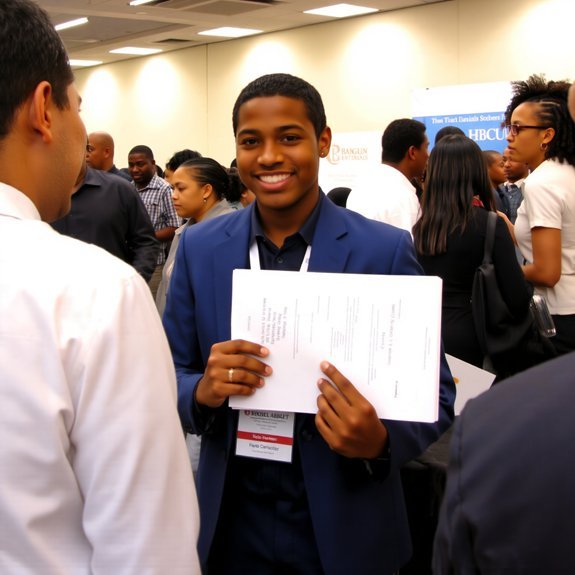
    Forty percent of internships go to students who make one strong connection at a fair, and you can be that student. Picture the gym buzz, paper resumes rustling, you in a crisp outfit that nods to your culture, voice steady—now walk up, smile, and say, “Hi, I’m [Name], I’m curious about how you support early talent.” Ask one smart question, listen, swap a card, and leave them wanting more—you’ll want to know what to ask next.

    Key Takeaways

    • Research participating employers and prepare tailored questions highlighting company initiatives and how your skills fit their needs.
    • Craft and rehearse a 30-second elevator pitch that states who you are, the role you want, and one relevant achievement.
    • Bring several polished resumes, a portfolio link or USB, and dress confidently with one culturally meaningful accessory.
    • Approach booths with a friendly greeting, mirror recruiter energy, ask role-specific success metrics, and listen actively.
    • Follow up within 24–48 hours with a personalized email, resume PDF, portfolio links, and two proposed meeting times.

    Preparing Your Mindset and Goals

    show up curious confident

    If you’re nervous, that’s fine — it means you care, and that’s useful. You breathe in, feel the hallway hum, and tell yourself one clear goal: show up curious. I’ll say it plain, you don’t need to be perfect. Pick two strengths you’ll name out loud, rehearse them like a one-line joke, and keep your posture open — shoulders down, smile ready. Imagine the table, the folder’s crisp edge, the handshake that isn’t a claw. Decide your win: a contact, an interview, or learning one new thing. Plan tiny breaks, sip water, reset. Practice a 30-second pitch until it feels like a song you actually like. You’ll walk in steady, not stiff, and that confidence draws people in.

    Researching Employers Beforehand

    research prepare connect confidently

    Before you hit the fair, peek at each company’s priorities so you know what they care about — mission, diversity goals, or product focus — and you won’t look like a deer in the recruiter headlights. Jot a quick role-requirements checklist, scan for recent news or initiatives, and imagine the conversation so you can name-drop a project without sounding like a stalker. I’ll say it plainly: come ready, confident, and a little clever, and you’ll turn a table walk into a real connection.

    Target Company Priorities

    Think of company research like a backstage pass — I want you to see the lights, smell the coffee, and know who’s tuning the guitars before you stroll onstage. I tell you to scan a company’s mission, recent wins, and diversity notes, then mark what actually excites you. Listen for priorities: growth, community impact, tech innovation, or talent development. Jot quick, usable lines: “expanded to X,” “launched Y,” “partners with HBCUs.” Picture yourself mentioning one of those wins at the booth, like dropping a compliment that isn’t creepy. That shows you did homework, not a Wikipedia skim. You’ll stand out when you match their language, ask sharp questions, and look like someone who’s already imagined working there. Confidence follows prep.

    Role Requirements Checklist

    Grab a pad, because the Role Requirements Checklist is your backstage call sheet — concise, practical, and a little bit theatrical. I tell you, list-making never smelled so much like opportunity. Scan job titles, required skills, years of experience, certifications, and software names; jot them down, loud and proud. Match those words to your resume bullets, tweak language, feel the fit. Note nonnegotiables — travel, remote days, security clearance — so you don’t smile through a dealbreaker. Imagine the recruiter’s voice, ask two tailored questions, practice them out loud, gritty and brief. Keep a “close-but-not-qualify” line for gaps, and a quick example that shows rapid learning. Fold this checklist into your prep rhythm, like a secret handshake.

    Recent News and Initiatives

    If you want to stand out, skim the news on a company like you’d scan a menu—fast, hungry, and with purpose. You’ll catch their new product, diversity push, or campus program, and that gives you instant talking points. Say, “I read your green internship launch,” instead of “Tell me about your company.” It sounds smarter, and it is.

    • Note recent hires, partnerships, or DEI initiatives to ask about impact and next steps.
    • Flag awards, product launches, or controversies so you can praise or pivot with confidence.
    • Track local campus events or scholarships to connect your HBCU experience, with specifics.

    I coach myself to glance headlines, set a 10-minute timer, and go—no overthinking, just sharp, human curiosity.

    Crafting a Concise and Authentic Elevator Pitch

    concise authentic elevator pitch

    You’ve got about 30 seconds, so tell them who you are, what you want, and why it matters — clear personal brand first, no filler. Say the specific role you’re aiming for, name a skill or project that proves it, and let them picture you doing the job. Finish with a memorable closing line, something witty or bold that makes them smile and reach for your resume.

    Clear Personal Brand

    Confidence is a small, loud thing you wear into a room — it’s the smile that says “hey,” the steady handshake, the one line that makes a recruiter pause and lean in. You own a clear personal brand when your pitch smells like you: honest, sharp, and impossible to forget. Say who you are, what you do, and why it matters, in one breath. Don’t ramble. Don’t sell a version of yourself that needs editing later. Practice until it feels like breathing, then loosen up so it sounds human, not robotic. Picture the booth lights, the paper cup of coffee, the recruiter’s raised eyebrow — and give them a line that earns a nod.

    • Lead with a vivid trait that separates you
    • Show impact with one crisp example
    • End with a curious question

    Specific Role Goal

    One clean sentence — not a soliloquy — can make a recruiter sit up, so aim for that. You’ll want a tight, specific role goal: say the job title, your top skill, and one result you’ll bring. Picture yourself at a noisy table, palm warm, voice steady, and you say, “I’m targeting software QA roles, I automate tests in Python, I cut release bugs by half.” That’s crisp, it smells like confidence, not arrogance. Don’t rattle off every accomplishment, pick what fits the role. Practice until it sounds natural, not robotic—try it while brushing your teeth, in the mirror, on the bus. Keep it under twenty seconds, vivid enough that they see you in the job, not just on paper.

    Memorable Closing Line

    • State one clear strength, with a quick example.
    • Add a quirky line that shows personality.
    • Finish with a simple next step.

    Polishing Your Resume and Portfolio

    Think of your resume and portfolio like your wardrobe for the job fair—neat, a little flashy, and smelling faintly of ambition; I’ll show you how to clean up the stains and add a pocket square. Start by trimming clutter, bulleting achievements, and ditching gym class references. I’ll read it aloud with you, like a terrible karaoke partner, catching awkward beats. Print crisp copies on heavier paper, slide a USB with your portfolio into a sleek sleeve, label files clearly, and test links until they sing. Include one tailored summary sentence per employer, one proud project with measurable results, and one quick visual—chart, mockup, or photo. Bring confidence, and a few extra resumes; recruiters love backups, and so do I.

    Dressing the Part With Cultural Confidence

    The outfit you pick says something before you even shake hands, so I want you to own that message—loud but tasteful. You’ll walk in knowing your look honors heritage and fits the room: tailored blazer, bold African-print pocket square, clean shoes that click with purpose. Smell of fresh thread, light shimmer on a cuff, confident posture — they notice.

    • Choose one cultural piece as your headline, keep the rest classic, so you don’t compete with yourself.
    • Press garments, polish shoes, test pockets for resumes and business cards, practice the quick smile in a mirror.
    • Match colors to mood: warm tones for approachability, jewel tones for authority, neutrals to let your story speak.

    I’ll cheer when you own it, and laugh at any wardrobe snafus.

    Approaching Employers and Starting Conversations

    You’ve got your outfit on point, that one cultural piece popping like a headline while everything else plays backup, so now walk up like you already belong. Plant your feet, breathe in the room — coffee, paper name tags, polite perfume — and smile like you mean it. Say hello, extend a steady hand, drop your name with a quick line: “I’m [Name], I study [Major], I’m excited about your work in [area].” Pause, listen, lean in a touch. Mirror energy, keep tone bright, don’t overshare. Offer your resume when they nod, ask a short follow-up, make a small joke if the vibe allows — I trip on my shoelaces a lot, so I use that. Exit with gratitude, a firm handshake, and a plan to follow up.

    Asking Smart Questions That Showcase Fit

    How do you turn a few minutes at a table into a convo that actually proves you belong? Picture the hum of the gym, the coffee steam, the recruiter’s badge glinting. You lean in, smile, and ask things that show you get the role and the culture. Don’t quiz them, invite them to tell a story.

    Lean in, ask story-driven questions that show you get the role and culture—be curious, not rehearsed.

    • What recent project taught this team the most, and how did they adapt?
    • How does success here look day-to-day for someone from my background?
    • What gaps are you hoping a new hire will fill in the first six months?

    You’ll sound curious, not needy. You’ll show fit, not memorized lines. Say it naturally, nod, jot one detail, and let the conversation breathe—then watch them lean forward.

    Collecting Contacts and Leaving a Memorable Impression

    Nice question, nod, jot one detail, and you’ve got an open door — now let’s close it with style. You step forward, hand out a crisp résumé, smile like you mean it, and name-drop the fact you remembered their project. Grab a business card, scan their badge, or use your phone to snap a quick, polite photo of their booth — sensory proof. Say, “I loved that point about X,” then offer a memorable line about how you’d help, short and specific. Write notes on the card right away, one-sentence reminders. Trade contact info clearly, don’t fumble, and leave with a confident wave. Walk away satisfied, not awkward — you just made a real connection.

    Following Up Strategically After the Fair

    Once the fair lights dim and your pockets still smell faintly of coffee and hand sanitizer, don’t let those conversations die on your phone screen — follow up fast and with purpose. You’ll sit at your kitchen table, badge in one hand, notes in the other, and type like you mean it. Send crisp emails within 24–48 hours, remind them where you met, mention a detail that proves you listened, and attach your resume as a clean PDF. Be breezy, not needy. Ask one clear next step.

    • Reinforce connection: reference a booth moment, project, or joke you shared.
    • Provide value: link to a portfolio, article, or brief idea.
    • Request a meet: propose two specific dates/times.

    Follow up, and watch doors open.

    Conclusion

    You’ll walk in nervous and walk out practiced, because confidence happens to love coincidence—like spotting your dream recruiter while you’re practicing your pitch in the bathroom mirror. I’ll say this: stand tall, smile, and ask the smart question you’ve rehearsed; sound human, not robotic. Feel the fabric of your outfit, shake hands, breathe deep, hand over the resume, then follow up with a crisp note. Do that, and you’ll leave a mark.

  • How to Prepare for Job Interviews While at an HBCU

    How to Prepare for Job Interviews While at an HBCU

    You’ve got classes, campus events, and a GPA to guard, but you can also signal-check your resume in the Career Center, rehearse answers into your phone, and snag alumni tips over coffee — yes, that same coffee that fuels late-night study sessions. I’ll show you how to turn club roles into marketable wins, time mock interviews around your lab hours, and walk into fairs like you belong, so stick around — there’s a trick for that awkward “tell me about yourself” opener.

    Key Takeaways

    • Create a block schedule balancing class, campus life, and daily 20–30 minute interview practice sessions.
    • Use the career center for resume reviews, mock interviews, and recorded feedback.
    • Turn HBCU experiences into concise stories with quantifiable outcomes and active language.
    • Practice aloud with classmates or alumni, focus on body language, and review recordings to improve.
    • Network at campus events, follow up promptly, and maintain a contact spreadsheet for ongoing outreach.

    Balancing Academics, Campus Life, and Interview Prep

    prioritize focus prepare succeed

    When classes pile up and your campus calendar looks like a jigsaw puzzle gone rogue, don’t panic — you can juggle this. I tell you, you’ll map priorities like a captain plotting a storm route, coffee in hand, sneakers tapping the dorm stairs. Split days into blocks, label them: study, club, prep. Use campus nooks — the library’s sunlit window, the quad’s bench — for focused sprints. Say “no” without guilt, practice answers aloud between classes, record yourself, grimace, improve. Drop into career center for a quick mock, they’ll cheer you on. Keep snacks handy, breathe, and visualize walking into interviews steady. You’ll balance the chaos, same way you balance ramen and textbooks — imperfect, effective, and proudly yours.

    Building a Resume That Reflects HBCU Experiences

    showcase your hbcu leadership

    You’ve led clubs, run events, and turned late-night campus chaos into wins, so don’t hide that in bland bullet points — show it. I’ll help you turn leadership moments into sharp, sensory lines: the buzz of a packed meeting, the smell of cafeteria coffee at 2 a.m. while you negotiated budgets, the applause when students lined up for that program you built. Make the cultural impact visible, name the traditions you protected, and let employers feel the campus you shaped.

    Highlight Campus Leadership

    Since campus leadership tells a story you can’t get from a GPA slip, lean into it like it’s your best scene — the kind where you walk on stage, lights warm on your face, and everyone actually listens. Own roles, dates, and numbers, say “led,” not “helped,” and note turnout, budget, or projects finished. Paint small moments: the 2 a.m. text chain solving a crisis, the smell of coffee during planning, the applause after a successful panel. Quote a line you used to rally people, briefly. Tie skills to outcomes — negotiation, scheduling, conflict resolution — with crisp examples. Don’t be modest, but keep it honest; employers want results, and campus leadership proves you make them happen.

    Showcase Cultural Impact

    You showed campus leadership like a highlight reel, now show the culture that made those scenes possible — the songs, the late-night potlucks, the way someone clapped twice to start a meeting and everyone quieted, like a tiny magic trick. I tell you, employers hire people, not bullet points; so paint the room. Describe the drumline’s rhythm under your feet, the scent of sweet potato pie at fundraising, the handshake that meant mentorship, the ritual pep-talk before exams. Tie each sensory moment to skills: collaboration, resilience, event planning, emotional intelligence.

    • A drumline echo, shoes stomping, you coordinating timing.
    • Warm pies cooling, you organizing donors and menus.
    • Two-clap hush, you mediating conflict calmly.
    • Late-night study circle, you leading with empathy.

    Using Career Centers and Campus Employers Effectively

    utilize career resources effectively

    You should swing by the career center early, grab a too-hot coffee from the lobby, and claim every free resume review and workshop they offer — I promise they’re worth it. Chat up campus employers at fairs and office hours, ask sharp questions, and leave them remembering your name (or your quirky handshake). Then book mock interviews, listen to the playback like it’s a guilty-pleasure podcast, tweak your answers, and rehearse until your pitch feels natural, not robotic.

    Maximize Career Center Resources

    If you’re feeling nervous, take a breath—career centers are not scary office towers full of unreadable brochures and fluorescent doom; they’re lively hubs where actual humans, who want to help, hang out. I tell you, walk in, smell the coffee, sit at a table, and ask for a roadmap. Get mock interviews, resume scans, and wardrobe tips. Book appointments, show up prepared, take notes, and follow up with gratitude — yes, send a thank-you email.

    • A counselor leaning over your resume, pen tapping rhythm.
    • A mirror and borrowed blazer under warm lights.
    • A laptop chiming, a recruiter smiling on Zoom.
    • A bulletin board dense with real opportunities, thumbtacks gleaming.

    Use them like a cheat code.

    Network With Campus Employers

    1 quick trick: treat campus employers like friendly characters in a play you’re starring in — show up, say hello, and don’t flub your lines. I tell you, walk into their office like you belong, breathe the coffee-scented air, offer a firm handshake, and use your name like it’s a brand. Ask short, sharp questions: What do you need? Who should I follow up with? Jot answers, nod, and mirror their energy. Mention a campus event you attended, that instantly makes you memorable. Swap emails, confirm next steps, and actually send a brief thank-you note that sounds human. Keep a tidy spreadsheet of contacts, dates, impressions. You’ll build a small, reliable cast who’ll remember you when auditions — sorry, jobs — come up.

    Practice Interview Simulations

    Roll up your sleeves and let’s rehearse like the opening night depends on it — because in a way, it does. You walk into the career center, palms a little sweaty, and I pretend not to notice; we set a timer, you answer, I fire curveballs. Use campus employers for mock panels, ask for real feedback, and record sessions so you hear what you actually sound like. Practice in suits and in sneakers, on Zoom and under fluorescent lights. You’ll leave sharper, calmer, and with a survival kit of phrases.

    • A clipboard, a fake resume, and a smirk.
    • A recorder blinking red, catching your “ums.”
    • A friend in a blazer, nodding like a judge.
    • Fluorescent hum, coffee breath, confident grin.

    Leveraging HBCU Alumni Networks and Mentors

    Because alumni are more than LinkedIn headshots and pompous bios, I tell you to treat them like secret weapons you actually want to hang out with—people who’ll pick up the phone, make introductions, and roast your resume with love. I’ll show you how to find them, cold-message without sounding robotic, and turn a coffee chat into a mini-interview prep session. Walk into their office with questions, a printed resume, and ears open. Take notes, repeat their phrasing, and use their company names in answers. Ask for referral steps, then follow up with a thank-you email that reminds them of one joke you shared. Keep a contact spreadsheet, send updates, and be useful back—share articles, congratulate promotions, and don’t ghost.

    Gaining Relevant Experience Through Student Organizations

    Engage—join something. You’ll get hands-on experience, fast. Pick a club that makes noise, then show up, speak up, do the work. You’ll learn project planning, leadership, and how to explain it in plain words during interviews.

    • Standing at a noisy meeting table, laptop open, you’re assigning roles, sticky notes everywhere.
    • Leading a campus event, you’re hauling boxes, tasting concessions, calming a last-minute panic with a grin.
    • Designing a flyer at midnight, fluorescent screen glow, coffee breath, you nail the layout and deadline.
    • Running socials, you schedule posts, shoot quick videos, watch engagement numbers climb like a scoreboard.

    These scenes become stories you tell. They’re proof, not just participation, and they’ll make interviewers sit up and listen.

    Practicing Mock Interviews Around Your Class Schedule

    A short, brutal truth: you won’t get better at interviews by just thinking about them between classes—unless you count nervous daydreaming as practice, which I don’t. So let’s schedule practice like a lab session. Block 20 minutes after calculus, or during that lull between lectures, and treat it like an appointment you can’t skip. Pull out your phone, record a mock answer, listen back, cringe, then fix one thing. Recruit a classmate for a quick role-play by the vending machines, swap two questions, give brutal feedback, grab a soda and laugh about it. Use career center slots, virtual interviews at midnight, or walk-and-talk rehearsals across campus. Small, repeated drills beat one big panic. You’ll get sharper, calmer, and actually ready.

    Presenting Your Identity and Leadership Confidently

    When you walk into that interview room, shoulders back, pretend you’re not slightly terrified — I do this little inhale-exhale trick where I picture the campus quad at sunset, the warm brick under my hand, and suddenly I’ve got posture and purpose; you’ll want that same calm when you talk about who you are and what you’ve led. I tell stories, short and sharp, that show values, not just titles. Say your name with pride, then drop a line that makes them picture you in action. Use sensory details, a quick joke, a tiny vulnerable moment.

    • I’m the student who stayed late, coffee cooling, stapler jammed, still smiling.
    • I led rehearsals, smelled spray paint, heard laughter.
    • I calmed a meeting, palms warm, voice steady.
    • I left things better, shoes scuffed, hands full.

    Turning Campus Events and Career Fairs Into Networking Wins

    How do you turn a noisy campus quad or fluorescent-lit career fair into something that actually works for you? Picture me leaning over a table, handshake firm, smile practiced but real. You scout the map, pick three booths, and sprint — metaphorically. Approach with a one-liner: “Quick question?” That opens doors. Ask about team culture, say what you bring, hand a tailored one-page sheet, not a resume forest. Listen, jot one vivid detail, repeat it back. Swap LinkedIns, set a follow-up time, actually follow up that afternoon. Use campus events for practice rounds, not just freebies and cookies. Treat each convo like a mini-interview, be curious, be human, and leave them remembering your laugh and your clear asks.

    Conclusion

    Look, you’re juggling exams, meetings, and a resume that screams “I did things,” and yes, you can do this without turning into a coffee zombie. I’ve watched you hustle through career fairs, nudge alumni, and lead meetings in rooms that smell like pizza and ambition. Keep practicing your answers out loud, dress like you mean it, and shake hands like you own the room. You’ll walk in nervous and walk out employed — probably smiling.

  • How to Use Office Hours Effectively at an HBCU

    How to Use Office Hours Effectively at an HBCU

    You’ve got five minutes before class ends and a campus breeze zips past the quad — use it. Come with your syllabus, that graded paper, and one clear question; don’t wander in saying “I’m lost,” say “Help me fix this thesis.” Be on time, sip your coffee quietly, listen more than you talk, and try a confident ask like a human, not a homework robot. Do this well, and you’ll build a mentor who notices you — but first, let’s talk about how to actually prepare.

    Key Takeaways

    • Schedule and attend professor office hours regularly, arriving on time with specific questions and relevant materials.
    • Clearly state one goal for the meeting, outline your attempts, and ask for actionable next steps.
    • Build rapport by briefly sharing academic/career interests and following up with progress updates or thank-you notes.
    • Use office hours to ask about scholarships, research, internships, and networking opportunities tied to HBCU resources.
    • Track feedback in a small notebook, set realistic milestones, and request brief check-ins to monitor improvement.

    Why Office Hours Matter at an HBCU

    engage inquire network succeed

    Because I’ve sat in those too-quiet lecture halls and crowded campus corridors, I know office hours aren’t some optional extra — they’re your backstage pass. You walk in, hear the hum of fluorescent lights, feel the cool of a laminate desk, and suddenly you’ve got time with someone who actually knows the script. Use that moment. Ask about class puzzles, career hints, grad school whispers, or how to turn a B into an A without losing sleep. Professors remember faces, voices, jokes — yes, even your terrible coffee breath. They’ll point you to scholarships, research, and alumni who answer texts at midnight. Don’t be shy, don’t wing it; show up curious, bring a question, leave with a plan and a new ally.

    Preparing Before You Go

    prepare for productive meetings

    If you show up empty-handed, you’ll leave empty-handed — and nobody wants that. I mean it: grab your syllabus, pencil that page that freaks you out, and bring the graded work that’s been haunting your dreams. Show up sharp, not frantic.

    You’ll want three things ready, so don’t wing it:

    1. A specific page or problem, crisp and marked, so you both see the mess at once.
    2. Notes that say what you tried, where you stopped, and a quick “I think this” line — saves time, earns respect.
    3. A calendar and realistic timeline, because office hours are a team play, not a magic wand.

    Walk in tidy, speak up, listen close, and leave with a plan.

    How to Ask Clear, Specific Questions

    ask clear specific questions

    Want better answers? Say exactly what you’re stuck on. Walk into office hours with one clear problem, not a vague “I don’t get it.” Point to a line in your notes, show the sentence in the reading, or tap the specific step in your worksheet. I’ll pause, listen, and ask a short follow-up. When you say, “I tried X, but got Y,” you hand me the map and the hiccup. Use concrete words: equation, paragraph, citation, deadline. Give a quick demo—read your sentence aloud, outline the step. If something smells off, say which part feels weird. Don’t apologize for asking; smart questions save time. I’ll reply clearer, faster, and with fewer sad chalk marks.

    Sharing Your Goals and Background

    Good question, and don’t stop at the problem—tell me who you are. You walk in, sit, breathe, and say your name, major, and one honest goal. I’ll listen, I’ll nod, I’ll ask about deadlines. You paint a quick scene: late-night library, coffee gone cold, that stubborn concept. Be vivid, be brief, be human.

    1. Say your goal: career, grade, or curiosity—one sentence, specific, doable.
    2. Share context: class year, workload, other commitments—details make advice hit home.
    3. Mention past attempts: what you tried, what failed, and what helped even a little.

    I keep it real, you get practical steps. That’s how we turn office hours into action.

    Building a Professional, Respectful Rapport

    You’ll start by saying what you need, and I’ll say what I can promise — clear boundaries, timelines, and follow-ups, so nobody leaves confused. Keep your tone polite but direct, show up on time, and I’ll match you with the same professional, respectful energy. Think of it like shaking hands with your brain: firm, warm, and ready to get to work.

    Establish Clear Expectations

    If we’re going to make office hours worth the trip, let’s start with the fine print—clear expectations. You’ll walk in knowing why you’re there, what you’ll bring, and how long we’ll talk. I’ll set a gentle timer, you won’t hog the room, we’ll both leave satisfied. Picture the door click, a stack of notes, the smell of coffee—now use that.

    1. Come prepared: bring questions, drafts, and a calm attitude.
    2. Be punctual: five minutes late eats someone else’s coffee time.
    3. State your goal: say “I need feedback on thesis” or “walk me through problem 4.”

    I keep it straightforward, you get results, we both save time — win.

    Maintain Professional Tone

    Even though we’re on campus and the vibe’s friendly, I expect a respectful tone—because manners make the room work. You walk in, shoulders down, scent of coffee in the air, and you greet me like a human, not a headline. Use please, thank you, and clear words. Sit up, make eye contact, drop the phone, and speak in complete thoughts. I’ll mirror your calm, and we’ll get more done. If you’re nervous, say so — I’ll crack a joke, you’ll laugh, we move on. Don’t interrupt, don’t mansplain, don’t assume. Dress like you mean business, even if it’s casual. Leave with a plan, a follow-up email, and a handshake or nod. That’s how respect turns into results.

    Leveraging Office Hours for Mentorship

    How do you turn a ten-minute check-in into a real, career-changing conversation? You show up with purpose, smell of coffee in your hand, notes folded like armor. Say what you want, then ask what they see. Watch their face, lean in, take a breath, don’t panic if you fumble — I’ve tripped over my own questions plenty.

    1. Prepare one clear goal, one quick story, one ask — concise, bold, honest.
    2. Listen twice as much as you speak, note names, follow cues, mirror enthusiasm.
    3. Schedule a tiny next step, confirm it aloud, send a thank-you with a link or file.

    Leave the office feeling seen, armed with next moves, a joke shared, and momentum.

    Using Office Hours to Find Research and Internship Opportunities

    You showed up for mentorship with a coffee, a goal, and a story — good. You sit down, breathe the warm mug, and say, “I want hands-on work, not just grades.” Ask about professors’ lab slots, ongoing projects, and who needs help this semester. Mention specific skills, offer to audit a meeting, or volunteer for data entry — small tasks lead to big roles. Ask for names, email intros, and timeline expectations. Take a sticky note of deadlines, then follow up within 48 hours with a crisp email: remind, attach a resume, offer availability. Smile, be curious, and admit when you don’t know something — people love honest learners. You’ll turn one chat into a pathway, one internship into momentum.

    Turning Feedback Into Actionable Improvements

    When your professor hands you feedback, read it like a map, underline the specific suggestions and imagine the route you’ll take. Pick the few actionable items that’ll actually move the needle, prioritize them, and tell yourself out loud which one you’ll tackle first. Then track your progress—calendar check-ins, quick notes, small wins logged—so you can see the change, celebrate it, and tweak what’s not working.

    Understand Specific Suggestions

    Ever wonder what to do when a professor gives you a note that sounds helpful but a little vague? I tell you to slow down, breathe, and zoom in on words that matter. Touch the paper, read aloud, hear the rhythm — it helps. Ask one clarifying question in office hours, don’t flood them; make it crisp, curious, human.

    1. Ask for an example, say, “Can you show me this in my draft?”
    2. Request a next step, like, “What’s one change I can make tonight?”
    3. Confirm how you’ll measure improvement, ask, “How will I know it’s better?”

    You’ll leave with a small plan, clear language, and less academic anxiety — victory, quietly earned.

    Prioritize Actionable Items

    All right, you’ve got that cryptic professor note in hand — parchment crinkling, pen smudge at the corner — now let’s turn it into a to-do list that actually gets results. First, scan for verbs: revise, cite, explain. Those are your action items. Circle them, loudly, like you mean it. Next, assign priority: what’s urgent for the next assignment, what’s helpful for long-term mastery. I’d call the urgent ones A-grade, the rest B. Break each into tiny steps — read one article, rewrite one paragraph, ask one clarifying question in office hours — and estimate time, realistically, not dream-big. Keep one actionable item per session, so you leave with accomplishment, not bruised ambition. Celebrate small wins, then do the next thing.

    Track Progress Regularly

    Pick one measurable thing to watch—your thesis clarity, citation accuracy, or how many pages you actually edit—and check it like you’d check your phone: regularly, without shame. I tell you, I keep a tiny notebook, coffee-smudged, and mark wins. You’ll want quick checkpoints after office hours, a short email confirming next steps, and a five-minute read-through that reveals whether feedback stuck. Track with simple tags, time stamps, and a progress bar you draw with a pen. It feels silly, it works.

    1. Note one feedback point, the exact change, and a deadline.
    2. Revisit within 48 hours, mark done or tweak, add a tiny comment.
    3. Share a short update with your professor—courteous, concise, grateful.

    Maintaining and Growing the Relationship

    Once you’ve made that first connection, don’t let it sit like a forgotten leftover in the back of the fridge — check in. I drop a quick email after a meeting, mention one detail we laughed about, and schedule the next touchpoint. You show progress, they see investment. Bring drafts, voice memos, or a screenshot — tangible things that smell of effort, not excuses. Say thanks, mean it, and invite feedback: “What should I try next?” Keep visits brief sometimes, deep other times. Share wins and small failures, celebrate both with a quick text or a handwritten note — yes, people notice real paper. Over time, this becomes a mentorship loop: reliable, warm, useful. You’ve built something that lasts.

    You’re going to build trust by showing up steady, speaking plain, and remembering names — I’ll admit I fumble the first week, but that honesty wins people. Set clear time boundaries, tell students when you’re available, and stick to it so expectations don’t turn into ghost stories. Picture a warm office, a clock ticking, and a handshake that says, “We got this,” — that’s how small habits change the whole vibe.

    Building Trust and Rapport

    Trust is sticky, and building it in office hours at an HBCU means rolling up your sleeves and getting a little messy—I’m talking real conversations, not polite nodding. You walk in, smell of old coffee and marker dust, and you say something honest. I’ll listen, you’ll test the waters, we’ll trade small confessions. That back-and-forth breaks ice faster than scripted advice.

    1. Show up human: admit limits, laugh at mistakes, share a quick story that proves you’re real.
    2. Mirror language: match tone and pace, use names, notice cultural references—small signals that say, “I get you.”
    3. Follow through: send that text, keep that promise, open the door again—consistency cements trust.

    Managing Time and Expectations

    If we want office hours to actually help, then we’ve got to be blunt about time and expectations—no mystical scheduling vibes. You’ll set clear slots, post them where students actually look, and stick to them like a promise. Say how long each visit lasts, what to bring, and what you can’t fix in ten minutes. I’ll remind you: students juggle jobs, classes, family, pride. Be flexible with brief drop-ins, firm with long consultations. Use a sign-up sheet, a timer, a quick checklist, and a kindly “let’s schedule more” line for deep issues. Call out cultural habits gently, listen, and mirror needs. When everyone knows the rules, office hours stop being scary, they become useful—practical, warm, efficient.

    Conclusion

    Think of office hours as a porch swing you push yourself onto, I say—come ready, don’t just dangle. You bring your syllabus, your questions, the homework that stung, and we lean into the talk, smell of coffee, soft light through blinds. Ask sharp questions, share goals, listen like you mean it. Leave with a plan, say thanks, update later. Do that, and that porch becomes a bridge, not just a seat.