Tag: HBCU alumni

  • How to Stay Involved With Your HBCU After Graduation

    How to Stay Involved With Your HBCU After Graduation

    Let’s call it “staying in the loop” instead of clinging — you’ve got roots here, and they want you. Picture yourself back on campus: the brick heat, laughter spilling from the quad, you trading LinkedIn tips over stale coffee, mentoring a kid who thinks resume means Instagram. You can give time, money, or wisdom, join a board, start a scholarship — and yes, that first step is oddly fun, so keep going…

    Key Takeaways

    • Join alumni chapters and attend local events to reconnect, network, and support campus initiatives.
    • Mentor students through mock interviews, resume reviews, portfolio clinics, and guest speaking.
    • Volunteer at reunions, commencements, job fairs, or campus tours to provide practical help and presence.
    • Donate or start scholarships and consider recurring gifts to reduce student financial barriers long-term.
    • Serve on advisory boards or committees to influence curriculum, programs, and strategic campus decisions.

    Ways to Mentor and Support Current Students
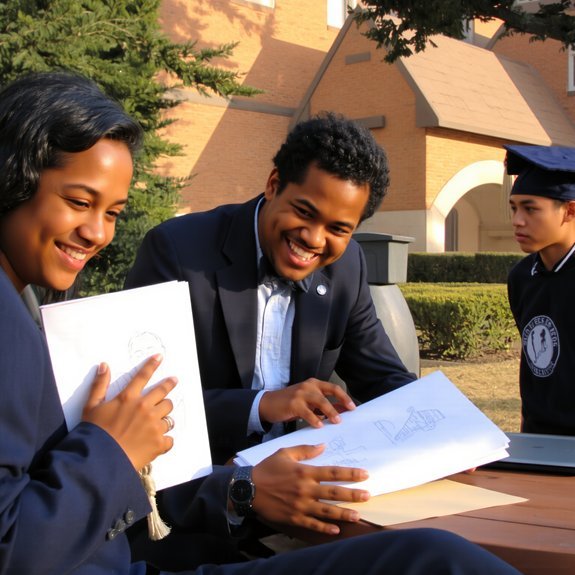
    engaging hands on mentorship strategies

    If you think mentorship is just coffee chats and one-size-fits-all advice, think again — there’s a whole toolbox you can bring back to campus. You’ll show up, sit in a sunlit commons, and actually listen — not nod and scroll. Share real resumes, mock interviews, and that LinkedIn headline that finally got you calls; hand over templates, grade rubrics, and a battle-tested email you’ll admit sounded scary to send. Host a lunchtime workshop, give sharp feedback, run a portfolio clinic, or pop into class as a guest with a cane-tapping anecdote. Say the hard thing kindly. Celebrate small wins, bring snacks, and laugh when you mess up. You’ll build trust fast, and students will remember the time you cared enough to stay.

    Contribute Financially and Build Scholarship Impact
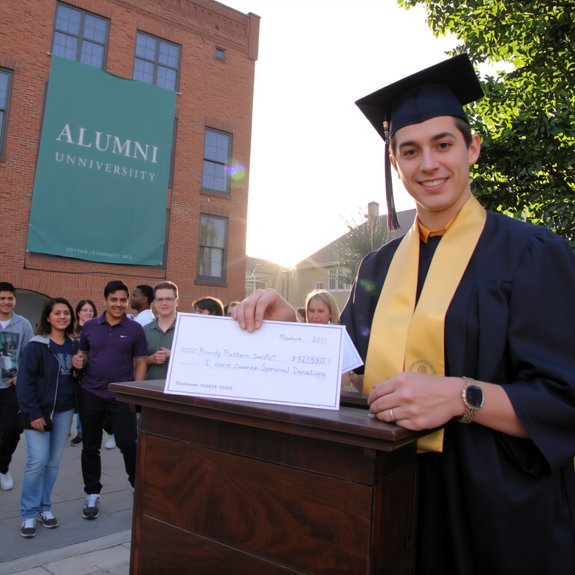
    build scholarships create opportunities

    You can start by giving to scholarship funds, feel the small thrill when you picture a student opening an acceptance letter because of your gift. Or, if you want to leave a louder footprint, start an endowed scholarship that keeps helping year after year, like planting an oak and watching saplings crowd the lawn. I’ll hold the pom-poms while you write the check, and we’ll brag about the impact over coffee.

    Give to Scholarship Funds

    Scholarship money is literal rocket fuel for students—cold, practical, and wildly freeing—so when I tell you giving to scholarship funds matters, I mean it. You can drop $25 or $2,500, and both land like warm rain on nervous palms. Give online, watch the confirmation ping, and imagine a freshman breathing easier, buying books, tasting cafeteria stew without guilt. Volunteer at selection panels, read essays aloud, feel the quiet room lean in. Share stories with donors, send photos, get that handwritten thank-you that smells like campus and late nights. Set up recurring gifts, skip one latte, invest in futures. You’ll see real change, immediate and human. Trust me, it’s the best small rebellion you’ll do for your alma mater.

    Start an Endowed Scholarship

    You’ve seen how a $25 gift can change a night—now imagine setting up something that keeps changing nights, every year, forever. You can start an endowed scholarship that outlives you, that shows up each semester like a reliable friend, slipping tuition help into a student’s hands. Picture your name on a plaque, the clink of a check, a student reading their award under fluorescent library lights, smiling like it’s sunlight. I’ll be blunt: it’s not just about money, it’s about story—your story, stitched into campus life. You work with the alumni office, pick criteria, fund the endowment, and then watch interest do the giving. It’s smart, generous, and yes, kind of heroic — with less cape, more paperwork.

    Volunteer Your Time at Events and on Campus
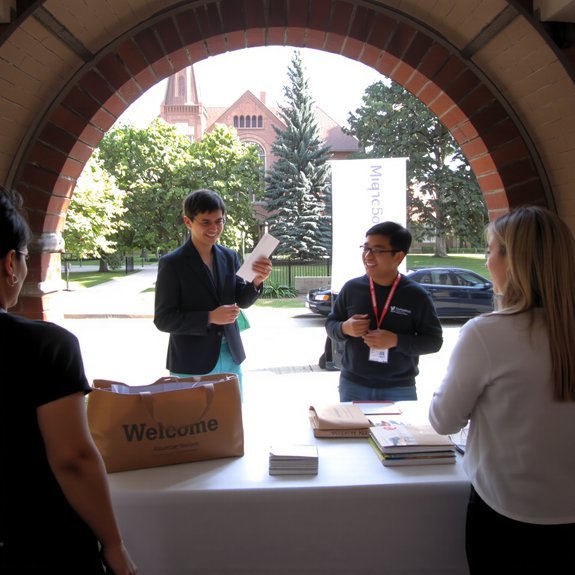
    volunteer for campus events

    Raise a hand, sign up on that clip board, or show up early with a thermos of bad coffee—whatever it takes to get in the room. You learn faces fast when you’re handing out programs or stacking folding chairs, you’ll smell stage glue and popcorn, hear the mic squeal five minutes before showtime. Volunteer at reunions, commencement, or a student job fair; be the steady pair of hands. Offer office days for resume reviews, sit on a panel, or chaperone campus tours—small tasks, big impact. You’ll trade time for stories, reconnect with mentors, and spot enthusiastic students who remind you of yourself, only younger and louder. It’s honest work, no tux required, just persistence, patience, and your memorable laugh.

    Join Alumni Chapters and Networking Groups

    If you want to keep that HBCU energy buzzing after graduation, join an alumni chapter — it’s where old jokes get louder and opportunities quietly multiply. I’ll tell you, show up to a meeting, feel the room hum, handshakes warm like campus sun. You’ll trade stories at mixers, swap résumés over coffee, and learn who’s hiring, mentoring, or planning homecoming floats. Go to networking nights, lean in, ask blunt questions, collect business cards like trophies. Host a workshop, speak at a panel, or just bring snacks and nostalgia. You’ll build practical ties and friendships that smell like cafeteria gumbo and library late nights. Stay curious, follow up, and keep coming back — the chapter turns acquaintances into a professional family.

    Serve on Advisory Boards and Committees

    You loved the mixers and the handshakes, but now picture yourself in a smaller room, the kind with a long table, stale coffee, and a whiteboard full of good ideas nobody’s had time to write down. You’ll be asked to weigh in, not just nod. Serve on advisory boards and committees to shape curriculum, campus events, and fundraising priorities. You bring perspective, memories, and practical sense — plus a knack for cutting through buzzword fog. Speak up, sketch plans on that tired whiteboard, volunteer to take notes, then follow up with an email that actually gets read. Expect friendly debates, awkward silence, and sudden breakthroughs. It’s work, but satisfying. You’ll watch your alma mater steer smarter, and you’ll feel useful — in the best possible way.

    Use Your Skills to Help With Career Development and Entrepreneurship

    Bring your toolbox. You’ve got know-how — resume tweaks, mock interviews, startup chops — and your campus needs it. Walk into career fairs, not as a spectator, but as a coach; hand a nervous senior a crisp LinkedIn headline, demo a cold-email, watch shoulders relax. Host a workshop smelling of coffee and dry-erase markers, sketching business models on napkins, trading brutal, loving feedback. Mentor student founders, debug pitch decks, introduce them to a contact who answers texts at 2 a.m. Say yes to panel nights, say no when you’re burned out, but don’t ghost. Your skills translate like currency; spend them where impact compounds. I’ll bring the sarcasm, you bring the snacks, and together we’ll build futures.

    Conclusion

    You’ve got this—stay close, give back, and watch the magic happen. I’ll say it plain: mentor a nervous freshman, fund a scholarship that lights up a face, show up at homecoming smelling like nostalgia and BBQ, and join the alumni crew that feels like family. Use your skills, sit on a board, or just cheer loudly. It’s a circle; when you push in, the whole HBCU world rolls forward with you.
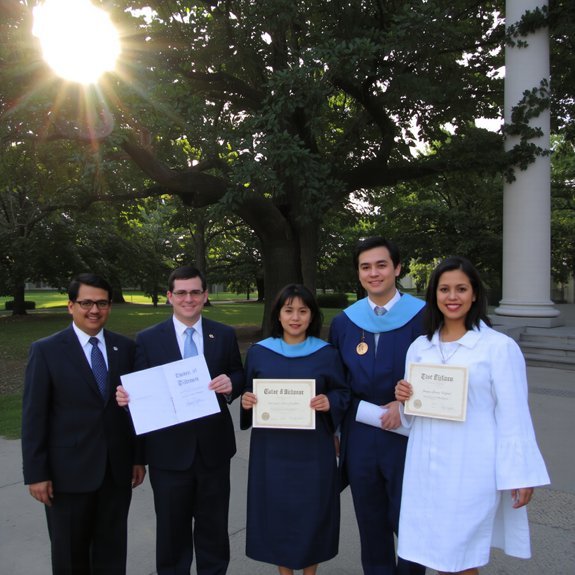
  • Famous HBCU Alumni and What They Studied

    Famous HBCU Alumni and What They Studied

    When you see a worn trumpet case and a law book side by side on a dorm bed, you glimpse how HBCU majors mix like a surprise recipe—one student becomes a senator, another a jazz legend. You’ll notice details: the cotton-candy light in the music hall, the quiet scrape of notes, the whisper of statutes, and I’ll point out who studied what and why it mattered. Keep going—there’s more to unpack.

    Key Takeaways

    • Many prominent political leaders studied political science, economics, education, or history at HBCUs.
    • Civil rights activists combined coursework in history, theology, and political science with grassroots organizing.
    • Renowned lawyers and judges honed rhetoric and legal reasoning through rigorous law programs and clinics.
    • Influential scientists, engineers, and medical alumni emerged from STEM majors and hands-on laboratory training.
    • Artists, musicians, and entrepreneurs developed craft, improvisation, and business skills in performing arts and business programs.

    Notable Political Leaders and Their Fields of Study

    campus studies influence leadership

    If you’ve ever wondered how a campus quad can turn into a launchpad for national leadership, you’re in the right place — and yes, I say that with a little proud chest-thump. You’ll meet senators who studied political science under live oaks, governors who dug into economics while juggling student rallies, and ambassadors who polished debate skills in tiny dorm rooms. Picture a campaign poster tacked to a bulletin board, coffee-stained notes, midnight strategy sessions — that’s where theory met hustle. I’ll point out who majored in history, who favored public policy, who surprised everyone by studying English before pivoting to politics. You’ll see patterns, odd pivots, and grit. Read on, and you’ll spot how study choices shaped bold careers.

    Trailblazers in Law and Justice Education

    hbcu law students perseverance

    You’ve seen how politics majors staged rallies under oak trees; now picture a different kind of hothouse: a cramped law library at midnight, the smell of coffee and toner, notebooks stacked like small city skylines. You poke through casebooks, you whisper to a study partner, you dream of courtrooms. These HBCU grads turned precedent-makers, defense champions, civil-rights warriors. I’ll point out traits, not biographies — you’ll want the headlines, not my gossip.

    Cramped law libraries at midnight — coffee, casebooks, whispered study sessions — HBCU grads forging precedent, justice, and relentless grit.

    1. Tenacity — they argue through exhaustion, they file briefs at dawn.
    2. Community — they mentor younger students, they build clinics that serve neighbors.
    3. Rigor — they master logic, they practice rhetoric until it sounds effortless.

    You smile, you feel inspired, you might even open a law book tonight.

    Pioneering Scientists, Engineers, and Medical Graduates

    curiosity fuels scientific achievement

    Laboratory smells like victory and burnt popcorn—seriously, soldering irons and Bunsen burners have a weird marriage—and I can still picture the dim hall where we stayed late, the fluorescent hum, the frantic scribble of calculus on napkins. You meet alumni who turned stubborn curiosity into careers: a biomedical researcher who pipetted at 3 a.m., an electrical engineer who fixed campus lights and later satellites, a surgeon who steadied trembling hands with nerve, a chemical engineer who smelled trouble before detectors did. You’ll hear lab jokes, a burned circuit story, the proud silence after a successful trial. They learned grit, protocols, and patience, and they built tools that save lives, map stars, and sharpen industry. You nod, inspired, thinking maybe you could do this too.

    Influential Artists, Musicians, and Performing Arts Majors

    When I walk into a rehearsal hall from an HBCU, the air smells like fresh chalk, stage flour, and someone’s too-strong coffee — comforting chaos. You watch dancers rehearse counts, painters seal canvases, singers warm vowels until the rafters agree. I nudge you toward alumni who turned practice rooms into professions, who learned craft with grit, humor, and late-night critiques.

    Walking into an HBCU rehearsal hall: chalk, stage flour, strong coffee — practice rooms where grit becomes artistry.

    1. You meet the actor who studied theater, who learned breath control and biting honesty, then stole scenes on Broadway.
    2. You hear the jazz alum, trumpet polished, who studied music theory and improvisation, and made neighborhoods hum.
    3. You see the visual artist, studio stained, who studied fine arts and turned memory into murals.

    Business, Entrepreneurship, and Economics Backgrounds

    You’re about to meet HBCU founders who picked majors like accounting, management, and finance, and yes, some of them scribbled business plans in the margins during class. I’ll show how common business degree paths — BBA, MBA, and entrepreneurship programs — gave them tools, connections, and that stubborn confidence you can practically taste. Then we’ll trace how economics courses turned curious students into scrappy entrepreneurs, the kind who launch startups from dorm rooms and neighborhood barbershops.

    HBCU Founders’ Majors

    Because founders from HBCUs often learned to hustle in classrooms and on sidewalks, their majors in business, entrepreneurship, and economics feel less like theory and more like tools you can pocket, shake, and use when opportunity knocks. I’ll tell you straight: you study ledgers, you study markets, you study grit, and then you’re expected to sell ice to someone in summer. You smell coffee, you tap a calculator, you pitch between classes. Those majors teach you to spot a gap, draft a plan, and pivot fast.

    1. They teach practical frameworks you can use right away.
    2. They train negotiation, risk-reading, and persuasive storytelling.
    3. They build a mindset that converts ideas into money-making moves.

    Business Degree Paths

    Picture a dorm-room desk scattered with sticky notes, a half-drunk coffee, and a laptop glowing with three tabs open to spreadsheets, pitch decks, and internship listings—I lived there, and so will you, if you chase business, entrepreneurship, or economics at an HBCU. You’ll take accounting nights, marketing mornings, and ethics in between, hands stained with highlighter ink and confidence bruises. I’ll tell you straight: stats and Excel become your rhythm section, networking your secret sauce. You’ll pitch in classrooms, revise at midnight, and win small bets that turn into internships. Professors call you out, alumni slide into DMs, and group projects teach diplomacy the hard way. It’s practical, sweaty, thrilling work—mindset over flash, persistence over luck.

    Economics to Entrepreneurship

    If you learn to read a balance sheet like a gossip column, you’ll start spotting opportunities everywhere—old dorm furniture becomes a pop-up’s first inventory, a group chat gripe turns into a side hustle, and that weird econ prof’s obsession with marginal cost actually saves your launch. You’ll trade lecture notes for pitch decks, smell coffee at 3 a.m., and turn campus walks into customer discovery missions. I poke, I prod, I fail fast, then laugh about it.

    1. Study demand, price it right, sell something people actually want.
    2. Network loud, ask awkward questions, collect favors like business cards.
    3. Pivot quick, track margins, protect cash like it’s bedtime.

    You’ll build with grit, charm, and spreadsheets.

    Educators, Activists, and Social Science Scholars

    You’re about to meet trailblazing Black educators who shook up classrooms and communities, and yes, I’ll brag a little about their bold moves. Imagine porch meetings, chalk dust in the air, and activists who turned study into strategy—we’ll look at how civil rights leaders’ studies shaped policy and protest. Then I’ll map real social science career paths, from classroom to think tank, so you can see how ideas turn into action.

    Trailblazing Black Educators

    When I teach this chapter, I tell students up front: these trailblazers didn’t just stand at podiums and give speeches — they built schools, changed curricula, marched in the streets, and sat at kitchen tables to argue about democracy until dawn. You’ll meet teachers who mapped futures, who chalked lessons with trembling hands and fierce resolve. You smell hot coffee, old books, fresh paint. You hear marching feet, whispered strategy, a bell for class. I nudge you, yes you, to notice how study choices shaped tactics. Quick list, so you don’t doze:

    1. Curriculum designers — made knowledge matter.
    2. Community organizers — turned classrooms into hubs.
    3. Social scientists — used data to demand change.

    I wink, because history’s stubbornly human, and you’re invited.

    Civil Rights Leaders’ Studies

    We’ve been talking about chalk dust and late-night strategy sessions, now let’s walk into the rooms where lesson plans met protest signs. You’ll see alumni who studied education, theology, history, and political science, then turned classrooms into organizing hubs. You smell coffee, chalk, and urgency. You hear quick whispers—“Sit here, keep watch”—then boom, a register walkout. I point out how studying rhetoric sharpened speeches, how sociology revealed systems, how philosophy taught moral clarity. You notice notebooks stuffed with sermon notes and leaflets. These folks taught, counseled, preached, then marched. They used curricula as cover and knowledge as ammunition. It’s messy, brave work, and yes, they made mistakes, learned, and kept going—like you would, if the cause kept calling.

    Social Science Career Paths

    If you walked into those old lecture halls expecting dusty theories, you’d be happily wrong—because for many HBCU grads, social science was a toolkit, not a textbook. You’ll meet teachers who smelled of chalk and coffee, organizers shouting into megaphones, researchers hunched over notebooks. I watch you lean in, curious, and I’ll tell you straight: these paths taught you to listen, map power, and act.

    1. Educators — you shape classrooms, you spark curiosity, you hand out hope like homework.
    2. Activists — you mobilize neighbors, you chant in the rain, you turn outrage into strategy.
    3. Scholars — you dig archives, you question assumptions, you make theory useful.

    You’ll leave energized, sleeves rolled, ready to do the work.

    Conclusion

    You hold a map, though it’s paper-thin and stained with coffee—still, it guides you. I’ve pointed out the roads: law, labs, stages, boardrooms, classrooms, streets. Each HBCU alumni is a compass needle, steady and true, humming with study and grit. You’ll see their degrees like badges, but feel the impact like footsteps on your porch. Take a breath, pick a path, and know you’re following a trail already lit.

  • How HBCU Alumni Networks Can Help Your Career

    How HBCU Alumni Networks Can Help Your Career

    When my old roommate nudged me toward an HBCU alumni mixer and I showed up in sneakers, I found a mentor who knew the hiring manager at my dream firm — and a barista who gave career tips between espresso shots. You’ll feel that instant, warm nudge: handshakes, side conversations, a résumé scribbled on a napkin, laughs that break the ice. Stick around, because those quick connections turn into referrals, advice, and opportunities you won’t get from a generic job board.

    Key Takeaways

    • HBCU alumni provide trusted referrals and warm introductions that speed hiring and open unposted job opportunities.
    • Alumni mentors offer culturally informed career guidance, résumé feedback, and interview preparation tailored to your goals.
    • Local chapters and events create visibility, internships, and networking pipelines with employers who actively recruit HBCU talent.
    • Sponsors within the network advocate for promotions and strategic opportunities, using their credibility to vouch for you.
    • Engaging on alumni platforms and social media builds relationships, shares resources, and sustains long-term professional support.

    Why HBCU Alumni Networks Matter for Career Growth

    authentic connections drive success

    A handful of people will tell you networking is about handing out business cards; they’re wrong, and I’ll tell you why. You get a living network, not a paper trail — warm voices on the phone, invites to small dinners, mentors who remember your name and your favorite coffee. You walk into rooms and see familiar faces, and that comfort makes you speak up, pitch better, ask for the job you want. Connections open doors to internships, hidden roles, and honest feedback that sharpens your resume, your interview, your confidence. You trade polished smiles for real help. You’ll find advocates who recommend you, share leads, coach you through setbacks, and celebrate wins with a backyard barbecue kind of pride. That’s career fuel.

    Finding and Joining Alumni Groups and Chapters

    join alumni groups actively

    Where do you start when the alumni world feels like a bustling market you’ve wandered into without a map? I’d nudge you toward the obvious: your school’s alumni site and social pages. Click, skim, bookmark. Smell the coffee at the chapter mixer, hear names ricochet, and introduce yourself—short, sharp, friendly. Join local chapters, specialty groups, and LinkedIn alumni lists; RSVP to one event before you decide you’re “too busy.” Email volunteer coordinators, slide into DMs with a quick hello, or call the office and ask what’s happening this month. Bring business cards or a clean digital contact, follow up within 48 hours, and add folks to a notes file. You’ll quickly know which groups feel like home, and which you’ll ghost—no shame.

    Leveraging Mentorship and Sponsorship Opportunities

    pursue mentorship and sponsorship

    If you want career lift, don’t wait for mentorship to fall into your lap like winning raffle tickets—go after it like you’d hop a last-minute flight. You scout alumni profiles, slide into DMs with a breezy hello, and show up at mixers smelling faintly of coffee and courage. Ask for thirty minutes, bring crisp questions, take notes that look like art. Treat sponsors differently: demonstrate results, offer quick wins, and nudge them with measurable updates—don’t beg, remind. I’ll say this plainly: mentors teach, sponsors open doors. Say yes to coffee, no to vague promises, and follow up within 48 hours. Keep a small wins log, celebrate loudly, and pay it forward when your turn comes.

    Accessing Job Referrals and Internship Pipelines

    You want that job, and your alumni network is the backstage pass — tap friends, city chapter events, and those casual coffee chats, because referrals still move faster than cold apps. I’ll tell you, I’ve watched resumes go from “thanks, we’ll keep it” to “when can you start?” after one well-timed alumni intro, so learn the names, show up, and follow up with a crisp LinkedIn note. Use chapter mixers and internship pipelines like a map and a flashlight, ask for warm referrals, and don’t be shy about saying, “Can you put in a good word?”

    Leveraging Alumni Referrals

    Curious how a single message can open a hidden door? You tap a name from your alma mater, take a breath, and type like you mean it — short, warm, specific. Say who you are, where you sat in the quad, a shared professor or homecoming memory, then ask for five minutes. You’ll feel awkward, I did too, but that’s normal. When they reply, match their tone, suggest a time, bring questions: “What surprised you about that role?” “Any tips for the interview?” They might pass your resume, or whisper a referral to hiring. Keep a tidy follow-up, thank them with detail, and return the favor later. Referrals aren’t magic, they’re small, steady nudges from folks who already root for you.

    Internship Pipeline Access

    While some folks chase listings like they’re Pokémon, I learned to slip into the back door of internship pipelines — quiet, practiced, and with a coffee in hand — because HBCU alumni networks often run on trust, not ads. You wander into a reunion mixer, swap a joke, and suddenly someone whispers, “We need an intern.” You show up sharp, ask smart questions, and they remember the kid who listened. Alumni share unposted gigs, forward invites, and pull you onto projects before HR posts anything. You’ll get a referral note in your inbox, a mentor vouching over the phone, and the chance to prove yourself in real time. It’s informal, human, and surprisingly efficient — like getting a backstage pass from family.

    Networking Through Chapters

    Three quick rules I learned the hard way: show up, listen more than you talk, and remember names — people notice the ones who actually care. I’ll say it plain: chapter meetings are your backstage pass. You wander in, smell coffee and old yearbooks, you sit by someone who hired an intern last summer, and you ask the right question. Say, “How’d you find that intern?” Don’t sound needy, sound curious. Follow up, slide into their inbox with a short note, and offer your skills—data cleanup, event help, whatever. Chapters trade referrals like secret recipes. Volunteer for committees, help set up events, and you’ll meet mentors who open doors. Be useful, be visible, and don’t ghost anyone.

    Networking at Alumni Events and Reunions

    If you show up with a smile and a business card (or these days, a quick LinkedIn QR), you’ll already be doing better than half the crowd, trust me. You breeze through name tags, murmur a hello, and scan the room — warm lights, the hum of old classmates, the smell of coffee and catered wings. Say something specific about the event, not just “what do you do?” Ask about the professor, the band, that one fiery debate. Swap stories, laugh, trade cards, follow up in two days with a quick note. Offer help before you ask for it. Stand by the snack table if you’re shy, volunteer to introduce people if you’re bold. Leave with two real contacts, not fifty ghosts.

    Using Alumni Platforms and Social Media Effectively

    How do you make a LinkedIn post that actually gets read and not scrolled past like last week’s brunch pics? You grab attention fast: a punchy opener, one bold sentence, then a clear value point. I’d say tag relevant HBCU groups, drop a vivid detail—your mentor’s laugh, the campus oak’s scent—and link to a short resource. Use alumni platforms the same way: set up a crisp profile photo, list real accomplishments, and join niche threads where people answer, not just react. Don’t spam, don’t humblebrag; be helpful, ask smart questions, share wins with gratitude. DM politely when you’ve built rapport. Post consistently, track responses, tweak tone. That’s how you turn social noise into career fuel.

    Showcasing Shared Cultural Capital in Interviews and Applications

    You’ll want to weave our shared HBCU language into answers, drop a phrase or two that signals you belong, and watch interviewers’ faces light up like they just heard an old reunion joke. Mention concrete examples of community values—how you mentored freshmen, organized cookout fundraisers, or led a service project—and say what you learned, not just what you did. I’ll bet that small, specific moments, described with sensory detail and a wink, will stick far more than a generic résumé line.

    Shared Cultural Language

    Think of your HBCU slang, campus rituals, and those one-off professor jokes as tools in your interview toolbox—stuff you can pull out to make a real connection, not things to hide under a résumé. I tell you this because when you drop a familiar phrase, you spark recognition, a tiny smile, maybe even a nod. Say it plain, with warmth, like you’re handing someone your best coffee — brisk, honest, aromatic. Mention the homecoming chant, the late-night study tradition, the professor who said “do the work,” and watch eyes light up or ears perk. Don’t perform, though. Keep it specific, brief, and relevant. Use stories that show your grit, your wit, your belonging, and let the shared language do the rest.

    Demonstrated Community Values

    When you name the things your campus prized—service projects that smelled like fry oil and hand sanitizer, study groups that ran on Red Bull and gospel playlists, the neighbor who always had an extra pen—you’re not being sentimental, you’re giving evidence. You show up in interviews with stories, not boasts. You translate rituals into values hiring managers get: grit, care, collaboration.

    1. Describe a late-night fundraiser, the heat, the laugh that kept everyone going.
    2. Tell how you tutored a classmate, the pen caps, the whiteboard crumbs, the moment they got it.
    3. Share a mentor’s advice, the hallway voice, the paper cup of coffee, how you acted on it.

    Those scenes make your application vivid, believable, and memorably human.

    Giving Back: Volunteering, Mentoring, and Building Legacy

    Even if your schedule looks like a juggling act gone rogue, giving back to your HBCU can feel less like a chore and more like a secret superpower. You show up, you volunteer at a campus fair, you taste the burnt coffee of overnight prep, and you leave feeling bigger. You mentor a student over Zoom, you share résumé hacks, you send a blunt text that somehow gets them hired. You fund a scholarship, you imagine a freshman’s grin, you hear their grandmother’s thanks like church bells. These small rituals build legacy, stitch by stitch. You’ll get calls, invites, warm handshakes, and the quiet pride of knowing you kept a ladder steady. Don’t wait for permission — start with one hour.

    Conclusion

    You’ve got this—your HBCU network is a secret weapon, like a mixtape from grandma that somehow knows every beat of your life. Use it: show up to reunions, DM a mentor, apply through alumni job boards, volunteer, and brag about shared roots in interviews. I’ll be blunt, doors open faster when someone with your alma mater vouches for you. Keep giving back, keep asking, keep smiling, and watch your career bloom, loud and proud.