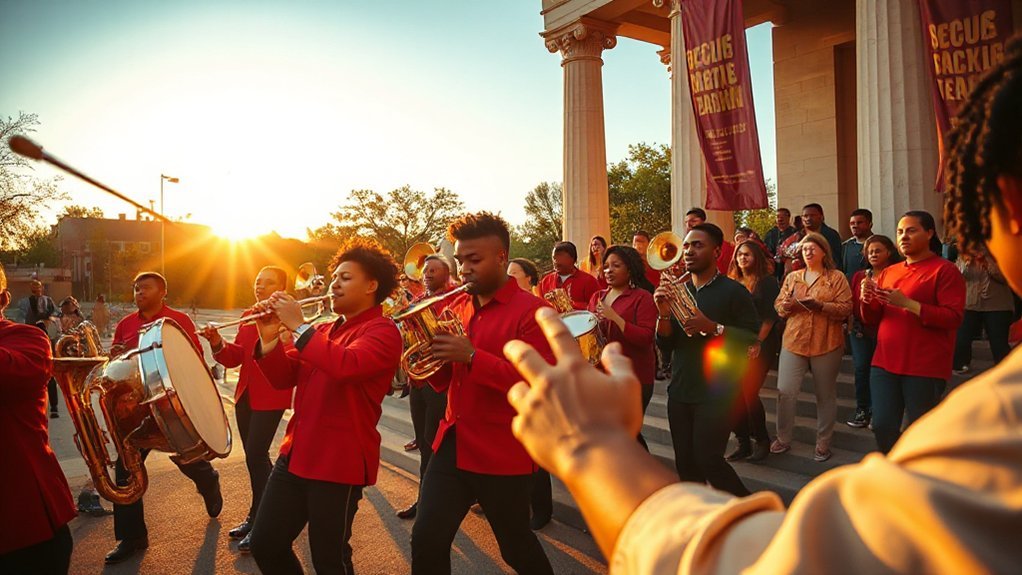
You might think you’re not “musical enough” to join an HBCU band or choir, but you’ll learn fast once you show up and try — trust me, nobody’s born with the perfect swing. Picture warm brass heat, drum thumps under your ribs, and a chorus that folds you into harmony; you’ll meet directors who’ll push you, students who’ll prank you, and alumni who’ll fund your dreams — and yes, auditions matter, but so does showing up, so keep going because there’s more to this than a single note.
Key Takeaways
- Attend rehearsals and performances to feel the energy and identify which ensemble fits your passion and schedule.
- Prepare a short audition piece, warm up, and bring sheet music, instruments, or clean shoes as required.
- Meet directors, current members, and alumni—ask specific questions and follow up to build mentorship connections.
- Evaluate time commitments, physical demands, and scholarship opportunities before committing to multiple disciplines.
- Volunteer, donate instruments or supplies, and participate in outreach clinics to deepen involvement and support the program.
Understanding HBCU Performing Arts Culture and Traditions
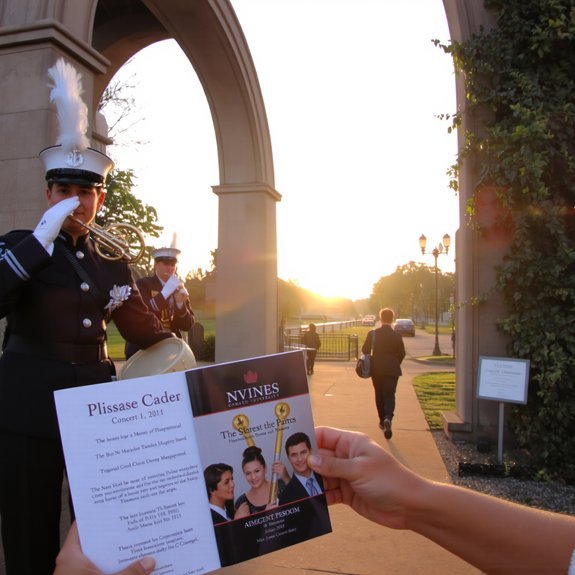
When you step onto an HBCU campus, you can almost hear the drums before you see the marching band—boom, boom, a hundred feet of brass and swagger folding the air like a flag; I’ve felt that bass in my chest and grinned like a fool. You learn quick that music here isn’t background, it’s family ritual, history humming in every note. You’ll smell hot shoes on pavement, taste sweet lemonade at halftime, catch call-and-response that hooks you like a dare. Traditions get taught with patience and fire, elders correcting your stance while laughing. You’ll join rehearsals that feel like church and Saturday cookouts at once. Respect matters, show up on time, listen more than you speak, and don’t be surprised when you fall in love.
Choosing Between Band, Choir, Dance, and Theater
How do you pick one when the campus is yelling at you to join all of them? You stand in the quad, hear drums, voices, and sneakers squeak, and you smile because you want it all. Ask what wakes you up: the rush of brass, the blend of harmonies, the snap of choreography, or the quiet of a backstage breath. Try a rehearsal, watch a set, feel the floor vibrate, taste sweat and adrenaline. Think about schedule, your body, and who you want to be in four years. Pick what feeds you first, then tag the others as side quests. I’ll say it plainly: follow the thing that makes your chest buzz, commit, but leave room to flirt with the rest.
Preparing for Auditions and Tryouts
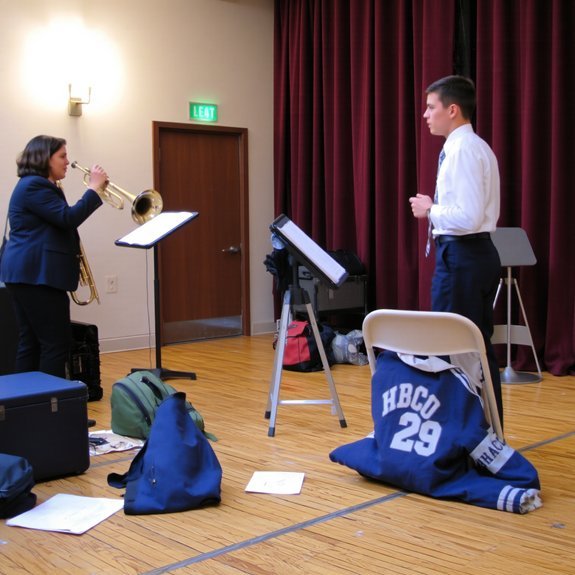
If you want to make an entrance, start like you’re already on stage — breathe, square your shoulders, and imagine every pair of eyes tracking your next move. You’ll warm up first: vocal sirens, lip trills, scales, or slow stretches that loosen hips and knees. Pick a short, strong piece that shows range and personality, and memorize the beats so you don’t look like you’re reading a recipe. Bring sheet music, clean shoes, and a tuned instrument. Practice with a timer, record yourself, listen back, wince, then fix one thing. Learn one quick story about the piece — directors love context. Show up early, hydrate, and smile like you mean it. If you mess up, keep going; recovery is part of the show.
Connecting With Directors, Current Members, and Alumni
Wonder what the secret handshake is? I don’t know it either, but you’ll find the vibe quick. Walk into rehearsal, listen first, then smile. Say, “Hi, I’m [Name], this is my instrument/voice,” and hand a confident nod. Directors love focus, not flattery, so ask one crisp question about repertoire or tone. Current members are gold—offer to help move chairs, tune, or carry gear, you’ll be remembered. Alumni show up with stories and shortcuts; ask for one memory, a contact, or a tip on audition day. Swap numbers, follow social pages, and DM politely after practice. Be reliable, show up early, and laugh at your mistakes. Connections grow from small, consistent gestures, not grand speeches.
Scholarships, Financial Aid, and Funding Opportunities
You’ll want to know what scholarships and grants are out there, because free money for rehearsal clothes and studio time is a beautiful thing. I’ll point you to campus scholarships, national arts grants, and little-known pockets of cash—plus creative alternatives like crowdfunding, departmental work-study, and alumni-sponsored stipends that actually exist. Stick with me, we’ll smell the coffee, open a few doors, and laugh when the paperwork tries to trip us up.
Scholarships and Grants
One big truth: money doesn’t have to be the show-stopper in your HBCU performing-arts dreams. I’ll say it plainly: scholarships and grants exist to pull you onto the stage. Look up merit-based music scholarships, ensemble awards, and sight-reading prizes, then email the department chair—don’t wait for them to find you. Audition sharp, submit recommendation letters that sing, and attach crisp recordings that make them stop scrolling. Grants often come from alumni funds, community foundations, and arts councils; apply early, follow directions, and proofread like your gig depends on it. Keep copies, calendar deadlines, and practice a confident pitch for interviews. If you hustle, the funds will cover lessons, travel, uniforms, even that trumpet mouthpiece you’ve been eyeing.
Alternative Funding Options
If money feels like a stubborn stage door that won’t open, don’t sulk—plan a cunning heist instead, and I’ll be your bad-cop accomplice. You scout small scholarships, microgrants from arts nonprofits, and department-specific awards, you knock on doors, you email directors with a cheerful pitch. Fundraisers work: bake sales, mini-concerts, ticketed house shows—serve warm pie, sell CDs, watch donations pile like confetti. Apply for federal aid, file FAFSA early, grab work-study shifts that let you rehearse between classes. Crowdsource with tight, honest campaigns—share video clips, set clear goals, thank donors loudly. Seek corporate sponsorships, alumni patrons, instrument loan programs. You’ll hustle, negotiate, and laugh at setbacks, but you’ll arrive onstage funded, fierce, and utterly prepared.
Balancing Academics, Rehearsals, and Campus Life
Because campus life doesn’t pause for dress rehearsal, you’ll learn fast how to juggle textbooks, tight harmonies, and that mysterious pile of laundry in the corner—sometimes gracefully, often with a coffee-stained syllabus in hand. I tell you, start with a calendar, color-code it, and actually look at it. Block classes, rehearsals, study time, naps—yes, naps count. Pack snacks, water, a spare reed or bobby pins; hunger sabotages focus. When a sectional runs long, text your professor before panic sets in. Practice smart: chunks of thirty minutes beat marathon sessions. Say no sometimes, politely, like a pro. Keep friends who cover your back and laundry. Celebrate small wins—nail one phrase, ace a quiz—then sleep, because talent needs rest as much as practice.
Alternative Ways to Support and Participate
You don’t have to be onstage to make noise for the troupe — you can volunteer at events and feel the thump of the speakers under your feet as you usher, set lights, or hand out programs. You can donate instruments or funds, watch a worn trumpet sparkle again, and brag (modestly) that you helped make that happen. Or partner with local schools, bring students to rehearsals, swap stories in a cramped classroom, and watch new talent light up like stage bulbs.
Volunteer at Events
Roll up your sleeves and join the bustle—volunteering at HBCU performing arts events is where the real backstage magic happens, and trust me, you’ll want a front-row pass to that chaos. I’ll say it straight: you’ll carry gear, hand out programs, herd performers, and learn timing by ear. You’ll smell sweat and stage polish, hear brass warming up, catch a laugh in the wings. Say “Where do you want this?” a lot. Meet directors, students, alumni, people who’ll remember your name. Expect fast fixes, sticky tape, and improvised mic stands — you’ll feel useful and slightly heroic. Sign up early, bring comfy shoes, a water bottle, and a can-do grin. Stay curious, ask questions, and soak it all in.
Donate Instruments or Funds
Think about dropping off a gleaming trumpet, or sliding a worn drum into the hands of a student who’s been teaching themselves with YouTube and hope. You’ll see their face light up, brass catching sunlight, drum skin humming under your fingers. Donate money, and you buy sheet music, uniform buttons, late-night pizza after rehearsals — tiny miracles. Call the arts office first, ask what they need, don’t assume you know better than the people sweating through rehearsal. Pack instruments carefully, label them, include mouthpieces and maintenance kits. If you give cash, specify scholarships or instrument repair, so your gift hits the stage, not the bureaucracy. You’ll leave feeling useful, slightly smug, and very human — mission accomplished, and no cape required.
Partner With Local Schools
Donating an old trumpet feels great, but you can stretch that good feeling farther by linking HBCU programs with nearby schools, and yes, that takes a little legwork — and coffee. I’d call principals, swing by band rooms, hand over cookies like a minor bribe, and say, “Want to collaborate?” You’ll set up mentorship days, joint rehearsals, and small clinics where HBCU students teach breathing, rhythm, showmanship — stuff you can hear, see, and feel. Bring chairs, mics, a cart of instruments, and patience. Expect scheduling headaches, fewer RSVPs than you’d like, but also those wide-eyed kids who try a trombone for the first time and grin like they invented sound. It’s messy, joyful work, and you’ll love it.
Conclusion
You’ll fit right in if you show up, play or sing your heart out, and listen more than you brag. I’ve seen bands draw crowds of 10,000—yeah, ten thousand—so know your sound matters. Visit rehearsals, chat with directors like a human (not a résumé), learn a drill, laugh at mistakes, stay on top of homework, and take a scholarship meeting. Do it all, and you’ll leave louder, prouder, and oddly happier.