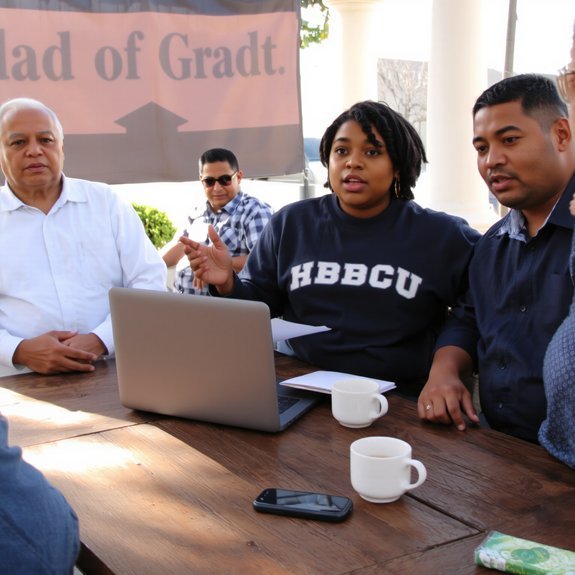
Tag: HBCU choice

  • How to Explain Your HBCU Choice to Employers as a Nontraditional Student

    How to Explain Your HBCU Choice to Employers as a Nontraditional Student

    You chose an HBCU later in life, and that says a lot about who you are—curious, bold, practical; you trusted a place that values people over pedigree, you rolled up your sleeves in small labs and louder classrooms, you learned from mentors who called you by name and pushed you into real work, not just grades. Picture late-night group edits, the smell of coffee, a dean who remembered your kid’s name—you’re ready to explain how that sharpened your grit, and why employers should listen next.

    Key Takeaways

    • State confidently that you chose an HBCU for mentorship, community, and hands-on learning that directly prepared you for the role.
    • Highlight specific skills and outcomes from projects, internships, or leadership roles, using metrics when possible.
    • Frame any nontraditional timeline as intentional skill-building, emphasizing resilience, adaptability, and continuous learning.
    • Describe how HBCU networks and alumni mentorship produced referrals, professional connections, and practical career guidance.
    • Share concrete examples of community impact and collaborative leadership that demonstrate accountability and results.

    Why I Chose an HBCU Later in Life

    finding community and belonging

    Even though I’d already been around the block with community college and a couple of start-stop jobs, I walked onto that HBCU campus like a tourist who’d accidentally found home; the brick smelled faintly of rain and old books, students laughed in a rhythm I somehow recognized, and my shoulders unclenched. You’ll get why I enrolled later, because I needed community, not a credential conveyor belt. I wanted professors who told stories like they meant it, mentors who’d nod and push, and traditions that felt like glue. You’ll hear me say I was scared, proud, stubborn, and relieved—sometimes all at once. I joined campus clubs, showed up to chapel, ate late-night wings, and learned to belong on purpose.

    Skills and Experiences Gained Through My HBCU Education

    skills resilience communication teamwork

    Leaving the tourist feeling behind, I started collecting skills the way students collect campus stickers—fast, with purpose, and a little messy. You watch me solve group projects at midnight, hands stained with coffee and marker ink, turning chaos into clear slides. You hear me lead a study session, voice steady, jokes in the margins, while I map theory to real tasks. You feel the grit from internships where I asked dumb questions until they weren’t dumb. You see how I translate classroom labs into process improvements, prototypes, or concise reports. I built resilience, polished communication, and learned to teach peers, not boss them. That mix—practical, people-first, unglamorous—makes you want me on day one.

    How My HBCU Network Has Strengthened My Professional Path

    hbcu network boosts career opportunities

    You’ll hear me brag about mentors from my HBCU who pulled me into their office, slid me a business card, and told me exactly what to fix on my resume — no sugarcoating. Alumni referrals opened doors I didn’t even know existed, people vouching for me over coffee and on LinkedIn, which saved me months of cold outreach. Campus events turned into living job boards, where I collected names, shook hands, and left with opportunities and a ridiculous number of free pens.

    Mentors Who Guide Careers

    When I walked onto our campus green, rain-damp grass under my shoes and that old stone clock chiming noon, I didn’t know my future would come with a name and a hand to shake. You meet mentors who actually show up, not just preach. They’ll pull you into offices, point at charts, hand you business cards like confetti. They’ll correct your pitch with a sharp, loving grin, and roast your resume until it sings. Sometimes they drag you to events, introduce you loud and proud, and you pretend you’re cool — they know better. You get coaching on choices, tough love on mistakes, and warm referrals when you’ve earned them. Those faces become your compass, your occasional push, the folks who remember you when it matters.

    Alumni Referral Advantages

    Because alumni remember your face long after you forget theirs, I found doors opening with a single name dropped over coffee. You’ll meet someone who knows someone, and they’ll actually vouch for you — not with a stiff email, but a real, human nudge. I’ve felt the warmth of a referral, the quick intake of breath when a recruiter hears an alum’s endorsement. You get faster interviews, fewer hoops, and a conversational leg up. Say the name, share a memory, and watch calendars shift. It’s not magic, it’s social capital — lived, traded, and handed to you over reunion barbecue smoke and shaky handshake moments. Use it, be grateful, and return the favor when it’s your turn.

    Networking Through Campus Events

    If you wander into a campus mixer expecting name tags and stale punch, get ready to be pleasantly wrong — HBCU events are louder, warmer, and somehow smell like grilling and possibility. You stroll in, ears ringing from a brass band, and instantly someone’s handing you a plate, a business card, and a “Where you from?” You’ll talk shop, then mom, then that one prof who still remembers your capstone. I worked the alumni panel, cracked a bad joke, and scored a coffee with a recruiter the next week. You learn to read the room, hand out resumes like mixtapes, follow up with quick texts, and show up to tailgates as reliably as your LinkedIn. Those nights built a network that actually hires.

    Translating Cultural Competence Into Workplace Value

    You can tell employers you learned to read a room the way a barber reads hairlines — quick, respectful, and precise, so you shift tone and approach without flinching. I’ll show how that cross-cultural adaptability translates into clearer, inclusive communication, with examples of how I worded tricky emails and calmed heated meetings. Picture me stepping into a conference room, hands steady, turning friction into solutions — that’s the conflict-navigation skill you’re hiring.

    Demonstrate Cross-Cultural Adaptability

    When I tell an employer I went to an HBCU, I don’t just drop a school name and wait for the polite nod — I paint a picture they can feel: crowded dorm hallways buzzing with debate, late-night study groups trading notes and life hacks, and a campus calendar packed with cultural rituals that taught me to listen, adapt, and lead on the fly. You saw different traditions collide, tasted foods that had stories, and navigated slang, song, and schedule with curiosity, not fear. You learned to read rooms, shift tone, and join conversations without stealing the mic. Tell employers you’ve adapted quickly, mentored peers from varied backgrounds, and solved conflicts by asking one good question. That shows you’ll fit anywhere, fast.

    Highlight Inclusive Communication

    So you’ve shown you can read a room and calm the noise—now let’s talk about how that turns into talking so everyone actually hears you. I’ll tell you how to frame inclusive communication: name specific habits. Describe using plain language, pausing to check comprehension, and inviting quieter voices with a nod or direct question. Paint a scene—leaning in at a meeting, paraphrasing a colleague, watching shoulders relax when jargon drops. Mention tools you use: captions, bilingual summaries, visual aids. Drop a quick anecdote, self-deprecating—yes, I once butchered a pronunciation, then learned to ask. Link these habits to outcomes: smoother onboarding, fewer emails, clearer briefs. Employers want impact; show them your listening, translating, and connecting do real work.

    Showcase Conflict Navigation Skills

    Because cultural misunderstandings don’t announce themselves with neon signs, I learned to step into conflicts like a curious detective—quiet, alert, and ready to take notes—then turn the scene into something useful for everyone. You’ll show employers that you don’t avoid heat, you steer it. Describe a moment you cooled a meeting: you smelled tension, you paraphrased both sides, you asked one sharp, grounding question, and watch the room unclench. Mention the gestures—leaning forward, palms open, a laugh that breaks the edge. Say you map perspectives, translate jargon, and reframe objectives so teams move together, not past each other. Toss in a brief line about a misstep you fixed, show humility, and claim the lesson like a badge.

    Addressing Employment Gaps and Career Transitions Confidently

    Even if you’ve taken a detour—picked up freelancing, cared for family, or watched the job market do somersaults—you’ve got stories that show you grew, not paused; I’ll help you frame them so employers see skill, not a gap. Picture yourself at a kitchen table, laptop hums, coffee cools, you’re cataloging wins: project delivered late-night, budget saved, people coached. Say it plainly, “I shifted to freelance design, doubled client satisfaction,” then tie that to the role. Use dates and brief context, trim drama. Name skills—project management, client negotiation, quick learning—then give one crisp example. Don’t apologize, narrate. Your changes read as intentional steps, not flailing. Own the arc, wink if you must.

    Sample Phrases to Explain Your HBCU Decision in Interviews

    When I tell an interviewer I chose an HBCU, I say it like I’m ordering coffee—direct, a little proud, no essay required—because you picked a place that sharpened you, not sheltered you. Say: “I wanted classmates who challenged me, and professors who treated me like a colleague, not a number.” Add: “I learned to speak up in rooms where my voice mattered, and to listen when it mattered more.” Try a shorter, punchy line: “It taught me grit, nuance, and how to lead without ego.” If they probe, answer plainly: “I chose fit over prestige, real mentorship over a brochure.” End with warmth: “It made me better at people, problems, and deadlines—so I’ll show up ready.”

    Demonstrating Impact: Projects, Leadership, and Community Involvement

    I tell employers about the choice I made, then I show them what came of it — not with lofty claims, but with hard proof. You walk into meetings with a portfolio, not a prayer. Point to the community garden you helped design, the grant proposal you wrote that funded winter coats, the student org you revived from three people to thirty. Say, “I ran logistics, negotiated vendors, learned Excel by fire,” then laugh, “I still burn toast.” Describe tactile wins: seedlings sprouting, receipts balanced, applause after a crowded panel. Use numbers: budgets, attendance, Volunteer hours. Bring a one-page impact sheet and a photo or two. That way, your HBCU choice reads like results, not biography.

    Conclusion

    You chose an HBCU later because it fit who you were becoming, not who you’d been. I’ll say it plainly: you learned to lead, to listen, to get things done with people who had your back. Mention the projects, name a mentor, show the gap as growth, then pause — let them imagine the rest. Walk into the room ready, grounded, curious, and a little smug; they’ll notice the quiet confidence, and hire because you’re exactly what they need.

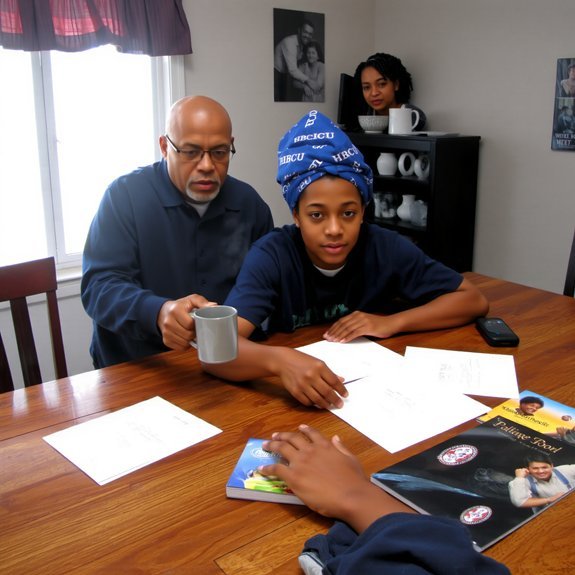
  • How to Navigate Family Expectations Around HBCU Choice

    How to Navigate Family Expectations Around HBCU Choice

    Nearly 70% of Black college-goers report culture or community as a top reason for picking an HBCU; that’s huge, and you’ll want to explain why to your family without starting World War III. Picture yourself at the kitchen table, coffee steam curling, saying, “I get why Grandma wants tradition, but this program fits my goals,” then watch eyes soften; set boundaries, show facts, invite them to visit, and keep a little swagger—because you’re choosing your future, not staging a coup.

    Key Takeaways

    • Acknowledge family traditions and gratitude, then clearly state your HBCU choice and the reasons behind it using “I” statements.
    • Compare academic fit and career outcomes (majors, internships, alumni network) to show the practical benefits of your HBCU.
    • Present clear cost comparisons, scholarships, and payment plans to address financial concerns calmly and factually.
    • Set emotional boundaries by asking for respect of your decision and agreeing on limits for recurring debates.
    • Invite family to virtual tours, meet faculty or current students to build understanding and reduce uncertainty.

    Understanding Family Traditions and Their Influence

    family traditions shape expectations

    Even if your aunt treats Homecoming like a second Thanksgiving, you’ve got to admit family traditions are stubborn—like gravy stains that never come out. I watch you fidget at the kitchen table, smell collard greens, hear Auntie’s laugh boom, and I’ll tell you straight: traditions feel warm, but they also tug. You’ll sit through stories about alumni pride, see old photos passed around, feel the pressure in the room like humidity. You’ll nod, ask a question, then fold your hands, weighing comfort against new paths. I joke, I wince, I sip sweet tea, and I remind you traditions shape expectations, teach values, and sometimes cover cracks. You’ll respect them, but you don’t have to be identical.

    Clarifying Your Own Priorities and Goals

    clarifying academic and personal priorities

    When you finally sit down with a notepad, headphones off, and the kitchen chatter fades to a hum, tell me what actually matters to you. You’ll smell coffee, tap a pen, and notice how your pulse speeds when you imagine campus life. Be honest. Don’t say what sounds good, say what feels true.

    1. Academic fit — Which majors excite you, which profs inspire, what class size helps you learn.
    2. Community vibe — Do you want tight-knit halls, loud homecoming energy, quiet study corners?
    3. Career outcomes — Internships, alumni networks, job placement; name the outcomes you need.
    4. Practical needs — Cost, location, support services, housing options that keep you sane.

    I’ll push you, gently, to pick priorities you’ll defend.

    Starting Respectful Conversations With Relatives

    respectful conversations with relatives

    How do you start telling Auntie that you care about majors more than marching band rankings without tripping over family history? You walk in with cookies, sit beside her, and say, “I need your advice,” not “I need your approval.” Say your choice clearly, then name one practical reason—internships, curriculum, career paths—hold eye contact, smile, breathe. Use “I” statements: “I feel excited about X,” not “You’re wrong about Y.” Offer a small bridge: “I know band mattered to you, can we talk about what mattered to me?” Listen, nod, laugh at yourself when you stumble—apologize if you blurt. If she brings up tradition, acknowledge it, then redirect with a concrete plan. End with gratitude, and leave her a note so she can think without the gravy-splattered pressure.

    Balancing Emotional Expectations and Practical Needs

    You’ll want to honor your family’s hopes, feel that warm tug of legacy, and still keep your feet on the financial ground. I’ll say it straight—check tuition, aid packages, and travel costs while you listen to the stories, nodding, smiling, and taking notes like a polite detective. Then we’ll compare those numbers to your gut, because dreams without a budget can feel great and go broke fast.

    Respecting Family Hopes

    Because family hopes feel heavy and real, you’ll want to treat them like fragile glass—handle with care, and don’t drop them on purpose. I know, you’re juggling dreams, history, and opinions that smell like Sunday dinner and old yearbooks. You can honor that without losing yourself. Try these small, honest moves:

    1. Say their story back, slowly, so they feel heard, not lectured.
    2. Share your vision plainly, with sensory detail—campus brick, choir sound, late-night study glow.
    3. Offer a compromise plan, calm and specific, that keeps respect in the room.
    4. Set a gentle boundary, practiced in the mirror, delivered with a smile and firm hands.

    You’ll keep love intact, and you’ll sleep better too.

    Weighing Financial Realities

    Money has a way of barging into family conversations like an aunt who’s come for dinner and decided to rearrange the living room—loud, opinionated, impossible to ignore. You’ll sit, listen, taste coffee gone cold, and count costs out loud, because love doesn’t pay tuition. I tell you to list scholarships, tuition, room, books, travel—write numbers, feel the paper, sigh. Say, “I want this, but here’s what I can afford,” and watch expressions shift. Offer trade-offs: campus visits vs. summer jobs, meal plan changes, part-time work. Bring receipts, email offers, FAFSA printouts. Be firm, kind, funny—drop a one-liner to lighten the mood—then steer the talk back to choices that keep both dreams and budgets breathing.

    Setting Boundaries While Preserving Family Ties

    If you want to keep your peace and still show up for Sunday dinners, you’ve got to learn to draw a line that feels human, not hostile. I tell you, boundaries are like polite fences — they keep the barbecue smoke away, without blocking the view. Say it out loud, calm, with a smile: “I appreciate your concern, I’ve decided X.” Hold your fork steady.

    1. Set one clear limit, state it once, don’t rehearse defenses.
    2. Offer a small concession, like attending holidays, not decision meetings.
    3. Use “I” language, breathe, keep your tone soft but firm.
    4. Exit gracefully: “I’ll revisit this later,” then actually leave the subject.

    You’ll keep ties, and your sanity.

    Gathering Information to Support Your Choice

    You’re going to compare programs like a taste-test, checking majors, course lists, and internship paths so you know which campus actually feeds your goals. I’ll show you how to tour campuses online—look for lecture clips, dorm cams, and the cafeteria vibe—so you can feel the place without packing a bag. Then talk to current students, ask the awkward questions, and listen for the moments that make you say, “Yeah, I could live here.”

    Compare Academic Programs

    Curious which major will actually make you jump out of bed in the morning? I’ll help you sniff out the real deal, no fluff. Walk departmental pages, skim course lists, and imagine sitting in that first lecture, the hum of air conditioning, the sharp scratch of your pen.

    1. Compare required courses, look for labs, studio hours, or fieldwork that get you hands-on, not just lectures.
    2. Check faculty bios, pick profs who write books, run labs, or mentor—people you’d actually email at 2 a.m.
    3. Scan class sizes, smaller means more face-time, big lectures mean anonymity and echoing hallways.
    4. Note internships, industry ties, career placement stats, and alumni stories that smell like success, not fiction.

    Trust your gut, and bring receipts.

    Visit Campuses Virtually

    You’ve scanned course lists and stalked faculty bios, now let me pry open the campus from your couch. I’ll guide you through virtual tours like a nosy roommate. Click 360-degree views, tilt the screen, smell the fake coffee in the student union (almost). Watch dorm walkthroughs, note closet space, window light, how loud the street sounds — tiny details tell big stories. Sit in on recorded lectures, rewind when the professor drops a spicy line. Peek at dining hall menus, scroll campus event calendars, and map the walk from dorm to classroom. Take screenshots, time your routes, and make a pro/con list. You’ll feel the vibe without a plane ticket, and you’ll know what to ask next.

    Talk With Current Students

    Who do you get when you text a stranger from your dream HBCU at 11:37 p.m.? A real person, honestly. I’ll say hi, they’ll reply with memes, campus secrets, and “don’t eat the cafeteria chili” in all caps. You should talk to students to hear the lived stuff, not PR. Ask specific things, listen, and trust what feels true.

    1. Ask about daily life — class pacing, weekends, and dining hall vibes.
    2. Probe support systems — advisors, tutors, mental health access.
    3. Check financial reality — hidden fees, job options, aid timing.
    4. Gauge culture — clubs, safety, how welcoming folks actually are.

    You’ll leave with scents, slang, and a gut feeling that counts.

    Even if money feels like the elephant in the room, you can still steer this conversation without breaking into a cold sweat — I’ve done it, and so have a dozen panicked cousins. You sit them down, lay out the spreadsheet, and pass the printed scholarship offers like trading cards — everyone leans in, noses close to glossy numbers. Say what you need: “Here’s what I qualify for, here’s the gap.” Use concrete options, not vague promises. Ask for time to compare total cost, not just sticker price. Offer to call financial aid together, three-way, live and awkward, then laugh. Point out internships, work-study, payment plans. Keep it calm, factual, a little cheeky. You control the tone, and you pick the winner.

    Enlisting Allies Within the Family Network

    If you rope in the right relatives, the whole decision suddenly feels less like a solo Olympic event and more like a spirited family huddle. You pick allies who listen, who bring receipts — old transcripts, campus photos, success stories — and who’ll vouch when Grandma asks why you’d choose an HBCU. You stage quick, honest chats in kitchens, over coffee, while soup simmers, and you let them witness your enthusiasm, your plan. Invite a cousin who’s a grad, an aunt who’ll argue calmly, a sibling who knows your vibe, a mentor who knows the field. Use them to translate jargon, to fact-check scholarships, to model pride. They’ll bolster your case, not bulldoze choices. You lead, they echo, and the room warms.

    Handling Disappointment and Pushback Constructively

    When relatives frown or drop a lecture like it’s hot, don’t cave—stand your ground with a smile and a plan, because disappointment isn’t a verdict, it’s a conversation starter. You breathe, keep your shoulders down, and say, “I hear you,” not “You’re wrong,” which defuses heat. Offer specifics: majors, campus visits, support services, internship pipelines — tangible things people can picture. If someone sneers, joke, “I’ll still take your wisdom, just not the veto power,” and steer back to facts. Set boundaries: a timeout from debates, or a rule—no admissions talk during family dinner. End with a recap, calmly: your reasons, next steps, and a request for respect. You stay firm, warm, and practical, and that usually settles things.

    Moving Forward Confidently With Your Decision

    Since you’ve done the homework, beat back the noise, and picked a school that feels right, you don’t have to prove your choice to anyone but yourself — though a little swagger helps. Own it. Walk through campus, feel the brick underfoot, hear students laughing, and say, “Yep, this is mine.” When relatives ask, smile, nod, and steer the chat.

    1. Set boundaries: polite, firm, repeat as needed.
    2. Share wins: photos, grades, quick texts — let success do the talking.
    3. Find allies: roommates, mentors, alumni who get you.
    4. Plan check-ins: honest updates, no guilt, scheduled and short.

    I’ll cheer you on, yes, even when you doubt. You’ve chosen this, now live it loud.

    Conclusion

    You’ve thought it through, you’ve listened, you’ve felt the tug of tradition like a warm hand on your shoulder — and you’re choosing you. Tell them why the HBCU feels like home, show the numbers, offer ways to stay connected, then plant your feet. Boundaries aren’t walls, they’re bridges. Expect drama (maybe epic), keep allies close, and if someone sighs, smile and say, “I got this.” You’ll be fine — really.

  • How to Talk About Your HBCU Choice With Family and Counselors

    How to Talk About Your HBCU Choice With Family and Counselors

    You’re about to tell your family and counselor you picked an HBCU, so take a breath, straighten your voice, and lead with what matters: belonging, mentors who actually notice you, and career wins that don’t hide under ivy. Say it like you mean it—share a quick alumni success, a money-saving scholarship, and a scene: campus choir echoing at sunset, professors who know your name—and then watch the questions start, because they will.

    Key Takeaways

    • Explain your reasons clearly: sense of belonging, mentorship, campus culture, and how they match your goals.
    • Share concrete outcomes: job placement rates, internships, alumni success stories, and recruiter interest.
    • Present finances confidently: compare award letters, emphasize grants over loans, and discuss work-study or part-time plans.
    • Anticipate concerns: use campus safety data, statistics, and a calm, composed response to misconceptions.
    • Build support: involve family, counselors, and alumni for stories, advice, and documented communications.

    Why an HBCU Might Be the Best Fit for You

    belonging mentorship community purpose

    Because you want to belong and to be seen, an HBCU can feel like walking into a room that’s already cheering for you. I tell you that because you’ll notice things fast: the handshake that lingers, the advisor who remembers your major, the mascot yelling your name at a game — you smile, you relax. You’ll learn in classes where professors call roll like family, labs smell like coffee and late-night triumphs, and clubs fill up the calendar with code, culture, and cookouts. Say it plainly: you want mentorship that looks like you, peers who push you, and traditions that root you. You won’t get lost in the crowd here; you’ll find faces, places, and purpose, pronto.

    Addressing Concerns About Prestige and Career Outcomes

    career outcomes and connections

    If you’re worrying that an HBCU won’t open the same doors, hear me out: I’ve seen recruiters lean in when a student explains a capstone project, felt the buzz of alumni networks that call you by nickname, and watched résumés from smaller campuses beat out bigger-name schools. You’ll want specifics, not platitudes. Point to employer visits, internship pipelines, and measurable outcomes—job placement rates, not vague glory. Tell stories: your professor pulled strings, you led a research team, an alum connected you to an interview. Say it with confidence, not defensiveness. Practice a 30-second pitch that ties skills to roles, mention career fairs, name one mentor. If they still worry, invite them to a campus visit—let them smell the cafeteria coffee, hear the laugh lines, and see ambition live.

    How to Talk About Finances and Aid Options

    financial aid negotiation tips

    Three things matter more than the pretty sticker price: grants, work-study, and the magic of negotiation. I tell you this over coffee, leaning in, because money talks mean family listens. Show award letters side-by-side, highlight grants first, then loans, then the part-time job that’ll buy ramen and textbooks. Say, “I’ll take work-study,” with a grin; it sounds practical, not desperate. Practice asking for more aid — it’s a skill, like asking for extra fries. Call the financial aid office, email politely, keep receipts and dates. Offer clear numbers: tuition, expected family contribution, gaps. Bring a spreadsheet, or a napkin scribble, either works. Be calm, firm, and funny; you’re choosing investment, not a charity case.

    Preparing for Tough Questions and Misconceptions

    Alright, we’ve talked money and showed the receipts — now let’s brace for the questions that land like surprise guests. You’ll get the classics: “Is it safe?” “What about prestige?” “Will you get a job?” I tell you to breathe, smile, and answer with facts, short and sharp. Pull up campus stats, internship names, job-placement numbers, then translate them into plain talk people get. Toss in a quick story — a campus tour smell of coffee, a professor who stayed late — so they feel it, not just hear it. When misconceptions hit, correct gently, with humor: “No, we don’t all wear letterman jackets,” then pivot to opportunity. Keep calm, claim your choice.

    Building a Support Network Among Family, Counselors, and Alumni

    Because you’re not going it alone, start by naming the team — your folks, a school counselor who actually listens, and alumni who’ve walked the halls you’ll walk — and then recruit them like you mean it. I tell you to call Grandma first, say thank you, then ask for stories; she’ll feed you confidence and maybe collard recipes. Pull your counselor into a quick coffee, leave a warm paper cup, and say, “Help me map this.” Message alumni on LinkedIn, mention a professor, get a campus tour selfie. Practice short lines: “This is my choice, here’s why.” You’ll get objections, awkward silences, hugs, and firm nods. Keep receipts — emails, campus photos, syllabi — they make your case visible, solid, real.

    Conclusion

    You’ve got this. Tell them HBCUs wrap students in community, hand them mentors who actually answer texts, and serve up alumni wins like appetizers—tasty, real proof. Expect eyebrow raises about prestige; meet them with data and a calm smile, not a lecture. Talk money plainly, show aid options, and invite counselors to walk the campus with you. Keep family in the loop, lean on alumni, and let your confidence do the gentle convincing.