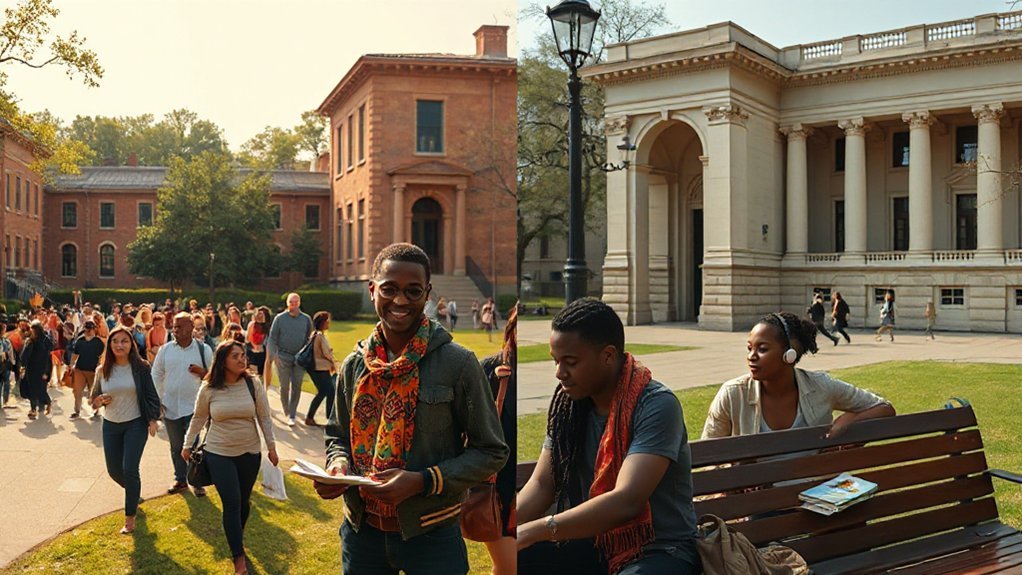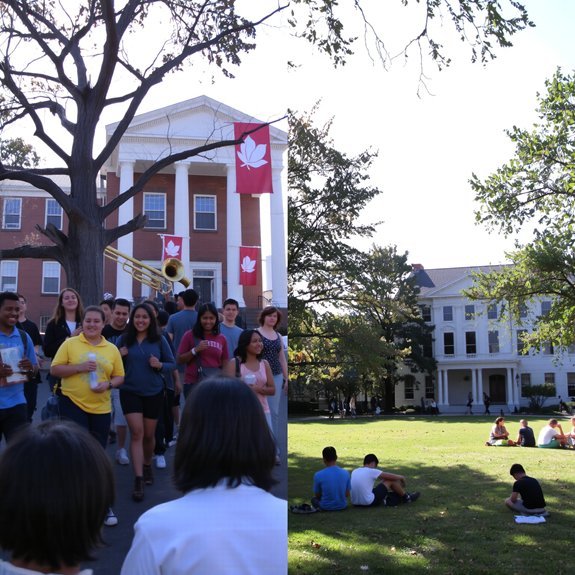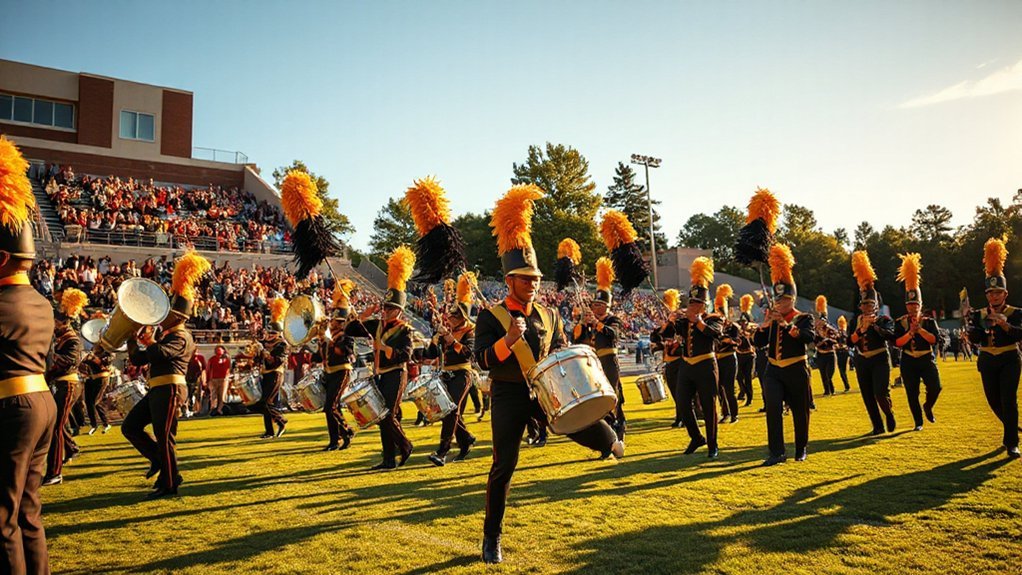
Can it really be true that a drumline can make a campus feel like home? You watch, you grin, you tap your foot as brass blares and flags whirl, and suddenly the quad’s not just grass anymore, it’s ritual — smell of polish, snap of uniforms, breath fogging in late-night practice. I’ll tell you how those beats teach teamwork, swagger, and history, but first, picture the band cutting through a halftime like lightning — and stay with me.
Key Takeaways
- Marching bands serve as living history, preserving traditions that connect past generations to present campus life.
- Musical innovation blends jazz, gospel, funk, and hip-hop, defining the distinctive sound of HBCU culture.
- Choreography and formations translate stories and pride into powerful visual rituals and campus spectacles.
- Drumline rhythms and pregame marches build belonging, communal identity, and shared campus rituals.
- Band training fosters leadership, discipline, networking, and career pathways beyond college.
Origins and Evolution of HBCU Marching Traditions
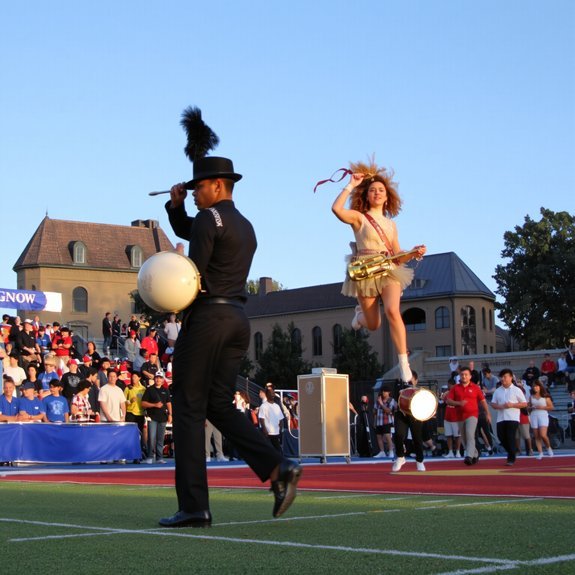
When you hear that first drumbeat roll across a sun-baked field, it’s easy to forget where it came from, but I won’t let you do that — not on my watch. You step into history, feel brass heat against your palm, smell fresh-cut grass and coffee in the stands. I tell you, those formations grew from military drills, church choirs, and backyard block parties, stitched together by students who wanted swagger and soul. You’ll see evolution in the uniforms, the snap of a march, the crowd’s collective gasp — each change answers a moment: pride, protest, celebration. You laugh, you cry, you learn moves that honor elders and push tomorrow. Trust me, it’s living history you can tap with your toe.
Musical Innovation and Performance Style
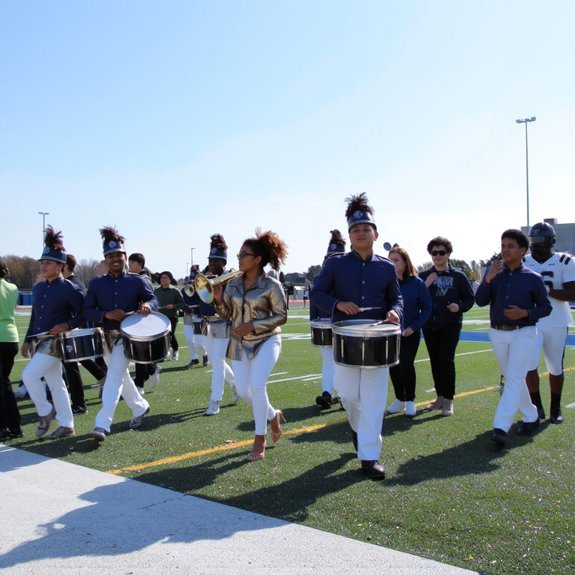
Because music here isn’t polite background noise, it grabs you by the collar and demands attention — and I’m the one pointing out how. You feel brass blaze, snare snaps, and bass that somehow vibrates your chest and your shoes, all at once. I’ll walk you through the sonic tricks that make bands unforgettable:
- Layered call-and-response, where horns answer drums, like a conversation you can taste.
- Rhythmic syncopation, unexpected beats that make your feet betray you.
- Arrangements mixing jazz, gospel, funk, and hip-hop, bold as a neon sign.
- Solo moments that stop the crowd, then throw them back into the tidal wave.
You hear texture, timing, and daring, and you know we didn’t come to blend in.
Choreography, Dance, and Visual Storytelling
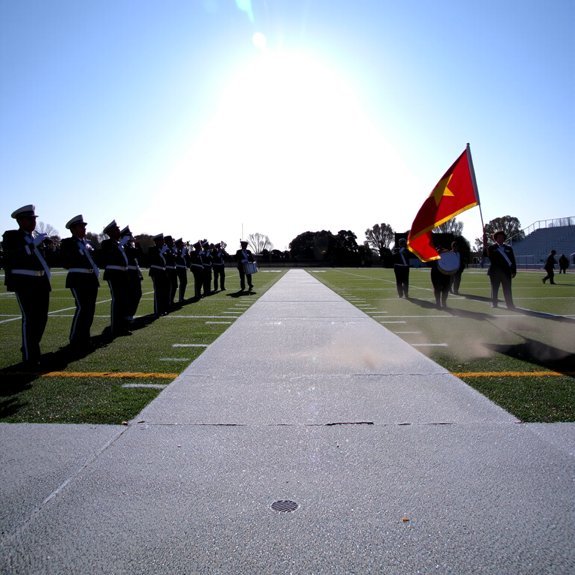
If you think the band’s job is just to play, you’re about to be politely corrected — I’ll show you how feet, flags, and shoulder pops tell the story as loud as the trumpet. You watch a sax player pivot, the crowd leans in, and suddenly you’ve got a plot twist. I point out formations that read like sentences, dancers who punctuate beats, and color guard flags that draw commas in the air. You feel the stomp in your chest, hear the snap of cymbals, see sequins wink under stadium lights. I joke about my two left feet, but I know how a choreographer crafts motion to translate melody into meaning. You leave the show having read an epic, without a single word.
Community, Identity, and Campus Rituals
You feel it the moment the drumline hits — chests thump, feet move, and suddenly you’re part of something bigger than your morning class or weekend plans. I’ll tell you straight, these rituals — pregame marches, call-and-response chants, that slow walk from the practice field — stitch individual stories into a single, loud identity you can taste on the air. Stick around, I’ll show how those shared moves and sounds keep the campus glued together, even when everything else is changing.
Collective Identity Formation
When I say the marching band walks across campus, picture a slow, proud march—brass flashing, drums thudding like a heartbeat you can feel in your chest—and you’ll understand how we start to think of “we.” I’ve seen students stop mid-step, heads turn, phones raised, mouths wide, because the band doesn’t just play tunes, it hands out a script for who belongs here; the choreography, the call-and-response shouts, the matching uniforms become signals you learn by sight and by skin. You feel it, you join it, even if you pretend you don’t. Little rituals teach you lines. Small gestures mark you as one of us.
- Snap, salute, nod.
- Shared chants, inside jokes.
- Signature moves, learned fast.
- Colors, badges, instant family.
Rituals and Campus Unity
Although the band’s cadence feels like a heartbeat for the whole campus, its rituals are the glue that actually keeps folks sticking together. You show up to rehearsals, smell hot brass and warm sweat, you trade nods with people who’ve been part of this since freshman orientation, and suddenly you belong. I’ll say it plainly: those rituals — pregame stair climbs, hand signs, call-and-response chants — make community tangible. They teach you moves, cues, when to laugh, when to stand still. They stitch identity into outfits and sound. You’ll feel goosebumps during a familiar drum break, get silly with alumni on the sidelines, and swear you’re part of something bigger. It’s communal training, and it works, beautifully.
Training, Leadership, and Career Pathways
Because marching band training feels like boot camp for your senses, I’ll be blunt: it’s where grit gets a haircut and swagger learns to read music. You’ll sweat through drills, count off rhythms, and learn to lead without yelling your throat raw. I watch you grow, from awkward cadet to confident section leader, baton snapping sharp, shoulders square. Careers start here, in rehearsal rooms and late-night sectionals, where mentors hand you résumés and tough love.
Marching band: boot camp for the senses — sweat, drills, leadership, and the tough-love launch of real careers.
- Precision drills — your feet sync, breath tight, sound crisp.
- Leadership labs — you practice cues, conflict fixes, pep talk timing.
- Industry pipelines — internships, teaching gigs, studio sessions.
- Lifelong skills — discipline, teamwork, showmanship, networking.
Influence on Fashion, Language, and Popular Culture
You think the band life stops at the last note? You watch jackets, boots, sequins, and berets walk like a runway through campus, you copy that swagger, and you suddenly care about tailoring. You borrow a plume, you learn the click of parade boots, you speak in call-and-response, tossing out nicknames that stick. You hum cadences in line at the café, you gesture with brass hands, you slap rhythms on tables, people laugh and join. Pop artists sample drum breaks, directors snag moves, TV shows borrow your choreography, and you wink when your riff turns up in a playlist. You shape trends, you craft slang, you make style and sound collide — loud, proud, unmistakably yours.
Challenges, Preservation, and Future Directions
When the horns go quiet and the sequins come off, we still hear the rhythm in our bones, and that’s where the hard work starts. You feel the chill of empty stands, the sweat-damp jacket folded in your lap, and you know traditions need tending. I tell you plainly, preservation isn’t passive, it’s elbow grease, stories, and rehearsal rooms that smell like brass and coffee. You’ll face funding cuts, fading interest, and alumni who argue about tempos. Still, you can act.
- Secure funding through grants, partnerships, and bold fundraisers.
- Teach youth with summer camps, school visits, hands-on practice.
- Archive shows, recordings, oral histories, and costume patterns.
- Innovate shows, tech, and social media, while honoring roots.
Conclusion
You feel the drumbeat in your chest, don’t you? I do, too — like a heartbeat turned brass. You’ve watched the dancers slice sunlight, seen uniforms become flags. Marching bands teach you teamwork and swagger, they hand you history with a grin. You’ll carry that rhythm into classrooms, courts, and boardrooms. So step closer, listen, and join the shout — this music is your mirror, your map, and your next bold move.