Tag: HBCU education

  • How HBCUs Are Preparing Students for the Future of Work

    How HBCUs Are Preparing Students for the Future of Work

    You’ll notice HBCUs are reshaping classrooms into labs, boardrooms, and greenhouses—hands-on AI projects hum beside solar arrays, professors broker internships like matchmakers, and alumni drop in with real job leads, not just pep talks. I’ll admit I’m a little smug about how practical this feels; you’ll smell solder and coffee, hear confident pitches, and watch résumés get sharped into tools employers actually want—and there’s more coming.

    Key Takeaways

    • HBCUs build STEM and AI-focused curricula with hands-on labs to develop practical, job-ready technical skills.
    • Career centers create industry pipelines, paid internships, and mock interviews tailored to HBCU students.
    • Programs emphasize entrepreneurship and innovation through bootcamps, cross-disciplinary teams, and MVP-focused experiences.
    • Green energy and sustainability training offer certifications, lab apprenticeships, and industry-aligned projects.
    • Data-driven evaluation uses alumni and employer feedback to continuously adapt curricula and short credential programs.

    Strengthening STEM and AI-Focused Curricula
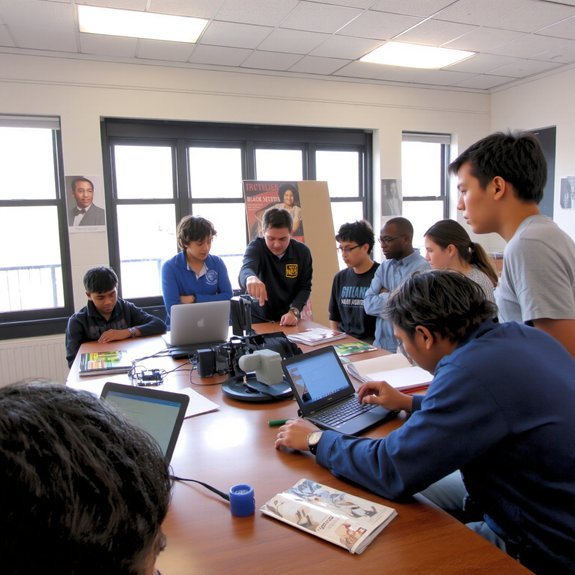
    hands on ai learning experience

    Even if you’ve never coded past a calculator app, you’ll laugh at how fast you’ll catch on here—I’m serious. You walk into labs that smell like coffee and solder, you tap a keyboard, and concepts click. I’ll show you loops with sticky notes, we’ll debug with snacks, and you’ll build models that actually predict things, not just spit numbers. Professors speak like coaches, hands-on, steady; classmates swap jokes and datasets, you’ll feel the rhythm. We break problems into bite-size tasks, then celebrate small wins—high-fives, quick brag texts, that satisfying “it runs” gasp. You won’t just learn theory, you’ll train instincts, sharpen tooling, and graduate ready to tackle real AI work, confident, curious, and surprisingly proud.

    Expanding Industry Partnerships and Internship Pipelines
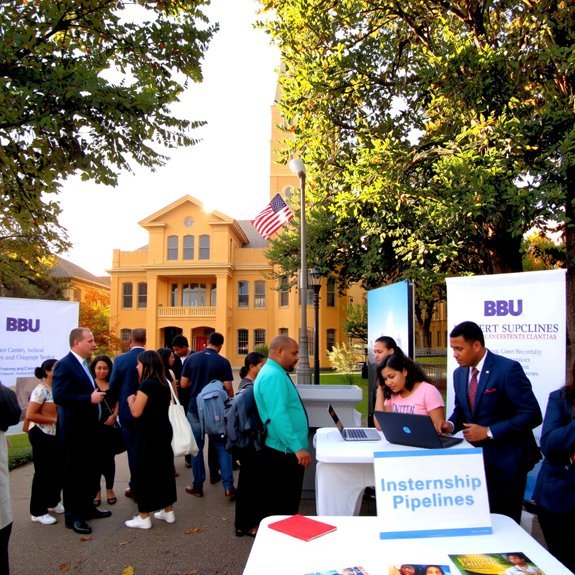
    career focused industry collaborations

    Envision this: I walk you into a room where recruiters hover by whiteboards, coffee steam curls like signal smoke, and somebody’s laptop plays a slick demo—fast, real, kinda loud. You see career centers hustling, faculty shaking hands with hiring managers, and students trading résumés like prized baseball cards. I point out curated pipelines, paid internships, co-ops that actually pay rent, and mentorships where pros give tough love, not corporate fluff. You hear feedback loops—skills mapped to job specs, syllabi tweaked overnight, and alumni opening doors because they remember a professor who cared. I nudge you toward apprenticeship models, industry-led projects, and mock interviews that sting—in the best way. You leave thinking: real pathways, fewer guesswork moments, more launchpads.

    Embedding Entrepreneurial and Innovation Programs
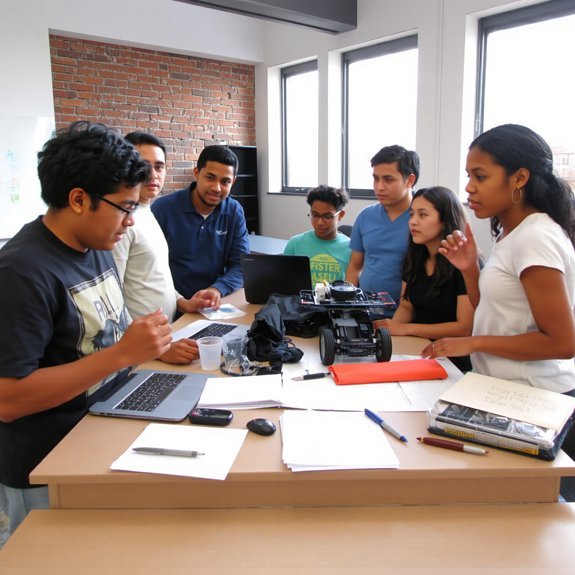
    hands on entrepreneurial innovation programs

    When I walk into these HBCU labs and garages, you smell solder and strong coffee, you hear students arguing over a prototype like it’s game seven, and you can practically feel new ideas jangling in their pockets. I watch you join a pop-up pitch night, then grin as a student flips a soldering iron like a magic wand. You’ll get hands-on bootcamps, mentor office hours, and failure-friendly demo days that teach grit, not just grades. You’ll learn to write lean plans, build MVPs, and hustle politely for seed funding. I’ll nudge you into cross-disciplinary teams—engineers with poets, coders with marketers—because weird mixes make gold. It’s practical, playful, and unapologetically ambitious.

    Integrating Green Energy and Sustainability Training

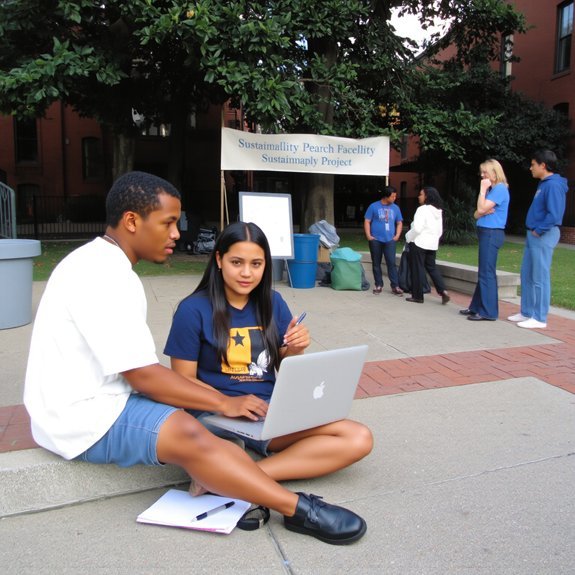
    You’ll want curriculum-aligned green certifications on your transcript, so I’ll show you how they map to real jobs — think solar installer badges that actually open doors. Picture students in a campus renewable energy lab, hands greasy with wire, smelling hot solder, running panels and learning by doing; it’s noisy, bright, and utterly necessary. Then we’ll pull in industry partners for apprenticeships, short-term pay, long-term careers, and the kind of connections that beat a lecture every time.

    Curriculum-Aligned Green Certifications

    Because the climate crisis isn’t waiting, I’m pushing HBCU classrooms to double as green-workshops where you can actually touch, test, and tinker with the future—solar panels hum under your fingertips, wind-turbine models creak in the workshop, and recyclables get a second life on your bench. You’ll earn certifications that map directly to job listings, not vague badges that collect dust. I make courses line up with industry exams, so you study, practice, and pass, often during a single semester. Expect hands-on labs, timed mock assessments, and guest pros who break jargon into plain English. You’ll leave with certificates, a portfolio, and stories that land interviews. No fluff, just market-ready skills, confidence, and a little well-earned swagger.

    Campus Renewable Energy Labs

    You’ve earned the certifications, stacked the portfolio, and probably bragged a little to whoever’d listen — now let’s put those skills to work where the roof, the lab bench, and the wind feel the same breeze. I walk you onto campus roofs, we smell warm panels, hear inverters hum, and we touch cold turbine bolts. You’ll wire arrays, log real-time output, and debug sensors with a coffee-stained manual and a grin. Labs mimic microgrids, with battery racks you can actually heft, soil plots for bioenergy, and weather stations that argue with forecasts. You get hands-on troubleshooting, sustainability plans, and grant-writing practice—yes, real paperwork, the glamorous kind. You leave knowing how systems behave, not just what a diagram claims.

    Industry Partnerships for Apprenticeships

    When I stroll into a manufacturing floor or a rooftop install with you, I’m not doing a tour — I’m matchmaking. I point out bolts, panels, humming inverters, you squint, you nod, and I already hear your future boss saying, “When can you start?” You get apprenticeships co-created with local firms, where you learn tools, trace circuits, log emissions, and earn paychecks, not just credits. I broker real-world projects, contracts that fund your tuition, and mentors who text back at midnight. You’ll swap lab bench stories for site-sweat credibility, graduate with a toolbox and a LinkedIn endorsement that matters. It’s practical, bold, and yes, sometimes chaotic — but it’s how you step into paid green work, ready.

    Building Career Services That Center Cultural Competence

    If we want career centers that actually work for HBCU students, we’ve got to stop acting like one-size-fits-all advice will cut it—because it won’t. You’ll build services that listen first, then act: spaces that smell faintly of coffee, walls dotted with student art, staff who actually know your story. You want practical coaching, not generic pep talks. Start small, then scale.

    • Train advisors in cultural humility and industry-specific language, so conversations land.
    • Create mock interviews that reflect real workplaces, including microaggressions practice.
    • Offer resume help that honors community work and nontraditional paths.
    • Run employer briefings to set expectations and reduce biased screening.

    I say this like a friend, I mean it like a planner, and yes, we’ll fix it together.

    Leveraging Alumni Networks for Mentorship and Placement

    Three things make alumni magic work: relationships, reciprocity, and relentless follow-through. You tap a grad on LinkedIn, feel that tiny thrill—then you message with purpose, not fluff. I’ll show you how to turn that ping into a packed résumé review, a mock interview that actually stings (in a helpful way), and a referral that lands you an intro call. Picture an alum pouring coffee, telling a war story, then sliding a job lead across the table; you taste the roast, you jot the name. Set micro-commitments: 20-minute chats, targeted feedback, referral windows. Track outcomes, celebrate matches, nudge gently. Alumni want impact, not handouts. You give clarity, they give access, and together you build a pipeline that hums.

    Scaling Digital Infrastructure and Hybrid Learning Models

    You saw how alumni hand out real-world shortcuts—now picture scaling that same human spark across servers and classrooms, not just coffee shops. You’ll want reliable Wi‑Fi that feels invisible, cameras that catch gestures, and platforms that make group work feel like hanging out, not homework. I lean into the tech, you test it live, we iterate fast.

    • Upgrade campus networks, prioritize low-latency access, and map black spots.
    • Blend in-person labs with synchronous livestreams, keep cameras at eye level.
    • Train faculty on hybrid pedagogy, run mock classes, cheer for small wins.
    • Provide loaner devices, quiet study pods, and on-call IT tutors who actually answer.

    You get a seamless mix of human warmth and scalable systems, ready for real work.

    Measuring Outcomes and Adapting to Labor Market Signals

    Because the future of work shifts under our feet like a DJ changing records, we’ve got to measure what matters and move fast when the beat drops. You’ll track employment rates, wage growth, and skill-use on the job, like checking the scoreboard after a big play. I’ll nudge you to pair alumni surveys with real-time labor data, scrape job postings, and listen to employer feedback — yes, actually listen. You’ll pilot short credential programs, watch hiring patterns, tweak curriculum, then run it again. Picture dashboards glowing at midnight, coffee in hand, numbers telling stories. You’ll celebrate wins, cut what flops, and tell students plainly what skills pay bills. Adaptation’s messy, but you’ll get slick at dancing with data.

    Conclusion

    You’re stepping into work-ready training that feels like a toolbox humming with possibility, and I’m here to cheer you on. You’ll build skills in labs, pitch ideas in rooms that smell like coffee and courage, and land internships that actually matter. I watch alumni open doors, faculty tweak classes, and recruiters lean in — so you don’t wander, you sprint. Trust the process, grab the chance, and let curiosity steer your next move.
  • How HBCUs Have Shaped Black Leadership in America

    How HBCUs Have Shaped Black Leadership in America

    Like a quiet thunder in the footsteps of Frederick Douglass, you’ll feel HBCUs before you fully name them — you walk their quads, smell cut grass and old books, and hear mentors who say, “Try it, then tell me why.” I’ll point out how those classrooms turn curiosity into courage, how tight-knit networks open doors you didn’t know existed, and how alumni show up in courtrooms and capitols with grit and grace — but I’m getting ahead of myself, so stick around.

    Key Takeaways

    • Founded after the Civil War, HBCUs provided accessible education and practical skills that created the first generations of Black professionals and leaders.
    • HBCU campuses served as incubators for civil rights activism, training students in organizing, nonviolent protest, and political strategy.
    • Experiential academic culture—debates, public speaking, and hands-on projects—built confidence and leadership competence in students.
    • Strong mentorship, alumni networks, and community ties created support systems that propelled graduates into politics, business, and law.
    • HBCU alumni pipelines have consistently diversified leadership across local, national, and corporate institutions.

    Origins and Early Mission of HBCUs

    community knowledge transforms power

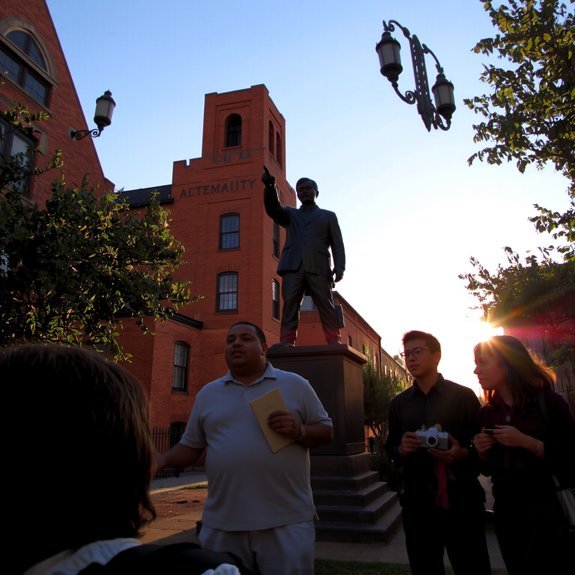
    If you step back in time, you’ll almost smell the coal oil lamps and hear scratchy footsteps across wooden floors—because when HBCUs were born after the Civil War, they sprung from urgent, very human needs. You see freed people hungry for reading, for trades, for leadership, and they built schools with grit, song, and stubborn hope. I’ll tell you straight: these places taught math and manners, carpentry and civic courage, and they insisted you matter. You’ll picture small classrooms, chalk dust in hair, a teacher tapping a desk, saying, “You can.” That voice became gospel. Those early missions trained pastors, teachers, artisans, activists, leaders—folk who took community knowledge and turned it into power, steadily, deliberately.

    HBCUs and the Civil Rights Movement

    hbcus forged civil rights

    When the world got loud with buses burning and courtrooms creaking, HBCUs answered like a drumbeat you could feel in your chest; I listened to those drums, and they taught me how to march. You stood on cramped porches, felt the humidity stick to your collar, and heard student speakers spit truth that made your spine straighten. Faculty drafted strategies in dim offices, hands stained with coffee, maps spread like battle plans. You learned nonviolent lines, then practiced them until your voice didn’t shake. You chained your body to a lunch counter, tasted metal and grit, and felt solidarity tighten like a belt. Those campuses trained you to organize, to speak, to risk, to laugh nervously before stepping into history — sometimes clumsy, always committed.

    Academic Culture That Fosters Leadership

    learn by doing together

    Because you can’t learn to lead from a lecture alone, I watched leadership grow in classrooms that smelled like chalk dust and strong coffee, with posters thumbtacked crooked and windows that let in April heat and argument both. You learn by doing, by stumbling through debates, by presenting a shaky thesis and having your classmates call you out—lovingly, loudly. Professors push you, not politely, but with that sharp kindness that means they care enough to break you and rebuild you smarter. You build confidence in messy labs, late-night study groups, student-run newspapers with glue on their fingers. You practice public speaking at noon, fail spectacularly, laugh it off, try again. That hands-on, honest culture trains you to think fast, speak clear, and lead with purpose.

    Mentorship, Networks, and Community Commitment

    While mentors hand you the map, it’s the late-night detours and hallway pep talks that teach you how to read it. You learn leadership in crowded cafeterias, hands warm around Styrofoam cups, advisors leaning in, saying, “Try this.” You trade résumés and recipes, laugh at foolish risks, then practice tough conversations in dorm lounges until they sound human. Alumni drop by, shake your hand, slip you a contact, and suddenly a network is a living thing, humming. You volunteer, teach younger students, and your commitment deepens; you don’t just climb, you build ladders. I watch you grow, stumble, get up, and keep going — wiser, bolder, connected. That’s community: practical, noisy, stubbornly loving, and utterly transformative.

    HBCU Alumni Impact in Politics, Business, and Law

    You’ll see HBCU grads showing up in city halls and courtrooms, a steady political leadership pipeline that’s as intentional as a march. I’ll point out the legal and corporate trailblazers who broke glass ceilings—think courtroom drama, boardroom banter, and the smell of coffee at dawn as plans get made. Stick with me, I’ll name names, tell quick stories, and show how those networks turn ambition into real power.

    Political Leadership Pipeline

    If you’ve ever watched a fiery commencement speech from an HBCU and felt your heart do a little drum roll, you’re not alone — I felt that too, right there in my cheap folding chair, cheering like it was the Super Bowl. You see how those campuses forge organizers, thinkers, and talkers who don’t just argue, they act. You’ll meet student government presidents cut from debate nights and canvassers turned city councilors, learning policy in cramped dorm rooms, chanting on hot afternoons, shaking hands until your wrist aches. Those rallies smell like sunblock and fried chicken, but they teach discipline, networks, grit. You’ll watch alumni run campaigns with a phone tree and a prayer, then win, then mentor the next kid who can’t stop dreaming.

    Think of a courtroom and a boardroom as twin stages, each lit a little too brightly, and you’ll see HBCU grads stepping into them like they were born to improvise. You watch someone I know—sharp suit, quicker smile—cross the marble, papers in hand, argue like they’re rewiring the rules. Then, cut to a glass tower, where another alum leans over a laptop, rewriting policy with the same calm ferocity. You feel the hum of fluorescent lights, smell coffee, hear confident laughter. They carry mentorship, ritual, and stubborn pride from campus to counsel table to C-suite. You learn, they hire, they sue, they scale. It’s practical magic, practiced and passed down, and yes, it’s delightfully effective.

    Contemporary Challenges and the Future of HBCU Leadership

    You and I both know the lights can flicker at HBCUs when funding and resources run thin, so we’re going to look at the cracks and the wiring. I’ll point out how a shaky leadership pipeline—fewer training programs, fewer mentorship hands reaching back—makes it harder to swap out bulbs without blowing a fuse. Stick with me, we’ll sketch practical fixes that smell like fresh paint and sound like a confident, new bell ringing on campus.

    Funding and Resource Gaps

    When I walk onto an HBCU campus, the air smells like fresh-cut grass, old books, and a hundred stories that didn’t get enough funding — and that’s not drama, it’s fact. You see worn labs, patched dorms, and a café line that’s half alumni memories, half unpaid invoices. You feel pride and frustration, at once. State budgets and donor attention often skip your halls, leaving programs to improvise, stretch, beg. Professors teach twice the load, advisors juggle crises, students hustle for scholarships like it’s a sport. You cheer when grants arrive, you wince when they vanish. This gap shapes choices, narrows options, slows growth. Still, you keep building brilliance with less, stubborn, creative, and unbowed.

    Leadership Pipeline Development

    Money shortages shape the halls, and they shape who gets to lead them next. You see worn creaky staircases, posters taped crooked, ambitious students who need mentoring, and you wonder how leaders emerge. I’ll be blunt, I’ve watched pipelines stall, then reroute, and I still believe you can fix this.

    1. Create paid internships, so talent stays, not drifts.
    2. Build alumni mentorship circles, honest talks, real favors.
    3. Partner with businesses for leadership labs, hands-on, noisy learning.
    4. Invest in faculty leadership training, they’re the incubators, not just graders.

    You’ll need persistence, a wink, and stubborn optimism. I’ll cheer, you’ll act, and together we’ll move those halls toward brighter, livelier leadership.

    Conclusion

    You’ve seen how HBCUs forged leaders, brick by brick, speech by speech. I’ll bet a million suns they’ve changed America’s course — no exaggeration. You’ll feel the pride when you picture classrooms buzzing, mentors tapping shoulders, and alumni arguing policy over coffee. I’m telling you this because I lived it on the page with you; you get the grit, the laughter, the late-night debates. Keep watching — their next chapter’s already in motion, and it’s yours to cheer.

  • How to Build a Portfolio While Studying at an HBCU

    How to Build a Portfolio While Studying at an HBCU

    Let’s call it “collecting evidence” instead of bragging—because you’ll need proof, not praise. Picture you in a crowded student center, laptop humming, jotting down a campus project that actually mattered, while a professor tosses you a recommendation like it’s a hot potato; you smile, you take it. I’ll show you how to spot the right gigs, turn messy group work into polished pieces, and build a portfolio that opens doors—so keep going.

    Key Takeaways

    • Join campus labs, student orgs, and research projects to gain real-world work you can document and showcase.
    • Curate 4–8 high-quality pieces with metrics, one-line takeaways, and clear file naming for easy review.
    • Build a simple online portfolio (GitHub, personal site, or portfolio platform) with user-friendly navigation and contact info.
    • Seek faculty and alumni mentors for critique, referrals, and opportunities to strengthen showcased projects.
    • Update monthly, remove outdated work, and practice a concise two-minute pitch tailored to employers and career fairs.

    Why a Portfolio Matters During Your HBCU Years

    portfolio showcases your growth

    When you walk into a campus career fair, breath still warm from your coffee and nerves doing a jittery tap dance, a portfolio does the talking you haven’t practiced yet. You’ll catch eyes, hand over a tidy packet or tablet, and suddenly your work speaks clearer than your Monday morning voice. It proves you showed up, finished things, and learned how to explain them without drama. Recruiters love evidence, professors respect craft, peers nod like you’ve got receipts. Your portfolio holds wins, drafts, lab photos, code snippets, logos, and critiques—tactile proof you grew. It saves you from rambling, gives you a confident opener, and makes follow-ups effortless. Treat it like your best argument, polished, honest, and a little bit charming.

    Identifying Your Strengths and Career Goals

    identify strengths set goals

    You’ve handed over your portfolio at the fair, felt that small electric click when a recruiter actually looks up—now let’s figure out what lives inside that shiny packet. You’ll sit, breathe, and list what you do best: coding that finally runs, pitches that land, sketches that make people laugh. Say the skills out loud, feel them in your fingers. Then name the job you want, picture the office, the commute, the coffee mug you’d steal from your future self. Match skills to that picture. Trim the soft stuff. Keep proof — links, screenshots, short stories of wins. I’ll nag you: be honest, not humble. Swap vague goals for clear targets, set one deadline, and start filling the portfolio with things that actually prove you matter.

    Finding High-Impact Projects on Campus

    get involved make impact

    You should scout campus labs and research groups, slip into a lab meeting, smell the coffee and scribble your name on a post-it like you mean business. Then, pair up with student organizations, offer to run their next project or digital campaign, and watch your resume fill out while you learn to herd volunteers. I’ll say it bluntly: get messy, get curious, and pick projects that make people notice you — in a good way.

    Join Research or Labs

    Because labs and research gigs are where you’ll get your hands dirty and your résumé noticed, I’m going to say it plainly: hunt them down like they’re limited-edition sneakers. Walk department halls, drop into office hours, knock on doors — yes, really. Listen for project buzz, spot whiteboards crowded with scribbles, smell coffee and solder, feel the hum of gear. Ask professors what’s urgent, mention skills you’ve built, offer to do grunt work first. Show up prepared, bring a notebook, pitch a tiny idea, volunteer for data cleaning. Join a lab meeting, listen more than talk, then follow up with a quick, polite email. Treat every odd task like evidence. You’ll build experience, get referrals, and earn stories that actually make employers look up.

    Partner With Campus Organizations

    Lab work will get your hands dirty, sure, but campus orgs let you show you can move a crowd, run a budget, and ship something real. Think student government, cultural clubs, or the tech society — they always need projects, you just need to grab one. Walk into a meeting, offer to build the event page, design the flyer, or run sign-ups. Say yes to messy tasks, because they become portfolio pieces: photos, budgets, timelines, emails. I’ll admit, leading a tabling blitz felt like herding cats, but the social media boost paid off. Capture before-and-after shots, get testimonials, save drafts and receipts. Turn every planning session into a case study. You’ll collect tangible work, stories to tell, and proof you can ship under pressure.

    Leveraging HBCU Networks and Mentors

    You’ve got a secret weapon on campus: alumni who remember your school’s hallways, still answer late-night calls, and love helping when you bring them something real to work on. I’ll show you how to tap those alumni connections, and how to pick faculty mentors who’ll critique your portfolio like a coach—tough, honest, and oddly proud. Picture quick coffees in sunlit offices, an emailed draft at midnight, and a mentor’s blunt “fix this” that actually makes your work sing.

    Campus Alumni Connections

    One quick truth: alumni are your secret zip code to opportunity — and I mean that in the good, slightly magical way. I tell you, walk into reunions like you own the room, smile, and name-drop your major; someone will lean in. Tap the alumni office, scan LinkedIn, slide into polite DMs, and show work — a project screenshot, a landing page, a portfolio PDF. Ask for coffee, not a job; trade stories, take notes, and follow up with gratitude. Volunteer at alumni events, offer to help with social media, or invite an alum to judge a student showcase. Keep records, send progress updates, and say thanks with a handwritten note. Relationships compound; they’re small, noisy investments that pay off.

    Faculty Mentorship Pathways

    When I first wandered into Professor Daniels’ office, smelling of pizza and nervous confidence, I didn’t know I was stepping into a mini-career GPS — but that’s exactly what faculty mentorship can be at an HBCU: a sharp, human-powered shortcut through job listings and imposter syndrome. You’ll learn to knock on doors, literal and metaphorical. Ask for feedback, bring a draft, and watch them dissect your portfolio like a patient surgeon. They’ll share contacts, conference invites, and the kind of blunt truth you need. Say yes to small gigs they suggest. Take notes, send thank-you emails, iterate. Expect jokes, gentle roasts, and practical templates. Treat mentorship like an apprenticeship: show up, do the work, and return the favor when you’re ready to mentor someone else.

    Documenting Work: What to Keep and How to Organize It

    If you start saving everything and nothing, your portfolio will look like a junk drawer — chaotic, noisy, and full of mismatched receipts you’ll never use. I tell you, be picky. Keep polished drafts, final projects, feedback notes with names and dates, high-res images, and any metrics that prove impact. Photograph physical work, scan handwritten sketches, save email praise, and export code with README files. Label files clearly: COURSE_PROJECT_Title_DATE_VERSION. Organize by skill or employer-ready theme, not by semester. Back up to cloud and an external drive, test restores, and keep a simple changelog so you know what changed and why. Every item should earn its spot. If it doesn’t, toss it — ruthless, tidy, satisfying.

    Building an Online Portfolio Platform That Works

    Since you’re not building a dusty folder, you’re building a stage — and I’ll be your slightly sarcastic stage manager. You pick a clean template, I’ll pretend I did it for you. Choose a fast host, clear navigation, and readable fonts so your work loads quick and looks sharp on phones and laptops, feel that smoothness under your fingertips. Add project pages with short intros, process shots, and final images — people love before-and-after, humans are visual. Include an about page that sounds like you, contact info that actually works, and downloadable résumé for recruiters who still like paper. Keep SEO basics, a simple domain, and one consistent color palette. Update monthly, test links, and don’t forget backups.

    Showcasing Nontraditional and Collaborative Projects

    Because weird projects and team chaos make better stories than a solo résumé ever will, I’m going to make you proud of the messy, brilliant things you’ve helped build. You’ll show how you solved a problem, not just your title. Say what you did, who smelled like burnt toast in late-night prototyping, and which mistake taught you the most. Use photos, short clips, commit diffs, and one-line outcomes.

    • Describe your role and the messy win, with a screenshot or sketch.
    • Tag teammates, link prototypes, and note your exact contribution.
    • Add metrics or quotes, even awkward praise from your professor.
    • Show the failure briefly, then the pivot, then the bright result.

    Tell the story like you were there.

    Preparing a Strong In-Person Portfolio Presentation

    Alright, you’ve told the messy, brilliant story — now get ready to tell it out loud without tripping over your own shoes. Walk in like you own half the room, but keep your shoulders loose. Set up early, test a slideshow, and feel the clicker in your hand — tactile reassurance. Keep physical pieces reachable, fingers clean, prints flat. Practice a two-minute opener that hooks, then a calm, one-sentence close. Speak clearly, pace breaths, let silence do heavy lifting. Use props sparingly, touch material slowly so listeners see texture. Invite questions with a grin, not a sales pitch. If you flub, laugh, fix it, move on — confidence beats perfection. End by handing a neat leave-behind, say thanks, shake hands.

    Maintaining and Updating Your Portfolio Over Time

    If you want your portfolio to stay alive, you’ve got to treat it like a plant — not a rock. You’ll water it, prune dead leaves, and move it to light when opportunities change. I check mine monthly, like a nosy neighbor, and tweak things that look tired. You’ll hear me say: don’t hoard projects, curate them.

    • Remove outdated pieces, replace them with recent wins.
    • Add short captions, metrics, and a one-line takeaway for each item.
    • Backup files in two places, and export PDFs for quick sharing.
    • Ask a mentor quarterly, then act on the blunt feedback.

    You’ll keep it fresh, honest, and ready. It’ll smell like effort, not mold.

    Conclusion

    You’ve got grit, goals, and a growing gallery of good work—go show it. I’ll say it plain: gather glowing projects, grab guidance from grads, and get them glossy online. Picture campus crowds, late-night lab lights, sticky-note sketches—capture those. Practice a crisp pitch, polish each page, and parade your progress proudly. Keep curating, keep connecting, keep evolving—your portfolio’s a living, loud little proof that you belong and you’re ready.

  • Public Vs Private HBCUS: What’s the Difference?

    Public Vs Private HBCUS: What’s the Difference?

    Think of Tuskegee offering low in‑state tuition and big engineering labs, while Morehouse charges more but gives you tiny seminar classes and a mentor who knows your name. You’ll see state money stretch classrooms wide, private donors buy personality, and both campuses hum with marching bands, late-night study sessions, and the smell of grilled cheeseburgers from the quad. Stick around—there’s a clear tradeoff, and it matters for your future.

    Key Takeaways

    • Public HBCUs are state-funded with lower in-state tuition and steady public aid.
    • Private HBCUs rely on donations, fundraising, and typically charge higher tuition.
    • Public campuses offer broader majors, larger classes, and more federal research funding.
    • Private campuses provide smaller cohorts, niche programs, and more one-on-one mentoring.
    • Governance differs: public schools answer to state systems and taxpayers; private schools to boards and donors.

    Funding and Tuition Differences Between Public and Private HBCUs

    funding disparities in hbcus

    When you dig into the money side of HBCUs, you quickly see two very different worlds—one with state backing and one that leans on faith, donors, and grit; I’ll walk you through the differences without the boring chart talk. You’ll notice public HBCUs get steady state aid, lower in-state tuition, and bigger classrooms humming with commuter energy. Private ones feel warmer, chapel bells and alumni dinners, but tuition bites harder, so they hustle scholarships and donor pitches like pros. Picture campus offices ringing with calls, financial aid counselors juggling packages, students scanning award letters like treasure maps. I’ll admit, I root for both. Publics offer access, privates craft intimate experiences — you weigh cost against culture, pocketbook against promise.

    Governance, Accountability, and Institutional Structure

    governance shapes institutional accountability

    Because governance shapes everything from graduation caps to parking permits, I want you to picture two control rooms: one buzzes with elected officials, state laws, and public board meetings; the other smells faintly of coffee and institutional pride, private trustees leaning over polished wood, whispering strategy between donor calls. You’ll notice public HBCUs answer to state systems, open records, budget hearings — they move on timetables set by legislatures. Private HBCUs answer to boards and benefactors, they pivot faster, chase gifts, protect endowments. Accountability looks different: public schools report to taxpayers, private ones to donors and accreditation. You, as a student or parent, should care who signs the checks, who hires presidents, and who sets campus rules. Know the control room before you buy a hat.

    Academic Programs, Class Size, and Research Opportunities

    class size and research opportunities

    If you peek into classrooms at public and private HBCUs, you’ll smell chalk dust, coffee, and the faint thrill of discovery—then you’ll notice the differences. You’ll see broader program lists at publics, more majors, vocational tracks, and big lecture halls that hum. Privates tend to offer niche programs, tighter cohorts, and faculty who know your dog’s name. You’ll sit closer in some rooms, farther back in others; class size shapes the give-and-take, the questions you dare ask. Research? Publics often have bigger labs, federal grants, and noisy equipment. Privates offer mentored projects, cozy labs, and one-on-one attention that feels like academic therapy. Choose what fits your curiosity, schedule, and budget.

    1. Program variety
    2. Class size
    3. Research scale
    4. Mentorship style

    Campus Culture, Student Life, and Community Engagement

    While you’re milling past the student center, smelling fried food and campus sunscreen, I’ll bet you notice the vibe right away — it’s like a handshake and a sermon wrapped into one. You’ll feel tailgates, step shows, and late-night study sessions stitched together. You hear choir warmups, bass from a block party, professors calling roll like family, and friends trading snacks at midnight. Public HBCUs tend to hum with big crowds, diverse clubs, and city partnerships; private ones often fold you into smaller cohorts, intimate traditions, and alumni who know your name. You’ll volunteer at local schools, march in homecoming parades, and find mentorships that start on benches and end in boardrooms. Expect warmth, ritual, and a community that insists you belong.

    Financial Aid, Scholarships, and Return on Investment

    When you peek at a college bill, your stomach might do a little salsa — trust me, mine did — and that’s where the money talk really grabs you by the collar. I’ll walk you through how public and private HBCUs treat aid, so you can sniff out bargains like a pro. You’ll see sticker prices, then discounts, then real costs — don’t faint. I joke, I grimace, I calculate.

    1. Net cost: Publics often charge less tuition, but privates give deeper scholarships, so check the bottom line.
    2. Grants and aid: Federal aid’s the same, institutional aid varies wildly.
    3. Work-study: Hands-on jobs, resume wins, cash in your pocket.
    4. ROI: Compare debt, career services, and grad outcomes before you sign.

    Conclusion

    You’ve got choices, and I’m here, caped like a reluctant superhero from a 1950s comic, to point them out. Public HBCUs save your wallet, offer variety, and can feel bustling; private ones hug you tight, charge more, and craft niche paths. Walk campuses, smell books and cafeteria pizza, talk to students, ask hard questions. Trust your gut and your budget, pick the place that feels like home, then own it—class bell or carriage clock be damned.