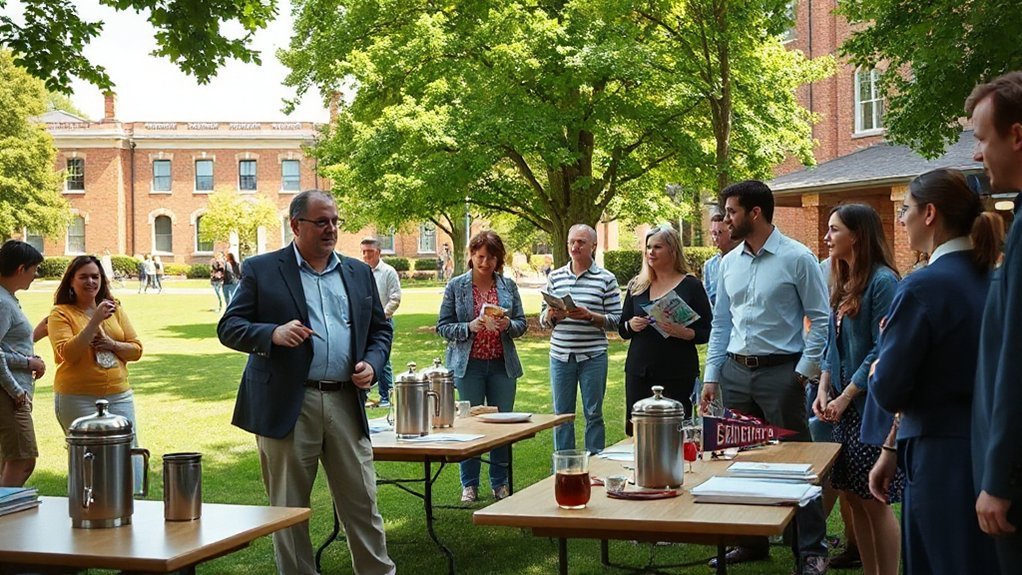
You’ve got a front-row seat to your student’s HBCU life, so don’t be a ghost—reach out, introduce yourself, and listen more than you lecture. Drop into alumni Facebook groups and parent chapters, show up to a virtual mixer with your mug of coffee, volunteer for a mentorship night, and share any job leads or scholarship ideas you’ve got; small gestures turn into big trust. I’ll tell you how to start—next stop, real connections.
Key Takeaways
- Join alumni and parent groups on email, Facebook, LinkedIn, WhatsApp, or school platforms and introduce yourself with a brief story.
- Attend virtual and local meetups, bring questions, follow up with contacts, and consistently participate to build trust.
- Volunteer as a mentor, host mock interviews or resume clinics, and connect students with professional networks.
- Organize or support themed fundraisers and scholarship drives, sharing student stories and clear, specific asks.
- Co-host events with faculty, staff, and trustees, provide snacks, listen actively, and send timely follow-ups and thank-yous.
Why Parent and Alumni Collaboration Matters for HBCUs
When parents and alumni pull together, magic happens—no, really, I’ve seen it: you can almost hear scholarships clinking into place and campus gardens getting planted. You step in, you roll up sleeves, and suddenly the campus smells like coffee and fresh paint, not bureaucracy. I watch conversations at fundraisers turn into mentorship offers, and you’ll hear alumni saying, “I remember being you,” while handing over a resume tip that actually lands. You build bridges: fundraising that funds labs, weekend workdays that plant trees, networking that opens internships. You’ll laugh, you’ll argue about barbecue recipes, then sign a check. It’s practical affection—community that moves resources and hearts, making HBCUs stronger, livelier, and yes, steadier.
Joining and Navigating Alumni Association Channels
Because you’re about to plug into a living map of people who actually remember what it was like to cram for finals and how graduation smells—lawnmower-fresh cut grass and cheap coffee—you’ll want to start by picking the channel that matches your energy. I’d say, browse first: formal alumni association emails for official updates, lively Facebook groups for pictures and banter, LinkedIn for career help, and Slack or WhatsApp for quick, real-time asks. Join one, listen, then introduce yourself—name, student year, one funny memory, one clear ask. Attend a virtual meeting, raise your hand, ask where help is needed. Keep notes, follow up with names, drop a thank-you. You’ll learn faster than you expect, and you’ll fit right in.
Connecting With Local and Regional Parent Groups
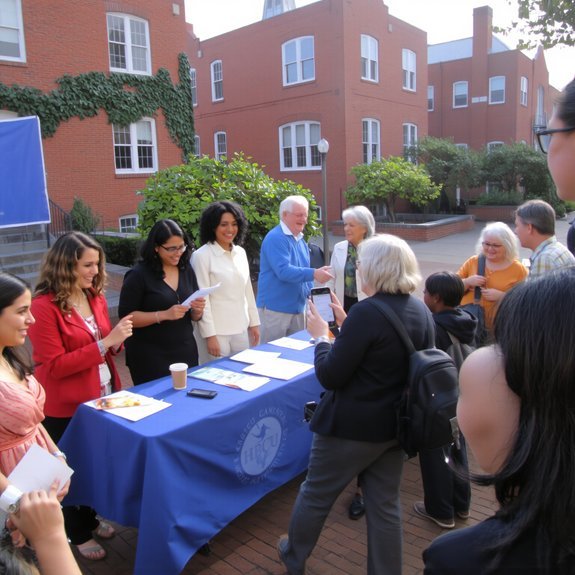
You can scout nearby parent chapters on your phone, tap the map, and feel a little thrill when one pops up a block away—like finding free coffee. I’ll tell you, show up at a regional meetup, shake hands, trade tips, and notice how the room smells like takeout and determination. Bring questions, bring snacks, don’t be shy; these local groups are where real connections and helpful favors actually happen.
Find Nearby Parent Chapters
Ready to find the parent chapter that actually gets your sense of humor and your questions about move‑in day? I’ll show you how to spot nearby chapters without calling every alumni office in town. Check your HBCU’s website, scroll to the alumni or parent section, and map the chapter locations—feel that little thrill when a dot lands three miles away. Join Facebook groups, skim posts, and listen for meet-up chatter; you’ll hear real voices, not PR speak. Call the chapter contact, say “Hi, I’m [Your Name], curious,” and note the tone. Go to a casual event—smell coffee, hear laughter, trade one-liners—and see who sticks around. If it feels right, stay. If not, try the next dot.
Attend Regional Meetups
When a regional meetup pops up on your calendar, show up like you mean it—coffee in hand, name tag crooked, and a story about the move‑in van that involved three traffic cones and one very patient cousin. You’ll walk into a room smelling like fresh pastries and handshake polish, spot parents trading alumni stories, and slide into a circle like you belong. Ask simple questions, listen hard, laugh louder than feels necessary. Swap tips about dorm hacks, scholarship deadlines, and that professor everyone lovingly fears. Offer to host a small follow‑up coffee, or gather contacts into a shared spreadsheet — yes, spreadsheets can be thrilling. You’ll leave with numbers, invites, and that tiny thrill that you aren’t steering this alone. Keep showing up; momentum builds fast.
Volunteering for Mentorship and Career Networking Programs
If you’ve ever lurked at a campus mixer wishing someone would hand you a name tag and an open door, volunteering as a mentor or network connector is that door — and you get to prop it open. You show up, you listen — the scent of coffee, the nervous laugh — and you guide. Pair students with alumni, host mock interviews, run resume clinics in a sunlit room where confidence grows like potted plants. Say a little, ask a lot. Share your messy career map, the detours and the lucky breaks, in plain talk. Host speed-networking, eat pizza, swap LinkedIns. Expect awkward silences, then sparks. You’ll leave buzzing, tired in the best way, knowing you nudged someone’s future forward.
Supporting Fundraising and Scholarship Initiatives
You can host a backyard cookout or a campus block party, get the grill smoking, music bumping, and watch neighbors turn into donors when the cause is clear and fun. I’ll help you craft flyers, social posts, and a quick script so you can promote scholarship awareness without sounding preachy — just honest, specific asks that make people picture a student they can help. Say the name, show the need, and make it easy to give; you’ll be surprised how often folks say yes.
Organize Community Fundraisers
Let’s rally the troops and throw a fundraiser that actually feels like community, not a stuffy bake sale with sad cupcakes; I’ll admit I’ve hosted one event where the DJ forgot his cords and we improvised with a Bluetooth speaker and three enthusiastic alumni — it was louder, we laughed more, and we raised money. You’ll plan with purpose, pick a vibe, and invite people who show up, not just RSVP. You’ll mix music, food, and stories, set clear goals, and make giving easy — mobile pay, suggestion jars, quick auctions. I’ll help you keep it simple, bold, and fun, so donors leave buzzing, not bored.
- Choose theme and realistic goal
- Secure venue and permits
- Line up talent and volunteers
- Set fast, clear donation options
Promote Scholarship Awareness
How do we make scholarships feel like the VIP backstage pass they actually are? I tell you straight: spotlight the students, not the paperwork. You host a mini-showcase—bright posters, snacks that smell like home, a mic for quick thank-yous—and you let recipients tell one-line stories about what the money bought: textbooks, a lab coat, a bus pass that kept them on campus. You send short video clips to alumni, captioned, “Watch hope happen,” and you post clear, clickable steps to give, with deadlines like RSVP alerts. You create donor tiers with playful names, offer thank-you notes that smell faintly of coffee and sincerity, and invite donors to a casual meet-and-greet. Small gestures, big impact, and everyone leaves feeling seen.
Hosting and Attending Campus and Community Events
When the campus quad hums with laughter and the smell of grilled burgers drifts past the alumni tent, I get that little thrill—the one that says something good is happening and you should be part of it. You’ll want to host and attend with purpose, bring a folding chair, a cooler, and an easy smile. Roll up sleeves, set a welcome table, hand out name tags, laugh at your own jokes. Meet people, trade stories, swap contact info, then follow up. Events build trust, and trust seeds support for students.
When the quad hums and grills smoke, show up with a smile, a name tag, and a purpose.
- Set a simple goal: recruit volunteers, raise funds, highlight scholarships.
- Pick a visible spot, clear signage, shade, snacks.
- Make time for short, sharp introductions.
- Collect emails, offer next steps.
Leveraging Social Media and Digital Platforms to Stay Engaged
Because your feed scrolls fast and attention is fickle, you’ve got to show up loud and smart — not shouty, just memorable. I tell you, a single smart post beats ten vague ones. Use Instagram stories for quick campus wins, Facebook groups for longer conversations, and Twitter/X to cheer on game day — mix visuals, short clips, and captions that sound like a neighbor. Tag alumni, drop event links, and pin important posts so nothing drowns. Try a monthly newsletter with bright photos, short interviews, and a clear ask: volunteer, donate, RSVP. Don’t ghost comments; reply with personality, emoji when it fits, and a question to keep chat alive. Track what works, tweak, and repeat — you’ll see engagement grow.
Partnering on Cultural Traditions and Heritage Preservation
If you want those legacy banners to keep waving and the stories to keep singing, partner up with alumni and parents like they’re co-authors of the next chapter — not just check-writers. You’ll show up, smell the barbecue smoke, hear the brass, and learn the moves. You’ll swap family recipes, archive photos, and laugh when uncle tries the step routine. I’ll nudge you to be deliberate: plan rituals, record oral histories, and protect memorabilia.
- Host joint preservation days — gloves, labels, and stories aloud.
- Share cultural workshops — dance, food, dialect, with teens on stage.
- Create a rotating legacy exhibit — tactile items, captions, QR interviews.
- Build a digital archive — scan, transcribe, tag, and celebrate together.
Advocating for Student Success and Institutional Priorities
As you and I sit on the sideline of campus life — smelling the coffee, hearing the late-night typing, watching hooded grads toss crowns into the sky — I’ll tell you straight: advocating for student success means showing up for the messy, stubborn work, not just sending a pep talk. You call meetings, you bring snacks, you listen hard. You learn funding jargon, then translate it into action: scholarships, emergency grants, career fairs that don’t feel like speed dating. You nudge administrators with friendly persistence, you rally alumni to mentor, you remind deans that retention beats prestige on Monday mornings. You celebrate small wins loudly — pizza party for a finished thesis — and lobby for priorities that keep students fed, housed, and ready to learn.
Building Long-Term Relationships With Faculty, Staff, and Trustees
You should set up regular, personal check-ins with faculty, staff, and trustees — a quick coffee, a hallway hello, or a calendar invite that actually gets kept. Partner on events that matter, co-host panels or alumni mixers where you do the heavy lifting and they bring the stories, so everyone leaves smelling like success (and maybe popcorn). I’ll remind you, keep it friendly, consistent, and a little bit cheeky — relationships age like fine wine, not instant coffee.
Regular, Personal Check-ins
When I say “check in,” I don’t mean a stiff calendar invite with the word ‘touching base’ — I mean a real, human hello that smells faintly of coffee and sounds like you actually listened. I want you to pick up the phone, send a text with a small laugh, or drop by an office with a paper cup, and actually remember last week’s gripe about parking. Be present, not performative. Keep it brief, specific, and curious. Ask about projects, kids, and mood. Send a quick note after a meeting, mention a book, or share a campus photo. Small rituals build trust. Don’t overdo it, don’t sell anything, just show up.
- Ask one genuine question.
- Reference something recent.
- Share a tiny update.
- Follow up within a week.
Collaborative Event Partnerships
If you want events that feel like homecoming and not a rehearsed infomercial, start by inviting faculty, staff, and trustees to co-create with you—bring them coffee, flip open a notebook, and actually listen to their “wouldn’t-it-be-cool” ideas. Then, plan like a diplomat and a friend. You set the vibe, they bring history and muscle. Ask, don’t tell: “What would make alumni come back?” Hear stories, jot details, laugh, repeat. Share tasks—you handle outreach, they secure speakers or space, someone brings snacks that smell like campus. Test a mini-event first, tweak fast. Celebrate small wins loudly, and send handwritten thank-yous that feel human. Keep showing up, be useful, stay curious — partnerships grow when you’re steady, not dramatic.
Conclusion
You’ve got this—step in, say hello, show up. I’ll cheer from the sidelines while you knock on doors, join a Zoom, bring snacks to a meet-up, or mentor a nervous freshman; feel the hum of conversation, the warm handshake, the ripple of a scholarship check. Think of the network as a porch light—bright, steady, inviting. Keep giving time, voice, and care, and watch your child’s HBCU home glow a little brighter.