Tag: HBCU events

  • How to Plan Campus Events at an HBCU

    How to Plan Campus Events at an HBCU

    You’ll pick the people, you’ll pick the vibe, you’ll pick the wins and the mess-ups — and you’ll learn fast. I’m with you, sleeves rolled, clipboard slightly crumpled, smelling coffee and campus sunscreen, and we’ll build a team that actually reflects the student body, snag sponsors without selling your soul, and make events that feel like home; I’ll tell you how to do that, step by step, but first — what’s the one thing you absolutely won’t compromise on?

    Key Takeaways

    • Build a diverse planning committee representing campus demographics, roles, and student organizations for authentic input and shared responsibility.
    • Secure funding by pitching clear benefits to sponsors, leveraging campus offices, and offering visible sponsor perks and recognition.
    • Design culturally relevant programming and menus that reflect student lived experiences, accessibility needs, and key community dates.
    • Market using authentic student voices, mixed channels (social, texts, posters), and tested messaging to avoid stereotypes and boost attendance.
    • Measure impact with attendance, diversity metrics, qualitative stories, and KPIs, then iterate for sustainability and future growth.

    Building a Diverse and Empowered Planning Committee
    diverse committee for vibrant events

    If you want an event that actually hums with energy, start by building a planning committee that looks, thinks, and talks like the campus itself — don’t just copy the same faces from every meeting. You’ll scout students in the cafe, nod at that professor with the wild ideas, pull in the groundskeeper who knows every nook — sensory, alive, real. I’ll tell you, diversity’s not a checklist, it’s a recipe: mix majors, ages, pronouns, skills, spice it with lived experience. Give roles, not titles, hand out clear tasks, set quick rituals so meetings smell like coffee and momentum. Expect friction, lean into it, laugh when plans wobble. That’s how you make events that sound, look, and feel like home.

    Securing Funding, Partnerships, and Sponsorships
    funding as a collaborative conversation

    Because money talks and good ideas need a microphone, you’ve got to treat funding like a conversation, not a scavenger hunt. Start by mapping who benefits—students, departments, local businesses—then pitch with that map in hand. Call donors, slide into alumni DMs, schedule five-minute coffees, bring printed one-pagers that smell faintly like success. Offer clear perks: logo on flyers, speaking slots, VIP meet-and-greets. Partner with campus offices to share costs, don’t reinvent the wheel. For sponsors, present outcomes, not promises; show past crowd photos, sound-check anecdotes, attendance stats. Negotiate deliverables, timelines, and recognition, get it in writing. Keep relationships warm, send thank-you videos, and steward support so next year’s pitch isn’t a cry into the void.

    Designing Culturally Relevant Programming and Logistics
    cultural programming requires precision

    Start with three truths I won’t sugarcoat: your audience knows culture when they feel it, logistics can kill a vibe faster than bad sound, and nobody remembers bland. You plan with care, you cue the beat, you taste the food, you honor tradition and push fresh ideas. I’ll call the shots, then listen. Choose performers who speak to lived experience, pick menus that smell like home, map routes that keep feet moving and lines short. Don’t skip tech checks — echo ruins ceremonies. Consider accessibility, timing around worship and classes, and quiet zones for reflection.

    Three truths: culture is felt, logistics make or break vibes, and blandness is forgettable — plan, honor, test.

    • Book artists with community ties, not just clout.
    • Test lighting and sound in daylight and night.
    • Coordinate volunteers, ushers, runners, and backup supplies.

    Marketing With Cultural Sensitivity and Student Engagement

    While you’re thinking like a promoter, think like a neighbor too — I’ll call out what lands and what bombs. You’ll lean on authentic voices: student leaders, campus DJs, professors with stories. Use handshakes, not just hashtags. Snap photos of rehearsals, smell of frying chicken from the vendor, laughter echoing off the quad — those images sell. Speak plainly, avoid stereotypes, and test copy with a small student panel before blasting it. Mix text blasts, posters on dorm doors, and quick TikToks that show real faces, not staged models. Invite feedback, then actually act on it. Keep language warm, permission-based, and celebratory. If something flops, own it, learn fast, and make the next invite irresistible.

    Assessing Impact, Sustainability, and Future Growth

    If you want your events to matter beyond a good playlist and free food, you’ve got to measure the buzz, the numbers, and the fallout—no spreadsheets left behind. You’ll watch the crowd, smell the food trucks, tally sign-ups, and ask blunt questions. I’ll tell you straight: track attendance, diversity of participants, and whether that spark turned into action. Note what lasted, what faded, and who keeps calling you for collabs. Think long-term funding, waste reduction, and whether traditions grew or shrank. You’ll learn from wins and facepalm the flops.

    • Collect qualitative stories, photos, and attendee quotes for memory and metrics.
    • Audit budgets, carbon footprint, and partnership longevity every semester.
    • Set clear KPIs, milestones, and a two-year growth map.

    Conclusion

    You’ve got this—call the crew, book the spot, taste-test the food, and listen when students talk; I’ll cheer from the sidelines and roll up my sleeves with you. Like a brass band warming up, the plan should snap, shine, and draw a crowd. Keep culture front and center, money smart, and logistics tight. Measure what matters, learn fast, and treat every event as practice for the next big win.

  • How to Navigate HBCU Campus Events as a New Student

    How to Navigate HBCU Campus Events as a New Student

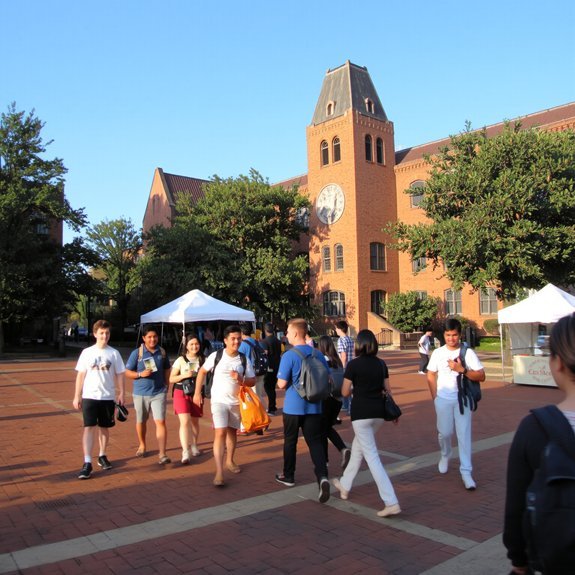
    You’re new, wide-eyed, and a little lost — perfect. Walk campus with your phone out, ears open; you’ll smell BBQ, hear drums, and see flyers stuck like confetti. Go to one big thing a week, talk to that student at the table, sign up for one group, and don’t fake excitement if you’re tired. I’ll show you which rituals actually matter, how to survive homecoming, and where to find your people — but first, tell me what scares you most.

    Key Takeaways

    • Identify signature traditions (homecoming, step shows, family weekend) early and prioritize ones that align with your interests and goals.
    • Use campus calendars, social media, and student org fairs to discover events and plan your semester schedule.
    • Limit major social commitments to one key event per week and block study and self-care time around them.
    • Join a few student organizations, attend meetings, and volunteer for small roles to build community without overcommitting.
    • Celebrate small wins, set boundaries, and seek mentors or peers for support when managing FOMO and stress.

    Why HBCU Events Matter and What to Expect

    community celebration connection tradition

    Even though you’ll hear about campus events from day one, trust me—you won’t really get it until you step into one. You’ll feel the bass in your chest, see colors that don’t exist in textbooks, smell fried food and sweet funnel cake, and realize these gatherings are how people here talk, laugh, and belong. I’ll nudge you to listen first, then jump in—say hi, clap, learn a chant—because rituals are how community sticks. Expect family photos, impromptu dances, spirited debates, and elders handing down history between jokes. You won’t just attend, you’ll become part of a living story. Bring comfortable shoes, an open mind, and your phone for proof, you’ll need it.

    Finding and Prioritizing Must-Attend Events

    balancing events and academics

    You’ll want to scout out signature campus traditions first — think step shows that make your chest buzz and homecoming parades that smell like fried food and victory. I’ll help you balance those can’t-miss social moments with academic musts, so you’re not choosing between a study group and a song-filled midnight rally. Trust me, you can hit both, you just need a plan, a calendar, and a little brave FOMO.

    Campus Traditions to Know

    When I first set foot on campus, I trailed the smell of frying plantains and heard a distant drumline before I even found my dorm, and that’s the kind of full-body welcome these traditions give you. You’ll learn the homecoming chant by week two, because everyone teaches it to you, whether you want to be loud or not. Watch the parade, feel the brass, grab a friend and dance like you’ve got rhythm (you’ll fake it if you must). Join the step show circle, taste the soul food at the alumni cookout, and never skip the midnight candlelight for first-year blessings — it’s cheesy, and it hits. Traditions anchor you, they make campus feel like family, and you won’t regret saying yes.

    Academic and Social Balance

    If you want to survive freshman year without living on a diet of ramen and regret, you’ve got to learn to pick your battles — and your parties. You’ll scan the calendar like a detective, smell popcorn from a film night, hear bass from a yard party, and decide. Prioritize classes, then networking events, then the can’t-miss homecoming moments. Say yes to one big social night, no to back-to-back FOMO traps. Block study hours, RSVP early, and leave buffer time to nap, rant to a friend, or cram. I’ll admit, I flake sometimes — life happens — but keeping three non-negotiables each week saves grades and sanity. Balance isn’t perfect, it’s intentional, messy, and worth it.

    Balancing Academics, Social Life, and Campus Activities

    time management for balance

    You’ll need a simple time map, like a color-coded week on your phone, so classes, study blocks, and that Saturday cookout don’t crash into each other—trust me, your future self will thank you. I’ll show you how to rank campus commitments, say no without drama, and carve out real study stretches that still leave room for laughs and late-night campus walks. Start small, test one schedule, tweak it after a week, and watch everything fall into place—sometimes with coffee, sometimes with humble pie.

    Time Management Strategies

    Three things will trip you up your first semester: overbooked calendars, FOMO, and pretending you can pull an all-nighter like it’s 2010 — I learned that the hard way. You’ll want to do everything, but you also need sleep, study time, and a life that smells like real food, not ramen. I’ll give you tight, usable moves.

    • Block class and study hours, treat them like sacred appointments.
    • Say “yes” to one big event, “maybe” to another, and don’t feel guilty.
    • Use a weekly review Sunday night, glance, tweak, breathe.
    • Pack snacks and chargers, small comforts keep momentum.
    • Learn to nap strategically, power naps beat heroic exhaustion.

    You’ll be busy, but you’ll survive, and even enjoy it.

    Prioritizing Campus Commitments

    When I first walked onto campus, the list of things I “had to” do felt like a playlist on shuffle—loud, relentless, and somehow always the song you hate; so I learned to pick which tracks actually move me. You’ll do the same. Start by naming non-negotiables: class, sleep, a study block that actually happens. Then circle the fun stuff you can’t miss—homecoming tailgate, that poetry slam that smells like burnt coffee and soul. Say yes strategically, not emotionally. Try a two-week rule: commit to something, test the vibe, bail if it drains you. Carry a tiny notebook, jot what energized you, what zapped you. Tell friends your limits; they’ll respect them, or they’ll learn your snack-based bribe system. Balance isn’t perfect, it’s chosen.

    Making the Most of Student Organizations and Leadership Opportunities

    If you plunge into student org fairs like a kid at a candy table, you’ll quickly learn which booths sparkle and which just hand out stickers, and yes, I’ve face-planted into both. I’ll tell you how to act, who to talk to, and how to snag leadership without losing sleep. Follow this quick rhythm:

    • Drop by meetings twice, then decide; your gut will tell you more than glossy flyers.
    • Volunteer for a small task first, feel the vibe, see the people up close.
    • Ask seniors about time demands, they’ll give truth-tinted advice and maybe snacks.
    • Pitch a micro-event, lead one meeting, prove you can finish things.
    • Keep a simple planner, mark overlaps, protect study and social time.

    Jump in, feel awkward, laugh—then lead.

    You’ve planted your flag in clubs, grabbed snacks, and learned everyone’s meeting cadence, now let me pull you into the loud, glittered center of campus life: Greek parties, step shows, and homecoming chaos — I’m talking stomps that make your ribcage buzz, sequins that flash like tiny sunbursts, and a week where the whole school smells like barbecue and excitement. You’ll show up curious, a little nervous, and leave hooked. Watch boots hit the floor, count intricate hand-calls, clap when the beat drops. Learn the dress cues — formal, casual, theme — and bring comfy shoes. Cheer loudly, but respect rituals and boundaries. Ask questions, take photos, savor the food, and yes, practice your wave. You’ll belong faster than you expect.

    Building Community: Networking, Mentorship, and Peer Support

    Plenty of folks tell you college is about classes, but I’ll tell you straight: it’s the people who make the place hum. You’ll learn names in the quad, hear advice over coffee, and snag a mentor’s wisdom between classes. I show up, you show up, we build that web.

    • Go to mixers, bump elbows, trade stories, collect contacts like trading cards.
    • Seek faculty who actually listen, ask for ten minutes, watch doors open.
    • Join a student org, sweat at rehearsals, laugh in late-night meetings.
    • Find peers who push you, and be the one who pushes back with kindness.
    • Keep notes, follow up, send memes — relationships grow with small, real gestures.

    You’ll leave with community, not just memories.

    Self-Care, Safety, and Setting Boundaries While Showing Up

    I love watching a room light up when people click, and I also know that showing up a lot can wear you thin—so I learned to guard my energy like it’s a limited-edition hoodie. You’ll want to go everywhere, meet everyone, and collect free snacks like trophies, but your body texts you for rest. Pack water, snacks, and a phone charger, say “I’m out” when you mean it, and carve one quiet hour between events to breathe and listen to a playlist. Trust your gut about spaces and people, walk with friends at night, and tell someone if a vibe turns sour. Practice a polite “no thanks,” rehearse an exit line, and celebrate tiny wins. You matter more than FOMO.

    Conclusion

    You’ll be fine — more than 70% of first-year students who hit even one campus event swear it helped them find friends, so picture a crowded quad, laughter like percussion, colors everywhere, and you right in the middle, curious. I’ll say this: pick one big thing a week, show up early, breathe the sweet concession-stand air, say hi to three people, and leave when you need to. You’ll build home, one hello at a time.