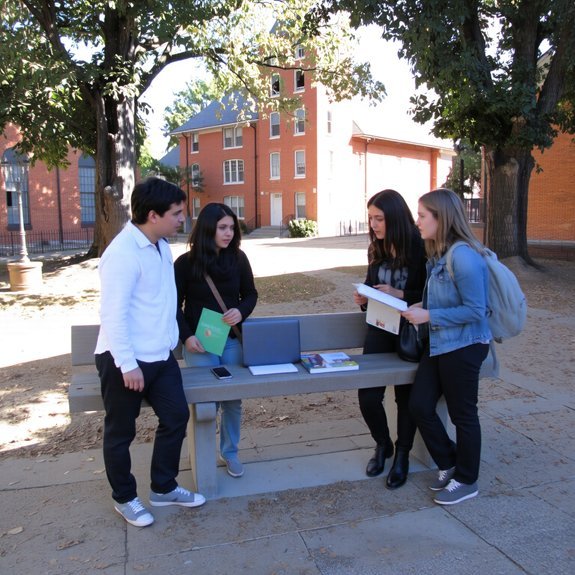
Tag: HBCU experience

  • How to Decide Between Grad School and Working After an HBCU

    How to Decide Between Grad School and Working After an HBCU

    You’re standing on the quad, tassel warm in your hand, trying to choose between a paycheck now or textbooks later — and you’re not wrong to feel both proud and panicked. I’ll walk you through practical moves: map your career’s must-haves, crunch the money math, tap mentors who look like you, and test-drive jobs before signing up for debt, but first, let’s nail what “success” actually smells like for you…

    Key Takeaways

    • Define specific career goals and confirm whether a graduate degree is required or optional for those roles.
    • Compare total costs, potential salary increase, and opportunity cost of delaying full-time work.
    • Talk with HBCU alumni, faculty, and industry mentors to learn real-world career and program outcomes.
    • Assess readiness by evaluating skills, research interest, financial stability, and emotional motivation for grad school.
    • Create a decision timeline with milestones (applications, interviews, job offers) and metrics to reassess choices.

    Assessing Your Career Goals and Industry Expectations

    assess career goals strategically

    If you want a career that pays for your coffee habit and your grandma’s phone plan, start by naming what you actually want to do—right now, not the vague “help people” answer you tell at family reunions. I want you to picture a day, smell the office pizza, feel the lab’s cool table, hear the client’s relief. Write that down. Then map industries: which roles list grad degrees, which hire straight from undergrad. Talk to alumni, slide into a professor’s DM, shadow someone for a morning. Note required skills, daily tasks, and the boss vibe. If the job needs specialized credentials, admit it. If experience matters more, plan internships. You’ll end up with a clear route, not the usual wishy-washy career horoscope.

    Financial Considerations: Loans, Earnings, and Opportunity Cost

    debt tuition earnings opportunity

    Because money shows up whether you like it or not, let’s talk about the part nobody at graduation parties wants to name: dollars, debt, and the time you could’ve been earning. I’ll be blunt: grad school costs, loans follow you, and that paycheck you skip matters. Listen, picture bank statements, coffee stains, late-night spreadsheet edits. Ask yourself fast, which bite hurts more?

    Money shows up whether you like it or not—tuition, loans, lost pay: which bite will hurt you most?

    1. Tuition vs. salary: calculate net gain, include fees, and imagine rent paid with grad stipends—sometimes it’s crumbs.
    2. Loan load: federal, private—read the fine print, taste the interest, and don’t pretend deferred means gone.
    3. Opportunity cost: two years of work now, promotions later, or a degree that opens doors to higher pay?

    I keep it practical, you do the math, we both sleep better.

    Mentorship, Representation, and Community Impact
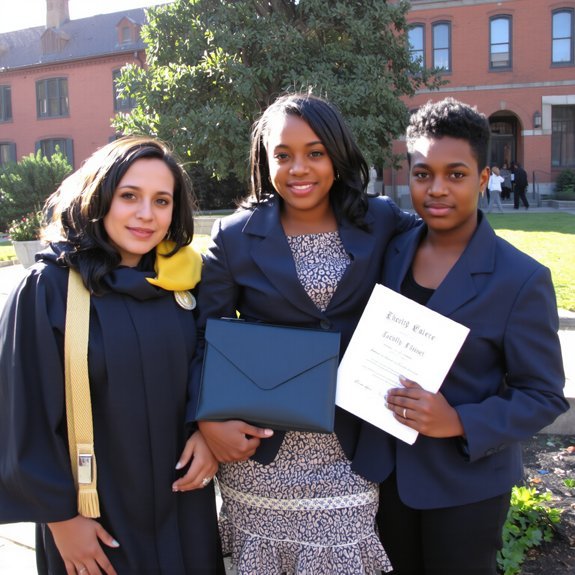
    mentorship shapes community futures

    When you walk back into your neighborhood after that hooded-cap graduation photo, you’ll notice the looks — proud, curious, expectant — and you’ll feel the weight of them like a warm, heavy coat. You carry stories now, and people want to see the map. Mentors matter; they point out the bridges you can’t yet see, pull you into rooms, and tell you where the potholes are, truthfully, not sugar-coated. Representation comforts and fuels you — seeing someone who looks like you calms a million “can I?” doubts. Your choices ripple: taking a job or hitting grad school changes who you mentor and how you give back. Don’t underestimate small moves — showing up, answering texts, hosting a student — they reshape futures.

    Timing, Readiness, and Alternative Pathways

    While you’re still tasting graduation cake and the dust hasn’t settled on your cap, I want you to slow down and listen to your gut — not the loud voice that screams “do something now,” but the quieter one that keeps asking, “what will feel right in five years?” I’ve seen folks sprint into jobs for the paycheque, and others climb straight into grad school because it sounded impressive at family gatherings; both choices made sense for them, but neither was automatic truth for everyone. Trust your pace. Notice what you love doing in daylight, what drains you at midnight. Consider these options:

    Slow down, listen to the quiet gut voice, and choose what will feel right in five years.

    1. Get a job, build skills, and test industry fit.
    2. Take a gap year, freelance, or apprentice.
    3. Apply part-time to grad programs while working.

    Making a Decision Plan and Setting Milestones

    If you want a plan that actually helps instead of stressing you out, start by treating this decision like a small science project—hypothesis, test, and tweak—only with fewer lab coats and more coffee stains; I’m talking clear checkpoints you can smell, see, and check off, not vague intentions you forget between Instagram scrolls and family Zooms. I tell you to list outcomes: grad school in two years, job now, or a gap for internships. Then set milestones: research programs by month one, request recommendations month two, apply by month four, or land interviews by month three. I want tangible signals—acceptance letters, job offers, savings targets. Celebrate small wins, pivot when data says so, and keep a running pros-and-cons notebook, preferably with coffee rings.

    Conclusion

    You’re standing at a fork—cap and gown in one hand, a laptop and badge in the other—sun warming your face, coffee cooling. I’ve been there; I shrug, I laugh, I map it out. Pick the route that feeds your goals, wallet, and heart, then test it with a mentor’s nudge and a six-month checkpoint. Change is okay. You’ll learn either way, make impact, and sleep better knowing you chose with purpose.
  • How to Navigate Being a Non-Black Student at an HBCU

    How to Navigate Being a Non-Black Student at an HBCU

    You step onto campus and the air smells like fried chicken, old books, and marching-band brass—bracing, alive, a little bit sacred; you inhale, try not to look like you just wandered into someone else’s family reunion. I’ll tell you how to move here without tripping over tradition: listen more than you talk, show up with humility, join in when invited, and apologize fast when you mess up—because trust gets built in small, steady acts, not grand gestures, and that’s where the work really begins.

    Key Takeaways

    • Enter with humility: listen first, observe traditions, and prioritize learning about the campus’s history and community.
    • Center others’ experiences by asking short, respectful questions and avoiding performative curiosity.
    • Build relationships through consistent presence: learn names, attend events, and mirror cultural rhythms.
    • Respect boundaries: seek permission before discussions, correct privately, and accept feedback gratefully.
    • Continue allyship beyond campus with mentorship, advocacy, and sustained support rather than one-time gestures.

    Understanding HBCU History and Mission

    experiencing hbcu living history

    If you’re stepping onto an HBCU campus for the first time, don’t expect a museum tour—expect a living story. You’ll hear rhythms in footsteps, smell gumbo at noon, see banners that whisper lessons. Walk with eyes open, don’t gawp. Learn who founded the school, why it mattered then, and how that mission still shapes classes, protests, and homecoming heat. Ask about alumni who fought for rights, the professors who teach from experience, the traditions that stitch community tight. Take notes, but don’t turn history into a quiz, you’ll look clueless and rude. Listen when elders speak, laugh at your mistakes, and let the campus correct you gently. You’ll leave with context, not just campus selfies.

    Entering With Humility and a Learning Mindset

    listen learn observe respect

    You’re walking into spaces that hold generations of stories, so shut up and listen first — really listen to voices, pauses, the way someone shifts in a chair when a memory hits. Let others’ lived experiences lead the conversation, ask honest questions, and take notes with your eyes and ears before you try to add your two cents. I’ll cheer you on from the sidelines, but don’t expect applause if you talk over the main act.

    Center Others’ Lived Experiences

    Start with one simple rule: show up smaller than your ego and louder with your ears. You’ll notice smells of coffee and old books, hear laughter that’s been here longer than you, and you owe those rhythms your attention. Center others’ lived experiences by making space—physically, verbally, emotionally—so stories aren’t interrupted by your need to relate. Ask specific questions, pause, then shut up. Repeat names correctly, learn histories, and credit origins when you reference them. If someone corrects you, thank them; don’t deflect. Share resources, not spotlight. Offer labor—volunteer, tutor, show up for events—without expecting applause. You’ll look less like a visitor and more like someone trying, imperfectly but earnestly, to belong respectfully.

    Listen Before Speaking

    When I walk into a crowded student lounge, I press my hands into my pockets and do the thing I’m tempted to skip: I listen. You should too. Let the room set the tone, smell the coffee, hear the laughter, notice who’s steering the convo. Don’t jump in to “add perspective,” unless someone asks. Nod, take notes in your head, ask one clear question later. You’ll sound curious, not performative. If someone corrects you, don’t defend—thank them, absorb it, ask for an example. That humility opens doors faster than clever lines. Practice quieter patience; your voice will matter more when it’s earned. And yes, you’ll mess up, you’ll laugh it off, you’ll learn—repeat.

    Building Genuine Relationships on Campus

    observe listen engage learn

    You’re going to earn trust by watching how people move, listen to what they celebrate, and mirror those rhythms with respect — don’t fake it, just notice. I’ll admit I stumbled into a step team clap and sounded like a broken drum, but I listened, asked a question, and joined the laugh; that’s how you learn the cues. Show up for traditions, keep your ears open before you talk, and let curiosity guide you more than assumptions.

    Respect Cultural Norms

    One rule I learned fast: don’t offer a forced high-five in a chapel line and expect to get away with it. You’re at a place with rhythms, jokes, songs, and a wardrobe of meaning. Watch how folks enter rooms, who gets hugged, when feet tap to an old hymn. Match the tempo, not the volume. Ask before you touch, mirror dress-code cues, and let humor be your bridge, not your battering ram. If someone corrects you, stay small, say thanks, and do better—no theatrical apologies. Learn names, nicknames, signature phrases; they’re keys. Taste the food, sit in on events, clap on beat. Respect isn’t performance. It’s paying attention and adjusting, quietly, like tuning an instrument.

    Listen Before Speaking

    Even if you’re buzzing to share your hot take, shut up first and listen — I mean really listen: lean in, unclench your jaw, let the room finish its sentence before you jump in. You’ll catch tone, rhythm, the small laughs, the pauses that mean more than words. Sit with discomfort, don’t paper over it with a joke. Ask quiet questions, mirror body language, nod like you mean it. Say, “Help me understand,” instead of lecturing. I mess up, I fumble, I apologize—do that quickly and sincerely. Keep your phone away, smell the coffee, notice the posters on the wall, the way voices warm up when someone tells a memory. That’s how you build trust, slowly, honestly, without trying to be the headline.

    Participate in Traditions

    If you want people to see you as more than a guest, show up—literally and with your whole self. You’ll go to step shows, tailgates, convocations; you’ll feel the bass in your chest, taste spicy barbecue on your lips, and notice looks that size you up. Don’t be a ghost. Ask where to stand, clap the rhythm, learn the calls. You’ll fumble lines, I promise, and laugh it off.

    1. Arrive early, grab a front-row spot, watch faces, copy gestures, nod when everyone nods.
    2. Wear school colors, but don’t costume-ify heritage.
    3. Offer help—carry chairs, hand out water, sweep confetti.
    4. Ask after, thank organizers, and mean it, repeat honestly.

    Participating Respectfully in Cultural Events and Traditions

    When you step onto a quad humming with drumbeats and laughter, don’t act like you wandered into a movie set; take a breath, smile, and let your eyes actually see people, not props. I’ll tell you straight: stand back for a beat, let the rhythm land, then join if invited. Watch how folks move, copy energy, not gestures. If someone hands you a program or a seat, accept with gratitude, not a selfie-first attitude. Clap on time, cheer when others do, and don’t try to outshine a tradition you barely know. If you mess up, laugh at yourself, apologize quietly, and learn. Remember, participation is respect, not consumption — you’re a guest, not a highlight reel.

    Listening, Asking Questions, and Avoiding Performative Curiosity

    Because you’re curious, don’t let your curiosity behave like a movie camera—quiet, observe, and tune in first. You’ll hear rhythms, see gestures, notice inside jokes; breathe those in before you blurt questions. Ask with humility, not headlines. Lead with, “Can you help me understand?” instead of, “Why do you…?” Watch tone, body language, and timing; silence can teach.

    1. Pause and notice: listen to volume, pauses, laughter, feet shifting.
    2. Ask specific, short questions: focus, don’t audition for a podcast.
    3. Credit lived experience: say “I’m learning” not “I know.”
    4. Offer space: follow cues, step back when conversation is clearly not for you.

    I’m human, I fumble, and that’s fine—learn, laugh, repeat.

    Addressing and Responding to Microaggressions

    Someone’s going to say something clumsy, and you’ll feel it like a skived stitch—tight, obvious, a little itchy in the room. You can breathe, steady your voice, and name it plain: “That comment landed weird.” Say it once, calm, not policing. Watch reactions—some will squirm, some will learn. If it’s minor, a short joke plus correction saves face and teaches: “Nope, that’s a stereotype, try again.” If it’s harmful, set a boundary, walk away, or tell a trusted person—don’t play fixer for every moment. Take notes, log incidents, notice patterns. Afterwards, decompress with friends who get it, journal a sentence, then decide if you’ll address again. You’re human, imperfect, but accountable.

    Advocating for Yourself While Respecting Community Boundaries

    You called out that awkward remark, let the room breathe, maybe scribbled the moment in your phone — good. You’ve got a pulse on the room, but you also know boundaries hum like a bassline. Speak up, yes, but pause, listen; smell the coffee, hear the exhale. Ask, “Is this my lane?” then state your need: clear, calm, short. If someone holds space for you, thank them. If they shut you down, pivot to safety. You’ll stumble, apologize, learn. Keep receipts — notes, timestamps, texts — they’re your map.

    1. Name the behavior, not the person.
    2. Ask permission before educational detours.
    3. Choose private over public corrections.
    4. Use allies when the room feels heavy.

    Becoming a Sustained Ally Beyond Graduation

    When I left campus, I thought allyship could live in a graduation cap and a few well-meaning posts — cute, but wrong. You’ll learn quickly it’s not a souvenir, it’s a practice. Keep reading emails from campus groups, show up to alumni events, and actually listen when Black friends say “this helps.” Call out jokes at family dinners, awkwardly, then laugh and correct yourself — everyone remembers that. Donate, not as proof, but as habit: small monthly gifts beat a single flashy check. Mentor students, offer résumé help, but don’t take their labor as gratitude. Vote informed, push for policy change where you live, and stay curious. It’s lifelong work, messy, rewarding, and utterly worth it.

    Conclusion

    I’ll be blunt: treat the campus like a garden you’re invited into, not a stage you own. Listen more than you speak, ask with curiosity not cameras, join traditions with respect, and show up when it matters—volunteer, sit in on panels, clap loud. Expect missteps, apologize fast, learn faster. Make friendships first, advocacy second, legacy last. If you tend the garden with humility, it’ll surprise you with blooms you never imagined.

  • How to Make the Most of Your HBCU Experience

    How to Make the Most of Your HBCU Experience

    Most students don’t know that homecoming cookouts and midnight study sessions are where lifelong mentors actually show up, so you should treat every tailgate and office-hour visit like a mini-audition for your future. You’ll learn names faster than you think, smell grill smoke and printer toner in the same breath, and collect favors like rare stamps — but stick around, because the real payoff comes when you mix class hustle with campus rituals and the right person offers you an internship.

    Key Takeaways

    • Immerse yourself in campus traditions, events, and social gatherings to build community and create lasting memories.
    • Build strong relationships with professors and mentors through office hours, thoughtful questions, and follow-up communication.
    • Join student organizations, volunteer, and consider Greek life to expand your network and sense of belonging.
    • Use campus resources like tutoring, counseling, and academic advising to support academic and personal growth.
    • Pursue internships and network with alumni, faculty, and employers to gain experience and career opportunities.

    Embrace Campus Culture and Traditions

    campus culture and traditions

    When you step onto HBCU grounds, breathe it in — that mix of fried food, marching band drumbeats, and campus gossip that sticks to your clothes like summer. You’ll learn the chants, wave at the same folks every Friday, and duck into tailgate lines that smell like victory and lighter fluid. Join a step team or choir, even if you’re awkward; participation beats perfection. Sit on the quad, trade stories, sample every campus cookout until your jeans protest. Watch the homecoming parade, clap when the drumline drops a beat, cheer like you mean it. You’ll collect rituals, nicknames, secret shortcuts, and a playlist that’ll comfort you later. Embrace it, laugh at yourself, and let these traditions claim you.

    Build Strong Relationships With Professors and Mentors

    build genuine mentor relationships

    Think of professors and mentors as secret VIPs on campus — they’ve got keys to opportunity, advice that actually lands, and snacks at office hours if you’re lucky. I tell you, walk into their office like you belong, shake a hand, make eye contact, and mention something specific from their class — it signals you’re paying attention. Ask crisp questions, bring a draft, and listen; note-taking still wins. Invite them for coffee, or email with a clear subject line, don’t send a novel. Say thanks, follow up on leads, and report progress; people remember follow-through. Use mentorship for feedback, internships, recommendation letters, and tough career truth bombs. Keep it genuine, stay curious, be reliable, and watch your network actually work.

    Get Involved in Student Organizations and Greek Life

    join clubs and organizations

    You should wander the student fair with a coffee in hand, eyeballing clubs that match your vibe and taking flyers like they’re tiny promises. Try a meeting or two, chat up a member, and if Greek life intrigues you, sit in on a chapter event to feel the energy — think music, handshakes, and snacks. I’ll bet one new group will stick, give you friends who text back, and make campus feel like yours.

    Join Campus Organizations

    If you wander across a crowded quad and feel that electric buzz—music, flyers fluttering like confetti, students shouting about bake sales—you’ve just hit the jackpot for making campus feel like home, and I’m here to tell you to plunge in. You’ll try a club, taste its vibe, and either stay or bow out—no drama. I’ll nudge you toward curiosity, conversation, and commitment, in that order. Touch posters, ask one question, laugh at a terrible icebreaker.

    1. Visit three meetings in one week, feel the rhythm, pick the one that fits your schedule and soul.
    2. Volunteer at an event, meet leaders, claim a small responsibility—watch your confidence grow.
    3. Start something tiny if nothing fits; leadership loves initiative.

    Explore Greek Life

    Ever wandered past a row of bold letters and felt that little tingle—like a party you weren’t supposed to miss? You should peek in. Greek life at an HBCU buzzes with rituals, laughter, late-night study sessions, and handshakes that feel secret and strangely affirming. I’ll tell you straight: it’s networking wrapped in tradition, community dressed as celebration. Go to rush, listen more than you talk, taste the food at mixers, feel the chant in your chest. You’ll meet mentors who’ll check your grades, friends who drag you to service projects, a sister or brother who texts at 2 a.m. Don’t join just for fame, join for people who hold you accountable, who push you, who make campus feel like home.

    Use Campus Resources for Academic and Personal Support

    When I first set foot on campus, I didn’t know the tutoring center smelled like lemon cleanser and victory—now I do, and it’s my favorite hideout. You’ll duck in between classes, snag a desk by the window, and watch sunlight make the math book look heroic. Use the counseling center when nights get loud in your head, join study groups that actually finish chapters, and grab meal-plan coffee with professors who’ll give straight answers.

    1. Tutoring: ask for examples, bring snacks, don’t fake understanding.
    2. Counseling: book early, try a walk-and-talk, be honest — therapists aren’t mind readers.
    3. Academic advising: map courses, pick backups, remind them you have a life.

    Own these resources, they’ve got your back.

    Gain Professional Experience Through Internships and Networking

    You’ll want to hunt down internships that actually match your major and curiosity, those hands-on gigs where you’ll get coffee runs and real responsibilities, so your résumé doesn’t read like a mystery novel. I’ll tell you straight: talk to professors, career services, alumni, and that classmate who always posts industry events—shake hands, send messages, show up, and bring a notebook. Then mix those contacts with solid work experience, and suddenly your future employer feels less like a stranger and more like someone you’ve impressed over time.

    Find Relevant Internships

    If you want that first real-world win on your resume, don’t wait for perfect timing or permission—go find an internship that makes you excited to get up in the morning. I’ll tell you how I sniffed out gigs that fit me, felt like fits, and taught me stuff I still brag about. You’ll scroll, call, and show up—coffee in hand, voice steady. Be bold, try small companies, and don’t be afraid to ask for real tasks.

    1. Target roles: list skills you want, search HBCU career boards, filter for hands-on work that makes your eyes light up.
    2. Tailor materials: tweak one resume line per job, write a quick, human cover note.
    3. Apply fast: set a weekly quota, follow up politely, repeat.

    Build Professional Networks

    Networking is the quiet currency of careers, and I promise it’s not as gross as it sounds—think more like swapping playlists with people who can actually get you into the studio. You’ll stroll into career fairs, badge clipped, palm a little sweaty, and I’ll nudely remind you to breathe, smile, ask one smart question. Say, “What surprised you about this field?” Hand over a crisp résumé, but follow up with a LinkedIn note that’s short, human, oddly specific. Join campus clubs, attend alumni panels, grab coffee with someone whose job titles make your phone autocorrect to “goals.” Offer help before you ask for favors. Keep a spreadsheet, review contacts weekly, and send thank-you messages that mention a detail—shows you listened. Networking’s an active habit, not a checkbox.

    Balance Social Life, Wellness, and Academic Success

    When I first got to campus, my schedule looked like a game of Tetris, except the pieces were parties, study groups, and yoga classes, and I was terrible at the controls; I learned fast that balance isn’t some noble ideal, it’s a daily skill you practice, fumble, and occasionally master. You’ll pick priorities, say no without guilt, and actually sleep sometimes. You’ll smell coffee at midnight, feel yoga mat grit on your palms, and hear friends laughing down the hall. Try these tiny moves, they work.

    1. Block calendar time for class, naps, and fun—protect it like your playlist.
    2. Swap a party for a walk, call a friend, or do ten deep breaths.
    3. Use office hours, not just textbooks; professors are actual people.

    Conclusion

    You’ve got this — grab games, grub, and great mentors, don’t ghost office hours, and join clubs that spark you. I’ll say it straight: show up, speak up, sweat a little, savor late-night cookout smells, and shake hands at career fairs. Balance beats burnout, so nap when you need to, ask for help, and hustle for internships. Small steps, bold moves, steady smiles — that’s how you make your HBCU home.

  • Pros and Cons of Attending an HBCU

    Pros and Cons of Attending an HBCU

    You’ll walk onto an HBCU quad and feel the history under your shoes, the brass band in your bones, and someone calling your name like it matters — and I’ll tell you straight, that feeling’s priceless, but it’s not everything. You’ll get tight mentorship, fierce community, and culture that teaches you how to stand tall, yet you might trade some program variety or glossy labs for that soul. Keep going — there’s more to weigh.

    Key Takeaways

    • Strong cultural community and mentorship foster belonging, leadership, and lifelong alumni networks that support personal and career growth.
    • Smaller classes and engaged faculty provide personalized attention, quicker feedback, and hands-on learning opportunities.
    • Limited program variety and specialized resources can constrain research, niche majors, and advanced technical training.
    • Campus traditions and culturally competent support services enhance mental health, identity development, and shared historical awareness.
    • Financial considerations — lower costs at some schools but potential funding limitations — require careful planning to avoid excessive debt.

    Historical and Cultural Significance of HBCUs

    legacy of resilience and pride

    When you walk onto an HBCU campus, you don’t just feel the grass under your shoes—you feel generations leaning in, like someone’s telling you a secret that starts with old textbooks and ends with a homecoming parade that smells like barbecue and pride; I’ve stood under those oaks, listened to brass bands blast, and felt goosebumps when alumni told stories about marching through segregation and still getting their diplomas. You’ll notice murals, plaques, and statues, each one a bookmark in a stubborn, brilliant story. You’ll touch worn steps where scholars once debated, hear choir echoes in a chapel, and taste history in a cafeteria recipe. It’s living memory, it’s activism turned campus routine, and it’ll nudge you to ask better questions, fast.

    Sense of Community and Belonging

    community connection growth belonging

    That history doesn’t just hang on the walls—it pulls you into a room full of people who already know your name. You walk in, smell coffee and perfume, hear laughter, and someone slaps your back like you’ve been gone for years. I tell you, it’s weirdly comforting. You get greeted at campus events, advisors call you by your nickname, classmates form study groups that feel like family dinners. You’ll join clubs where older students mentor you without the awkwardness, and you’ll find late-night conversations that teach more than a lecture ever will. It’s not all perfect, you’ll clash sometimes, but those moments build trust. In short, you belong fast, loudly, and honestly—no pretense, just people.

    Academic Programs and Faculty Mentorship

    personalized mentorship and support

    You’ll notice class sizes are smaller, so you’ll hear your own voice more and no one gets lost in a sea of heads. I’ll tell you, professors here lean in — they’ll pull you aside after class, scribble advice on a napkin, and actually remember your name. That close mentorship shapes projects, opens doors, and makes tough courses feel do-able, not just survivable.

    Smaller Class Sizes

    A few classes, a handful of students, and a professor who actually knows your name — that’s the magic trick at many HBCUs, and I’m not exaggerating. You walk into a room, feel the hum of real conversation, and you can’t hide in the back row. You get called on, you answer, you learn faster.

    • You get quick feedback, so your mistakes don’t become habits.
    • Discussions feel like debates at a dinner table, real voices, real heat.
    • Labs and projects put tools in your hands, you touch, fiddle, and remember.
    • Office hours are used, not ignored, because you actually want to go.

    I poke fun at myself for loving small classes, but honestly, they make you sharper, braver, and seen.

    Dedicated Faculty Mentorship

    When professors actually remember your birthday and your weird idea for a senior project, you stop thinking of mentorship as a checkbox and start calling it a lifeline. I’ve seen advisors pull late-night feedback, hand you a coffee-stained draft, and say, “Try this,” like they invented hope. You get office-door invites, lab keys, and blunt career truths nobody else will deliver. They push your draft, call your parents when you ghost, and celebrate the small wins with too-big smiles. Sometimes they scold you, sometimes they belly-laugh at your panicked theories, always they show up. That steady presence shapes internships, letters, and confidence, it rewires how you aim. At an HBCU, mentorship isn’t abstract, it’s tactile, loud, and real.

    Networking, Alumni Relations, and Career Outcomes

    Because roots matter more than résumés sometimes, I’ll start with the part that turns classes into careers: the people you meet at an HBCU. You’ll bump into professors who actually remember your name, alumni who text back, and peers who become coworkers. I’ll tell you bluntly, networking here feels like family dinner—no stiff suits, just real connections.

    • You’ll get mentorship that leads to internships, hands-on, coffee-shop chats, and referral emails.
    • Alumni networks open doors, with grads dropping your name in boardrooms and studios.
    • Career fairs feel personal; recruiters ask about your projects, not just GPA.
    • Lifelong contacts become collaborators, sounding boards, and the occasional job-saver.

    Trust me, those handshakes matter. They move you faster than any generic career site.

    Campus Resources, Student Support, and Mental Health Services

    Campus resources aren’t just buildings with brochures; they’re people, places, and late-night lifelines that’ll save you more than once. You’ll find tutoring rooms that smell like instant coffee and determination, counselors who actually know your name, and student centers where conversations turn into plans. I’ll tell you straight: support here is personal. Drop into wellness workshops, sit on a comfy couch, and breathe through guided sessions. Peer mentors text you at 2 a.m., professors stay after class, and chaplains offer quiet corners. Mental health services can feel scarce anywhere, but many HBCUs prioritize culturally competent care, group therapy with folks who get you, and crisis help that acts fast. You’ll leave knowing who to call, where to go, and that you’re not alone.

    Financial Considerations and Affordability

    You’re asking, what’s this really going to cost you—tuition, fees, the little surprises that show up like uninvited guests? I’ll walk you through aid options, scholarships, and grants, and we’ll eyeball how loans might follow you after graduation; spoiler, nobody likes debt collectors. So lean in, grab a coffee, and let’s sort out what’s affordable now versus what’ll haunt your budget later.

    Tuition and Fees

    When money talks, listen—because tuition and fees are the loudest voice in any college conversation, and I’m not whispering sweet nothings here. You’ll weigh sticker prices, mandatory fees, and the surprising extras that sneak into your budget like socks in a dryer.

    • Campus-specific fees can add up fast, so check the itemized bill before you sigh.
    • In-state versus out-of-state rates hit differently, and you’ll feel that pinch if you cross borders.
    • Program fees for labs, instruments, or studios are real, they smell faintly of solder and paint.
    • Room and board choices change the vibe—dorms buzz, apartments hum, both cost money.

    I’m blunt: compare totals, visit billing offices, and keep your wallet on a short leash.

    Financial Aid Options

    If money makes the rules, then financial aid hands you the cheat codes—so let’s crack them open together, no shame, just strategy. You’ll file the FAFSA, sign, breathe, then repeat—it’s paperwork, but it opens grants, loans, and work-study. HBCUs often bundle institutional scholarships, need-based grants, and cultural awards—think campus pride meets cash. Ask the aid office for packaged offers, bring your questions, keep receipts, take notes. Consider merit scholarships, departmental awards, and external foundations that favor HBCU students. Work-study gets you steady hours and resume wins, not just pennies. I’ll nag you to appeal for more if offers sting; sometimes a polite email flips decisions. Know deadlines, hunt every dollar, and keep one eye on affordability.

    Long-term Debt Impact

    Because money follows you long after graduation, think of student debt like that roommate who won’t move out—annoying, persistent, and occasionally loud at 2 a.m. You’ll feel it when you pass a downtown coffee shop, when a rent notice lands, when a recruiter calls. I say plan, negotiate, and refuse to be surprised.

    • Calculate realistic monthly payments, picture the budget, smell the instant coffee you’ll brew at 6 a.m.
    • Hunt scholarships and work-study, ask tough questions, play nice with financial aid officers.
    • Consider income-driven plans, public service forgiveness, and potential tax impacts on your future peace.
    • Weigh school prestige against sticker price, don’t romanticize debt, admit you want options later.

    You’ll thank yourself for being practical, sooner than you think.

    Limitations in Program Variety and Research Opportunities

    While I love the vibe and the close-knit energy of many HBCUs, you’ll notice pretty quickly that their program menus can feel a bit small, like a cozy café that excels at espresso but doesn’t serve sushi; you get great core majors, hands-on classes, and passionate professors, but some niche or cutting‑edge fields just aren’t on the shelf. I’ll tell you straight: if you crave specialized tech tracks, exotic language labs, or big‑budget research, you might hit a wall. You’ll roam tidy hallways, peeking into chemistry labs with mismatched beakers, and wish for fancier gear. Faculty hustle, they publish, they mentor, but grant dollars and program breadth can lag. So plan extra, network hard, and be ready to bring your own ambitions.

    Conclusion

    You’ll weigh community, mentorship, costs, and program choices, and trust me, that’s okay — you’re allowed to be picky. I once met Jasmine, who found fierce mentorship at an HBCU, landed an internship, smelled cafeteria mac and cheese success, and still switched grad programs for a niche lab she loved. You’ll get belonging or specialized fit, rarely both; pick which matters most, then own it, hustle, and make your college choice yours.