
You’re already in the room, so stop hovering by the snacks and start leading; I’ll show you how to turn messy meetings into tight plans, awkward intro speeches into confident mic moments, and late-night group texts into projects that actually finish. You’ll pick roles that fit your quirks, practice tough conversations until they don’t sting, pull in mentors who owe you favors, and build events that smell like success (and fried plantains). Stick around—there’s one move most people miss.
Key Takeaways
- Choose organizations aligned with your goals and take roles that stretch your skills instead of staying comfortable.
- Lead projects end-to-end to practice decision-making, delegation, and accountability under real deadlines.
- Rotate roles and responsibilities to build public speaking, conflict resolution, and project-management experience.
- Create mentorship circles and connect with alumni for feedback, networking, and career guidance.
- Plan community service initiatives to practice civic leadership, visibility, and measurable social impact.
Why HBCU Student Organizations Are Unique Leadership Labs
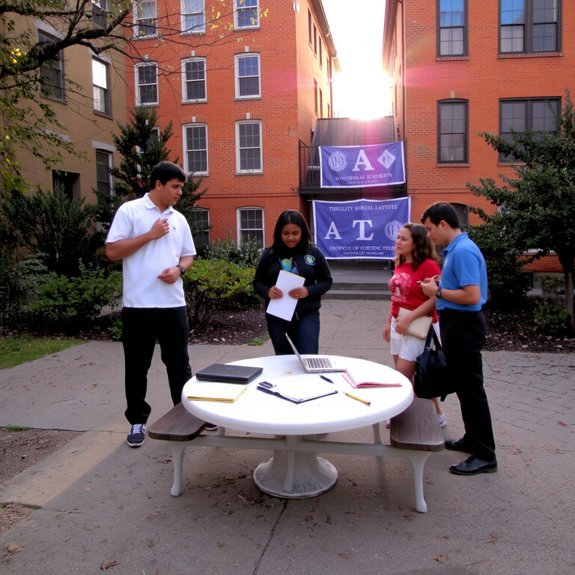
When you step into an HBCU student organization meeting, you don’t just sit down — you walk into a room humming with history, laughter, and the kind of high-energy debate that smells like coffee and ambition. You feel it on the walls, in the playlist, in the way leaders call on you by name. These groups are hands-on labs, where you’ll draft flyers at midnight, mediate real conflicts, and learn to lead with grace under ridiculous pressure. I’ll admit, you’ll mess up — spectacularly sometimes — and that’s the point. Folks will correct you, cheer for you, and expect growth. You’ll rehearse speeches in hallways, negotiate budgets over pizza, and leave smarter, bolder, a little more you.
Finding the Right Organization and Role for Your Goals

You want an organization that lines up with your goals, so picture the meetings, projects, and people you’ll actually enjoy working with. I’ll tell you straight: pick roles that push you—stretch your skills, make you sweat a little, and give you something to brag about at interviews. If a position feels comfy and forgettable, pass; chase the ones that spark nerves and pride.
Aligning With Personal Goals
Because your goals should steer your involvement, don’t pick a club like it’s a mystery grab bag—you’ll end up with glitter on your shirt and nothing that actually helps your resume. I tell you this because aligning your goals with a group saves time, energy, and dignity. Picture your future job, the skills it asks for, the people you want in your network. Smell the coffee at meeting night, note who talks strategy, who handles logistics. Ask specific questions: “How will this help me lead projects?” “Who mentors members?” Take notes, compare clubs on a simple checklist—skills, connections, time, vibe. Try a month, then reassess. If it’s not moving you forward, pivot. You’ll thank yourself later, seriously.
Choosing Roles That Challenge
If you want to grow, don’t settle for the comfy title that looks good on paper but feels like a desk job at a lemonade stand — aim for roles that make your hands dirty and your brain sprint. I tell you straight: pick positions where you’ll solve real problems, not just check boxes. Say yes to messy events, tight budgets, and awkward conversations — those are growth labs. Walk meetings, taste-test food setups, count chairs, wrestle schedules. Ask hard questions in interviews: “What’s the hardest moment I’ll face?” Watch reactions. Try a stretch role for a semester, if it tanks, you’ll learn fast, and if it sings, you’ll glow. Swap stories with seniors, take notes, and claim the next bold slot.
Building Core Skills: Communication, Strategy, and Teamwork
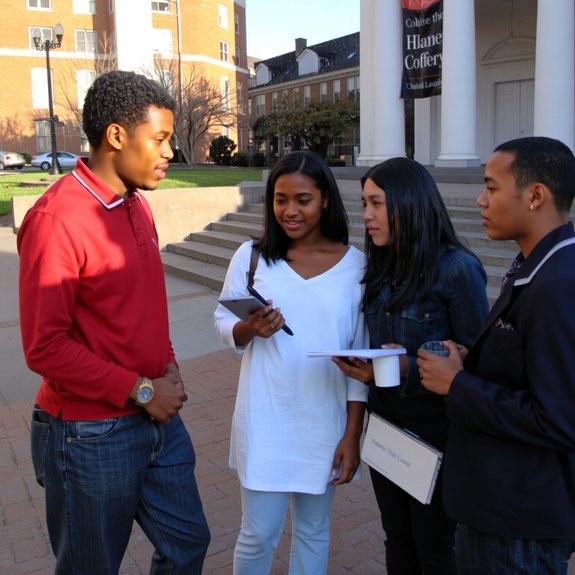
When I’m standing in a buzzing student center, pizza box in one hand and a clipboard in the other, I can feel the room teaching me something every time—how to talk so people listen, how to map a plan that actually happens, and how to turn a group of strangers into a team that moves. You learn fast, by doing, by tripping over deadlines, by laughing at your own bad announcements. Practice these basics.
- Speak clear, trim your message, watch faces, then tweak.
- Draft a simple plan, assign one task per person, set a real deadline.
- Run quick check-ins, celebrate tiny wins, fix what’s broken.
- Rotate roles, coach kindly, let others shine while you learn.
Leading Inclusive Events and Community Engagement
Even as the punch bowl bubbles and the DJ queues up the next track, you’ve got to be the person who notices who’s cheering and who’s standing alone by the drinks table — I’ve learned that the real work of leading is less about the flashy program and more about the small, deliberate moves that let everyone join in. You scan faces, offer a smile, pull someone into a conversation. You set music that nods to campus roots, light scent-free candles, add captions to slides, and place chairs in circles, not rows. You ask dietary needs, translate flyers, and let quiet people speak first. You’ll stumble, apologize, learn fast. It’s messy, joyful, and it builds trust — that’s your goal.
Mentorship, Networking, and Alumni Partnerships
You’ve probably heard the phrase “networking is key,” but I’ll say it bluntly: you need people who’ve been where you want to go. Picture a mentorship circle, chairs in a half-moon, coffee steam fogging your glasses as alumni and students trade war stories and resume fixes — you ask, they answer, sometimes they roast you gently, always they push. Then there’s the alumni network bridge, a quick email or LinkedIn ping that opens doors you didn’t know existed, and yes, I’ve sent the awkward first message so you don’t have to.
Mentorship Circles
Because leadership gets lonely fast, I built a Mentorship Circle that felt more like a backyard barbecue than a boardroom. You show up with questions, snacks, and a messy notebook, and we trade awkward stories, honest feedback, and action steps. I guide, you practice, we laugh when plans go sideways.
- Rotate hosts, bring a skill, present a tiny failure story
- Pair new leaders with peer mentors for two-week sprints
- Use role-play, real props, and blunt feedback in 15-minute rounds
- Close each session with one concrete promise and a check-in date
You’ll smell coffee, hear elbows on tables, feel the nudge to try again. It’s candid, warm, urgent — exactly what growth needs.
Alumni Network Bridges
When I first set up an alumni bridge, I wanted it to feel like sliding into an old friend’s kitchen — coffee stain on the table, a stack of résumés, and a hundred ways to help each other without sounding like a networking robot. You’ll invite grads for pizza nights, office-hour drop-ins, and mock interviews. You’ll pair enthusiastic sophomores with polished professionals, trade war stories, and swap contact info like secret recipes. You’ll host panels that smell of takeout and optimism, then follow up with handwritten thank-you notes — yes, actual pen strokes. You’ll learn to ask for favors without apologizing, to listen, and to pass introductions like a relay baton. It’s messy, human, useful, and it’ll make you a better connector, fast.
Managing Conflict, Setbacks, and Sustainable Growth
If conflicts flare up—over funding, event plans, or who gets the last slice of pizza—you’re going to notice, fast, who hides under a metaphorical table and who grabs a mop and starts cleaning up the mess. I’ll tell you straight: you learn by doing, by stepping into noise, by listening while the room smells like burnt coffee and ambition. Breathe, name the problem, and move people toward a fix, not a finger-pointing contest.
- Pause, let everyone speak, then paraphrase back.
- Offer small wins, restore trust with real actions.
- Keep records, track decisions, avoid déjà vu arguments.
- Scale slowly, budget for margin, prioritize people.
You’ll stumble, recover, and build something steady.
Translating Campus Leadership Into Career and Civic Impact
So you’ve spent semesters corralling meetings, convincing reluctant members to show up, and turning half-baked ideas into events that actually happened—good. Now take that noise and polish it into something employers and neighborhoods actually notice. You’ll tell crisp stories, name roles, list measurable wins—attendance numbers, budgets balanced, conflicts resolved—small trophies that mean real skill. Practice a two-minute pitch, rehearse with friends, and swap feedback like it’s free food. Volunteer on a local board, run a campus-to-city project, or mentor a freshman — tangible proof matters. Translate jargon into results: “led team of 12” becomes “cut planning time 30%.” You won’t brag awkwardly, you’ll show work. That’s how campus fame becomes career and civic muscle.
Conclusion
You’ve seen the lab, you’ve tried the experiments, now get your hands dirty — I’ll be right there cheering (and tripping over a mic cord). Pick groups that spark you, speak up, mess up, learn fast, and pull others forward. Host events that hum, mentor and be mentored, and treat setbacks like detours, not dead ends. Do this, and you’ll turn campus hustle into career muscle and a life that actually matters.