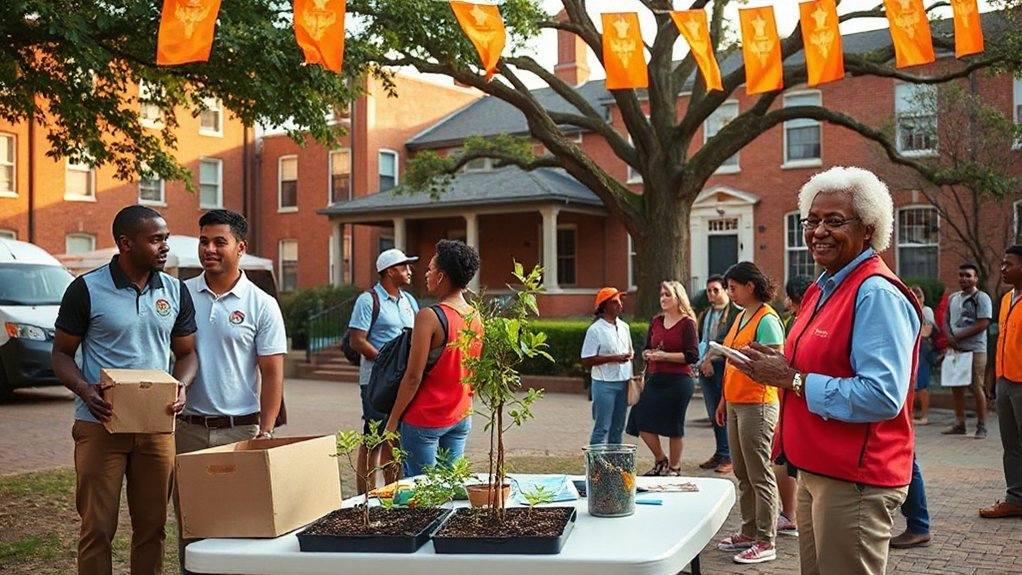
About 60% of HBCUs run student-led clinics, so you’ll see students treating real patients by week three, gloves on, nerves steady. I walk you through campus blood drives and pop-up legal aid tents, the smell of coffee and antiseptic, volunteers swapping jokes while suturing pride into community care. You’ll meet kids in STEM boot camps, alumni funding tiny businesses, and a relief van idling at dawn — and then I’ll show how it all ties together.
Key Takeaways
- HBCUs run student-led clinics and health outreach providing free medical services, education, and vaccinations to underserved communities.
- Law and community clinics offer pro bono legal aid, client representation, and rights education under faculty supervision.
- Tutoring, STEM camps, and teacher-pipeline programs deliver sustained K–12 academic support and college-readiness resources.
- Entrepreneurship centers and incubators provide mentorship, workshops, and funding guidance to local small businesses and startups.
- Cultural projects, voter drives, and disaster-response teams engage communities through preservation, civic education, and emergency support.
Student-Led Clinics and Health Outreach Programs
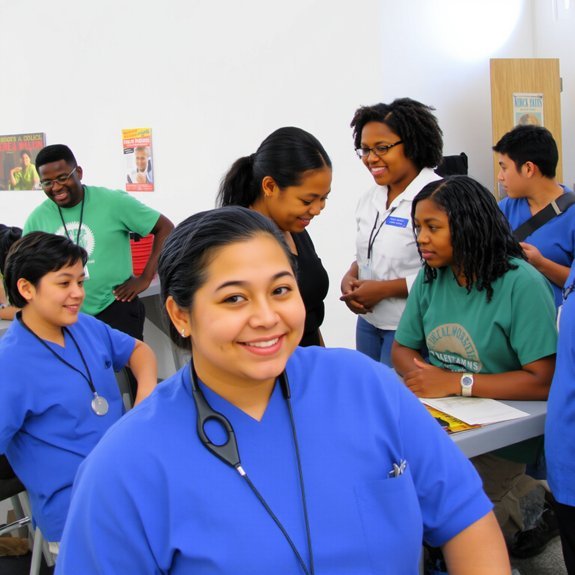
When I was first dragged into a student clinic at my HBCU—okay, I went willingly because free flu shots are persuasive—you feel it the moment you walk in: the hum of conversation, the clink of a stethoscope, the smell of antiseptic and hot coffee mingling like unlikely friends. You watch students triage patients, greet elders with practiced warmth, and jab fingers for blood sugar without drama. You’ll hand out pamphlets, translate medical jargon into plain English, and learn to steady shaking hands while offering a joke that lands more often than not. You see teamwork, late-night prepping, and real learning that matters. You leave tired, oddly proud, and convinced community care beats textbook theory every time.
Legal Aid and Community Law Clinics
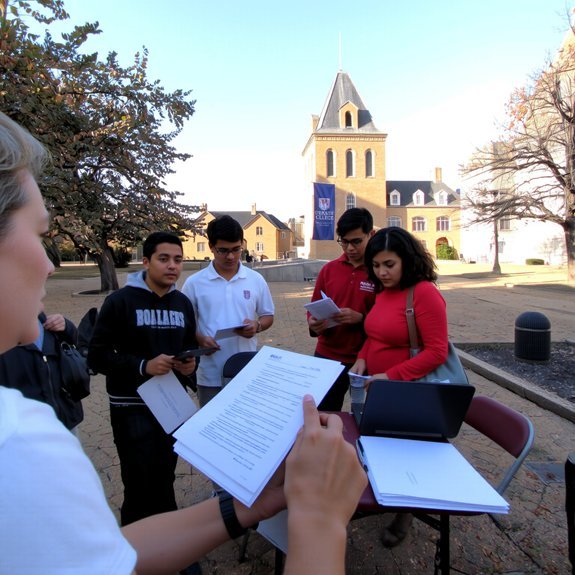
Three things will hit you as soon as you step into a community law clinic: the soft rustle of paper, the low murmur of earnest arguing, and the tang of coffee that somehow powers legal miracles. You watch students, guided by professors, flip files, take notes, and explain rights in plain words. You’ll hear quick, kind translations, see forms filled, signatures guided, phones dialed for pro bono partners. You get the sense they’re juggling hope and deadlines, learning law by doing it. I joke that I’d fail law school but love the hustle; you’ll admire how clinics turn classroom theory into real help—eviction defense, benefits claims, family matters—where community trust meets trained advocacy, and justice feels a bit more within reach.
K–12 Tutoring and STEM Pipeline Initiatives
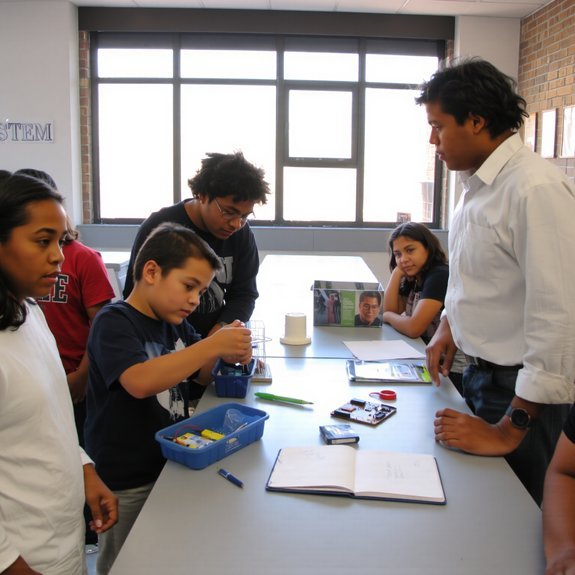
You’re standing in a school gym after practice, the floor still smelling like chalk and sneakers, and I’m telling you HBCUs run after-school tutoring programs that actually stick—volunteers coaching reading, algebra, patience. Picture summer STEM camps where kids solder tiny robots, taste victory, and leave buzzing like cicadas; we partner with local schools to make that electricity real. And yes, we’re building teacher pipeline partnerships too, recruiting, mentoring, and nudging future teachers into classrooms where they’re needed most—no cape required, just commitment.
After-school Tutoring Programs
Envision this: a noisy gym quiets down, fluorescent lights hum, and a dozen kids bend over math worksheets while I stand at the whiteboard pretending I don’t secretly love algebra—yeah, I’m that nerd. You walk in, grab a marker, and the room perks up because HBCU tutors show up like clockwork. You’re guiding fractions, coaching confidence, and swapping test anxiety for high-fives. The sessions smell of chalk and pizza, hear laughter, and feel sticky chair seats. You pair students with mentors, track progress, and tweak lessons on the fly. You bridge school gaps, spot talent early, and steer kids toward college-ready choices. It’s practical work, mostly patient, sometimes messy, always worth it—lesson plans and heart included.
Summer STEM Camps
When summer heat waves roll in and the school parking lot empties, we turn a classroom into a mini lab and a cafeteria table into a rocket workshop—yes, glitter, glue, and the faint smell of burnt popcorn included. You show up curious, maybe a little skeptical, and we hand you goggles, a circuit board, and a sticky note that says “Try not to short-circuit the dragon.” You build, you fail, you laugh, you rebuild. We guide experiments, lead code drills, and narrate the “oops” moments like proud comedians. Kids who never met STEM suddenly make sensors sing. You see confidence grow, hands steadier, questions sharper. These camps start pipelines by lighting curiosity, offering mentorship, college visits, scholarships info, and follow-up tutoring.
Teacher Pipeline Partnerships
Those summer camps glow like science fairs on steroids — glue under fingernails, solder smoke, kids squealing when a sensor finally sings — and they also point out a bigger problem I can’t ignore: we need more teachers who look like the kids, who know how to make circuits sound like fun. You see it, you want to help, and so do HBCUs. They build teacher pipelines that send trained, passionate educators back into classrooms, tutoring after school, leading clubs, mentoring like they mean it. You get hands-on coaching, classroom practice, and paid internships that actually pay.
- Paid K–12 tutoring apprenticeships, real classroom hours
- STEM credential programs with mentoring cohorts
- Community-school partnerships for internship placements
- Ongoing professional development, classroom-ready skills
Small Business Support and Entrepreneurship Centers
You’ll spot entrepreneurial resource hubs on campus, bright rooms buzzing with laptops, whiteboards, and the smell of fresh coffee where students and locals sketch business plans. I’ll nudge you into the incubator next door, where mentors hand you a checklist, a prototype, and a reality check with a smile. Picture monthly pitch nights, honest feedback, and small grants that turn good ideas into paying customers — you’ll want to be in the room.
Entrepreneurial Resource Hubs
I’ve seen three start-ups sprout from the same cramped campus coffee shop, and that’s when I decided we needed a proper hub, not just good vibes and free Wi‑Fi. You walk in, smell fresh coffee and paper, and someone’s sketching a logo on a napkin. You’ll find resource hubs that do more than host meetings; they connect you to mentors, legal aid, and microgrants. They teach pitching, bookkeeping, and how to survive investor small talk without choking.
- Mentorship matching with seasoned alumni
- Free workshops on taxes, contracts, and branding
- Shared workspace, printers, and demo nights
- Seed funds, grant guidance, and networking mixers
These hubs turn ambition into action, fast.
Small Business Incubators
If you’re serious about turning a backyard idea into a storefront that actually makes rent, a small business incubator is where you park your laptop and stop guessing. You walk in, smell coffee and whiteboard markers, meet mentors who ask tough questions, and get honest answers. We’ll help you write a lean plan, test a price, tweak your pitch, then sell a thing before lunch. You get workshops, legal help, shared equipment, and a cohort that celebrates wins and mock-critiques disasters. At HBCUs, incubators plug you into alumni networks, community buyers, and seed funds, they push you to hustle smarter, not harder. Bring grit, bring a prototype, and expect clear feedback—plus maybe free snacks.
Agricultural Extension and Food Security Projects
When I walk onto a dusty schoolyard at dawn, and farmers are already squinting at seedlings like they’re reading the weather, you feel the whole project hum—boots, coffee, the tang of turned soil. I bring soil tests, seed packets, and annoyingly cheerful advice, and you watch neighbors trade jars of pickles like currency. HBCU extension teams teach climate-smart planting, pest control, and preserving harvests, all hands-on, no lectern. You get fresh produce maps, pantry seeds, and cook-along demos that smell like rosemary and victory.
- Soil testing clinics that actually explain the dirt
- Mobile gardens that follow students home
- Community kitchens teaching preservation, canning, recipes
- Farm-to-food-bank logistics, fast and humane
It’s practical, hopeful, and a little stubborn.
Workforce Development and Career Readiness Programs
Because careers don’t just drop out of the sky, I show up with résumés, tool belts, and uncomfortable honesty—ready to get folks hired. You get hands-on workshops, mock interviews that sting a little but actually help, and career fairs where you smell coffee and hope. I coach LinkedIn profiles till they sparkle, teach you to tell your story in thirty seconds, and connect you to employers who need real talent, not just perfect transcripts. You practice elevator pitches in empty hallways, land internships, and build portfolios that hum. We run certification bootcamps, résumé clinics, and alumni panels that speak plain truth. You leave with skills, confidence, and a plan — and yes, a good joke to break the ice.
Cultural Preservation and Arts Outreach
You thought I only showed up with résumés and caffeine? I bring drumbeats, quilts, murals, and recipe cards too, and you feel it the second you step on campus — color, smell of paint, a chorus practicing. I lead student groups into neighborhoods, we record elders telling stories, we stage folk plays under string lights. You get hands-on arts workshops, heritage walks, pop-up galleries that make history taste like home. We teach technique, we honor lineage, we make space for voices that almost slipped away. Our outreach builds pride, sparks apprenticeships, and invites you to touch, listen, and learn.
I bring drumbeats, quilts, murals, recipes — hands-on arts, elder stories, and neighborhood gatherings that make history feel like home.
- Oral history sessions with elders
- Community mural projects
- Traditional music and dance workshops
- Cultural craft apprenticeships
Disaster Relief and Emergency Response Partnerships
You’ll see how your campus can turn into a humming command center, with rapid-response student teams sprinting out the door, backpacks jangling, radios crackling. I’ll show you how a campus-first aid hub can feel like a warm, well-stocked kitchen — bandages lined like plates, hot drinks ready, volunteers calling names — you’ll want to stay. Let’s map who trains, who drives, and who keeps the coffee coming, because when emergencies hit, you’ll be the steady voice people trust.
Rapid-Response Student Teams
If a storm rips the power lines out at 3 a.m., I want a squad of students on the road before sunrise—no hand-wringing, just coffee, gear, and a plan. You’ll see them loading trucks, checking radios, and swapping grim jokes to stay awake. They move fast, with practiced calm, and you feel safer knowing they’ve drilled this.
- Triage roles assigned, like a well-oiled relay team.
- Local maps, spare batteries, and vetted partner contacts.
- Quick shelter setups, water distribution, and debris clearance.
- Communication protocols tested under pressure.
You’ll ride along, probably spill coffee, and watch them turn chaos into order. They learn, lead, and give back, with grit and good humor.
Campus-First Aid Hubs
Three things make a campus-first aid hub work: a bright sign you can spot at dawn, a freezer full of ice packs, and people who know how to stay calm when sirens sound. You’ll find me there, coffee in hand, juggling clipboards and ego, ready to help. You walk in, inhale antiseptic and lemon, hear radios chatter, and someone cracks a joke to cut tension — I roll my eyes, then laugh. You’ll learn supply layouts fast, tape wounds faster, and shuttle volunteers like a conductor, no baton required. Partners from local EMS and faith groups drop by, exchange keys, share training, and swap food. When storms hit, you’ll open doors, hand out blankets, and keep the campus beating steady.
Civic Engagement and Voter Education Efforts
When I walk onto an HBCU quad during election season, you can smell the coffee and hear the laughter before you see the signs — tablecloths flapping, flyers rustling like tiny flags. I wander over, you follow in imagination, and we step into a hub of civic hustle. Students register voters, debate volunteers practice friendly zingers, faculty lead issue workshops, and campus radio interrupts a playlist for a quick voter myth-busting bit. You get pulled into crisp, confident energy. Here’s what they do, up close:
- Host registration drives with snacks and music, so you actually want to wait in line.
- Run mock elections in class, so civic duty feels real.
- Teach mail-in ballot basics, no jargon.
- Coordinate rides to polling places, human-powered democracy.
Alumni Networks Driving Community Investment
Picture a reunion BBQ that never ends — alumni swapping recipes and business cards between drumsticks — and you’ve got the vibe when HBCU grads turn their networks into neighborhood power. You walk into that scene, you smell ribs, you hear laughter, and someone hands you a flyer for a small-business grant. You’re invited to mentor, to invest, to open doors. You don’t need a suit, just a willingness to share time, money, or skills. You see pop-up clinics, playground builds, scholarship funds spring from stories told at long tables. You trade jokes, then draft a plan. You’ll text, you’ll fundraise, you’ll show up. It’s messy, it’s real, and it transforms blocks, because community is where alumni actually live.
Conclusion
You see it, don’t you? You walk past a pop-up clinic, smell coffee and ink, hear laughter from a tutoring room, and feel the steady hum of people fixing things — hearts, laws, gardens. I’m telling you, HBCUs stitch communities like quiltmakers, patch by bright patch. You get hands-on learning and neighborhoods getting stronger. It’s messy, brave, hopeful work. Roll up your sleeves, join the chorus — you’ll leave with grit, pride, and a story to tell.