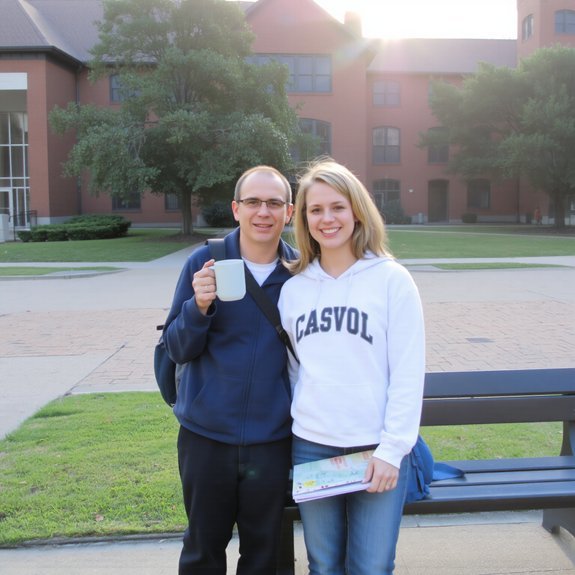
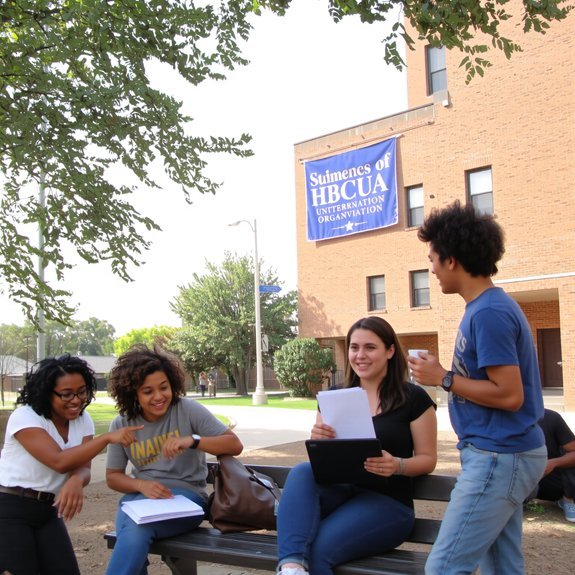
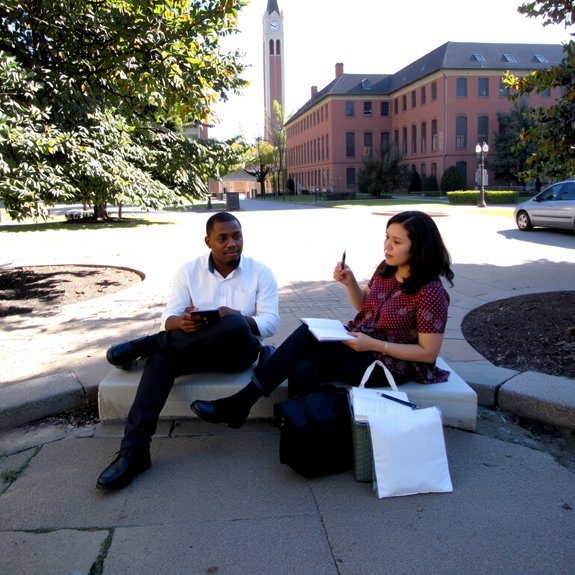
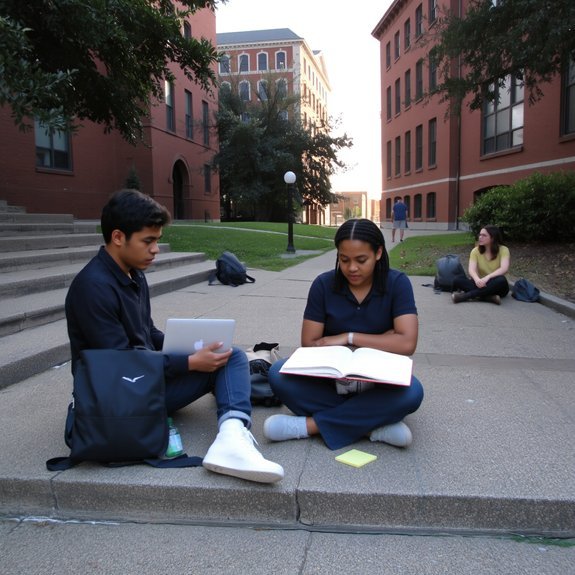
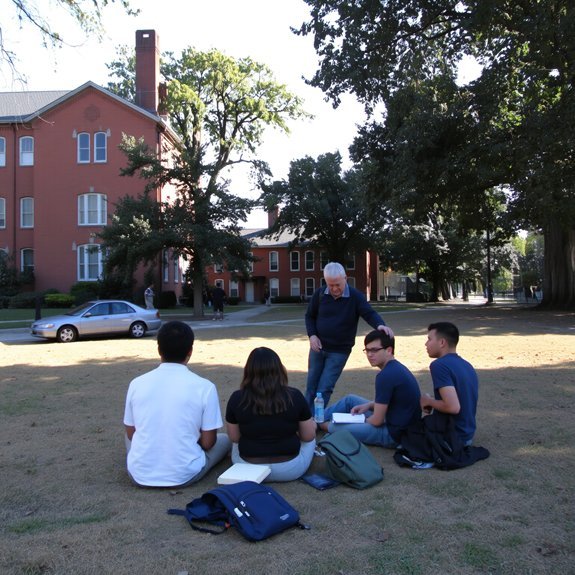
You’re the person they call when the wifi dies at midnight and the syllabus looks like a foreign language, so show up: sit with them at the tutoring center, bring snacks to late-night study sessions, help sort FAFSA emails, and cheer when a professor actually replies—don’t fake it, just be steady, listen, ask good questions, and connect them to mentors who’ve been there; I’ll tell you how to do all that and why the history of HBCUs matters, but first—what’s the toughest thing they’re facing right now?
Key Takeaways
- Help them navigate financial aid and scholarships by researching opportunities, reviewing applications, and encouraging persistence with small awards.
- Connect them with campus resources—advisors, tutoring centers, and mental health services—for academic and emotional support.
- Encourage time-management routines and study plans, including micro-rituals and regular progress check-ins.
- Foster community by introducing them to mentors, student organizations, and HBCU cultural events that celebrate legacy and belonging.
- Validate their experiences, model self-care, set boundaries, and check in regularly to support mental health.
Understanding the HBCU Experience and Its History
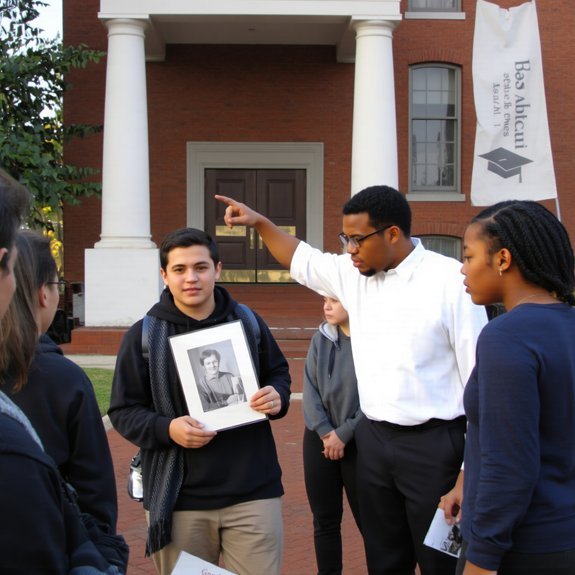
When you walk onto an HBCU campus, you can almost hear history humming under your feet — brick paths that know names, banners that have weathered decades, the scent of cookout smoke mixing with old books; I’ve felt that hum, and it hits you in the chest. You lean in, you listen. You’ll see portraits that stare back like relatives, hear brass bands that make your ribcage tingle, catch professors telling stories that stitch past to now. You’ll also notice hustle — students juggling jobs, classes, activism, joy, the whole messy beautiful thing. Ask questions, show up at events, sit in on a lecture, taste the food. Be curious, stay humble, celebrate loudly, and let history teach you.
Navigating Financial Aid, Scholarships, and Budgeting

You’ll want to hunt down every scholarship that fits—federal, state, HBCU-specific, and the quirky little ones nobody tells you about—and I’ll warn you, the forms love to hide like socks in a dryer. Start a simple budget, track groceries, gas, and that late-night coffee habit, and you’ll actually see where the money’s sneaking out; I promise spreadsheets don’t bite. Ask for help with applications, compare award letters out loud like you’re bargaining at a market, and celebrate every small win with a ridiculous victory dance.
Finding and Applying Scholarships
Curious where the money’s hiding? I’ll say it: scholarships are everywhere, you just need a flashlight. Search HBCU websites, departmental pages, local businesses, church groups, and national databases—Fastweb, College Board, and niche sites for your major. Set up alerts, bookmark deadlines, and keep a checklist. Write a tight, honest essay, have someone proofread it, and tailor each application—don’t send the same one like a generic casserole. Gather transcripts, recommendation letters, and a polished resume; scan them cleanly, name files clearly, and submit early. Apply to small awards; they add up. Be persistent, celebrate small wins, and track submissions in a simple spreadsheet. I’ll remind you: rejection stings, but new entries keep the hunt fun.
Practical Student Budgeting
Three rules I live by: know what’s coming in, know what’s going out, and don’t pretend ramen counts as a food group. I tell you this like a friend handing over a neon sticky note. Track income — grants, loans, paychecks — write them down, feel the relief when totals add up. Track expenses — rent, text books that cost too much, late-night Uber snacks — cut, combine, or cancel. Build a weekly food plan, shop with a list, cook one-pot meals that smell like home. Set a small emergency fund, $200 first, then $500, then breathe. Use campus resources — food pantry, tutoring, financial counseling — don’t be proud. Revisit your budget monthly, tweak it, celebrate wins, laugh at mistakes, keep going.
Building Academic Support and Study Strategies

You can tame hectic weeks with a simple time-management routine, a calendar you actually open, and a two-minute ritual to set priorities — yes, even when your to-do list looks like a monster. Walk the campus tutoring center, grab a snack at the front desk, and ask for a quick study plan; tutors love specifics, and so do your grades. I’ll show you how to stitch these habits into your day, so you feel less frantic and more in control.
Time Management Routines
If your week feels like a juggling act—emails dinging, classes stacking, and that one group project ghosting you—let me be blunt: time won’t manage itself. I say this because you need a routine that actually fits your life, not some Pinterest schedule that smells like fake lavender. Pick two anchor blocks: one for deep work, one for recovery. Block 90-minute study sprints, close tabs, silence your phone, breathe. Build micro-rituals: brew coffee, set a five-minute brain dump, open the book. Track one habit for 21 days, celebrate with a small reward, yes, even a cookie. Use color-coded calendars, alarms with friendly names, and a weekly check-in where you laugh at what went wrong, then fix it. You’ve got this.
Campus Tutoring Resources
One solid place to start is the campus tutoring center — don’t roll your eyes, it’s actually way less sad than the pamphlets make it sound. I’ll walk you through it. You drop in, the fluorescent lights hum, coffee smells like victory, tutors nod like friendly coaches. Tell them what’s tripping you up, show your notes, and watch them sketch a problem on the whiteboard. They’ll model strategies, quiz you, and hand you a checklist that actually helps. Use walk-in hours, book one-on-ones, join peer study groups that feel more like team huddles. Bring snacks, bring a hard question, bring patience. You’ll leave with clearer steps, less panic, and a tiny boost to brag about at dinner.
Supporting Mental Health and Emotional Well‑Being
Although college can feel like a high-stakes movie where you forgot your lines, you’ll survive—and you don’t have to do it alone. I’m telling you, check in often, listen without fixing everything, and bring snacks—serious mood lifters. Notice sleep, appetite, and the way laughter thins out; those are the small alarms. Sit with them on a dorm bench, breathe cool evening air, ask one calm question, and let silence do its work. Encourage little rituals: a morning stretch, a playlist that’s pure comfort, a five-minute journal. Validate feelings without minimizing, say, “That stinks, we’ll figure it out,” and mean it. Keep boundaries, model self-care, and show up steady—your steady matters more than perfect words.
Connecting Them With Campus Resources and Mentors
You’ve checked their sleep, laughed at their ramen experiments, and held space when their voice trembled—now let’s get them plugged into people and places that actually help. Walk campus with them, point out the student success center, financial aid office, counseling suite, and that little tutoring nook that smells like coffee and ambition. Introduce them to a friendly advisor, crack a joke, then step back as names stick. Text them later: “Did you meet Prof. Jones? She’s great.” Suggest student orgs that match interests, nudge them toward peer mentors, and sit in on an advising appointment once, just to demystify the script. Celebrate small wins—a signed form, a new planner—because practical support builds confidence, one concrete step at a time.
Fostering Long‑Term Encouragement and Family Communication
If you want this to last past the first semester, make encouragement a routine, not a holiday. I tell you, call, text, drop off a surprise care package, whatever fits your vibe. Ask specific questions: “What class wrecked you today?” not “How are you?” Listen like you mean it, pause, hum, laugh. Share wins and setbacks at the dinner table, or over FaceTime, and keep it low-drama. Teach family simple scripts: “Tell me one thing that went well.” Model curiosity, admit you don’t know the campus slang, and laugh about it. Celebrate small rituals — midterms pizza, Sunday check-ins — so support smells like home, feels like a warm hoodie, and lasts through finals.
Conclusion
You’ll walk with them, and by chance you’ll learn as much as they do — funny how that works. I’ll nudge, you’ll celebrate wins, we’ll all point to advising, scholarships, study spots, counseling, mentors. Pack snacks for late nights, bring earbuds for focus, and ask “how was today?” often. You’ll listen, laugh, and fail forward together. Keep the door open, the budget real, and the praise loud — they’ll thrive, and so will you.