
You probably don’t know HBCUs still graduate a higher share of Black STEM majors than many flagship schools, and that matters more than you think. Picture a campus where professors call roll by name, where history hangs in the halls like a quilt you can touch, and students build networks that outlast diplomas—it’s gritty, warm, and unapologetically focused on your success. Stick around, I’ll show you how that actually changes lives.
Key Takeaways
- HBCUs consistently produce high numbers of Black professionals in medicine, law, education, STEM, and public service.
- They provide culturally affirming environments that strengthen students’ identity, confidence, and academic persistence.
- Targeted academic support and holistic services improve retention, graduation rates, and career readiness for underserved students.
- HBCUs drive local economic growth through job creation, entrepreneurship, and community-centered partnerships.
- They preserve Black history and leadership pipelines while innovating programs responsive to changing workforce needs.
Historical Role and Legacy of HBCUs

Because you can’t talk about American higher education without them, I’ll start with the obvious: Historically Black Colleges and Universities have been bedrock institutions, and I mean that literally and figuratively — they’ve anchored communities, dreams, and movements. You walk their campuses and feel history underfoot, brick pathways warmed by sun, laughter spilling from porches where elders taught algebra and resilience. I’ll tell you straight: they trained teachers, nurses, lawyers, activists, engineers — people who rebuilt lives after slavery and segregation, step by hard-won step. You see archives, hear speeches in chapel halls, smell cafeteria coffee that powered midnight study sessions. They’ve been testing grounds for social change, incubators of leadership, and safe harbors when the rest of the country slammed doors. You owe them attention.
Cultural Affirmation and Identity Development

Think of a campus quad where the air smells like magnolia and fried plantain, and you can practically hear gowns rustling with history — that’s where cultural affirmation starts for me at an HBCU. You stroll past posters for step shows, the drumbeat thumps your chest, and someone hands you sweet tea like it’s a welcome hug. You see portraits that look like your aunt, hear accents like home, and teachers call you by your whole name, not a number. That sense of belonging shapes how you walk into the world, proud and ready. I joke I learned more about myself between chapel and the cafeteria than I did in some classes — but it’s true, identity grows loud, joyful, and very real.
Academic Support and Student Success Strategies
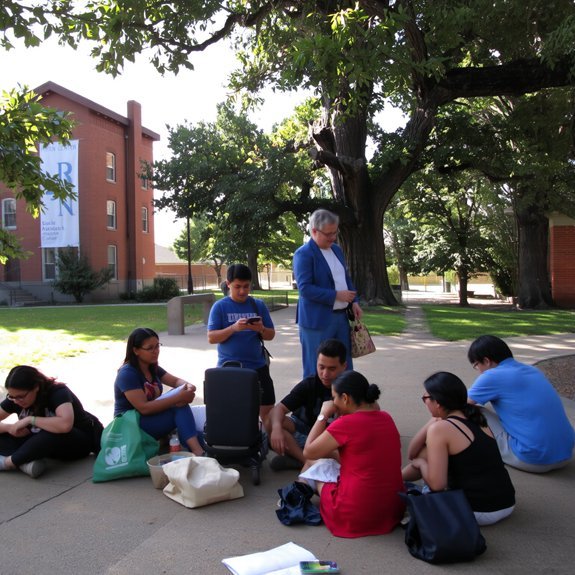
You’re in the tutoring room, headphones on, pencil tapping—I’m here to show how targeted tutoring programs lift the fog on tricky subjects, one clear problem at a time. You’ll meet advisors who get your story, who use culturally responsive advising to nudge and challenge you without the usual academic lectern nonsense. And when life gets loud, our holistic wraparound services step in—food pantries, mental-health check-ins, housing help—so you can breathe, focus, and actually finish the semester.
Targeted Tutoring Programs
When I walk into a tutoring center on an HBCU campus, I expect a hum of soft conversation, the scrape of chair legs, and a whiteboard full of half-formed ideas begging for rescue; that scene tells you everything about targeted tutoring programs. You get tutors who know the curriculum, who’ve survived the same midterms, who point to a problem and say, “Try it this way,” with a grin. You sit, you explain the knot in your thinking, they pull a thread. Sessions are focused, short, hands-on — problem sets, mock exams, citation checklists. Tutors adapt to your pace, celebrate small wins, and push when needed. It’s practical help, confidence building, community repair — the kind that keeps you in the game.
Culturally Responsive Advising
If advising feels like a script read from across a stage, we tear up the lines and have a real conversation instead. You walk in, I set the chair closer, we trade names like old friends. I listen for your story, your slang, the little sighs between thoughts. We map classes to culture, mentors to family rhythms, deadlines to real life, not some distant calendar. You leave with a plan that fits your voice, your goals, your playlist. I nudge, I call, I celebrate small wins, I roast you gently when you ghost an assignment. It’s personal, precise, practical — and yes, sometimes hilarious.
- A sticky note with your favorite song title
- A planner scribbled in two inks
- Laughter over missed coffee
- A roadmap doodled in margins
- A high-five, real or virtual
Holistic Wraparound Services
Because college isn’t just textbooks and test dates, I make sure support feels like whole-person care — not a bulletin-board of pamphlets you ignore. You get tutoring that meets you where you are, late-night study tables that smell like pizza and determination, advisors who actually remember your major and your grandma’s name. I connect you to counseling, career coaching, childcare help, and emergency aid, fast — like a friend who answers at 2 a.m. when your laptop dies. We map clear steps, celebrate small wins with confetti emojis, and reroute plans without drama when life detours. You practice mock interviews, get résumé polish, and join peer groups that push and comfort you. It’s practical, human, relentless care that helps you finish, flourish, and laugh along the way.
Producing Black Professionals in STEM, Medicine, and Law
Although you might picture a quiet lecture hall, HBCUs are more like busy workshops where futures get built with elbow grease and loud laughter; I’ve walked those halls, smelled cafeteria spice, heard late-night study groups trade jokes and formulas, and watched students turn curiosity into careers. You see classmates become lab partners, scrub into rounds, argue constitutional points, and graduate into fields that often ignored them before. You get mentors who call you out, cheer you on, and write letters that open doors. You learn with hands, not just slides. You leave ready, confident, and a little stubborn — in a good way.
- Clinking beakers, late-night coffee, white coats hanging on hooks
- Heated debates over cases, pens scratching briefs
- Soldering irons, code on glowing screens
- Cadaver lab silence, soft instruction, steady hands
- Graduation robes, family cheers, diploma hugged tight
Leadership Development and Civic Engagement
You leave the lab coat and law brief behind and stumble—grinning, a little tired—into a campus meeting buzzing with flyers and coffee breath, because HBCUs teach you to lead while you’re doing everything else. You get handed a clipboard, told to run voter registration, and two hours later you’re moderating a heated debate about town zoning, feeling oddly competent. You learn to organize, speak, and disagree without making enemies. Faculty nudge you into roles, alumni show up with firm handshakes and real-world asks, and you practice persuasion at midnight pizza sessions. Civic engagement isn’t an add-on, it’s practice: canvassing, phone banks, town halls. You leave with sharper skills, a fuller network, and the surprising confidence that you can change things, one meeting at a time.
Economic Impact on Communities and Social Mobility
When I say HBCUs change neighborhoods, I mean it with the same stubborn pride you feel when your corner store finally gets a fresh loaf of bread—small victory, huge ripple. I watch graduates buy houses on streets that used to empty at dusk, I hear laughter spill from new cafés, I see shop owners hire interns who actually look like the neighborhood. You get payrolls, home equity, taxes that fund parks, and folks who learn to dream bigger. It’s not magic, it’s math and grit.
- A barber smiling, counting receipts, student loans manageable.
- A church basement turned tutoring hub, chalk dust in the air.
- A mom opening a bakery, scent of cinnamon and leap of faith.
- Old storefronts painted bright, kids chasing a soccer ball.
- Graduation caps tossed, neighborhood echoing like a drum.
Partnerships, Research, and Workforce Preparedness
If we want graduates to walk out of classrooms and straight into good jobs, HBCUs have to be the kind of partners companies actually call—not the afterthought, the favorite aunt, or the charity case. You’ll see labs humming, students soldering circuit boards, and faculty arguing over data like it’s dessert. I watch employers tour campuses, noses twitching at real talent, not just brochures. You’ll want internships that pay, research that solves local problems, and curriculum shaped by industry needs. I’ll admit, we brag a little—because you should hear it. Partnerships mean co-designed courses, funded projects, and recruiters who actually show up. That’s how you build a workforce ready to work, innovate, and stay.
Challenges Facing HBCUs and Paths to Sustainability
Although the scene can feel like a juggling act with one arm tied behind its back, I’m not here to sell doom and gloom—just plain talk. You see strains: aging buildings that smell like history, tight budgets that make your palms sweat, enrollment dips that sting, and alumni expectations that hum like a tuning fork. You’ll do more with less, lean into partnerships, and hustle creative revenue. I’ll cheerlead, poke, and hand you a roadmap, honest and usable.
- A paint-chipped dorm turned incubator, late-night coffee steam rising
- A tiny fundraising office, phones ringing like carnival bells
- Faculty juggling classes, grant proposals, and parent calls
- Community leaders and students plotting a bold new major
- A campus moonlighted in string lights, hope in the air
Conclusion
You’ve seen why HBCUs matter, and you’ll like this: about 25% of Black bachelor’s degrees come from HBCUs, even though they enroll far fewer students. I feel proud saying that—like watching a small band win the big game. You’ll want to support them, visit a campus, or tell a friend. Do something concrete: call, give, volunteer. Do it now—don’t just nod and move on. HBCUs keep changing lives.