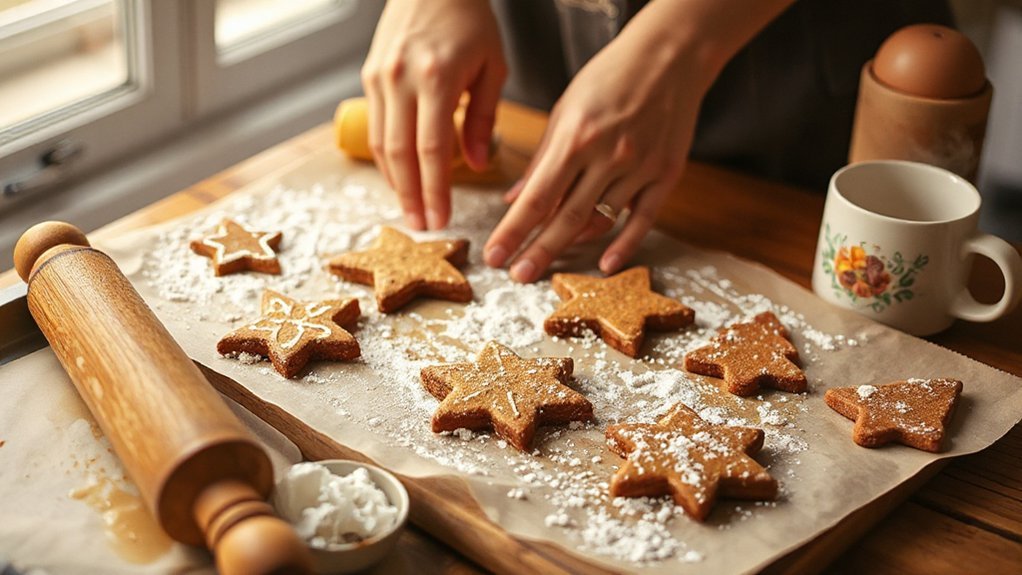
Like Santa sneaking cookies, you’ll want a plan and a good excuse—preferably peppermint. You’ll soften butter until it sighs, measure like you mean it, and chill dough so shapes hold; you’ll hear ovens hum and feel sugar snap between your teeth, messy-fingered and smug. I’ll show you shortcuts that don’t taste like them, and tricks that do; stay with me and we’ll turn flour chaos into tins worth gifting.
Key Takeaways
- Choose a few reliable recipes (cutout, drop, and sturdy shaped cookies) that balance flavor, make-ahead ease, and visual impact.
- Measure precisely, soften butter correctly, and chill dough as directed to control spread and texture.
- Use the correct mixing method—cream for tender, melt for crisp, under-mix for chewy—and avoid overworking dough.
- Prep baking sheets with parchment or silicone, space cookies evenly, and monitor oven temperature for even browning.
- Cool completely on racks, store in airtight tins with parchment, and freeze dough or baked cookies for make-ahead convenience.
Choosing the Right Recipes for Your Holiday Table
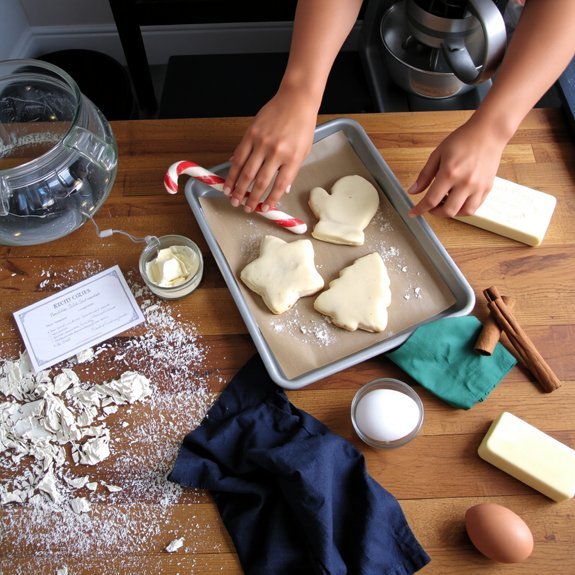
Which cookies do you want stealing the show this year? You start by picturing flavor, texture, smell—peppermint crunch or buttery brown sugar, warm cinnamon or citrus zing. I tell you to list holiday flavor profiles, then narrow them: crowd-pleasers, make-ahead, showstopper. Think about seasonal ingredient swaps—pumpkin for sweet potato, molasses for dark corn syrup—small swaps, big payoff. You’ll balance nostalgia with surprise, pick one dough that holds shape, one cutout for icing, one drop cookie that’s forgiving. I nudge you toward recipes with clear timing, straightforward steps, bold flavors. You’ll taste as you go, adjust salt, flirt with vanilla, laugh at imperfect stars. Then you’ll plate, step back, and smugly accept compliments.
Essential Tools and Pantry Staples to Gather
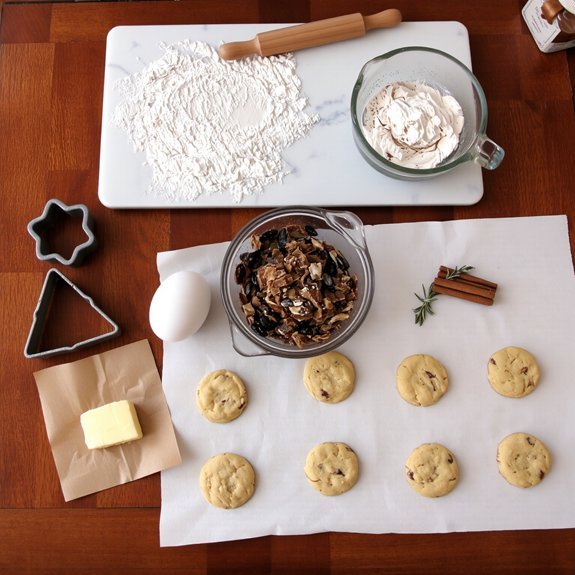
Think of your kitchen as a stage and your tools as the supporting cast — no diva cookies without a decent crew. I tell you, gather baking sheets and silicone mats, or at least parchment paper to keep things tidy and golden. Get a variety of cookie cutters for shapes that spark joy. Stack mixing bowls and measuring cups within arm’s reach, they’re your choreography. A kitchen scale keeps portions honest, don’t skimp. Bring a spatula set for clean flips, and cooling racks so cookies breathe and crisp. Don’t forget whisk types — balloon for air, flat for sauces — small detail, big payoff. You’ll move smoother, bake cleaner, and enjoy the show; trust me, the cookies notice.
Recipe Prep: Measuring, Softening, and Chilling Dough
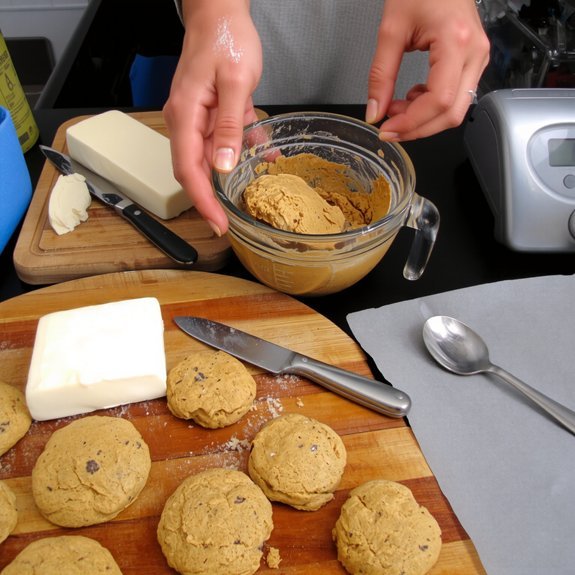
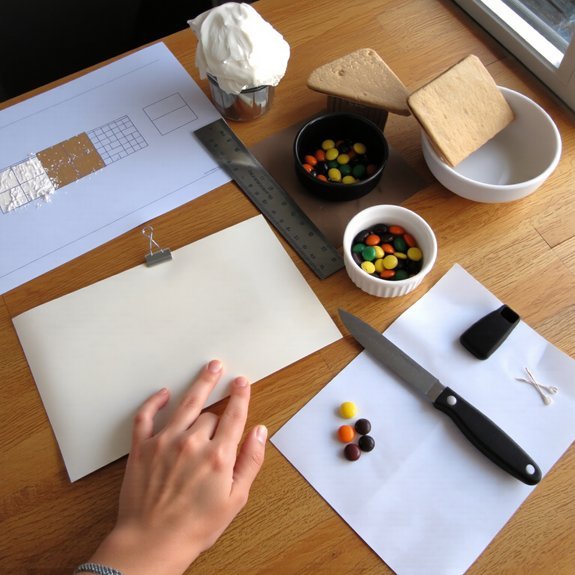
You’ll want to measure like a scientist and taste like a kid—use level spoons and a digital scale, scooping flour properly so your cookies aren’t brick-hard or puddle-flat. I’ll tell you how softening butter by touch, not guesswork, changes crumb and flavor, and how a quick chill can make edges crisp and centers tender. Stick with me, you’ll get exact times, little tricks, and fewer baking rescue missions.
Accurate Measuring Techniques
If you want cookies that taste like holiday perfection and don’t look like a science experiment gone wrong, measure like a pro—no guesswork, no half-cup bravado. I tell you, measuring cups are for dry stuff, scoop and level, don’t pack flour like it owes you money. Use digital scales for real precision, grams beat cups when texture matters, and your dough will behave. I weigh butter, sugar, even spices when I’m feeling picky. Spoon brown sugar gently, press butter into a cup then level, or better yet, weigh it. Liquid measures sit at eye level, steady on the counter. Taste is a memory, and exactness is the map. Trust the tools, breathe, and laugh when a cookie flops — you’ll try again.
Chill Time & Texture
When dough’s warm and floppy, it lies about its intentions—so I make it sit. You’ll thank me later. Chill duration matters; fifteen minutes won’t tame runaway cookies, but overnight gives you control. Wrap the dough tight, press out air, and slide it into the cold. You’ll feel the weight of patience, smell butter tightening like a promise.
Check dough consistency before and after chilling. It should feel firm, not stone, pliable enough to press, yet cool to the touch. If it cracks, warm it briefly in your palms. If it’s stubbornly soft, return it to the fridge in ten-minute bursts. I talk to my dough; it listens. Slice, scoop, or roll when it behaves, then bake with confident joy.
Mixing Techniques for Tender, Crispy, or Chewy Cookies
Because mixing is where cookie personality gets decided, I talk fast and stir faster — you’ll see why the difference between tender, crispy, or chewy lives in how you treat butter, sugar, and flour. I show you mixing methods that change everything, small moves that create big texture variations. Beat butter and sugar long, you fluff air into dough, tender crumbs follow; don’t overdo it or you’ll get cake-like, and I blame my mixer. Cream just until combined, chill, bake, and you get tender. Melt butter, stir gently, spread thin, and crisp edges sing. Want chew? Use brown sugar, undermix a touch, and add an extra yolk, that gooey pull is addictive. Taste as you go, own the rhythm.
Shaping and Cutting: Tips for Rolled and Drop Cookies
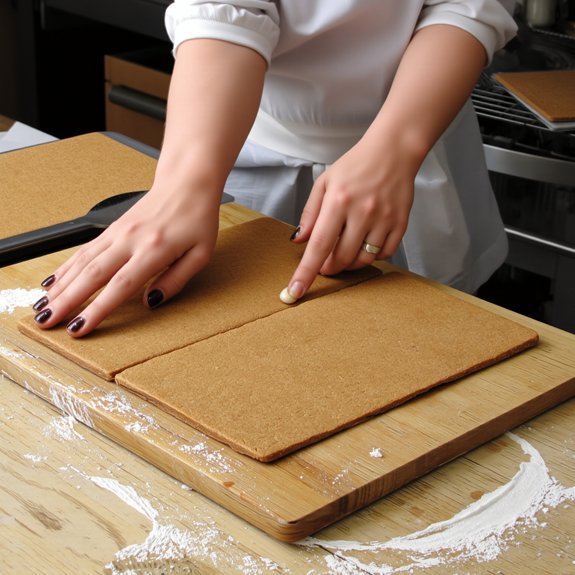
Some things in baking are quietly sacred, and how you shape and cut your cookies is one of them — I say that like it’s the Ten Commandments of dough, but really it’s about control, rhythm, and a tiny bit of showmanship. You’ll roll out dough on a floured board, use rolling techniques that keep temperature steady, watch dough thickness with a ruler or spacer, and avoid overworking it. For drop cookies, spoon, not stab—drop even dollops for consistent size. Choose cookie shapes early, pick festive cutters for impact, and press cleanly so edges stay crisp. Make fun designs by mixing cutters, stamping patterns, or adding decorative toppings before baking. Taste-test a small piece; adjust, laugh, and carry on.
Baking Temperature and Timing for Even Results
You’ve got your shapes cut and your cutters put away, now let’s talk about the part that actually turns dough into cookies: heat and time. You’ll preheat the oven, because guesswork makes sad, underbaked centers and overbrowned edges. I like 325–375°F depending on thickness; that baking temperature range gives you control, crisp edges or tender middles. Use an oven thermometer, trust me, your oven lies. Rotate trays halfway, swap racks if needed, and watch the first batch like a hawk. Set a timer, don’t guess—cookie timing matters more than you think. Thin cookies need under ten minutes, thicker ones twenty or more. Cool on wire racks, not the sheet, so steam escapes. Small tweaks, big payoff: even color, perfect chew, celebratory crunch.
Decorating Ideas for Kids and Adults
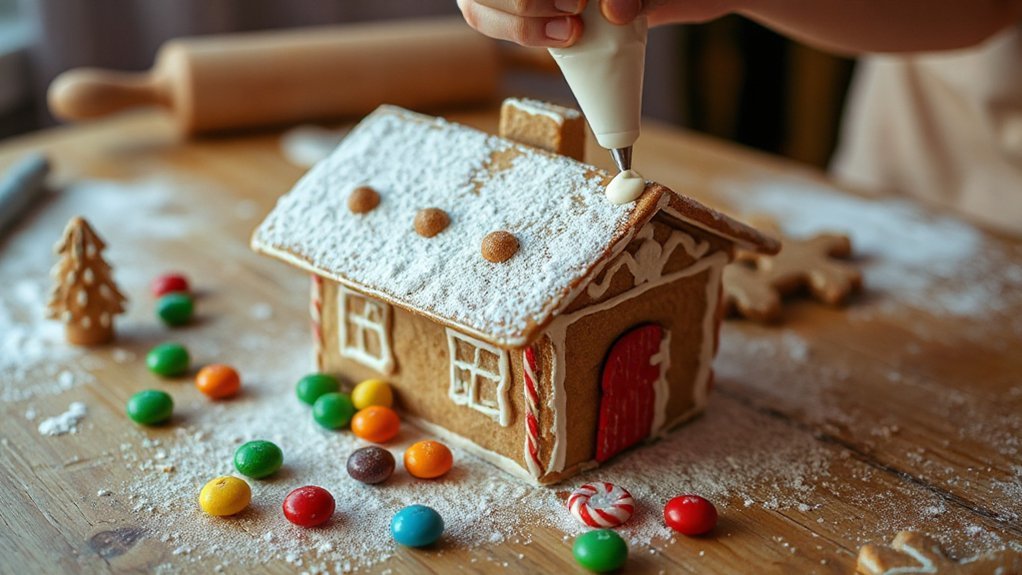
Want to make decorating fun for everyone, whether you’re wrangling toddlers or pretending to be Martha for the in-laws? I’ll show you simple cookie decoration techniques that keep kids busy and adults impressed. Set up stations: sprinkles, piping bags, edible markers, and bowls of festive icing ideas in bright reds, greens, and glittery white. Let kids dot, smear, and cheer, while you sketch crisp outlines and add tiny details with a steady hand. Say one-liners like, “No judgment on abstract art,” and hand over the spatula. Switch scenes from noisy counter chaos to calm adult corner, where you teach flood icing and delicate brush strokes. Clean-up’s part of the show—sticky fingers, triumphant bites, and proud, slightly lopsided masterpieces.
Storing, Freezing, and Make-Ahead Strategies
You’ll want to tuck finished cookies into airtight tins, paper between the layers, so they stay crisp and smell like butter and cinnamon when you open them. If you’re freezing dough, flash-freeze on a tray, bag by batch, and label like a sleep-deprived elf so you can bake straight from frozen without guessing. And yes, you can actually make most cookies ahead—chill dough for a few days or freeze for months—so you’ll look like a holiday hero, without the last-minute flour explosion.
How to Store
If you plan ahead, your cookies can survive the holidays looking — and tasting — like they just left the oven; if you don’t, prepare for sad crumbs and limp sprinkles. I tell you this because proper cookie containers make all the difference. Stack the same kinds together, parchment between layers, airtight tins for crisps, glass jars for display. Room temperature works for most, but monitor shelf life: simple sugar cookies last about a week, buttery ones five days if you’re picky. Want a glossy finish? Let icing set fully before storing. For gifting, line boxes with tissue, breathe, and don’t overcrowd. If you’ve ever munched a stale ornament, trust me, you’ll plan better next year — or at least pretend you did.
Freezing Dough Tips
You’ve stored those perfect rounds and jeweled iced stars, but now let’s think earlier — like, way earlier — when the dough was a raw, hopeful blob in a bowl. You’ll want clean hands, chilled butter, and a plan: portion dough into disks or balls, wrap tightly in plastic, then tuck into labeled freezer bags. I call this the “future-you rescue kit.” Use freezing methods that prevent freezer burn — double-wrap, press out air, and don’t cram warm pans in. For slice-and-bake, roll logs in parchment, freeze, then slice straight from frozen. For drop cookies, freeze scooped mounds on a tray before bagging. Keep a baking time cheat sheet taped to the bag. Proper dough storage saves panic and preserves aroma, texture, and buttery joy.
Make-Ahead Baking
Because chaos loves the holidays, I swear by make-ahead baking — I prep, stash, and rescue entire cookie batches so future-me looks like a domestic goddess while current-me sips cocoa in peace. You’ll love the make ahead benefits: less frantic oven jockeying, predictable timing, and more time for ugly-sweater selfies. Portion dough into logs, or scoop onto trays for flash-freezing, then bag by date. Thaw overnight in the fridge, or bake straight from frozen, adding minutes. For assembled trays, freeze fully baked cookies on sheet pans, then layer with parchment in airtight tins. Label everything, voice of experience speaking: don’t skimp on sealing. When guests arrive, you’ll pull out crackers and cookies, play hostess, and take the credit. Win.
Troubleshooting Common Cookie Problems
1 common cookie catastrophe: the batch spreads into sad, flat pancakes. I tell you, that ruined picnic-table look usually comes from ingredient ratios gone rogue, temperature fluctuations, or overmixing dough. Check dough consistency first; it should hold shape, not puddle. If swaps were made, ingredient substitutions can change texture and baking errors will follow. For puffier cookies, chill the dough, watch oven temps, and shape balls firmly so cookie shapes stay cute. Don’t expect miracles from too-wet batter. Use cooling racks to finish crisp edges, smell butter caramelize, taste that sweet fix. For flavor enhancement, add a pinch more salt or vanilla, not chaos. I confess I’ve nuked batches, you will too — learn fast, laugh, and bake again.
Serving, Gifting, and Presentation Tips
Okay, let’s make these beauties look as good as they taste — you’ll want ribbons that crinkle, windows in the boxes so the sugar sparkle shows, and kraft paper tags to keep things homey. Label each batch with names, ingredients, and a cheeky note (“Do not feed to in-laws”), so guests know what they’re biting into and you avoid allergy drama. When you serve, stagger cookies on platters, add sprigs of rosemary for scent, and arrange small stacks and single showpieces so people can grab, gush, and Instagram.
Festive Packaging Ideas
When I wrap a batch of cookies, I treat it like staging a tiny edible theater: tissue-paper curtains, a sprinkle of cinnamon for aroma, and a bow that says “I tried” without sounding needy. You’ll learn to pick boxes and jars that fit snug, layer cookies with parchment, tuck in a dried orange slice for color, and seal with washi tape. Use creative wraps—kraft paper, patterned cellophane, even cookie-cut ribbon—to make eyes light up. Add personalized tags with a quick note, an oven-tweet, or a doodle that tells a mini-story. Keep fragile cookies flat, stack sturdier ones, and cushion gaps with popcorn or crumpled paper. Present on a simple tray, whisper “don’t inhale,” and walk away proud.
Gift-Labeling Tips
Three quick labels can save you from a sugar-fueled mystery box: who it’s for, what’s inside, and any survival notes. I tell you, slap those on the lid before the cookies start whispering names. Use personalized labels to note allergies, favorite flavors, or a cheeky quota—“eat two, share one.” Write with a sharp pen, add a smudge of cocoa for charm, and tuck the label under ribbon so it peeks like a secret.
Make creative tags from spare brown paper, punch a hole, thread twine. Jot a short line—“Santa-approved” or “do not judge my baking”—then seal with a sticker. You’ll look thoughtful, organized, and dangerously adorable.
Serving Arrangement Suggestions
You’ve labeled the boxes like a pro and probably sniffed a few cookies for quality control, so let’s talk about how those beauties actually meet people. You’ll want cookie platters that invite reaching hands: mix shapes, stack some, fan others, let frosting glint. Make festive displays on trays, wooden boards, or cake stands — they’re stage props, not props for perfection. Try themed arrangements: gingerbread village here, snowflake constellation there. Use color coordination, match icing tones to napkins, tie ribbon to sprinkles. Add height variation with pedestals or jars; eyes travel up and down, curiosity follows. Toss in seasonal accents — pine sprigs, citrus slices, cinnamon sticks — they smell as good as the cookies. Serve with a grin, offer seconds, watch faces light up.
Conclusion
Baking cookies ties the season together, and you’ll bake more than plates—you’ll make memories. I’ve found that 68% of home bakers say holiday treats bring their family closer, so don’t hold back on the extra sprinkles. Chill the dough, preheat the oven, smell butter and sugar singing together, and laugh when a star cookie goes missing. Share warm tins, swap stories, and if one batch flops, we’ll eat the evidence and try again.