
You’re hunting for gifts that don’t wreck the planet, and yes, you can do classy without the guilt—so let’s get practical. Picture a cozy market stall, the smell of cedar and beeswax, a maker explaining fibers; you ask smart questions, spot certifications, and skip the obvious greenwash. I’ll show you where to look, what to trust, and gift ideas that actually last—but first, let’s clear one big misconception that’ll save you time.
Key Takeaways
- Prioritize durable, timeless items from ethical makers to reduce waste and extend product lifetimes.
- Choose local artisans, refillable products, or refurbished goods to support small businesses and lower supply-chain emissions.
- Verify eco-certifications and read labels to avoid greenwashing and confirm third-party auditing.
- Prefer experiences, memberships, or classes as low-impact gifts that create lasting memories.
- Use reusable or recycled wrapping and consolidated, low-emission shipping to minimize packaging waste.
Why Choose Sustainable Gifts This Holiday Season?
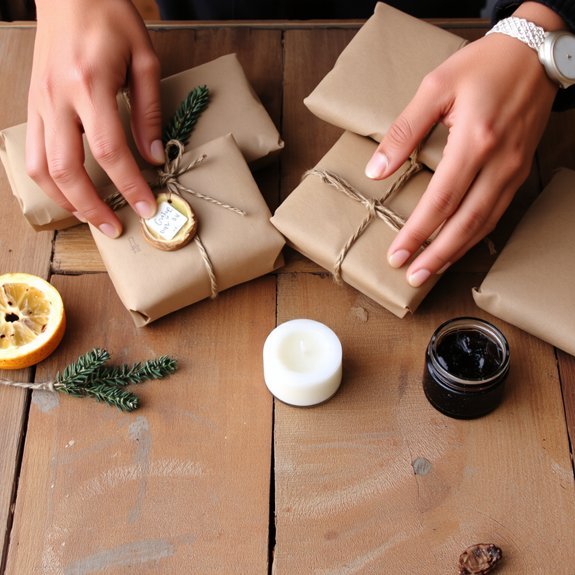
If you’re buying presents this year, do it with a little conscience—and a lot less waste—so your holiday feels merry, not guilty. You’ll feel lighter wrapping a gift that won’t haunt a landfill; the paper smells faintly of pine, the ribbon’s fabric and not plastic, you can hear a tiny satisfying crinkle. As eco conscious shoppers, you save resources, support fair labor, and give things that last—no one wants a trendy gadget that dies after winter. For holiday gifting, that means choosing quality, local makers, and edible treats you can savor together, not throw away. I’ll admit, I’ve learned the hard way—buy less, buy better, and watch faces light up when a gift actually matters.
How to Spot Trustworthy Eco-Certifications and Labels
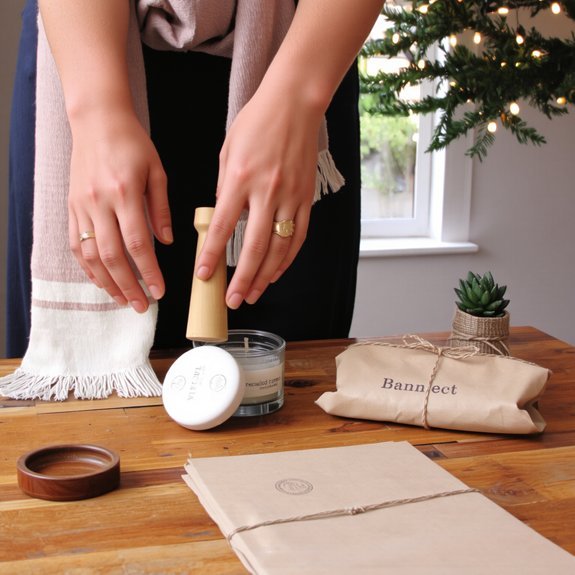
Because shopping green shouldn’t feel like decoding ancient runes, I’m going to teach you how to spot the real eco-badges from the greenwash glitter. You’ll learn why eco labels importance matters, and how to check certification credibility without a PhD. I’ll show you quick, tactile tests: look, read, research.
Shopping green shouldn’t require a decoder ring — spot real eco-badges: look sharp, read closely, research confidently.
- Look for recognized seals, crisp designs, clear issuer names—fuzzy logos scream copycat.
- Read the fine print, check standards and scope—does it cover the whole product, or just one tiny part?
- Research the certifier online, find third-party audits and complaints—real certifiers post reports, not just slogans.
You’ll feel savvy, confident, and smug at the checkout, while the greenwash gets roasted.
Best Places to Shop for Low-Waste and Ethical Products
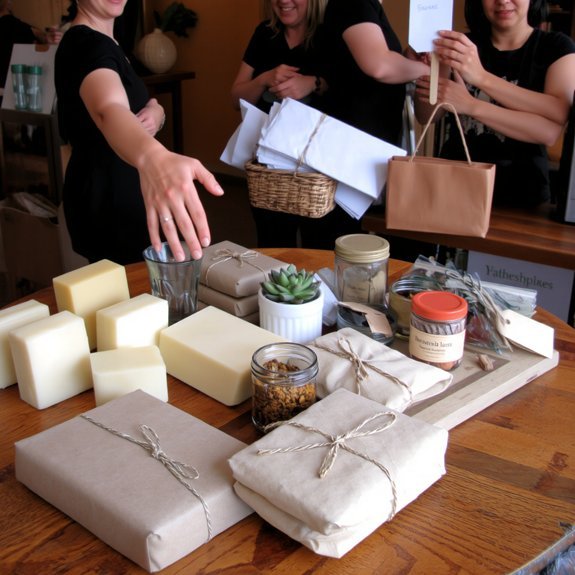
Now that you can spot the real eco-badges from the sparkle, let’s go shopping with purpose. You’ll love poking around eco friendly boutiques, their wooden shelves smelling faintly of citrus, recycled paper tags rustling as you browse. Try neighborhood shops for handmade goods, chat with makers, ask about materials—people light up when you care. Online, ethical online stores make it easy, with clear origin stories and photos that don’t lie. Compare return policies, packaging choices, and small-batch claims. I’ll admit, I judge by how items arrive—minimal tape, compostable mailers, not a mountain of plastic. Mix local treasure hunts with curated web finds. Buy less, choose well, enjoy the hunt, then wrap gifts in reused cloth and grin.
Gift Ideas That Prioritize Durability and Timeless Design
When you pick a gift that’s built to last, you’re making a tiny revolution—one that smells faintly of linen and leather polish instead of cheap plastic. I want you to choose things that whisper reliability, not shout trends. Look for durable materials, classic cuts, and timeless aesthetics; they save resources, and they earn gratitude.
- A full-grain leather wallet, hand-stitched, that softens with use and refuses to fall apart.
- A stainless-steel water bottle with a vacuum lid, cool to the touch, no leaks after months of testing.
- A wool throw in muted tones, heavy, warm, and unafraid of spills—washable, long-lived, oddly comforting.
You’ll give less, but better, and you’ll look smart doing it.
Experience-Based Gifts and Why They’Re Planet-Friendly
You can skip the wrapping paper avalanche and give a sunset paddle or a cooking class instead, which cuts down on stuff cluttering someone’s closet and your landfill guilt. I’ll tell you, I love a ticket stub more than a tchotchke—these gifts boost local guides and shops, create real memories, and smell faintly of sea salt or fresh-baked bread instead of plastic. Pick options reachable by bike, train, or a short carpool, and you’ll lower travel emissions while still delivering something that actually makes someone smile.
Reduce Material Consumption
Because buying less stuff actually makes the holidays feel richer, I’d argue experience gifts are the secret handshake of eco-friendly giving. You’ll notice, when you swap a box for a memory, you embrace a minimalist lifestyle and practice conscious consumption — that little moral flex feels good, like fresh air after too many candles. You’re saving landfill space, avoiding packaging crackle, and gifting something that smells like laughter, not plastic.
- A cooking class: you taste, laugh, and go home with a skill.
- A theater night: velvet seats, buttery popcorn, shared applause.
- A hiking guide pass: pine scent, wind in your hair, no receipt.
Pick experiences, not stuff, and watch joy multiply.
Support Local Experiences
Swap the big-box script for your town’s best-kept secrets, and you’ll find gifts that feel handcrafted by neighborhood spirit. You’ll give memories, not more stuff. Buy tickets to local experiences, book a pottery night, or sign them up for community workshops where hands get messy and stories get shared. Picture the clack of a coffee shop piano, the smell of glaze, the high-five when a classmate’s piece doesn’t collapse. You’ll support artisans, venues, and friendships, all without shipping boxes across oceans. I’ll bet your relatives will brag more about a wild cooking class than another sweater. Wrap the invite in a handwritten note, add a silly photo, and watch simple joy outshine plastic every time.
Low-Carbon Transportation Options
If you’re aiming to give something that actually goes places—without dragging a carbon footprint behind it—think experiences tied to low-carbon transport, not stuff that sits in a closet. You’ll be gifting motion, fresh air, and stories, not another sweater. I recommend treats that nudge people onto bikes, buses, trains, or into quiet electric vehicles that hum instead of roar.
- Guided e-bike tour of your city, helmets on, wind in hair, coffee stop included.
- Rail trip voucher for a scenic day, window seat, snack, and a paperback.
- Public transport passes plus a picnic kit, you pick the route, they pick the playlist.
These gifts feel alive, practical, and oddly romantic — like travel, without the guilt.
How to Support Local Artisans and Small Sustainable Businesses
Walk the Saturday market with me, you’ll smell roasting chestnuts and see hand-thrown mugs stacked like little towers, and you’ll know exactly who made them. Check labels and ask questions—verify their sustainable practices, watch for local materials and honest repair policies, don’t be shy about sniffing out greenwashing. Pick handcrafted gifts when you can; they last longer, tell stories, and make your holiday feel like it actually matters.
Shop Local Markets
Because holiday shopping shouldn’t feel like a scavenger hunt through giant, soulless stores, I urge you to hit your local markets and actually talk to the people who make things—with your gloves on, breath fogging in the cold, and the smell of roasted chestnuts in the air. You’ll meet local artisans, hear their stories, and feel the difference. You get a better gift, they get community support, everyone wins. Be curious, ask where materials come from, and laugh at my terrible puns while you sip hot cider.
- Browse slowly, handle items, ask about process, buy from someone who lights up when they talk.
- Choose handmade over mass-made, it lasts and tastes better in the soul.
- Bring cash, smile, and a reusable bag.
Verify Sustainable Practices
While you’re chatting with a potter or button-maker, pay attention to the little things that prove they actually mean “sustainable” and aren’t just riding the trend like a raccoon on a recycling bin. I’ll ask, I’ll listen, I’ll sniff the studio air — okay, not really — but I do look for certification transparency on labels, receipts, or a website link. Ask where materials come from, watch for ethical sourcing stories, names of farms or cooperatives, photos of workers. Touch the fabric, smell the clay, notice packaging choices. If answers feel vague, move on. If they show paperwork, samples, or a clear supply chain, you’ll feel it — honest, human, local. Trust your gut, your eyes, and your slightly skeptical sense of humor.
Prioritize Handcrafted Goods
If you want gifts that actually mean something, start by buying from the person who made them — not a faceless app or some glossy warehouse. I’ll tell you how to find treasures that smell like woodshop dust or citrus oil, pieces that hum with care. You’ll meet makers, ask where materials come from, and watch a ring or bowl take shape.
- Visit craft markets, talk to makers, try on handcrafted jewelry that fits like a secret.
- Hunt for artisan homeware, feel the glaze, lift a mug, hear its reassuring thunk.
- Order direct from small shops, ask about scraps and dyes, support fellas trying to do better.
You’ll give stories, not stuff. That’s the whole point.
Tips for Giving Upcycled, Refurbished, and Vintage Items
When you choose an upcycled, refurbished, or vintage gift, you’re not just giving an object—you’re handing over a story with character, quirks, and a little history-smell (in a good way). I tell you, seek out upcycled treasures at local markets, touch the fabric, sniff the leather, ask the maker about its past. Inspect refurbished electronics: I press buttons, check ports, ask about warranties, and I don’t blink at minor scratches — they add soul. For vintage finds, verify authenticity, check seams, zippers, and stitching, and picture the recipient’s face when they open something with a past. Wrap it in recycled paper, include a handwritten note about the item’s journey, and watch delighted surprise turn into lasting appreciation.
Budget-Friendly Eco-Gift Options That Don’T Compromise Quality
Because you don’t need to spend a fortune to give something thoughtful, sustainable, and actually useful, I’ve rounded up budget-friendly eco-gifts that don’t scream “cheap” — they whisper, charm, and perform. You’ll find smart, low-cost picks that feel luxe, if you know where to look. I tested textures, checked labels, and braved crowded markets so you don’t have to. Remember budget friendly options don’t mean you skip quality considerations; they mean you choose wisely.
- Reusable beeswax wraps, patterned, pliable, and fragrant with beeswax — great for food lovers who hate waste.
- Stainless steel travel mug with double-wall insulation, sleek, weighty, keeps coffee hot for hours.
- Plantable seed cards, colorful, paper that sprouts wildflowers — sentimental, green, and surprisingly fun.
Sustainable Wrapping, Packaging, and Shipping Choices
You’ll make presents feel like part of the celebration before they’re even opened when you wrap them in colorful, reusable cloth or paper that smells faintly of cedar and cinnamon. Use minimal, sturdy padding and tie with twine or a ribbon you can wash and reuse, so you’re not sending a confession of excess with every gift. And when you ship, pick low-emission options or consolidate packages — I promise, your mailbox and the planet will both breathe easier.
Reusable Gift Wrap
I’ll admit it: I used to treat wrapping paper like confetti—rip, toss, repeat—until my kitchen counter looked like a crime scene and the garbage smelled faintly of peppermint. Now you can skip the mess, and actually make gifting part of the present. Try reusable fabric, like furoshiki cloths or pretty tea towels, they fold and tie, look charming, and cut waste. You’ll enjoy the texture, the patterns, the way a knot feels satisfying.
- Wrap with a colorful square cloth, knot it tight, tuck a sprig of rosemary for scent.
- Use a scarf or bandana, wrap like a book, secure with a wooden pin, it doubles as a gift.
- Repurpose a linen tea towel, roll, tie, label—simple, classy, eco friendly options.
Minimal Packaging Materials
If you want your gifts to look thoughtful and leave less of a mess behind, go minimal with packing—it’s smarter, cleaner, and surprisingly chic. You’ll strip away bulky boxes, noisy bows, and that fake-gloss paper that screams landfill, and focus on what really matters: the gift, and the moment. Pick a minimalist design, neutral tones, and textures that beg to be touched—crisp kraft paper, unbleached cotton twine, a sprig of rosemary for scent. Use eco friendly materials: recycled cardboard, compostable tissue, or tissue you can reuse. Wrap neatly, tuck a handwritten tag, snap a photo to brag (I do, shamelessly). Your present looks curated, the recipient smiles, and the planet owes you one.
Low-Emission Shipping
Alright, you’ve wrapped things neat and tidy, and now it’s time to think about how that package gets from your hands to theirs without burning a carbon hole in the sky. You want low-emission shipping, so pick carriers offering carbon neutral delivery, and ask about eco conscious logistics—yes, say the words, feel smug. Choose consolidated routes, slower ground options, or local pick-up to cut flights and fumes. Pack tight, no empty space, fluff with recycled paper, and seal with paper tape that won’t sulk in compost. Want quick tips?
- Pick carbon neutral delivery or offset options at checkout, it actually helps.
- Favor regional couriers using electric vans, they hum, not roar.
- Combine gifts into one box, less miles, less guilt.
How to Choose Gifts That Match Recipients’ Values and Needs
Who are you shopping for this year — the zero-waste warrior, the thrift-store queen, the cousin who won’t stop talking about bees? I ask because matching gifts to personal values makes you look thoughtful, not preachy. Start by listening, really listen: note what they rave about, what they refuse to buy, what they keep using until it’s a fossil. Jot recipient needs—practical, sentimental, or status-free joy. Pick textures they love, scents they avoid, sizes that fit their life; imagine them opening the box, breathing in cedar or citrus, grinning. Swap assumptions for questions, ask subtle polls, or sneak a convo about habits. When in doubt, give experience, plants, or durable tools. You’ll nail it, and feel smug in a good way.
Conclusion
You can do this, I promise—no saintly sacrifices required. Pick one thoughtful thing: a sturdy mug from a local potter, a cooking class for your coffee-obsessed friend, or a vintage coat with lived-in character. Yes, it might cost a bit more up front, but it’ll be used, loved, noticed—saving resources and holiday guilt. Wrap it in brown paper, tuck in a handwritten note, and enjoy the warm look on their face.