Tag: holiday planning

  • How Do I Plan Christmas Activities for Kids

    How Do I Plan Christmas Activities for Kids

    You want holiday magic without turning the house into a glitter apocalypse, right? I’ll show you how to pick age‑smart crafts, squeeze fun into busy weeks, and make one big kid-led project feel triumphantly doable — think paint-splattered ornaments, a cookie-decked evidence board, and a brisk outdoor scavenger dash that leaves rosy cheeks. Stick around and I’ll hand you a calendar, budget hacks, and roles that make kids proud instead of chaotic.

    Key Takeaways

    • Match activities to kids’ ages and interests (short sensory play for toddlers, scavenger hunts for early elementary, DIY displays for teens).
    • Set a clear holiday budget and break the month into weekly, manageable activity blocks.
    • Balance low-prep daily traditions (hot cocoa, mitten hunts) with one or two bigger family projects.
    • Create a colorful kid-friendly calendar with stickers, checkboxes, and one child-chosen special day each week.
    • Give kids leadership roles (chief decorator, snack commissioner, timer) to boost engagement and reduce adult decision fatigue.

    Choose Activities by Age and Interest

    age appropriate holiday activities

    If you want kids to actually enjoy the season, start by matching activities to their age and what makes them light up—because nothing kills holiday magic faster than a three-year-old stuck on a four-hour cookie-decorating marathon. I tell you this because you’ll save patience, and your voice. Look at each child, note tiny hands, long attention spans, loud giggles. Choose age appropriate activities like simple ornament painting for toddlers, scavenger hunts for early elementary, and DIY light displays for teens. Favor interest based selections—train sets, glitter, coding, or baking—so they’ll jump in, not drag their feet. Say yes to sensory play, short bursts, bright colors, and snacks. You’ll get real smiles, less sighing, and bragging rights.

    Set a Budget and Weekly Time Plan
    set budget and schedule

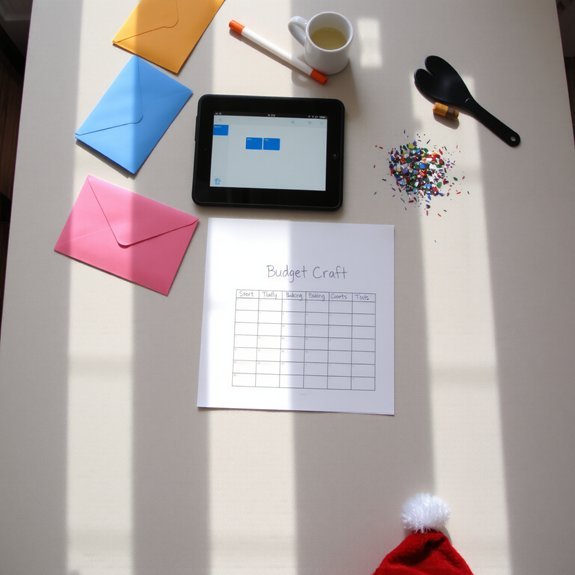
    Three quick rules before you start waving your credit card like it’s mistletoe: set a clear spending cap, slice the season into weekly chunks, and treat time like a commodity—because holiday fun costs money and minutes, not just cheer. I’ll walk you through simple budgeting tips and crisp time management so you don’t end up frazzled or broke.

    Three quick rules before you overspend: set a budget, break the month into weekly plans, and timebox every activity.

    1. Decide a total budget, write it on a sticky, tape it to the fridge.
    2. Break the month into weeks, assign one main activity per week.
    3. Allocate minutes per activity—prep, play, cleanup—set timers.
    4. Keep a small emergency fund for surprise joy, like hot cocoa runs.

    You’ll feel calmer, kids’ll be happier, and your wallet will thank you.

    Mix Low-Prep Traditions With One Big Project

    mix traditions with projects

    You’ll want to sprinkle in everyday, easy traditions—hot cocoa on the couch, a mitten hunt in the hallway—that don’t eat your evening. Then pick one big family project, like a gingerbread village or a neighborhood light walk you all help build, so there’s a shared, messy triumph to brag about. Balance your time and energy, I promise: small wins keep spirits up, the big project makes memories, and you won’t collapse into tinsel.

    Everyday Easy Traditions

    When the calendar starts filling up with school plays and grocery lists, I like to anchor our season with a handful of low-effort rituals and one gloriously over-the-top project we can actually finish before New Year’s—because nothing says holiday cheer like finishing something. You’ll keep joy alive with tiny, daily moments that don’t require a second mortgage. Think family traditions that smell like cinnamon and paper, festive crafts that glitter but don’t guilt-trip you.

    1. Morning cocoa station — marshmallows, a sprinkle jar, tiny spoons.
    2. After-school ornament sketching — five minutes, big imaginations.
    3. Socks-and-story night — fuzzy socks, dramatic voices, one chapter.
    4. Window-cling countdown — sticky, silly, satisfies the kids and your sanity.

    You’ll trade chaos for cozy, with memories, not stress.

    One Big Family Project

    If the season is a marathon, then think of the big project as your victory lap—glorious, slightly embarrassing, and worth every sweaty, glittery step. You pick a project theme, I pick the tape dispenser, and suddenly the living room is a construction site scented with pine and cookie crumbs. Choose project themes that fit ages and attention spans — a homemade nativity, neighborhood light map, or a giant paper chain countdown. You assign roles, they argue about glitter, you bribe with hot chocolate. It’s family bonding with purpose: planning, crafting, laughing at mistakes, keeping that one crooked star because it has personality. Wrap it with a reveal night, candles, and applause; you’ll remember the chaos more than the perfect glue lines.

    Balance Time and Energy

    Think of your holiday calendar like a playlist: a few slow, cozy tracks and one big, drum‑solo moment that everyone remembers. You balance holiday energy by mixing low‑prep rituals — storytime, cocoa stations, a simple ornament craft — with one ambitious project, and you won’t burn out. You use time management like a conductor, tapping the beat, saying, “Five minutes, clean up,” with a wink.

    1. Schedule short, repeatable treats daily, they build warmth.
    2. Pick one big project, block a weekend, invite help.
    3. Prep materials ahead, label bins, set a timer.
    4. Rest night: no plans, dim lights, listen to the kids laugh.

    You keep it doable, joyful, and memorably messy.

    Create a Kid-Friendly Holiday Calendar

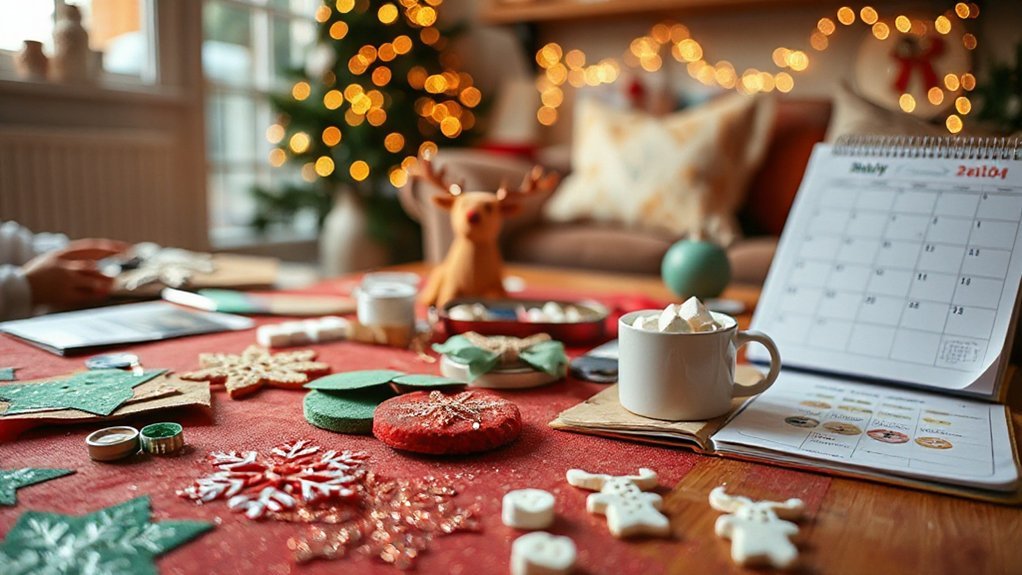
    Because holidays are chaos in glitter form, I’m going to help you tame it with a kid-friendly calendar you’ll actually want to look at — and yes, hang on the fridge without cringing. You pick a bright board, I’ll take the glue gun, and we’ll map two things: doable daily treats and bigger weekend rituals. Slot short activities — story time, holiday crafts bursts, cookie-counting races — into school nights, save bold, noisy stuff for Saturdays. Use color codes, stickers that make kids gasp, and a little checkbox reward system. Tape a pocket for supplies lists and receipts. Talk through the week with your kids, let them choose one take-charge day, then breathe. It’s organized, joyful, and surprisingly forgiving.

    Simple Crafts and DIY Decorations

    Crafts are my secret weapon for turning five minutes of chaos into an actual glittery victory lap, and you’re about to join the ranks. I’ll walk you through quick projects that feel fancy but aren’t. You’ll hear scissors, smell glue, see tiny sequins stuck to the cat. Kids love hands-on wins.

    Crafts turn five frantic minutes into glittery triumphs—messy, proud, hilarious wins the whole family will adore.

    1. Make paper plate ornaments: paint, punch a hole, tie ribbon — instant tree friends.
    2. Fold simple paper snowflakes: teach symmetry, watch jaws drop.
    3. Create holiday greeting cards with fingerprints, stickers, and goofy jokes.
    4. String popcorn and cranberries for rustic garlands, let kids taste-test each kernel (supervised).

    You’ll be messy, proud, and laughing. Keep supplies reachable, set a timer, and celebrate every imperfect masterpiece.

    Baking and Kid-Safe Kitchen Tasks

    If you want holiday chaos to smell like cinnamon instead of panic, get the kids into the kitchen and declare it a safe, sparkly zone — I’ll show you how to hand off real tasks without losing a thumb. I walk you through kitchen safety like a drill sergeant with glitter: wash hands, tie hair, set clear zones for hot pans and sharp knives. Give toddlers cookie cutters and dough, let older kids whisk, measure, and pipe frosting. Choose fun recipes, simple and forgiving, so mistakes become surprises. I narrate steps, praise attempts, correct gently, and keep a fire extinguisher visible because I’m dramatic like that. You’ll end up with warm cookies, sticky countertops, and memories that actually smell like joy.

    Outdoor and Active Holiday Games

    When the cold air bites and the living room feels like a marshmallow oven, take the party outside—I’ll show you how to turn brisk walks into belly-laugh sprints and backyard patches of frost into stadiums of joy. You’ll get kids moving, cheeks rosy, breath like little clouds. I’ll keep it simple, loud, and safe.

    1. Snowball fights: set boundaries, soft targets, and a truce bell—no icicle ambushes.
    2. Reindeer relay races: balance ornaments on spoons, tag the next elf.
    3. Holiday scavenger hunt: clues, sleigh-track maps, and crunchy leaf prizes.
    4. Frozen obstacle course: leap puddles, weave cones, finish with cocoa.

    You’ll supervise, cheer, and occasionally trip—showing them how to fall with flair.

    Quiet Time: Stories, Music, and Movie Nights

    Soft blankets, low lights, and the smell of popcorn mean it’s time to slow the holiday roar and cozy up—I’ll show you how to make quiet evenings feel like an event instead of a last-minute email. You pick a pile of picture books, I’ll do a fire-voice for story time, kids on laps, marshmallow sighs, everyone listening like pirates to treasure. Add holiday music low in the background, a playlist that sneaks in classics and goofy jingles, and suddenly even socks feel festive. Plan a movie marathon with short films first, then a feature, intersperse hot cocoa breaks and whisper awards — best snorer, best blanket burrito. Keep it flexible, keep it warm, and pretend you scripted the whole adorable evening.

    Let Kids Help Plan and Lead Activities

    You can hand the clipboard to your kid and watch them beam, because letting them choose snacks, songs, or the next game makes everything feel special. Give them a leadership role—party planner, chief cookie decorator, or DJ—and let them call the shots for a while, even if they pick wonky song mixes or insist on three rounds of freeze dance. I’ll cheer from the sidelines, pretending I’m not secretly thrilled they picked the weird stuff, while you enjoy fewer decisions and louder laughter.

    Let Them Choose

    A few simple choices can turn your living room into a command center of holiday chaos—and I mean that in the best way. I let you loosen the reins, hand over creative freedom, and watch tiny dictators stage glitter revolutions, all while you honor family preferences without nagging. You’ll be surprised how proud they are.

    1. Let them pick the playlist — goofy carols or classic croons.
    2. Give a menu of crafts — ornaments, cards, cookie-decorating.
    3. Offer time slots — five, fifteen, or thirty minutes per station.
    4. Let them vote on prizes — stickers, extra cocoa, or a silly hat.

    You’ll hear giggles, see flour-covered noses, and get honest, ecstatic approval — that’s the plan.

    Give Leadership Roles

    Three quick roles can change your whole holiday vibe: director, timer, and snack commissioner — and yes, I let my six-year-old boss the cookie station like it’s Broadway. You hand over clipboards, whistles, or a glittery hat, and suddenly everyone’s onstage. Give kids the director job to call cues, the timer to keep things zipping, and the snack commissioner to patrol crumbs with authority. This turns cuteness into team building, teaches clear commands, and makes responsibility sharing feel like a game. I whisper coaching, they roar decisions, and we all laugh when the timer screams mid-carol. Let them plan a craft, lead a game, or haggle snack swaps. You’ll get fewer meltdowns, more pride, and hilarious, heartfelt chaos.

    Conclusion

    You’ve got this. I’ll be blunt: pick age‑right stuff, stash a reasonable budget, and don’t overcomplicate the glitter. I remember hanging tinsel like it was 1820 and looking very pleased—don’t ask. Let kids choose one big project, sprinkle in easy daily rituals, and hand out tiny roles so they feel proud. Keep snacks ready, tunes warm, and the camera on. You’ll make memories, laugh, and survive the chaos with style.

  • How Do I Plan a Christmas Dinner Menu

    How Do I Plan a Christmas Dinner Menu

    Pick a show-stopping main, like a crispy-skinned roast or a lacquered ham, and watch the rest of the table fall into place; you’ll want contrasting sides, a snackable appetizer, and a dessert everyone can agree on — plus a plan so you’re not boiling potatoes at midnight. I’ll walk you through mains, sides, make-ahead tricks, and dietary swaps, and I’ll give a realistic timeline that keeps your oven sane and your guests impressed — but first, tell me who’s coming.

    Key Takeaways

    • Choose a standout main dish (roast, ham, or vegetarian centerpiece) and plan cooking/resting time first.
    • Build balanced sides: one comforting starch, one green vegetable, one sweet-salty element, and a bright acidic note.
    • Accommodate dietary restrictions by offering labeled gluten-free and vegan alternatives and checking guest allergies ahead.
    • Schedule a prep timeline, batching make-ahead tasks and shopping by store section to reduce last-minute stress.
    • Round out the menu with bold appetizers and a make-ahead dessert that can be finished just before serving.

    Choosing the Main Dish

    main dish sets tone

    If you want the table to feel like a homecoming, start with the main dish — I always say it’s the party’s spine, and you’ll notice if it’s wobbly. You pick the centerpiece, you set the tone. I’ll nudge you toward balancing traditional options, like roast turkey or glazed ham, with a wink for ambition. Think aroma—herbs, butter, sizzling skin—that pulls people from the sofa. Don’t be shy, try unique flavors if the crowd’s ready: citrus, spice rubs, or a miso glaze, they sing. You’ll test timing, tent foil, baste once, rest properly. Talk to guests, ask allergies, stash a plan B. You’ll own the room when the platter hits the table, I promise, even if you fumble the carving.

    Building a Balanced Side Dish Selection

    balanced seasonal side dishes

    While the main dish grabs the spotlight, you build the holiday story with the sides — I’ll show you how to make them sing without sounding like a marching band, promise. Start with seasonal vegetables, roasted or glazed, their color and aroma doing half the work. Pair a creamy potato or gratin with a crisp green, add a bright citrus or vinegar note to cut richness. Think texture: velvet, crunch, silky. Aim for flavor balance across the table, not identical taste twins. Pick one comforting starch, one green veggie, one sweet-salty element, and one punchy herb or acid. Taste as you go, adjust salt, add butter or lemon. Keep portions smart; let each side speak clearly, you’re the conductor, not a blender.

    Planning Appetizers and Snacks

    bold bites start celebration

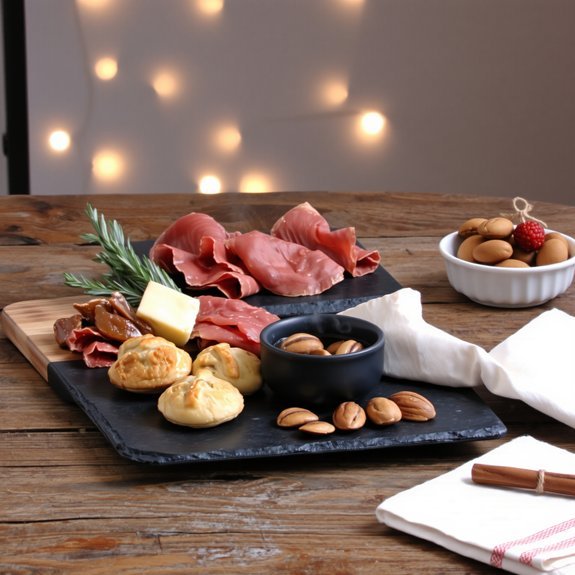
    Appetizers are your opening act, and I’m not talking tiny, sad crackers — I mean bold little bites that wake up taste buds and start the party before the turkey even clears its throat. You’ll build a cheery spread: a cheese platter glows with jam and nuts, a charcuterie board offers salami curls and mustard dots, and veggie skewers march bright and crunchy. Lay out festive dips — tangy, creamy, herby — next to holiday nuts for munching. Toss spiced popcorn into bowls for casual crunch, arrange shrimp cocktail on ice with lemon, and thread fruit kabobs for a sweet palette-cleanse. Pop mini quiches and savory pastries warm from the oven. You’re setting tone, pacing, and appetite—mic-drop.

    Dessert Ideas and Make-Ahead Options

    You’ll want to stick with crowd-pleasing classics — think warm apple pie, glossy chocolate yule log, and a showstopping crème brûlée that makes people gasp, not groan. I’ll walk you through smart make-ahead moves, like baking pies a day early, chilling mousse in individual cups, and stashing spare cakes in the freezer for emergency guests. Trust me, a well-timed freeze-and-thaw plan saves your sanity and makes dessert feel effortless, even when you’re juggling gravy and small talk.

    Crowd-Pleasing Classic Desserts

    If dessert is the grand finale, then consider me your slightly frazzled but fiercely loyal conductor — I’ll help you hit every sweet note without setting the oven on fire. You’ll want a trio: silky chocolate mousse, classic pumpkin pie, and a crisp apple tart. I guide you through texture—mousse that melts, pie with a whisper-thin crust, tart that snaps—and flavor—bittersweet cocoa, warm spice, bright fruit. Serve mousse in small glasses, top with whipped cream and shaved chocolate; cut pie into generous wedges, dust with cinnamon; warm tart slices, present on rustic plates. You’ll hear pleased murmurs, maybe gasps. I’ll joke about my flour-covered apron, you’ll take bows. Simple, timeless, impossible to dislike.

    Make-Ahead Dessert Strategies

    Want to save yourself from last-minute dessert chaos? I’ve got your back, and you’ll thank me later. Plan desserts that can sit pretty, chilled or room-temp, so dessert storage won’t become a panic scene. Think make-ahead trifles in clear jars, spiced cakes brushed with syrup, and citrus curds tucked in airtight dishes. Label everything, stack smartly, and cool fully before sealing — condensation is a sneaky enemy. Preserve festive flavors by adding finishing touches just before serving: whipped cream, candied zest, a dusting of cocoa. You’ll feel smug, I promise. Set a simple timeline, move tasks to quiet afternoons, and let the oven nap while you sip something warm. Dessert wins, you relax, applause optional.

    Freezer-Friendly Sweet Options

    A handful of desserts survive the freezer like champs — and so will your holiday sanity. You’ll thank me when you pull out perfect freezer friendly cakes, still moist, their frosting slightly glossy, aroma of butter and vanilla waking the kitchen. Slice, plate, serve like a magician. Freeze holiday cookie dough in logs, slice, bake straight from frozen, and pretend you had extra hands. I stash pies, bars, and individual cheesecakes; label, date, and whisper a victory cheer. Texture matters, so wrap tight, use sturdy containers, and thaw in the fridge overnight for best bite. You’ll practice neat slicing, hear guests murmur, and feel smug; it’s the small, delicious win that saves the evening.

    Accommodating Dietary Restrictions and Preferences

    How do you feed a merry crowd without starting a civil war over the cranberry sauce? You check labels, ask guests, and plan like a culinary diplomat. I scope out gluten free options for sides and gravy, swap breadcrumbs for ground nuts, and toast spices so everyone still smells like holiday. I keep vegan alternatives ready — a rich mushroom Wellington, buttery-tasting mashed potatoes made with olive oil and garlic, and a nut roast that surprises even carnivores. I label dishes clearly, with tiny flags or chalkboard cards, and set up a separate warming tray so cross-contact stays fictional. I taste everything, twice, adjusting salt and acid, because kindness shows up as flavor. You’ll keep peace, and eat well.

    Creating a Realistic Cooking Timeline

    Once you’ve decided the menu, you’ve already won half the battle, so now we schedule the rest like it’s a military parade that smells like rosemary and butter. I tell you, timing makes the feast. Lay out a cooking order by heat source, oven rack, and dish urgency. Write a timeline backward from serving, block slots for roasting, resting, and reheating. Mix hands-on tasks with passive ones, so you’re not babysitting gravy while yams burn. I’ll talk you through stovetop jumps, oven swaps, and when to enlist helpers for garnish duty. Keep a clock in view, use timers, and accept that plans flex. Good time management makes dinner calm, plates hot, and you, surprisingly, smug — with minimal smoke alarm drama.

    Serving, Presentation, and Table Setting Tips

    Okay, here’s where the fun starts: you’ll pick a centerpiece that smells like Christmas — think pine, oranges, and a candle or two — so the table looks and smells inviting before anyone sits. I’ll show you how to place plates, forks, and glasses so guests don’t play musical chairs with their cutlery, and you’ll learn the small touches that make food feel fancier than it actually is. Trust me, a well-set table makes even my slightly burnt roast look intentional, and your guests will notice.

    Table Centerpiece Ideas

    If you want your Christmas table to look like you actually planned it (and not like it was attacked by a craft store at midnight), start with the centerpiece—it’s the table’s opening act, not just a decorative afterthought. I like holiday florals mixed with evergreens, they smell like winter and cue nostalgia; add festive candles for warmth, watch shadows dance, nobody judges melted wax. Keep scale low so conversation flows, and pick one focal texture.

    • A low runner of pine, berries, and mini poinsettias, sprinkle faux snow for crunch under lights.
    • Glass hurricane with a pillar candle, surround with citrus slices, they smell divine.
    • Cluster small votives in varied heights, mirror tray underneath for sparkle.
    • A bowl of ornaments and eucalyptus, simple, chic, aromatic.

    Plate, Glassware Placement

    Three simple rules will save your table from chaos: plate the wrong thing, and napkins will mutiny; place glasses haphazardly, and elbows will stage a coup. I tell you this because I’ve learned the hard way, I’ve knocked over gravy, I’ve apologized to Aunt June. Arrange plates with purpose: charger, dinner plate, salad on top if you’re doing courses, or stack for casual service. Plate arrangement guides flow, keeps fingers clean, makes food look like it belongs on Instagram. Know your glassware types—water, white, red, and a champagne flute—place them right of the knife, staggered diagonally. Napkin to the left or atop the plate. Keep spacing comfortable, about two fingers between settings. Sit back, serve with a grin.

    Grocery Shopping and Prep Checklist

    Because nothing ruins the holiday buzz like realizing halfway through gravy that you forgot the butter, start this grocery and prep checklist now—I’m serious, your future self will thank you. I walk you through a grocery list that’s organized by store section, and a clear preparation timeline so you’re not juggling ten pots like a circus act. Smell the rosemary, feel the cool produce, picture labels stacked on the counter. Do the big buys early, chill the drinks, and chop what you can two days ahead.

    • Inventory pantry, fridge, and freezer; toss expired items.
    • Write the grocery list by recipe, then consolidate duplicates.
    • Schedule cooking steps on your preparation timeline, hour by hour.
    • Prep, label, and store in clear containers for easy reheating.

    Budget-Friendly Swaps and Simplifications

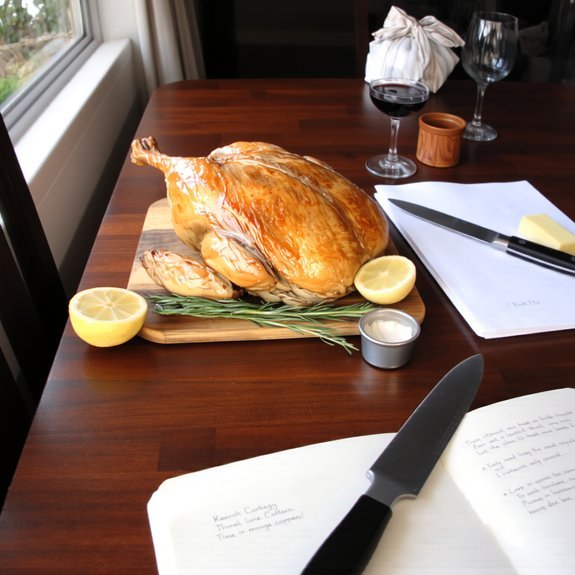
    You’ve already done the boring but brilliant work — checked the pantry, chopped ahead, labeled like a slightly obsessive person — so now let’s make this feast kinder to your wallet without sacrificing any of the sparkle. Swap pricier cuts for a butter-basted roast chicken, keep juices, crisp skin, applause. Use budget friendly substitutions: canned pumpkin for fresh in pies, Greek yogurt for sour cream, and frozen green beans for fresh—same snap after you steam and toss with garlic. Simple ingredient swaps save cash and time, they don’t scream cheap, they sing clever. Roast potatoes with olive oil and rosemary, toast breadcrumbs instead of store-bought croutons, brown sugar in place of maple. You’ll feed more, stress less, and still get standing ovations.

    Conclusion

    Think of your dinner as a cozy hearth: you’re the careful gardener, planting a bold main, tending sides like bright herbs, and harvesting laughter. You’ll stir, taste, adjust, and forgive the occasional singed edge — I promise, it’s part of the recipe. You’ll set a table that smells of spice and citrus, hand out warm plates, and watch strangers become family. So breathe, prep a list, and cook like someone’s already saving you the last slice.

  • How Do I Make a Holiday Wish List

    How Do I Make a Holiday Wish List

    Let’s call it “strategic wishful thinking” instead of begging, because dignity matters; you’ll jot down things that actually make life better, not random impulse junk. Picture your cozy chair, mug steaming, phone on silent—ask what you want for comfort, hobby, or practicality, note sizes and colors, and rank items as essentials or nice-to-haves; I’ll show you how to make it painless and useful, so you stop guessing and start getting—but first, pick your top three.

    Key Takeaways

    • Start by noting sensory joys, hobbies, and practical needs to generate genuine gift ideas.
    • Organize items into categories: essentials, must-haves, nice-to-haves, and experiences.
    • Prioritize one standout item and roughly label price ranges for each gift.
    • Add specific details (size, color, model, retailer, delivery times) to make purchasing easy.
    • Share the list casually with links or QR codes, include favorites, budgets, and alternative experience options.

    Why a Thoughtful Wish List Helps Everyone

    thoughtful gift giving made easy

    If you want gift-giving to feel less like a chaotic scavenger hunt and more like a warm dinner with good friends, start with a thoughtful wish list. You’ll nail thoughtful gifting when you jot down things that smell like you—favorite coffee, a battered novel, a cozy throw—and note why they matter. I’ll tell you, people love concrete clues, not vague hints. You’ll save time, dodge awkward returns, and keep wallets calm. It’s subtle relationship building, too: you show you listen, they feel seen. Picture wrapping paper rustling, a laugh, a sincere “how’d you know?” That moment’s worth the effort. Make a short, honest list, share it, and let holiday joy do the rest.

    How to Brainstorm Gift Ideas That Fit Your Life

    sensory pleasure gift brainstorming

    Because you live your life one small sensory pleasure at a time, brainstorming gifts that actually fit you means paying attention like a generous detective. I tell you to keep a pocket notebook, or your phone notes app, and jot textures, scents, sounds that make you grin—warm wool, citrus soap, a crisp podcast intro. Notice seasonal trends in stores and feeds, but filter them through your personal interests: gardening, late-night baking, trail-running playlists. Say out loud what you’d use, don’t whisper it like a guilty secret. Walk your apartment, open drawers, sniff a sweater, taste a spoonful of jam, and ask, “Would this brighten a Tuesday?” You’ll collect real clues, not just fashionable noise, and laugh at how obvious some gifts become.

    Organizing Priorities: Must-Haves, Nice-to-Haves, and Experiences

    organize holiday priorities creatively

    You’ve collected clues like a cheerful private eye — the wool that smells like campfires, the jam that stains your thumb, the podcast that gives you goosebumps — now let’s make sense of the haul. Split the list into holiday essentials, must-haves you won’t stop thinking about, and nice-to-haves that’d be fun, but aren’t life-or-death. Toss in a third column for experiences: a rain-soaked concert, a cooking class that smells like garlic, a sunrise hike with hot chocolate. I keep my personal favorites front and center, with one dramatic “if I could only pick one” at the top. Label prices roughly, mark what excites you, and highlight things you’d actually use. Be honest, be picky, and have a little fun.

    Including Details That Make Gifts Easy to Buy

    When I want someone to actually buy a gift, I stop daydreaming and get concrete — measurements, colors, sizes, links, and the one brand that didn’t make me cry when I tried it on. You jot sleeve length, waist inches, and the exact shade of green that makes your skin sing. Group items by gift categories, so Uncle knows to pick tools, not kitchen gadgets. Note preferred retailers, shipping times, and a fallback color for safety. Mention seasonal trends, like chunky scarves for winter or breathable linens for summer, so buyers don’t grab last year’s vibe. Add a quick “why I want it” line — scent memories, commute upgrade, epic snack obsession. Be specific, kind, and a little bossy; it helps.

    Sharing Your List Politely and Effectively

    How do you share a wish list without sounding like a bossy elf or a smug online influencer? I’d say, start casual. Send a short note, attach the list, mention why a few items light you up, and add a gentle line about budgets. Use sharing tips like QR codes or a simple wishlist link, so people don’t hunt. Say “no pressure” out loud, mean it, and offer alternatives—experiences, homemade coupons, or charity donations. Drop polite reminders a week before shopping, brief and upbeat, like a friendly nudge at a coffee shop. When someone asks, tell a quick story about an item, the color, the smell, the sound it makes. That’s human, helpful, and way less awkward than silence.

    Conclusion

    You’ve sketched, sorted, and specified; now share. I’ll say it plainly: a precise, practical list spares guesswork and spares awkward returns. Tell people your top treasures, tag sizes and colors, add a backup experience, and whisper a charitable option for the generous. Lean into clear categories, concise details, and a little humor — it helps. Give them guidance, keep it gracious, and enjoy the gift of less stress and more satisfying surprises.