Tag: holiday stress

  • How Do I Take Care of My Mental Health During the Holidays

    How Do I Take Care of My Mental Health During the Holidays

    Last year, my cousin ditched a frantic dinner to sit in his car and breathe for ten minutes—best decision he made all season. You can do the same: set tiny limits, say no without guilt, and carry a pocket plan for exits, snacks, and quiet breaths; the house lights, casseroles, and opinions will survive, you might even enjoy parts of it, and there’s a smart, simple way to keep your sanity if you stick with a few small rules…

    Key Takeaways

    • Set realistic expectations and simplify plans to reduce pressure and accept imperfections.
    • Communicate and enforce clear boundaries about behaviors, time, and topics with family and friends.
    • Maintain daily routines, sleep hygiene, and small self-care rituals to stabilize mood.
    • Reach out for support, ask for specific help, and allow grief or mixed emotions to be present.
    • Limit alcohol and social media, use grounding practices, and schedule breaks to reset.

    Manage Expectations and Let Go of Perfection
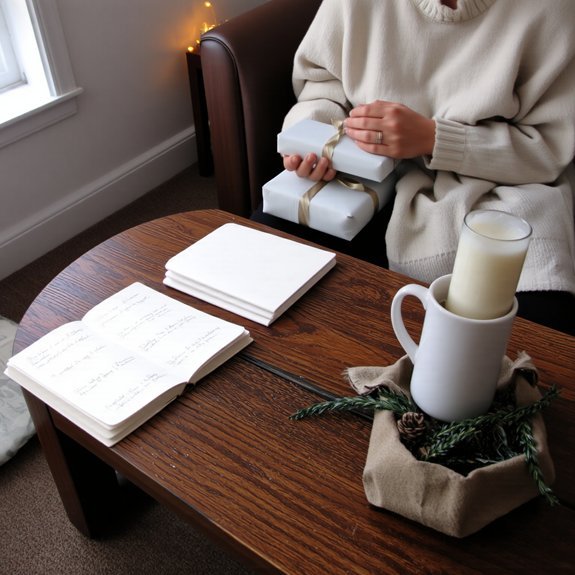
    embrace holiday imperfections joyfully

    If you expect the holiday to look like a glossy magazine spread, you’re already setting yourself up — I know, I’ve fallen for that trap more times than I’d like to admit. You’ll feel less crushed if you set realistic goals, like one perfect cookie batch, not an edible art exhibit. I tell you this while juggling a mug and a playlist gone rogue. Embrace imperfections: welcome lopsided cookies, mismatched napkins, and a tree that tilts like it’s whispering secrets. Say aloud, “This is enough,” then breathe in cinnamon and late-night laughter. Take small actions: simplify the menu, delegate one task, mute comparison on social feeds. You’ll notice relief, a cozy lightness, and yes, real joy hiding in the mess.

    Set Clear Boundaries With Family and Friends

    set boundaries prioritize peace

    I’ll tell you straight: decide what you will and won’t tolerate this season, whether it’s late-night calls, political rants at dinner, or surprise drop-ins. Say it out loud early—text, call, or announce it over coffee—so people know the score before grievances pile up like unwashed dishes. If someone crosses the line, enforce a calm consequence, step away, and breathe, because your peace matters more than keeping everyone comfortable.

    Define Your Limits

    When the doorbell rings and Aunt Marge breezes in smelling like peppermint and unsolicited advice, you don’t have to swallow every comment like it’s dessert you didn’t order. I’ll tell you this: know your limits before you step inside. Use simple self reflection techniques, five-minute pauses, or emotional check ins to gauge energy and patience. Notice physical signs — jaw tight, shoulders up — and act. Excuse yourself for fresh air, take a brisk walk, sip something grounding, or move to a quieter room where silence is legal. Practice a short, firm line you can say without apology. You’ll feel less like a pinball and more like a human with choices. Set limits, keep your cool, and enjoy the good parts.

    Communicate Expectations Early

    Because I’ve learned the hard way that silence is a conversation starter for relatives, I tell people what I expect before the eggnog even hits the table. I text the host, I call my sibling, I say, “I need quiet time after dessert,” so there are no surprises, and no passive-aggressive pie plates. You can do the same: practice setting priorities, name what matters to you, and offer simple swaps—earlier arrival, shorter stay, or a kid-free trivia round. Say how you’ll handle triggers, discussing feelings in plain terms, not sermons. Use humor, add a sensory detail—”I’ll be the one by the window with cinnamon coffee”—and keep it brief. Early clarity reduces drama, protects your calm, and keeps the cookies.

    Enforce Consequences Calmly

    You told people what you need, you set the table with expectations, now it’s time to mean it—calmly. I watch the room, I breathe, you watch too, and you stay steady. Consequences awareness matters; decide in advance what you’ll do if a boundary’s crossed. Say it once, with a smile that isn’t weak. “If you keep teasing, I’ll step outside for air,” you say, and mean it.

    Keep calm responses ready, short and firm. Walk out, mute the group chat, leave after dessert — concrete actions, sensory anchors: the cold air, the click of the door, the hum easing. You’re not mean, you’re consistent. People notice clarity, even if they gripe. You protect your peace, with style and a soft, stubborn heart.

    Maintain Routines and Prioritize Self-Care
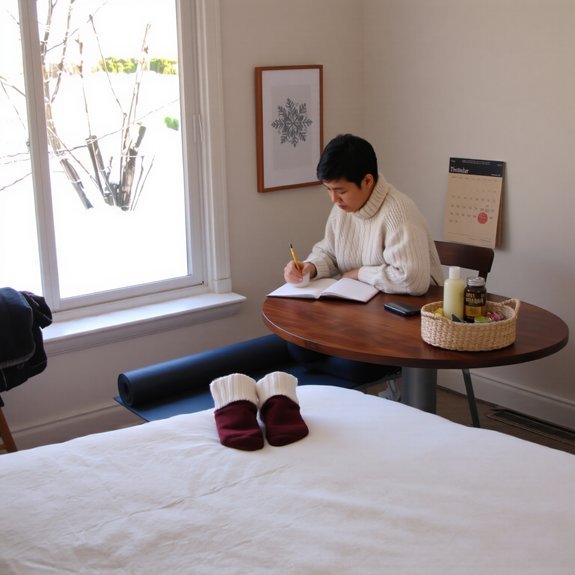
    maintain daily self care routines

    Even with snow on the windowsill and my calendar packed like a sardine tin, I stick to the little rhythms that keep me human: morning coffee that smells like victory, a ten-minute stretch that loosens the shoulders, and a short walk that forces me outside to greet the cold air and rude pigeons. You’ll do the same, because routines anchor you, they stop the holidays from steamrolling your mood. Build in mindful moments, set alarms for daily check ins with yourself, and treat them like nonnegotiable meetings. Wash your face, drink water, chew something crunchy, and breathe. Say no early, say yes to naps, and laugh at your own tired jokes. Small, repeated acts keep you steady — and that’s the point.

    Plan for Social Situations and Exits

    If a room full of distant relatives and holiday casseroles makes your chest tighten, plan an exit like it’s an essential errand—you’ll thank me later. I watch faces, read social cues, pretend to admire a fruitcake, and time my departure. You can text a friend “timed rescue,” schedule a dog walk, or claim you forgot lasagna in the oven — be dramatic, not cruel. Memorize two polite lines: a compliment, a nod to feeling wiped, then go. Have exit strategies: bathroom break, phone call, or prearranged signal with an ally. Breathe the cold air outside, count to ten, sip something warm, reset. You’ll return when you want, or not at all, and that’s perfectly okay.

    Find Support and Reach Out When You Need It

    Where do you go when the holiday noise finally presses so close it feels like someone turned up the TV in your skull? You don’t have to tough it out. Reach for your support networks, even if it’s just a text, a knock, or a ridiculous GIF that says “help.” Saying you need a break is brave, not dramatic.

    When the holiday noise gets loud, ask for help — even a text, knock, or silly GIF will do.

    • Call one person who gets you, say “Can we talk?”
    • Send a group message, ask for company or a quick walk
    • Look up local resources, hotlines, or online groups for seeking help

    I’ll be blunt: people often want to help, they just need to be asked. Offer a specific ask, set a short plan, breathe, and let someone in. You’re allowed to need others.

    Create New Traditions and Honor Your Feelings

    You can start small — light a new candle scent, make a single favorite recipe, or schedule a quick video call so everyone can pass around bad jokes and holiday cookies on camera. I’ll tell you straight: include loved ones virtually when you need to, and give yourself permission to feel sad, silly, or anything in between, no guilt allowed. Try one tiny new ritual, notice how it tastes and sounds and feels, and adjust it as you go — grief and change don’t obey a schedule.

    Start Small, Meaningful

    When the usual holiday hype feels like a loud, glittery parade you didn’t sign up for, start small and do something that actually fits your life—no grand declarations, just tiny rituals that smell like cinnamon and feel like permission. You don’t need an epic overhaul, just a few mindful moments, a quick gratitude practice, and something that makes you grin without guilt. Try these low-effort, high-warmth ideas:

    • Brew a single special cup of tea, sit by the window, notice the steam, name one good thing, breathe.
    • Write a two-line note to yourself on a sticky, tuck it in your wallet, read it when stress knocks.
    • Light a candle, play one song, dance like you own the room—awkwardness included.

    Include Loved Ones Virtually

    If the idea of a full house feels like a sitcom you didn’t audition for, I lean into video calls and intentional little rituals that actually mean something, not just screen time for the sake of it. You set up a cozy spot, string a tiny light, pour something warm, and everyone brings one song, one memory, one ridiculous holiday sweater. Virtual gatherings become real moments — you hear laughter echo, see crumbs on a grandparent’s shirt, taste your own cocoa while they describe theirs. Try short online games, a sleepy gift unboxing, or shared recipe-cookalongs. You lead with patience, wink at camera freezes, and invent new traditions that honor distance, feeling, and the messy, tender joy of being together apart.

    Allow Grief and Adjustment

    Because grief doesn’t RSVP, let it sit at the table with its weird fork and awkward stories, and don’t pretend it’s a bad casserole you can hide under a towel. You’ll feel odd, that’s normal. You’ll ache, then laugh, then stare at a string of lights like it knows secrets. Try grief acceptance, it’s not surrender, it’s making room.

    • Rename a ritual: light a candle, toast the quiet, play one song that makes you smile.
    • Build a tiny tradition: bake one familiar cookie, leave a chair, call someone who remembers.
    • Give yourself limits: two hours of nostalgia, then switch to a task that grounds you, like washing dishes.

    You’re allowed messy feelings, and gentle choices aid emotional healing.

    Limit Alcohol, Sleep Disruption, and Media Overload

    Alas, the holidays bring more than sugar cookies and cozy lights — they also bring late-night drinks, frayed sleep, and a relentless feed of other people’s highlight reels, and that trio will wreck your mood faster than Aunt Karen’s fruitcake. You can choose mindful drinking, set a limit, swap sparkling water with lime, and keep your wit intact. Protect sleep hygiene: dim lights, black-out curtains, and a 30-minute wind-down, no screens in bed — yes, you’ll survive without midnight scrolling. Try a media detox for 24–48 hours, exile the comparison spiral, and notice calmer breathing. I’ll admit, I cave sometimes, but these moves build emotional resilience. Small rituals, clear boundaries, and better mornings beat holiday chaos, every time.

    Conclusion

    I’ll tell you a quick story: last year I burned the roast, cried, then laughed—like a tiny fireworks show of chaos—and realized holidays don’t need perfect gold ribbons. You can feel tired and still show up, set limits, and breathe through awkward dinners. Use routines, pick one calming ritual, and text a friend when you need backup. Treat your heart like a fragile ornament: handle gently, skip comparisons, and keep the lights—soft, steady—on.

  • How Do I Deal With Holiday Family Drama

    How Do I Deal With Holiday Family Drama

    About 70% of people report stress around holiday family gatherings, so you’re not alone — and that’s both comforting and terrifying. I’ll tell you how to walk in calm, set a boundary without sounding like a sitcom villain, deflect Aunt Linda’s political zingers with a joke and an exit plan, and use a pocket-sized grounding trick when your chest tightens; picture the lemony dish soap smell from the kitchen, breathe out, and keep one conversation safe — but first, let me show you a quick script that actually works.

    Key Takeaways

    • Prepare mentally with deep breaths, positive affirmations, and a calm, steady mindset before arriving.
    • Set clear boundaries using brief, assertive statements and repeat them calmly if challenged.
    • Redirect tense topics with light pivots like family stories, traditions, or neutral questions.
    • Use discreet escape plans and code words with a trusted ally for a quick, graceful exit.
    • Manage emotions by pausing, grounding with breath or sensory cues, and excusing yourself to reset.

    Prepare Yourself Mentally Before You Walk In

    prepare mentally for gatherings

    If you want the evening to survive your relatives intact, get your head in the right place before you cross the threshold. I tell you this like a friend who’s been kicked out of enough dinners to have a loyalty card. You sit in the car, breathe, and do a quick mindful meditation — five deep breaths, feel the cold air, count to four — and you’ll notice your shoulders drop. Say a few positive affirmations out loud, awkwardly if you must: “I’m calm, I’m kind, I’ll leave if I need to.” Picture the couch, the smell of gravy, the chatter, and give yourself permission to enjoy small things. You’ll walk in steadier, less reactive, ready to steer the night with a smirk.

    Set Clear Boundaries Without Sounding Hostile

    set boundaries with calmness

    When you walk in, plant yourself like a nice, unmovable fern by the snack table and decide what you will and won’t tolerate — quietly, firmly, without announcing it like a court summons. I keep it simple, I breathe, I scan the room for trouble and for the chocolate. Use assertive communication: short statements, calm tone, eye contact. Say, “I don’t discuss politics today,” or, “Please don’t comment on my choices,” as tidy boundary examples. You’ll sound human, not hostile. Offer alternatives—“Let’s talk movies instead”—and mean it. Move, refill a plate, smile through the waffle-iron small talk. If someone pushes, repeat your line, slower. It’s boring to argue with a fern, and suddenly everyone leaves you alone.

    Redirect Conversations Gracefully

    redirect with playful anecdotes

    You’ve got your fern stance down, breath steady, plate full of compromise—now let’s steer the conversation away from the political pothole without sounding like a broom. I tell you, smile like you mean it, nod, then drop a harmless pivot: “Oh, speaking of traditions, remember Aunt June’s weird pie ritual?” That little nudge swaps political topics for cozy family traditions, and people snag the thread. Use a vivid hook, mention smells, laughter, a clumsy kid with gravy on their chin. Offer a short story, a question, or a silly rule: “Whoever burns the rolls buys coffee.” Speak plainly, keep tone light, be quicker than the argument, and don’t sound superior. You’re guiding, not policing, and that’s persuasive.

    Use Exit Plans and Safe Signals

    You’ll want a quick, agreed escape plan — a code word, a fake call, or a pretext that gets you out the door without a scene. I’ll say it plain: pick a discreet safety signal with your partner or friend, a subtle touch or phrase that tells them you need backup, no shouting required. Imagine this — you squeeze a shoulder, they flash the car keys, and you both make the graceful exit like seasoned holiday spies.

    Quick, Agreed Escape

    If things start to smell like a passive-aggressive casserole, you need an exit plan—and I swear, it’s not cowardice, it’s survival. I tell you, map a quick getaway before dessert, so when voices climb and knives metaphorically flash, you can slip out like a ninja with casserole on your sleeve. Agree on an escape plan with a sympathetic ally, rehearse a believable excuse, and keep your phone charged.

    1. Say “I promised to drop off pies,” then actually leave.
    2. Text code words to a partner for timing.
    3. Keep keys in your hand, coat ready, shoes near the door.
    4. Have a parked-car moment: breathe, laugh at yourself, drive away.

    Discreet Safety Signals

    Wondering how to bail gracefully without staging a soap-opera exit? I’ve got a playbook. Pick a code phrase with your ally — “time for pie” or “runner needs air” — then practice. Use body language cues: a palm up, a tilt of the chin, a slow glance at the door. They’re visual, clean, impossible to mishear. Pair those subtle gestures with a planned excuse, something believable and quick, like a call or a sudden errand. When drama spikes, deliver the line, touch the arm lightly, and move. You’ll feel clever, slightly sneaky, and relieved. It’s humane. You avoid fireworks, preserve faces, and get home with your sanity intact — bonus: you’ll get pie.

    Manage Your Emotional Reactions in the Moment

    Okay, breathe — you’ve got this, even if Uncle Joe’s comment lands like a cold splash. Pause before you fire back, press your feet into the floor, name three things you can see, and tell yourself a one-line truth; it’s okay to say, “I need two minutes,” then stand up and reset the scene. Short boundaries work: “I won’t discuss politics,” said calmly, then shift to dessert or the coat rack, no drama, just you steering the ship.

    Pause Before Responding

    Because holiday conversations can flip from cozy to combustible in a single casserole dish passing, you’ve got to learn to pause before you reply. I tell you—take a beat. Feel your chest, try mindful breathing, and lean into active listening like your social life depends on it. Don’t mouth off mid-chew.

    1. Count to three, slow breaths, notice temperature in your throat.
    2. Repeat the last neutral phrase they said, mirror tone, steady hands on cup.
    3. Ask one calm question, buy time, watch eyes soften, cookie crumbs forgotten.
    4. Excuse yourself briefly if needed—air, hallway, sink—reset your posture, straighten a napkin.

    You’ll look less volatile, sound less defensive, and keep holiday peace, mostly.

    Use Grounding Techniques

    Pausing helps, but sometimes that three-count isn’t enough—your stomach’s doing backflips and your jaw’s clenched like you swallowed a small, angry violin. I tell you this because grounding beats spiraling. Use mindful breathing: inhale four, hold two, exhale six, feel the air cool your throat, count quietly, repeat. Name five things you see, four you touch, three you hear, two you smell, one you taste. Sensory awareness drags you back to now, away from imagined feuds. Press your feet into the floor, feel the carpet grit, wiggle your toes like a stubborn toddler. Sip water, note its warmth. Say a short, neutral sentence under your breath. You’ll come back calm enough to choose your next move, not react.

    Set Short Boundaries

    If your cousin starts lecturing you about your life choices, you don’t have to swallow it like a whole lemon—set a short boundary instead. I tell you, blunt and kind, that you’ll listen later, or you’ll step outside for air, or you’ll change the subject, and you mean it. Short boundaries are immediate, tiny shields. They’re practical self care strategies you can use without drama.

    1. Say, “I’m not discussing this now,” then sip your drink and breathe.
    2. Walk to the kitchen, grab a cookie, reset your mood.
    3. Use a timer: five minutes away, then return calm.
    4. Offer a redirect: “Tell me about your trip,” or hand over the conversation.

    These boundary examples keep you steady, human, and in charge.

    Repair Relationships After Tense Encounters

    You’ll want to tackle the fallout fast, like wiping cranberry sauce off your sleeve before it sets—awkward, sticky, and oddly permanent if you let it dry; I speak from experience. You breathe, count to five, then text a simple invitation: coffee, a walk, apology if needed. Say you’re sorry for what you did, or for what happened, without a lecture, without making them guess. Offer specifics, aim for mending fences, and mean it. Ask one question, listen like it’s oxygen, then mirror back their feeling. Suggest small steps to rebuilding trust—short meetups, clear promises, follow-through. Expect stumbles, laugh at your own clumsy attempts, and keep showing up, slowly patching the tear until it holds.

    Conclusion

    You’ll survive this—promise. Prep with a five-minute breath, set one firm boundary, and have your escape phrase ready (“Soup’s cold!”). Remember, 70% of people report holiday stress, so you’re not dramatic, you’re human. I’ll nudge you to redirect with a joke, breathe into your feet when voices rise, and text your ally for a “rescue” ride. Go in hungry for pie, not arguments, and come out proud you kept your cool.

  • How Do I Practice Self-Care During the Holidays

    How Do I Practice Self-Care During the Holidays

    Breathe, rest, say no—repeat. You’re juggling lights, family drama, and a to-do list that mocks you, so let’s pick three small defenses: nap like it’s tactical, set one firm boundary (“I leave by 9”), and trade baking for a store-bought pie once in a while — people survive. I’ll show quick breathing tricks, simple scripts to use with relatives, and a tiny nightly ritual that actually helps; stick around and you’ll get through this with your humor intact.

    Key Takeaways

    • Name your holiday stressors aloud and choose small exits (step outside, sip tea) when overwhelmed.
    • Set realistic expectations: time-box events, limit commitments, and keep two meaningful traditions.
    • Prioritize sleep and short naps, dim screens before bed, and schedule simple meal planning for stability.
    • Establish clear boundaries and use brief, direct phrases to communicate needs or signal departures.
    • Delegate specific tasks early, assign people and tools, and confirm roles a week before gatherings.

    Recognize Common Holiday Stressors

    holiday stress management tips

    Even if you love twinkle lights and awkward family photos, the holidays still sneak up with a stack of stress you didn’t ask for. You’ll notice holiday triggers everywhere: crowded malls that hum like angry bees, texts piling up, kitchen smells that shove old tensions into the room. I say, name them out loud, list the moments that tighten your chest, then choose small exits—air the room, step outside, sip something warm. That’s stress management in practice, quick and honest. You’ll spot patterns, maybe at dinners or gift runs, and you’ll learn to sidestep the worst of it. I’ll joke, you’ll roll your eyes, but both of us will breathe easier when you make those tiny, stubborn changes.

    Set Realistic Expectations

    set realistic holiday goals

    You’ve spotted the choke points—loud stores, pressure-filled dinners, that one relative who always asks about your life choices—so now let’s stop pretending everything’s going to be Pinterest-perfect. You set realistic goals instead, and you feel oddly liberated. Say it out loud: smaller wins count. During holiday planning, pick fewer events, choose one festive treat to bake, and buy thoughtful, not frantic, gifts. You’ll enjoy smells, laughter, and quiet moments more.

    1. List nonnegotiables, then cross off the rest.
    2. Time-box events, arrivals, and departures.
    3. Delegate tasks, say yes to help, accept imperfect setups.
    4. Plan exit cues: a text, a tap-out phrase, or a walk.

    You’ll keep joy, ditch burnout, and sleep easier.

    Prioritize Sleep and Rest

    prioritize sleep and rest

    If you let the holidays hijack your bedtime, don’t be surprised when you wake up grumpy and undercharged—been there, bought the ugly sweater. I’ll tell you straight: prioritize sleep and rest like they’re non-negotiable gifts. Dim lights an hour before bed, ditch screens, and brush teeth like you mean it; that’s basic sleep hygiene. Make the room cool, quiet, and inviting, add a weighted blanket if you like cozy pressure, inhale lavender, exhale deadlines. Schedule naps—twenty to thirty minutes—when energy dips, no guilt. Treat restorative practices as part of your routine, not a luxury. Say yes to early nights, no to “just one more” marathons. You’ll feel sharper, kinder, and shockingly human again.

    Establish Boundaries With Family and Friends

    You tell your cousin you’ll stay two hours, not “until everyone leaves,” and mean it—set a clear time limit so you don’t end up snoozing on the sofa with a plate of cold pie. Tell your sister, plainly and kindly, what kinds of comments sting, and practice one short line you’ll use when things go sideways: “I won’t talk about that tonight.” I promise it’s not rude, it’s survival—your peace of mind smells better than burnt cookies.

    Set Clear Time Limits

    When the invitations start piling up like stray holiday socks, I set a hard limit on my calendar and stick to it—no martyrdom, no apologies. You’ll keep your energy, enjoy company, and still have time for hot chocolate and a solo couch nap. Use time management and holiday planning like a tiny shield. Decide how long you’ll stay, tell the host, and follow through.

    1. Pick a clear arrival and departure time, write it on your calendar, honor it.
    2. Offer a shorter alternative, like dessert-only, to keep goodwill.
    3. Use a cue phrase, “I’ll leave after cake,” so it’s light and final.
    4. Schedule buffer time for travel, coat hunting, and decompressing.

    Communicate Emotional Needs

    Because holiday tables come with emotional terrain—tacky sweaters, burnt pie, and that aunt who asks about your life choices—I’m going to tell you how to say what you need without starting a soap opera. I meet people where they are, breathe, and do quick emotional check ins with myself: what’s my limit, what’s negotiable, what’s nonstarter. Then I script short lines, like, “I can’t talk politics tonight,” or, “I need a ten-minute walk after dessert.” Say them calm, with a smile, maybe a joke. Pair boundary-setting with expressing gratitude: “I love our time together, and I need X.” If they push, repeat, fold, or exit. You control your space, your voice, your holiday energy.

    Simplify Traditions and Commitments

    You don’t have to do every holiday thing, so pick the two traditions that make your chest warm and the rest can go on a break. Say no without guilt, set clear limits, and then hand off the cookie-baking, tree hauling, or playlist duty early—yes, I mean now, before panic hour. I’ll admit I used to try to be Santa and a one-person band, but trusting others tastes better and smells less like burnt sugar.

    Prioritize Meaningful Traditions

    If you’re juggling five parties, three recipes, and a potluck dish that’s basically a casserole of obligations, stop and breathe — I’ll say the unpopular thing: less is better. I pick the rituals that actually glow — the cinnamon-scented cookie night, the goofy movie on the couch — and drop the rest. You’ll feel lighter, and those chosen moments will shine.

    1. Choose two holiday rituals that spark joy, not duty.
    2. Invite one person who amplifies family bonding, not drama.
    3. Keep one sensory detail: hot cocoa steam, twinkling lights, worn sofa.
    4. Let one tradition be flexible, not fossilized.

    You won’t please everyone, but you’ll save the magic, and your sanity.

    Set Firm Boundaries

    When my aunt called to add another casserole-themed obligation to the calendar, I put the phone down and set a boundary that felt like a warm, honest mitten around my schedule: no takeaways, no guilt. I told myself, out loud, “Not this year,” felt the relief like hot cocoa spreading through my ribs. You can do the same: say the word, pause, breathe, stick to it. Practice boundary setting with a soft, firm tone, hold your personal space like a sacred mug. Offer shorter visits, fewer dishes, a text check-in instead of an overnight stay. Expect surprised faces, recover with a smile and a one-liner about calendar allergies. You’ll lose some people-pleasing, gain real rest, and taste your holidays again.

    Delegate Tasks Early

    Because holiday traditions shouldn’t feel like a full-time job, I started handing out tasks like party favors—early, cheerfully, and with clear instructions. You’ll thank me later when you stop juggling platters and playlists. Task sharing lightens your load, and early planning gives everyone a heads-up, no frantic texts at 11 p.m.

    1. Ask for help, name the task, and offer a quick demo.
    2. Set a deadline, tape a label on the box, and breathe.
    3. Rotate roles yearly, so Aunt June doesn’t get stuck with the sprouts forever.
    4. Keep one substitute, for the inevitable missing casserole.

    Say it out loud, hand over the apron, savor the silence, and notice how your shoulders drop.

    Create a Daily Self-Care Routine

    Start small and own it — I’m not talking a spa day every morning, I’m talking five minutes that you actually keep. You’ll set a tiny ritual, like lighting a mug-warm mug of tea, scribbling two lines of mindful journaling, then closing your eyes for a beat. I promise, five minutes builds trust with yourself. Add daily gratitude — name one concrete thing, say “warm socks,” not “life.” Put the ritual on your phone, on the fridge, in your pocket. Do it before you glide into chaos, not after. Some days you’ll crush it, other days you’ll phone it in while stirring cereal; that’s fine. Keep the signs simple, the practice repeatable, and reward consistency with one small, silly treat.

    Use Mindful Breathing and Grounding Techniques

    If your holiday brain feels like a squirrel hopped up on espresso, breathe — literally. You can calm the chaos with mindful breathing and quick grounding exercises; I promise it’s as simple as air and feet.

    1. Sit, inhale slowly for four counts, hold two, exhale six — notice cool air, your chest falling.
    2. Name five things you see, four you can touch, three you hear, two you smell, one you taste — anchor to now.
    3. Press your feet to the floor, feel the texture, wiggle toes, imagine roots holding you steady.
    4. Try box breathing before opening that email, square breaths steadying your shoulders.

    Do these for a minute, you’ll feel less frenzied, more present, and oddly triumphant.

    Maintain Healthy Eating and Movement Habits

    While the season hands out cookies and couch invitations like confetti, I still carve out tiny rituals so my body doesn’t stage a protest—think simple swaps, little bursts of motion, and snacks that actually taste like joy, not regret. You plan a week of meals, a little meal planning, so you avoid midnight scavenging. You practice mindful eating, chew, savor, put down the fork between bites. You set realistic fitness goals, five-minute walks after dinner count, promise kept. Swap heavy holiday recipes for brighter versions, roast veggies, citrus, spice. Use portion control—smaller plates, seconds only if worthy. Schedule active outings, a brisk park stroll or impromptu snowball duel. You won’t be perfect, but you’ll feel better, and that’s the point.

    Ask for Help and Delegate Tasks

    Tell people what you need, and don’t wait until you’re at the edge of meltdown — I’ll admit I used to think I had to do it all, until the gravy burned and the cat judged me. Start sharing responsibilities early, assign one person to appetizers, another to wrangling kids or playlists, and make the asks specific so nobody guesses. You’ll breathe easier, the house will smell better, and yes, you can still take a victory lap when someone else nails the pie.

    Share Responsibilities Early

    You don’t have to be Santa and the entire North Pole committee at once — I give that gig up every year, and so should you. You say the magic words, “help me,” and people actually show up. Start sharing tasks with a quick family message, mention early planning when you toss dates around, and feel the weight lift, honestly.

    1. Ask who likes cooking, and schedule a dish.
    2. Offer time windows, not vague favors.
    3. Trade little jobs — lights for pies, music for clean-up.
    4. Confirm roles a week out, then relax.

    I call dibs on dessert duty, I’m dramatic about candles, but I’ll hand off the chaos. You’ll breathe more, laugh more, and maybe nap.

    Delegate Specific Tasks

    If you want the holiday to feel like a party instead of a one-person endurance test, ask for help and hand off exact chores — not vague, feel-bad hints. I tell people to pick names, hand them tasks, and add deadlines, like a tiny production meeting in your kitchen. Say, “You braid the wreath at 4,” or, “You handle the gravy, I’ll taste-test.” Task sharing turns chaos into choreography, it smells like cinnamon and teamwork. You’ll hear clinking dishes, not sighs. During holiday planning, write a short list, assign a person, and include tools needed — tray, timer, playlist. Be playful, firm, and grateful. You’re not abandoning control, you’re outsourcing stress, and yes, you’ll actually get to sit down.

    Practice Saying No and Protecting Your Time

    When the calendar fills up and your phone buzzes like a needy squirrel, I make a tiny, fearless decision: I say no. You can too. You breathe, picture your quiet couch, and remember that self reflection exercises taught you what matters. Saying no isn’t rude, it’s deliberate.

    When the calendar overflows and your phone nags, make a tiny, fierce choice: breathe, sit, and say no.

    1. Pick one soft boundary, state it simply, then hold it.
    2. Offer an alternative, short and useful, so you don’t become everyone’s fallback.
    3. Use a script from assertiveness training, practice it aloud, feel the words in your mouth.
    4. Protect a sacred hour daily — dim lights, turn off dings, make tea — and guard it like a tiny crown.

    You’ll feel lighter, oddly triumphant, and yes, humane.

    Conclusion

    Picture yourself sinking into a warm chair, mug steaming, lights twinkling like tiny promises. You’ll notice stress loosen, breathe in calmer air, and say no without guilt. I nudge you to cut the noise, keep the rituals that matter, and sleep when your body asks. Delegate the rest, chew slowly, move a little, and tell loved ones your limits. You’ll survive—and maybe even enjoy—this holiday on your own terms.

  • How Do I Manage Holiday Stress

    How Do I Manage Holiday Stress

    You’re juggling tinsel, text threads, and a kitchen that smells like burnt cookies, and you don’t have to pretend you love every minute. I’ll show you how to say no without sounding like a Grinch, trim traditions guilt-free, set a budget that won’t make you cry at midnight, and carve out actual naps — plus how to rope in helpers without drama — but first, let’s fix that overflowing to-do list so you can breathe.

    Key Takeaways

    • Set clear boundaries by politely saying “no” to commitments that drain you.
    • Choose only two meaningful traditions to keep and simplify the rest.
    • Create a realistic holiday budget with category limits and a small contingency.
    • Schedule daily downtime—short breaks or a relaxing ritual—to recharge.
    • Delegate specific tasks to family or friends and celebrate their help.

    Set Boundaries Without Guilt

    set boundaries confidently guilt free

    If you want to survive the holidays without turning into a frazzled cranberry sauce, you’ve got to put up some fences—and you can do it without feeling like the Grinch. I tell you, start with a sharp, friendly no, and mean it. You’ll use assertive communication, calm tone, steady eye contact, and a smile that says, “I choose me.” Picture the scene: you sit at the kitchen counter, sip hot tea, rehearse your line, and feel your shoulders drop. Say, “I can’t host this year,” not “I don’t want to,” and watch relief bloom. You’ll make guilt free decisions, keep traditions that matter, ditch the rest, and sleep through the eggnog commercials. Simple, sane, yours.

    Simplify Plans and Expectations

    embrace holiday minimalism joyfully

    You just practiced saying no without the guilt, so now let’s tidy up the rest of the chaos. Picture your living room, half-decorated, cinnamon scent in the air, and you smiling because fewer tasks feel like freedom. Embrace holiday minimalism: choose two traditions that sparkle, drop the rest. Say aloud, “We’ll do cookie night and lights,” and watch relief arrive. Set clear expectations with guests and yourself, use simple plans, confirm times, and skip surprise detours. Expectation management isn’t grim — it’s sensible, kind, and surprisingly festive. You’ll sleep better, enjoy food that tastes like joy not stress, and laugh more, because you made less, not more. That’s holiday magic, stripped down and honest.

    Create a Realistic Holiday Budget

    create a holiday budget

    When the tree lights blink their flaky blue at midnight, I’m already rifling through receipts and muttering about “budget” like it’s a spell that’ll turn cookies into savings, and honestly, that’s okay — we’ll make a plan. You’ll set a clear cap for holiday expenses, feel the relief as numbers replace guilt, and laugh when you find last year’s receipt for a candle you never liked. Start simple:

    • List gifts, travel, food, and extras, name each cost.
    • Give each category a limit, stick a sticky note on your fridge.
    • Use an app or spreadsheet for budget tracking, update it weekly.
    • Keep a small contingency, because fudge happens.

    You’ll shop with purpose, sip tea, and sleep knowing money won’t steal your joy.

    Prioritize Rest and Recharge Time

    Because quiet isn’t a luxury, it’s a survival skill, I’m telling you to carve out downtime like it’s an appointment with a very important, slightly dramatic person — you. You pull the curtains, feel the room cool, and say no to one more errand. I coach you to pick small self care practices: a ten-minute breathing break, a bath that smells like cedar, a walk where you actually notice the crunch of leaves. Try simple relaxation techniques, like a guided body scan or humming for thirty seconds until your jaw unclenches. Say it out loud: “I deserve this.” You’ll laugh at how stubborn you were. Repeat. These tiny rituals add up, and you show up calmer, not perfect — which is plenty.

    Ask for Help and Delegate Tasks

    Alright, now that you’ve locked in your quiet time and smelled the cedar, let’s share the load. You don’t have to be the holiday hero, I promise. Ask for help, say which parts drain you, and let others shine. Team collaboration isn’t just corporate jargon; it’s your secret weapon. Task sharing lightens your plate, and gives folks a job that actually fits them.

    You’ve earned your quiet time—ask for help, delegate tasks, and let others bring their skills so you can breathe.

    • Offer specific asks, like “wrap gifts” or “bring cookies,” so people can say yes.
    • Set a simple timeline, with one person in charge of each task.
    • Trade skills: you cook, someone else decorates, another handles music.
    • Thank loudly, cheer often, make it fun, not a chore.

    Delegate early, breathe easier, enjoy the lights.

    Conclusion

    You can do this. I pared down plans, said no to Aunt Mae’s 12-course marathon, and actually sat on the couch with hot tea while the tree twinkled—pure, stupid joy. Try it: set one firm boundary, trim one tradition, and ask your partner to handle dishes. You’ll feel lighter, calmer, more like yourself. Keep the rituals you love, ditch the guilt, and let helpers carry the rest. Holidays should warm you, not fry you.