
Like a drumbeat, your pulse tells the real story—so let’s get it in sync. You’ll learn the school’s vibe, pick two crisp stories that show leadership and heart, and practice saying them out loud until they feel natural, not scripted; picture a quiet room, warm light, a laptop camera at eye level, and your voice steady. I’ll show you how to answer the usual curveballs, calm the nerves, and look like you belong—but first, we’ll fix that opening line.
Key Takeaways
- Research the HBCU’s history, mission, signature programs, and notable alumni to connect your goals to the school’s legacy.
- Prepare 2–3 vivid personal anecdotes showing grit, curiosity, leadership, or community impact using a problem-solution-result structure.
- Practice polished greetings, STAR responses, and answers aloud or in mock interviews to build confidence without memorizing scripts.
- Check technology and choose professional attire, tidy background, and steady eye contact to present a composed, respectful impression.
- Prepare thoughtful questions about mentorship, campus culture, or traditions to show genuine interest and fit.
Understanding the Purpose of HBCU Admissions Interviews
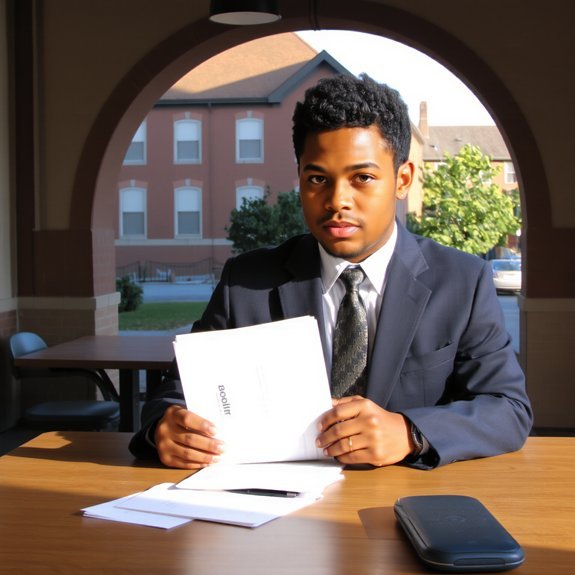
Even though interviews can feel like a spotlighted Q&A, they’re really your chance to show who you are beyond numbers on a transcript. I want you to imagine walking into a warm room, hand-shake slightly damp, voice steadying as you greet a friendly panel. You’ll talk about your goals, the projects that kept you up, the rhythm of community work, and why you laugh at your own bad jokes. This isn’t a test of trivia, it’s a live conversation that reveals grit, curiosity, and how you’ll add to campus life. Practice telling two crisp stories, listen more than you speak, and watch how a genuine smile softens formality. You’re selling authenticity, not perfection.
Researching the School’s Values and Culture

You’ll want to know the school’s historic mission and legacy, because those stories shape everything from chapel services to the plaques on brick walls — I always sniff out the founding dates and famous alumni like a nosy tour guide. Check campus traditions and student life next, picture the parade routes, late-night study spots, and the food that everyone swears by, then imagine yourself right in those scenes. Mention a couple of specific examples in your interview, and you’ll sound informed, genuine, and a lot more memorable than “I like the campus.”
Historic Mission and Legacy
When I dug into Howard’s founding story, I felt it in my bones — the brick halls smelled like chalk and promise, and every plaque seemed to whisper a challenge. You’ll want that same feeling when you prep, because knowing the mission makes your answers land. Read founding charters, early speeches, and alumni letters. Trace who they served, why they started, and how they fought for access.
- Note core phrases the school repeats, memorize one to use naturally.
- Spot historic figures tied to activism, education, community care.
- Link your goals to the mission, briefly, with concrete examples.
- Watch for shifts: how mission evolved during crises, wars, movements.
- Practice a two-sentence story tying you to that legacy, with feeling.
Campus Traditions and Student Life
If you want to know a school, don’t just read the brochure — walk the quad in your mind, listen for the chant, smell the tailgate smoke, and learn the little rituals that make students grin like they’ve got a secret. You’ll want to note homecoming steps, Friday night lights, and those nicknames nobody explains to outsiders. Ask students what tradition makes them proud, then actually listen. Watch videos of step shows, follow campus Instagram, read the student paper, and attend a virtual event if you can’t visit. In an interview, mention a ritual by name, describe how it felt in your imagination, and say why it fits you. That shows you did your homework, and you care about more than classes.
Common Interview Questions and How to Answer Them

Curious what they’ll ask you? You’ll face classic prompts, and you’ll want answers that sound like you, not like a rehearsed robot. Breathe, smile, picture the campus, and speak clearly. I’ll walk you through common questions and quick ways to answer, so you stay calm and sharp.
- Tell me about yourself — open with a vivid moment, keep it 30–45 seconds, end with why HBCU culture matters to you.
- Why this school? — cite one specific program, one campus detail, one future goal.
- Strengths and weaknesses — be honest, show growth, name actions you’ve taken.
- Academic challenges — summarize problem, solution, result.
- Questions for us — ask about mentorship, traditions, classroom size.
Practice aloud, tweak, own your voice.
Telling Your Community and Leadership Stories
Because your community work is the proof, not just the promise, start with a small, vivid scene that shows you in action — I’m talking the hum of a lunchroom, the scrape of chairs, your voice calling for volunteers while you juggle a clipboard and a half-eaten granola bar. I tell that scene fast, then pull back and explain: what you did, why you did it, who changed because of it. Name specific tasks, numbers, outcomes — ten backpacks packed, three meetings led, one mayor impressed enough to visit. Don’t brag; show. Use dialogue: “Who’s with me?” works like a flashlight. Admit mistakes, laugh at yourself, then show growth. Tie each story to values, leadership style, and how you’ll bring that energy to the campus.
Preparing for Virtual and In-Person Formats
Alright, let’s get practical: test your tech first — check your camera, mic, and internet, and make sure your background isn’t a pile of laundry pretending to be a personality. Greet people like you mean it, firm handshake or confident wave, eye contact that says “I’m ready,” and practice a couple of situational answers so you don’t freeze when they ask, “Tell me about a time you failed.” I’ll walk you through quick checklists and sample responses next, so you can show up calm, clear, and a little bit charming.
Test Your Tech
Think of your tech check like a dress rehearsal for a one-act play where you’re the star and your laptop is the stage light that could either shine or die mid-applause. I walk you through quick, practical steps, because you want calm, not panic. Test audio, video, and internet speed; move to a quieter room; dim harsh lights; aim for a neutral background. Don’t forget chargers.
- Plug in, battery at 100, fan quiet
- Check mic, headphones, and speaker levels
- Run the video app, frame yourself—eye line, headroom
- Close tabs, silence notifications, clear desktop clutter
- Do a mock call, record it, watch for awkward ticks
You’ll look poised, sound steady, and feel in control, trust me.
Practice Formal Greetings
You’ve checked your tech, smoothed the background, and hit record like a pro—now let’s practice the hello. I want you to stand or sit tall, take a breath you can feel in your chest, and say your greeting out loud. For in-person, extend a steady hand, make eye contact, smile with your whole face, and offer, “Good morning, I’m [Name], thank you for meeting me.” For virtual, lean slightly toward the camera, nod, and speak clearly: “Hello, I’m [Name], it’s great to meet you.” Practice tone—warm, confident, not rehearsed. Record short clips, listen for pace, trim filler words. Try a brisk handshake, then a softer one, find what feels natural. Repeat until it sounds like you — polished, human, ready.
Prepare Situational Answers
If you want to ace situational questions in both virtual and in‑person interviews, practice like you’re rehearsing a short play—only the audience is your future college and the stakes are a scholarship, not Broadway. I tell you to map scenes, imagine the room, feel the webcam glow, hear the handshake thud, and act with calm confidence. Rehearse STAR stories, trim them to tight beats, and practice tone, not just words. In person, use gestures; online, use nods and eye contact with the camera. Keep answers under two minutes, vivid and honest, with a clear result.
- Start with Situation, set the scene quickly.
- Task: name your role, own it.
- Action: show steps, sensory detail.
- Result: quantify when you can.
- Reflection: what you learned.
What to Wear and How to Present Yourself
One crisp outfit can change the whole room — trust me, I’ve seen it. You’ll pick something neat, ironed, and comfortable, so you move like you own the chair. Choose classic colors: navy, charcoal, white. A fitted blazer, simple blouse, or clean button-down reads confident. Polish shoes, trim nails, and keep jewelry minimal; don’t clink like a wind chime. Hair should be tidy, face clean, and perfume light — enough to hint, not announce. Sit up, offer a steady handshake, and smile with your eyes. Bring a slim folder with copies of your resume, no crumpled papers. I’ll warn you, don’t overdress like you’re hosting the Oscars. Aim for sharp, real, and approachable — they’ll remember you.
Practicing Responses and Managing Interview Nerves
While my heart still flips at the sound of a knock, practice turned that flip into a neat little flutter you can control, and it’ll do the same for you. I rehearsed answers aloud, felt the rasp of my voice, timed pauses, and learned to smile on cue — yes, it’s a skill. You’ll do mock interviews, cringe, then improve. You’ll breathe into your belly, feel air cool your chest, and watch tension leave.
- Say answers out loud, record them, listen like a detective.
- Practice with a friend who’ll call you out, kindly.
- Memorize key stories, not scripts, so you stay human.
- Use grounding breaths, five counts in, five out.
- Visualize walking in, confident, shoulders light.
Conclusion
You’ve done the homework, you’ve told your stories, and you’ve practiced in front of a mirror that finally stopped judging you—coincidence, right? I’ll say it straight: connect your goals to the school’s heartbeat, keep answers crisp, and show up curious. Picture the panel, breathe, smile, and let a real moment lead. You’ll stumble, laugh, and learn. That’s fine. That’s human. That’s exactly the kind of student they want.