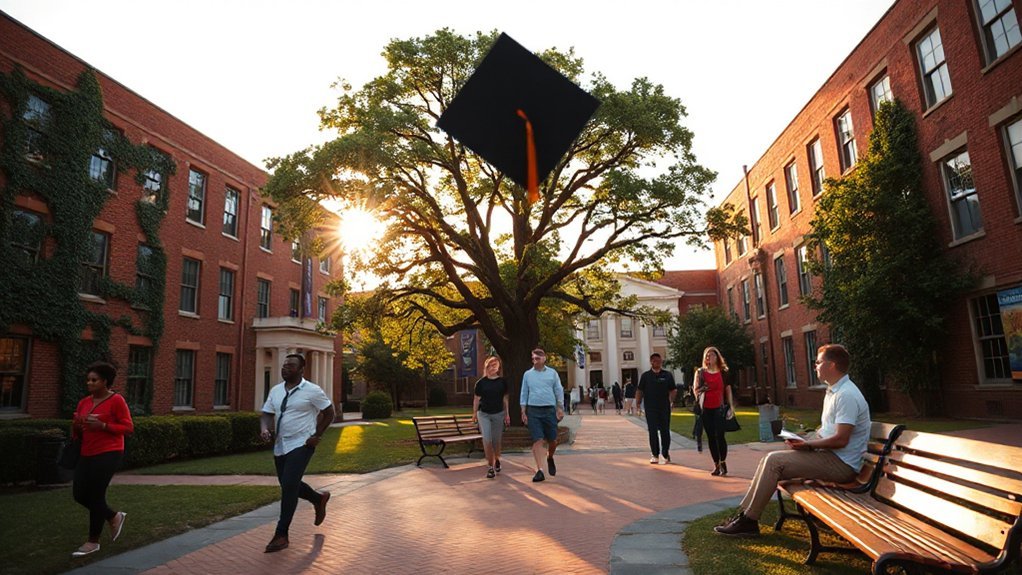
You might think HBCUs are dusty relics or exclusive clubs, but trust me—you’d be wrong, and a little startled; walk their quads and you’ll hear everything from drumlines to startup pitches, smell cafeteria spice and coffee, see majors from nursing to engineering, and meet students from all backgrounds pushing for big futures. I’ll poke holes in the myths—about who attends, how tough the programs are, and the jobs that follow—so stick around, I’ve got receipts.
Key Takeaways
- HBCUs are open to students of all races and nationalities, fostering diverse and inclusive campus communities.
- HBCU programs are academically rigorous, offering hands-on labs, faculty-mentored research, and conference presentation opportunities.
- Strong alumni networks and faculty connections at HBCUs actively support internships, job placements, and career development.
- Many HBCUs have modern facilities, maker spaces, and upgraded labs funded by grants, alumni, and public-private partnerships.
- HBCU campuses host multicultural organizations, global cuisines, and events that reflect broad cultural and ideological diversity.
HBCUs Are Only for Black Students
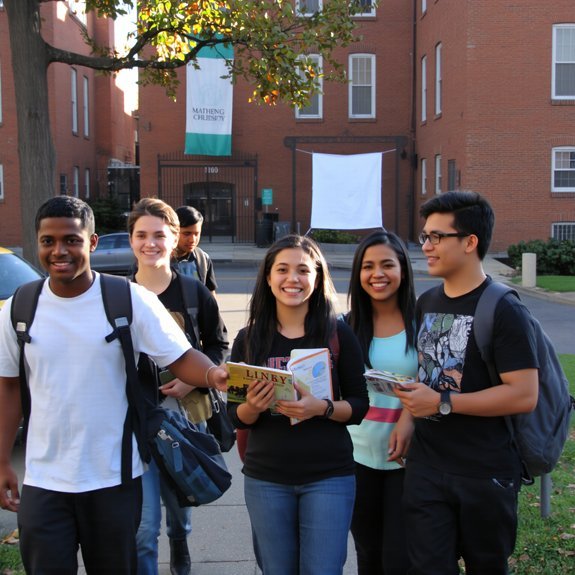
Even if you’ve heard people say—half-joking, half-misinformed—that HBCUs are “only for Black students,” don’t let that one-liner fool you; I’ve walked campus quads where laughter, debate, and the smell of frying chicken mingled with the click of laptops and the quiet focus of students from every background, and it’s anything but exclusive. You’ll see folks from different states, countries, and cultures, trading music recommendations, studying together, and arguing about late-night pizza like it’s important policy. I’ve sat in on a class where a student from abroad cracked a joke that had everyone howling, including me, a proud ignoramus. HBCUs welcome curiosity, offer community, and invite anyone who’s ready to learn and belong.
HBCUs Lack Academic Rigor and Research Opportunities
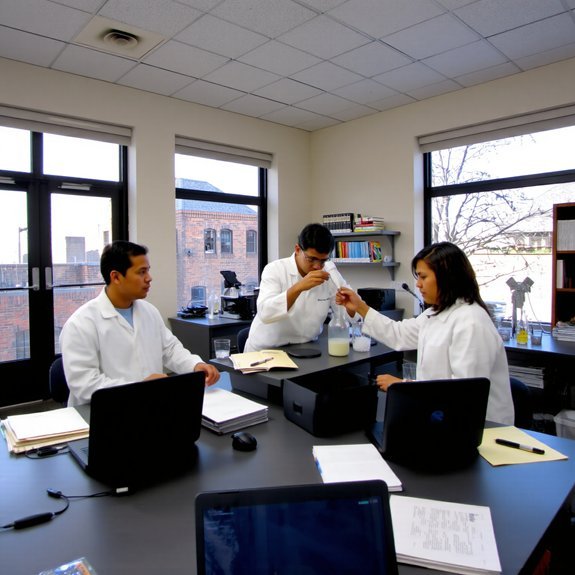
If you think HBCUs are academic backwaters, you haven’t been to a late-night lab where grad students argue over microscope slides while the vending machine hums and someone’s coffee fumes up like a tiny, bitter fog. I’ve seen faculty push you hard, in kind ways, and watched research papers born from dorm-room brainstorms. You get rigorous classes, hands-on labs, and mentors who know your name.
Late-night labs, fierce mentorship, and student-driven research — HBCUs brew rigorous science and personal attention.
- Labs that publish — you’ll run assays, code, and write results, not just watch.
- Faculty-led projects — professors fund students, guide methods, demand precision.
- Conference trips — you’ll present posters, snag feedback, sharpen your voice.
Don’t let stereotype rob you of curiosity. Come see the work; feel the intensity.
HBCUs Don’t Offer Strong Career Networking or Internship Paths

So you’ve seen the late-night labs and the paper drafts with coffee stains—great, I’ve been there, too—but don’t assume those same professors won’t also hand you a LinkedIn intro or a plane ticket. You’ll meet alumni who show up in suits, who bring internship slates, who name-drop companies like they’re old roommates. I’ve watched a recruiter pin a flyer on a dorm bulletin, then hire two seniors by Friday. You’ll get resume clinics with real feedback, mock interviews that sting (in a good way), and career fairs where employers actually know your major. Networking here feels personal, tactile—handshakes, coffee chats, follow-ups typed on a phone in between classes. Don’t buy the myth; come see the hustle, join the table.
HBCUs Are Underfunded and Lack Modern Facilities
When you picture a campus with peeling paint and science labs stuck in the 1980s, picture it honestly—then toss that image in the nearest recycling bin, because I’ve walked into brand-new maker spaces, buzzing media suites, and chemistry labs that smell like solvents and fresh ambition. You’ll see renovation banners, donors’ names glinting, and students soldering circuits with laser-focus. You might hear a dean joke, “We’re not behind, we’re vintage,” and laugh. Funding gaps exist, sure, but leaders hustle grants, alumni fundraisers explode with energy, and public-private partnerships bring cutting-edge gear. Consider these realities:
- Renovated labs and tech hubs are increasing rapidly.
- Targeted grants fund research and internships.
- Alumni endowments upgrade student spaces continuously.
HBCUs Are Homogeneous and Lack Campus Diversity
Even though movies and trend pieces love painting HBCUs as one-note, I can tell you from walking quad to quad that diversity shows up in ways you won’t expect; you’ll smell jerk chicken at noon, hear three languages on the walk home, and catch a gospel choir blending into an a capella mashup with Kanye on a Friday. You think homogeneous, I say multicultural mashup. You’ll meet first-gen engineers from Ghana, queer activists leading late-night debates, and a poetry slam where a veteran drops bars about home. I point, you look. Clubs flood calendars: anime, Afro-Latinx, Muslim student, and STEM hack nights. Campus food courts teach geography. Don’t assume sameness—assume surprises, good ones, with friends waiting.
Conclusion
You’re not walking into a museum; you’re stepping into a living, humming community that surprises you. I’ve seen labs glow late at night, felt career fairs buzz like a beehive, and tasted food that tells stories — so no, HBCUs aren’t one-note. Think of them as a kaleidoscope: every turn reveals new color. Don’t buy the myths. Visit, listen, ask questions, and let the campus prove you wrong — I dare you.