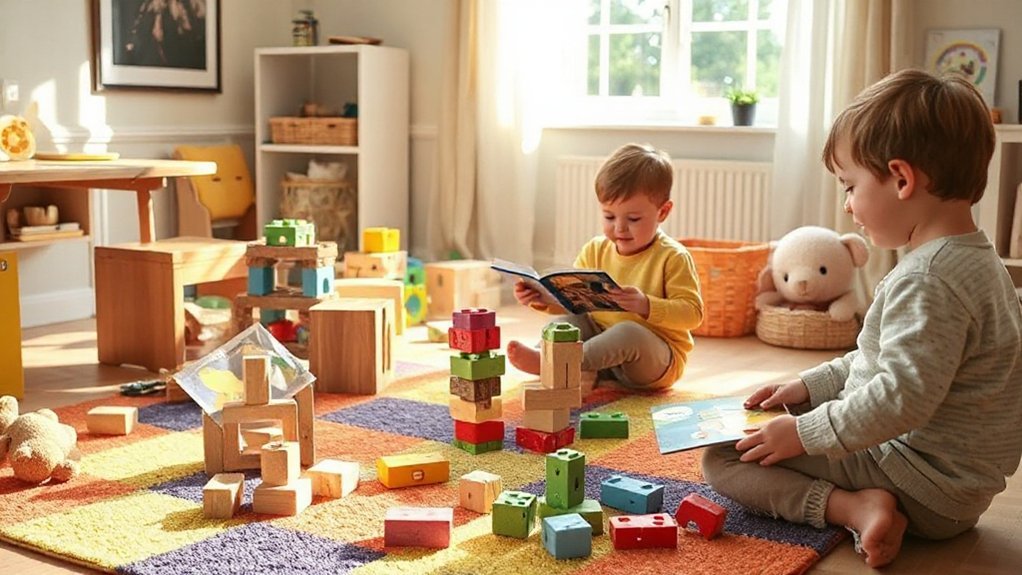
You want a gift that actually gets used, not buried under couch cushions, and I’ve learned the trick: match the kid’s skills, not their age on a box. Watch what they reach for, listen to the games they invent, feel the way their fingers grip a crayon or their legs push a scooter—those little clues tell you more than glossy labels. I’ll show you how to pair safety, skill-building, and pure delight, and yes, avoid the trendy junk—next, we’ll sort it by age.
Key Takeaways
- Match the gift to the child’s developmental stage and current milestones (motor, language, social skills).
- Prioritize safety: check age labels, small-part warnings, and current recalls before buying.
- Choose toys that allow gradual skill progression to build confidence and avoid frustration.
- Pick items tied to the child’s interests and family values for sustained engagement and meaningful use.
- Favor open-ended, durable gifts that promote creativity, problem-solving, or physical activity over trendy single-use toys.
Understanding Developmental Stages and Milestones
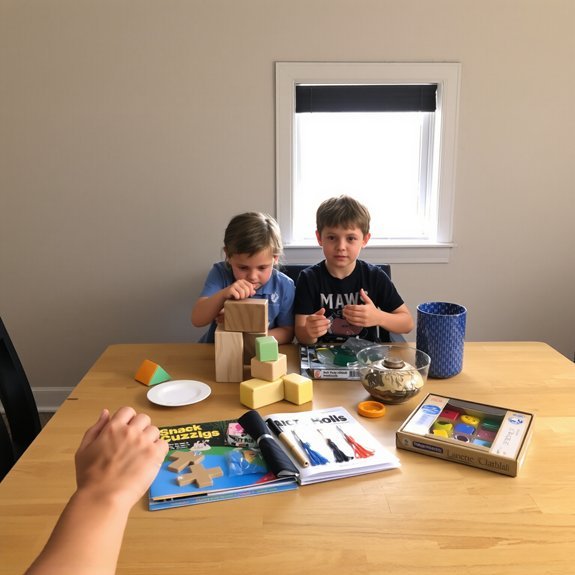
Think of developmental stages like a backstage pass to a kid’s brain and body—trust me, it’s more interesting than it sounds. You’ll peek at developmental milestones, notice when a toddler suddenly stacks blocks like a tiny architect, or when a seven-year-old reads a whole page aloud and grins. I’ll tell you to scan age ranges as if they’re cheat codes: newborn, crawler, chatterbox, explorer, tween. Touch soft toys, listen to babble turn into sentences, watch fingers scribble fierce spirals—those cues matter. Don’t guess; match the gift to what the child can do and what they’ll try next. You’ll avoid flops and see that thoughtful choices spark real delight, not just temporary smiles.
Safety Considerations by Age
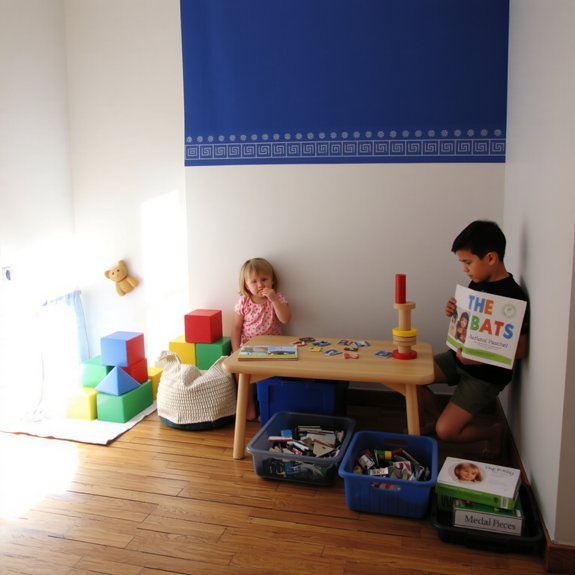
Because kids explore with everything they can grab, chew, or fling, safety needs to be your loudest filter when you pick a gift—I learned that the hard way when my niece tried to ride a stuffed unicorn like a skateboard. You’ll check labels, yes, but go deeper: read safety regulations, look for recalls, and confirm age restrictions before you buy. For babies, you’ll favor sealed seams and non-toxic dyes; for toddlers, avoid small parts and choking hazards; for older kids, watch for projectiles and sharp edges. Ask caregivers about allergies, test finishes with a sniff, and imagine the toy in motion—will it bang, break, or bite? Trust your instincts, ditch trendy junk, and choose items that won’t end in ER drama.
Gifts That Support Physical Development
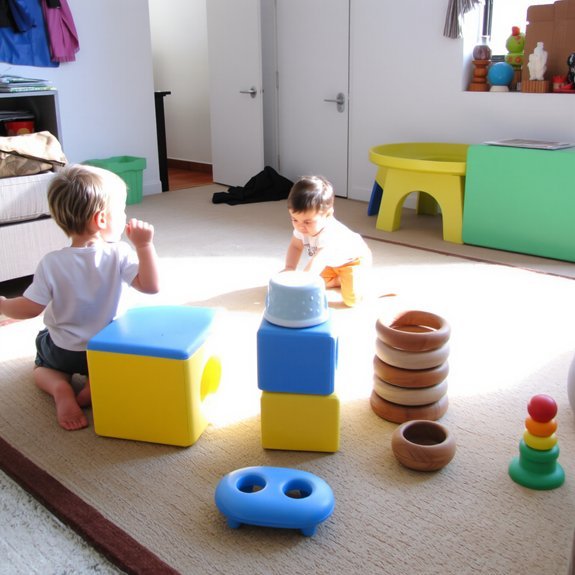
Okay, you’ve crossed the safety checklist and survived the great unicorn-on-a-skateboard incident—now let’s get kids moving. I’ll keep it simple, honest, and a little smug: physical play builds strength, coordination, and confidence. You want toys that invite motion, not just stare-worthy packaging. Think wind-in-the-hair, scraped-knee stories, triumphant grins.
- Balance bikes for toddlers, low and light, teach steering and confidence without training wheels.
- Climbing toys, like ladders and soft rock walls, build grip, coordination, and brave faces.
- Ride-ons and scooters add speed control, balance, and sunny yard races.
- Balls, hoops, and jump ropes sharpen timing, footwork, and loud celebratory whoops.
Pick sturdy, sized-right gear, supervise cheerfully, and expect dramatic victory dances.
Toys and Activities for Cognitive Growth
If you want kids to get smarter about the world while still having a blast, give them toys that make their brains do a happy workout — puzzles that click into place, blocks that demand careful stacking, and little labs where tiny chemists can mix safe fizz and watch faces light up. I tell you, cognitive puzzles are my secret weapon; they snap focus into place, and you’ll hear delighted cursing when a piece finally slides home. Pair those with open-ended kits, gears that grind with a satisfying clunk, and imaginative play sets that turn couches into spaceships. You’ll notice hands busy, eyes intent, tiny languages forming, ideas sparking like static. Buy fewer flashy gizmos, choose tools that invite thinking, and sit nearby to cheer the discoveries.
Social and Emotional Learning Through Play
You’ll spot emotional recognition games on the shelf—cards with exaggerated faces you can make with your own mouth, tactile tokens that light up when a kid names a feeling—perfect for teaching words like “frustrated” or “proud.” Try cooperative play activities next, where you and the child build a wobbly tower together, trade ideas, and practice saying “your turn” without a fit; it’s messy, loud, and exactly where empathy grows. I’ll admit, I’m biased—teamwork and goofy face-reading beat solo screen time any day, and you’ll see those tiny wins stack up fast.
Emotional Recognition Games
Think of emotional recognition games as a tiny detective kit for feelings—glasses, notepad, and a ridiculous hat I insist on wearing when we play. You’ll guide kids to name faces, tones, and body cues, you’ll model calm, and you’ll celebrate correct guesses with a theatrical bow. Focus on emotion recognition when you pick toys, and weigh game selection by age and attention span.
- Use simple flashcards with vivid photos, let them touch the card edges, name the feeling aloud.
- Try short charades rounds, whisper cues, watch their eyes light up.
- Include stories with pictures, ask “what happened next?” and listen.
- Make a feelings wheel, spin it, narrate sensations, taste the silliness.
Cooperative Play Activities
So after we’ve been sleuthing feelings with goofy hats and feeling flashcards, it’s time to crowd-source the emotional work—because kids learn loads when they’re solving stuff together, not just naming expressions. You’ll pick team games that force turns, cheering, and gentle negotiating; you’ll hear laughter, the scuff of sneakers, and the tiny groan when someone loses, which is learning, honestly. Try collaborative crafts where glue gets everywhere, and hands reach over each other, sharing scissors and ideas; that messy, noisy table teaches patience and pride. You guide, step back, and intervene with a joke, a nudge, or a timeout for a meltdown. These moments build empathy, listening, leadership, and the sweet thrill of making something together.
Choosing Books and Media for Each Stage
Even if bedtime is a blur of drool-covered board books and one too many dinosaur roars, I’m here to help you sort the chaos into something that actually sparks curiosity instead of tantrums. You want age appropriate storytelling that matches attention spans, and multimedia learning to boost engagement without turning everything into a screen fight. I’ll keep it practical: choose sturdy textures for babies, rhythmic read-alouds for toddlers, picture-rich chapter books for early readers, and nonfiction with hands-on kits for older kids. Rotate content, watch reactions, swap formats when interest wanes. Trust your instincts, but test new things.
Even chaotic bedtimes can become curious, calm moments—sturdy books, rhythmic reads, picture chapters, and hands-on projects.
- Sturdy board books, tactile pages
- Rhythmic, repetitive stories, sing-alongs
- Illustrated early chapter books, short chapters
- Nonfiction, interactive apps, project guides
Personalizing Gifts: Interests, Abilities, and Family Values
You know the kid’s favorite things, so start there—match the gift to their interests, whether it’s dinosaurs, dance, or coding, and watch their eyes light up. Keep it real with their abilities, don’t hand a puzzle that needs a PhD, and pick something that builds skill without bruising ego. And please, honor family values—if they’re outdoorsy or faith-centered, choose a present that fits the home rhythm, not your impulse buy.
Match Their Interests
Anyone who’s watched a kid zero in on a single, shining interest knows the magic: they smell it, they touch it, they can’t stop talking about it—like it’s the sun and everything else is orbiting. You lean in, listen, and match gifts to that orbit. Pick things that invite hobby exploration, tie into favorite characters, or nudge a budding passion without lecturing. You’ll notice textures, sounds, and the way their eyes light up — use that.
- Give a starter kit that smells like possibility, tools warm in tiny hands.
- Choose books or toys featuring favorite characters, but with room to improvise.
- Offer an experience: a ticket, a class, a messy afternoon together.
- Mix practical gear with something silly, unexpected, delight guaranteed.
Respect Developmental Abilities
While kids can surprise you, it’s smart to match gifts to what their hands, ears, and brains are actually ready for—so you don’t give a roaring drum to a child who still detests loud noises, or a 200-piece model to tiny, impatient fingers. You watch them stack blocks, frown, then clap when a tower steadies; that’s your cue. Think developmental play, sensory comfort, fine-motor stamina. Ask yourself, can they sort pieces, follow two-step directions, sit through five minutes of a story? Look for age adaptability—toys that grow with skill, add challenge, or simplify rules. Buy one that lets them succeed, not sulk. I promise, you’ll get better at guessing than you think; failures make funny stories, not wasted money.
Honor Family Values
Because gifts land at the center of a family’s story, I always start by listening—really listening—to what matters at their kitchen table, not what’s trending online. You’ll notice smells, laughter, the way a grandmother folds her hands; those clues tell you whether a present should honor family traditions or carry cultural significance, not just sparkle. I ask quick, pointed questions, I watch kids play, I taste the soup—metaphorically, mostly.
- Pick items that echo rituals, prayers, recipes, songs.
- Respect dress codes, modesty, holiday timing.
- Choose language, art, toys that reflect cultural significance.
- Skip fads that clash with rules, opt for heirloom potential.
You’ll look thoughtful, not tone-deaf, and actually useful.
Conclusion
You’ve got this—trust what you see and what they love. I’ll say it plain: measure toys to milestones, not trends; safety first, fun always. Picture them, laughing, sticky fingers on a puzzle, feet wobbling on a balance bike—keep those moments coming. Remember, one good gift can teach for life; after all, you can’t judge a book…without opening it. Be thoughtful, be bold, and let play do the teaching.