Tag: mentorship opportunities

  • How HBCU Alumni Networks Can Help Your Career

    How HBCU Alumni Networks Can Help Your Career

    When my old roommate nudged me toward an HBCU alumni mixer and I showed up in sneakers, I found a mentor who knew the hiring manager at my dream firm — and a barista who gave career tips between espresso shots. You’ll feel that instant, warm nudge: handshakes, side conversations, a résumé scribbled on a napkin, laughs that break the ice. Stick around, because those quick connections turn into referrals, advice, and opportunities you won’t get from a generic job board.

    Key Takeaways

    • HBCU alumni provide trusted referrals and warm introductions that speed hiring and open unposted job opportunities.
    • Alumni mentors offer culturally informed career guidance, résumé feedback, and interview preparation tailored to your goals.
    • Local chapters and events create visibility, internships, and networking pipelines with employers who actively recruit HBCU talent.
    • Sponsors within the network advocate for promotions and strategic opportunities, using their credibility to vouch for you.
    • Engaging on alumni platforms and social media builds relationships, shares resources, and sustains long-term professional support.

    Why HBCU Alumni Networks Matter for Career Growth
    authentic connections drive success

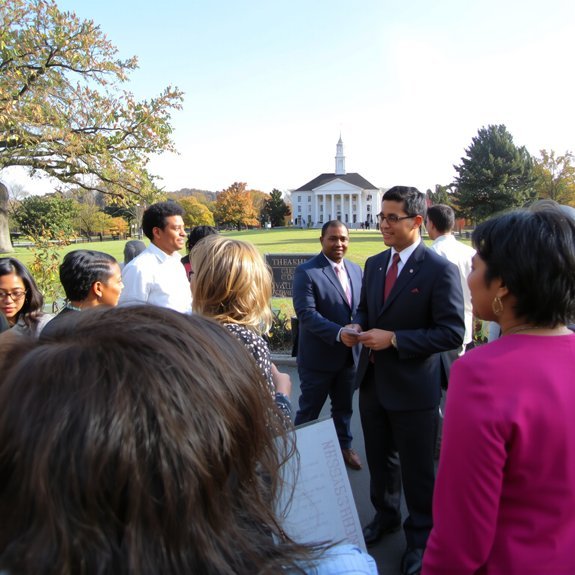
    A handful of people will tell you networking is about handing out business cards; they’re wrong, and I’ll tell you why. You get a living network, not a paper trail — warm voices on the phone, invites to small dinners, mentors who remember your name and your favorite coffee. You walk into rooms and see familiar faces, and that comfort makes you speak up, pitch better, ask for the job you want. Connections open doors to internships, hidden roles, and honest feedback that sharpens your resume, your interview, your confidence. You trade polished smiles for real help. You’ll find advocates who recommend you, share leads, coach you through setbacks, and celebrate wins with a backyard barbecue kind of pride. That’s career fuel.

    Finding and Joining Alumni Groups and Chapters

    join alumni groups actively

    Where do you start when the alumni world feels like a bustling market you’ve wandered into without a map? I’d nudge you toward the obvious: your school’s alumni site and social pages. Click, skim, bookmark. Smell the coffee at the chapter mixer, hear names ricochet, and introduce yourself—short, sharp, friendly. Join local chapters, specialty groups, and LinkedIn alumni lists; RSVP to one event before you decide you’re “too busy.” Email volunteer coordinators, slide into DMs with a quick hello, or call the office and ask what’s happening this month. Bring business cards or a clean digital contact, follow up within 48 hours, and add folks to a notes file. You’ll quickly know which groups feel like home, and which you’ll ghost—no shame.

    Leveraging Mentorship and Sponsorship Opportunities
    pursue mentorship and sponsorship

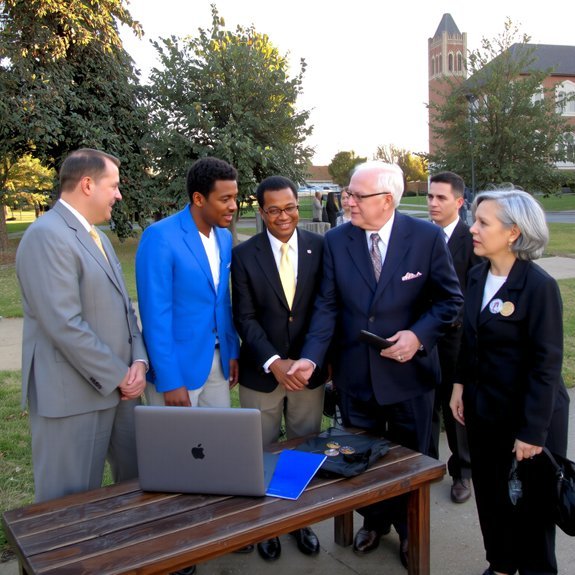
    If you want career lift, don’t wait for mentorship to fall into your lap like winning raffle tickets—go after it like you’d hop a last-minute flight. You scout alumni profiles, slide into DMs with a breezy hello, and show up at mixers smelling faintly of coffee and courage. Ask for thirty minutes, bring crisp questions, take notes that look like art. Treat sponsors differently: demonstrate results, offer quick wins, and nudge them with measurable updates—don’t beg, remind. I’ll say this plainly: mentors teach, sponsors open doors. Say yes to coffee, no to vague promises, and follow up within 48 hours. Keep a small wins log, celebrate loudly, and pay it forward when your turn comes.

    Accessing Job Referrals and Internship Pipelines

    You want that job, and your alumni network is the backstage pass — tap friends, city chapter events, and those casual coffee chats, because referrals still move faster than cold apps. I’ll tell you, I’ve watched resumes go from “thanks, we’ll keep it” to “when can you start?” after one well-timed alumni intro, so learn the names, show up, and follow up with a crisp LinkedIn note. Use chapter mixers and internship pipelines like a map and a flashlight, ask for warm referrals, and don’t be shy about saying, “Can you put in a good word?”

    Leveraging Alumni Referrals

    Curious how a single message can open a hidden door? You tap a name from your alma mater, take a breath, and type like you mean it — short, warm, specific. Say who you are, where you sat in the quad, a shared professor or homecoming memory, then ask for five minutes. You’ll feel awkward, I did too, but that’s normal. When they reply, match their tone, suggest a time, bring questions: “What surprised you about that role?” “Any tips for the interview?” They might pass your resume, or whisper a referral to hiring. Keep a tidy follow-up, thank them with detail, and return the favor later. Referrals aren’t magic, they’re small, steady nudges from folks who already root for you.

    Internship Pipeline Access

    While some folks chase listings like they’re Pokémon, I learned to slip into the back door of internship pipelines — quiet, practiced, and with a coffee in hand — because HBCU alumni networks often run on trust, not ads. You wander into a reunion mixer, swap a joke, and suddenly someone whispers, “We need an intern.” You show up sharp, ask smart questions, and they remember the kid who listened. Alumni share unposted gigs, forward invites, and pull you onto projects before HR posts anything. You’ll get a referral note in your inbox, a mentor vouching over the phone, and the chance to prove yourself in real time. It’s informal, human, and surprisingly efficient — like getting a backstage pass from family.

    Networking Through Chapters

    Three quick rules I learned the hard way: show up, listen more than you talk, and remember names — people notice the ones who actually care. I’ll say it plain: chapter meetings are your backstage pass. You wander in, smell coffee and old yearbooks, you sit by someone who hired an intern last summer, and you ask the right question. Say, “How’d you find that intern?” Don’t sound needy, sound curious. Follow up, slide into their inbox with a short note, and offer your skills—data cleanup, event help, whatever. Chapters trade referrals like secret recipes. Volunteer for committees, help set up events, and you’ll meet mentors who open doors. Be useful, be visible, and don’t ghost anyone.

    Networking at Alumni Events and Reunions

    If you show up with a smile and a business card (or these days, a quick LinkedIn QR), you’ll already be doing better than half the crowd, trust me. You breeze through name tags, murmur a hello, and scan the room — warm lights, the hum of old classmates, the smell of coffee and catered wings. Say something specific about the event, not just “what do you do?” Ask about the professor, the band, that one fiery debate. Swap stories, laugh, trade cards, follow up in two days with a quick note. Offer help before you ask for it. Stand by the snack table if you’re shy, volunteer to introduce people if you’re bold. Leave with two real contacts, not fifty ghosts.

    Using Alumni Platforms and Social Media Effectively

    How do you make a LinkedIn post that actually gets read and not scrolled past like last week’s brunch pics? You grab attention fast: a punchy opener, one bold sentence, then a clear value point. I’d say tag relevant HBCU groups, drop a vivid detail—your mentor’s laugh, the campus oak’s scent—and link to a short resource. Use alumni platforms the same way: set up a crisp profile photo, list real accomplishments, and join niche threads where people answer, not just react. Don’t spam, don’t humblebrag; be helpful, ask smart questions, share wins with gratitude. DM politely when you’ve built rapport. Post consistently, track responses, tweak tone. That’s how you turn social noise into career fuel.

    Showcasing Shared Cultural Capital in Interviews and Applications

    You’ll want to weave our shared HBCU language into answers, drop a phrase or two that signals you belong, and watch interviewers’ faces light up like they just heard an old reunion joke. Mention concrete examples of community values—how you mentored freshmen, organized cookout fundraisers, or led a service project—and say what you learned, not just what you did. I’ll bet that small, specific moments, described with sensory detail and a wink, will stick far more than a generic résumé line.

    Shared Cultural Language

    Think of your HBCU slang, campus rituals, and those one-off professor jokes as tools in your interview toolbox—stuff you can pull out to make a real connection, not things to hide under a résumé. I tell you this because when you drop a familiar phrase, you spark recognition, a tiny smile, maybe even a nod. Say it plain, with warmth, like you’re handing someone your best coffee — brisk, honest, aromatic. Mention the homecoming chant, the late-night study tradition, the professor who said “do the work,” and watch eyes light up or ears perk. Don’t perform, though. Keep it specific, brief, and relevant. Use stories that show your grit, your wit, your belonging, and let the shared language do the rest.

    Demonstrated Community Values

    When you name the things your campus prized—service projects that smelled like fry oil and hand sanitizer, study groups that ran on Red Bull and gospel playlists, the neighbor who always had an extra pen—you’re not being sentimental, you’re giving evidence. You show up in interviews with stories, not boasts. You translate rituals into values hiring managers get: grit, care, collaboration.

    1. Describe a late-night fundraiser, the heat, the laugh that kept everyone going.
    2. Tell how you tutored a classmate, the pen caps, the whiteboard crumbs, the moment they got it.
    3. Share a mentor’s advice, the hallway voice, the paper cup of coffee, how you acted on it.

    Those scenes make your application vivid, believable, and memorably human.

    Giving Back: Volunteering, Mentoring, and Building Legacy

    Even if your schedule looks like a juggling act gone rogue, giving back to your HBCU can feel less like a chore and more like a secret superpower. You show up, you volunteer at a campus fair, you taste the burnt coffee of overnight prep, and you leave feeling bigger. You mentor a student over Zoom, you share résumé hacks, you send a blunt text that somehow gets them hired. You fund a scholarship, you imagine a freshman’s grin, you hear their grandmother’s thanks like church bells. These small rituals build legacy, stitch by stitch. You’ll get calls, invites, warm handshakes, and the quiet pride of knowing you kept a ladder steady. Don’t wait for permission — start with one hour.

    Conclusion

    You’ve got this—your HBCU network is a secret weapon, like a mixtape from grandma that somehow knows every beat of your life. Use it: show up to reunions, DM a mentor, apply through alumni job boards, volunteer, and brag about shared roots in interviews. I’ll be blunt, doors open faster when someone with your alma mater vouches for you. Keep giving back, keep asking, keep smiling, and watch your career bloom, loud and proud.

  • How to Network With Alumni From Your HBCU

    How to Network With Alumni From Your HBCU

    You’ve got a secret weapon in your alumni network, and you’d be silly not to use it; start at reunions, slide into LinkedIn DMs with a quick, warm opener—“We both rocked the quad in ’09, got a minute?”—then follow up with coffee, a campus tour, or a thank-you text that smells like effort, not desperation. I’ll show you how to find the right faces, say the right things, and turn small talks into real favors, but first—what’s your biggest networking fear?

    Key Takeaways

    • Attend reunions, campus events, and local chapter meetups to make face-to-face connections with alumni in your area.
    • Use the official alumni directory, LinkedIn groups, and school social media to find and message fellow graduates.
    • Send concise outreach messages mentioning your shared HBCU, one clear request, and an easy opt-out.
    • Volunteer as a mentor or help organize events to build rapport through service and reciprocal support.
    • Maintain relationships by sharing resources, celebrating successes, and offering introductions without keeping score.

    Why HBCU Alumni Networks Matter for Your Career and Community

    networking boosts career success

    Connection matters — more than grades, sometimes more than luck. You walk into a crowded hall, smell coffee, hear old laughter, and realize a handshake can open a door. Your HBCU alumni know streets you don’t, jobs you don’t see, mentors who’ll push you when you stall. They’ll share internships, glowing referrals, and the kind of advice that actually lands — “Don’t overpromise; show up early.” You’ll trade resumes and recipes, find sponsors for projects, and build credibility faster than going it alone. Community support feeds confidence, funds ideas, and creates safety nets when plans wobble. So reach out, listen hard, offer help back, and watch how those connections lift your career and lift the people around you.

    Where to Find and Connect With Alumni—Online and In Person

    connect with alumni online

    If you wander into a reunion hall or scroll past a classmate’s graduation selfie, you’re already halfway there — I’ve tripped into great leads that way. You’ll spot names on official alumni directories, LinkedIn groups, and school-run Facebook pages; follow them, bookmark profiles, and take screenshots before you forget. Tap into campus events — lectures, homecomings, tailgates — breathe the coffee and sunscreen, introduce yourself, trade cards. Check local chapters, industry meetups, and alumni email blasts; they ping with openings and happy-hour invites. Use Instagram and Twitter to watch who’s hiring, who’s speaking, who’s proud of a promotion; slide into DMs politely. Volunteer for mentorship programs or panels, show up early, help set chairs, stay late for small talk. Small gestures build real ties.

    Crafting a Genuine Outreach Message That Gets Responses

    genuine outreach for responses

    You’ve tracked down names, crashed a reunion coffee line, maybe even snagged a business card that smells faintly of barbecue and ambition — now you’ve got to write the message that actually gets a reply. I’d start with the obvious: name drop the connection, quick and real — “We both graduated ’12, stood in line for Miss Jackson’s gumbo.” That wakes people up. Keep it short, two clear asks max: a 15-minute call or a coffee, pick a time. Say why they matter to you, don’t inflate it. Offer something tiny in return, even if it’s a thank-you note or a LinkedIn intro. Close with an easy out, “If now’s bad, no worries — would love a future nod.” Read it aloud, trim the fat.

    Building and Deepening Relationships Through Mutual Value

    When you stop treating alumni like a contact list and start treating them like a tiny, slow-burning community, things get interesting—and yes, messier. You lean in, bring snacks and honesty, and trade favors that actually fit. You show up with questions, not resumes. You offer a connection, a lead, a book, or a brutally honest compliment. Relationships deepen when value bounces both ways.

    • A hand-written note tucked into a graduation pic, warm ink, no agenda.
    • A 20-minute call that ends with a concrete next step, coffee steam, calendar ping.
    • Sharing an article that reminded you of their joke, smiling as you paste the link.
    • Offering to intro two people who should’ve met years ago, feeling smug and helpful.

    Do this often, gently, and without keeping score.

    Staying Engaged: Events, Mentorships, and Long-Term Giving Back

    Because good alumni ties aren’t a one-off applause, they’re a slow drumbeat you show up for, I make a point of keeping the calendar full of small rituals that actually matter. You RSVP to homecoming, you bring a dish that smells like grandma’s kitchen, you stay long enough to help stack chairs. You mentor one student, then another, and you learn more than you teach — honest surprise, but true. Host a coffee chat, ask blunt questions, listen so hard you hear the hesitation between words. Give money if you can, give time if you can’t, give advice with humility. Keep notes, follow up, celebrate wins publicly. These tiny habits turn casual hellos into a legacy that actually matters.

    Conclusion

    Think of your HBCU network as a backyard cookout I host every summer—smoke in the air, laughter bumping against the fence, someone always passing a plate. You walk in, say hello, hand over a business card like a spare burger, and listen. I promise the favors come back, slow-roasted and worth the wait. Stay curious, show up, give time and skill, and that backyard will feed your career for years.

  • How to Make the Most of Your HBCU Experience

    How to Make the Most of Your HBCU Experience

    Most students don’t know that homecoming cookouts and midnight study sessions are where lifelong mentors actually show up, so you should treat every tailgate and office-hour visit like a mini-audition for your future. You’ll learn names faster than you think, smell grill smoke and printer toner in the same breath, and collect favors like rare stamps — but stick around, because the real payoff comes when you mix class hustle with campus rituals and the right person offers you an internship.

    Key Takeaways

    • Immerse yourself in campus traditions, events, and social gatherings to build community and create lasting memories.
    • Build strong relationships with professors and mentors through office hours, thoughtful questions, and follow-up communication.
    • Join student organizations, volunteer, and consider Greek life to expand your network and sense of belonging.
    • Use campus resources like tutoring, counseling, and academic advising to support academic and personal growth.
    • Pursue internships and network with alumni, faculty, and employers to gain experience and career opportunities.

    Embrace Campus Culture and Traditions

    campus culture and traditions

    When you step onto HBCU grounds, breathe it in — that mix of fried food, marching band drumbeats, and campus gossip that sticks to your clothes like summer. You’ll learn the chants, wave at the same folks every Friday, and duck into tailgate lines that smell like victory and lighter fluid. Join a step team or choir, even if you’re awkward; participation beats perfection. Sit on the quad, trade stories, sample every campus cookout until your jeans protest. Watch the homecoming parade, clap when the drumline drops a beat, cheer like you mean it. You’ll collect rituals, nicknames, secret shortcuts, and a playlist that’ll comfort you later. Embrace it, laugh at yourself, and let these traditions claim you.

    Build Strong Relationships With Professors and Mentors

    build genuine mentor relationships

    Think of professors and mentors as secret VIPs on campus — they’ve got keys to opportunity, advice that actually lands, and snacks at office hours if you’re lucky. I tell you, walk into their office like you belong, shake a hand, make eye contact, and mention something specific from their class — it signals you’re paying attention. Ask crisp questions, bring a draft, and listen; note-taking still wins. Invite them for coffee, or email with a clear subject line, don’t send a novel. Say thanks, follow up on leads, and report progress; people remember follow-through. Use mentorship for feedback, internships, recommendation letters, and tough career truth bombs. Keep it genuine, stay curious, be reliable, and watch your network actually work.

    Get Involved in Student Organizations and Greek Life

    join clubs and organizations

    You should wander the student fair with a coffee in hand, eyeballing clubs that match your vibe and taking flyers like they’re tiny promises. Try a meeting or two, chat up a member, and if Greek life intrigues you, sit in on a chapter event to feel the energy — think music, handshakes, and snacks. I’ll bet one new group will stick, give you friends who text back, and make campus feel like yours.

    Join Campus Organizations

    If you wander across a crowded quad and feel that electric buzz—music, flyers fluttering like confetti, students shouting about bake sales—you’ve just hit the jackpot for making campus feel like home, and I’m here to tell you to plunge in. You’ll try a club, taste its vibe, and either stay or bow out—no drama. I’ll nudge you toward curiosity, conversation, and commitment, in that order. Touch posters, ask one question, laugh at a terrible icebreaker.

    1. Visit three meetings in one week, feel the rhythm, pick the one that fits your schedule and soul.
    2. Volunteer at an event, meet leaders, claim a small responsibility—watch your confidence grow.
    3. Start something tiny if nothing fits; leadership loves initiative.

    Explore Greek Life

    Ever wandered past a row of bold letters and felt that little tingle—like a party you weren’t supposed to miss? You should peek in. Greek life at an HBCU buzzes with rituals, laughter, late-night study sessions, and handshakes that feel secret and strangely affirming. I’ll tell you straight: it’s networking wrapped in tradition, community dressed as celebration. Go to rush, listen more than you talk, taste the food at mixers, feel the chant in your chest. You’ll meet mentors who’ll check your grades, friends who drag you to service projects, a sister or brother who texts at 2 a.m. Don’t join just for fame, join for people who hold you accountable, who push you, who make campus feel like home.

    Use Campus Resources for Academic and Personal Support

    When I first set foot on campus, I didn’t know the tutoring center smelled like lemon cleanser and victory—now I do, and it’s my favorite hideout. You’ll duck in between classes, snag a desk by the window, and watch sunlight make the math book look heroic. Use the counseling center when nights get loud in your head, join study groups that actually finish chapters, and grab meal-plan coffee with professors who’ll give straight answers.

    1. Tutoring: ask for examples, bring snacks, don’t fake understanding.
    2. Counseling: book early, try a walk-and-talk, be honest — therapists aren’t mind readers.
    3. Academic advising: map courses, pick backups, remind them you have a life.

    Own these resources, they’ve got your back.

    Gain Professional Experience Through Internships and Networking

    You’ll want to hunt down internships that actually match your major and curiosity, those hands-on gigs where you’ll get coffee runs and real responsibilities, so your résumé doesn’t read like a mystery novel. I’ll tell you straight: talk to professors, career services, alumni, and that classmate who always posts industry events—shake hands, send messages, show up, and bring a notebook. Then mix those contacts with solid work experience, and suddenly your future employer feels less like a stranger and more like someone you’ve impressed over time.

    Find Relevant Internships

    If you want that first real-world win on your resume, don’t wait for perfect timing or permission—go find an internship that makes you excited to get up in the morning. I’ll tell you how I sniffed out gigs that fit me, felt like fits, and taught me stuff I still brag about. You’ll scroll, call, and show up—coffee in hand, voice steady. Be bold, try small companies, and don’t be afraid to ask for real tasks.

    1. Target roles: list skills you want, search HBCU career boards, filter for hands-on work that makes your eyes light up.
    2. Tailor materials: tweak one resume line per job, write a quick, human cover note.
    3. Apply fast: set a weekly quota, follow up politely, repeat.

    Build Professional Networks

    Networking is the quiet currency of careers, and I promise it’s not as gross as it sounds—think more like swapping playlists with people who can actually get you into the studio. You’ll stroll into career fairs, badge clipped, palm a little sweaty, and I’ll nudely remind you to breathe, smile, ask one smart question. Say, “What surprised you about this field?” Hand over a crisp résumé, but follow up with a LinkedIn note that’s short, human, oddly specific. Join campus clubs, attend alumni panels, grab coffee with someone whose job titles make your phone autocorrect to “goals.” Offer help before you ask for favors. Keep a spreadsheet, review contacts weekly, and send thank-you messages that mention a detail—shows you listened. Networking’s an active habit, not a checkbox.

    Balance Social Life, Wellness, and Academic Success

    When I first got to campus, my schedule looked like a game of Tetris, except the pieces were parties, study groups, and yoga classes, and I was terrible at the controls; I learned fast that balance isn’t some noble ideal, it’s a daily skill you practice, fumble, and occasionally master. You’ll pick priorities, say no without guilt, and actually sleep sometimes. You’ll smell coffee at midnight, feel yoga mat grit on your palms, and hear friends laughing down the hall. Try these tiny moves, they work.

    1. Block calendar time for class, naps, and fun—protect it like your playlist.
    2. Swap a party for a walk, call a friend, or do ten deep breaths.
    3. Use office hours, not just textbooks; professors are actual people.

    Conclusion

    You’ve got this — grab games, grub, and great mentors, don’t ghost office hours, and join clubs that spark you. I’ll say it straight: show up, speak up, sweat a little, savor late-night cookout smells, and shake hands at career fairs. Balance beats burnout, so nap when you need to, ask for help, and hustle for internships. Small steps, bold moves, steady smiles — that’s how you make your HBCU home.

  • Pros and Cons of Attending an HBCU

    Pros and Cons of Attending an HBCU

    You’ll walk onto an HBCU quad and feel the history under your shoes, the brass band in your bones, and someone calling your name like it matters — and I’ll tell you straight, that feeling’s priceless, but it’s not everything. You’ll get tight mentorship, fierce community, and culture that teaches you how to stand tall, yet you might trade some program variety or glossy labs for that soul. Keep going — there’s more to weigh.

    Key Takeaways

    • Strong cultural community and mentorship foster belonging, leadership, and lifelong alumni networks that support personal and career growth.
    • Smaller classes and engaged faculty provide personalized attention, quicker feedback, and hands-on learning opportunities.
    • Limited program variety and specialized resources can constrain research, niche majors, and advanced technical training.
    • Campus traditions and culturally competent support services enhance mental health, identity development, and shared historical awareness.
    • Financial considerations — lower costs at some schools but potential funding limitations — require careful planning to avoid excessive debt.

    Historical and Cultural Significance of HBCUs

    legacy of resilience and pride

    When you walk onto an HBCU campus, you don’t just feel the grass under your shoes—you feel generations leaning in, like someone’s telling you a secret that starts with old textbooks and ends with a homecoming parade that smells like barbecue and pride; I’ve stood under those oaks, listened to brass bands blast, and felt goosebumps when alumni told stories about marching through segregation and still getting their diplomas. You’ll notice murals, plaques, and statues, each one a bookmark in a stubborn, brilliant story. You’ll touch worn steps where scholars once debated, hear choir echoes in a chapel, and taste history in a cafeteria recipe. It’s living memory, it’s activism turned campus routine, and it’ll nudge you to ask better questions, fast.

    Sense of Community and Belonging

    community connection growth belonging

    That history doesn’t just hang on the walls—it pulls you into a room full of people who already know your name. You walk in, smell coffee and perfume, hear laughter, and someone slaps your back like you’ve been gone for years. I tell you, it’s weirdly comforting. You get greeted at campus events, advisors call you by your nickname, classmates form study groups that feel like family dinners. You’ll join clubs where older students mentor you without the awkwardness, and you’ll find late-night conversations that teach more than a lecture ever will. It’s not all perfect, you’ll clash sometimes, but those moments build trust. In short, you belong fast, loudly, and honestly—no pretense, just people.

    Academic Programs and Faculty Mentorship

    personalized mentorship and support

    You’ll notice class sizes are smaller, so you’ll hear your own voice more and no one gets lost in a sea of heads. I’ll tell you, professors here lean in — they’ll pull you aside after class, scribble advice on a napkin, and actually remember your name. That close mentorship shapes projects, opens doors, and makes tough courses feel do-able, not just survivable.

    Smaller Class Sizes

    A few classes, a handful of students, and a professor who actually knows your name — that’s the magic trick at many HBCUs, and I’m not exaggerating. You walk into a room, feel the hum of real conversation, and you can’t hide in the back row. You get called on, you answer, you learn faster.

    • You get quick feedback, so your mistakes don’t become habits.
    • Discussions feel like debates at a dinner table, real voices, real heat.
    • Labs and projects put tools in your hands, you touch, fiddle, and remember.
    • Office hours are used, not ignored, because you actually want to go.

    I poke fun at myself for loving small classes, but honestly, they make you sharper, braver, and seen.

    Dedicated Faculty Mentorship

    When professors actually remember your birthday and your weird idea for a senior project, you stop thinking of mentorship as a checkbox and start calling it a lifeline. I’ve seen advisors pull late-night feedback, hand you a coffee-stained draft, and say, “Try this,” like they invented hope. You get office-door invites, lab keys, and blunt career truths nobody else will deliver. They push your draft, call your parents when you ghost, and celebrate the small wins with too-big smiles. Sometimes they scold you, sometimes they belly-laugh at your panicked theories, always they show up. That steady presence shapes internships, letters, and confidence, it rewires how you aim. At an HBCU, mentorship isn’t abstract, it’s tactile, loud, and real.

    Networking, Alumni Relations, and Career Outcomes

    Because roots matter more than résumés sometimes, I’ll start with the part that turns classes into careers: the people you meet at an HBCU. You’ll bump into professors who actually remember your name, alumni who text back, and peers who become coworkers. I’ll tell you bluntly, networking here feels like family dinner—no stiff suits, just real connections.

    • You’ll get mentorship that leads to internships, hands-on, coffee-shop chats, and referral emails.
    • Alumni networks open doors, with grads dropping your name in boardrooms and studios.
    • Career fairs feel personal; recruiters ask about your projects, not just GPA.
    • Lifelong contacts become collaborators, sounding boards, and the occasional job-saver.

    Trust me, those handshakes matter. They move you faster than any generic career site.

    Campus Resources, Student Support, and Mental Health Services

    Campus resources aren’t just buildings with brochures; they’re people, places, and late-night lifelines that’ll save you more than once. You’ll find tutoring rooms that smell like instant coffee and determination, counselors who actually know your name, and student centers where conversations turn into plans. I’ll tell you straight: support here is personal. Drop into wellness workshops, sit on a comfy couch, and breathe through guided sessions. Peer mentors text you at 2 a.m., professors stay after class, and chaplains offer quiet corners. Mental health services can feel scarce anywhere, but many HBCUs prioritize culturally competent care, group therapy with folks who get you, and crisis help that acts fast. You’ll leave knowing who to call, where to go, and that you’re not alone.

    Financial Considerations and Affordability

    You’re asking, what’s this really going to cost you—tuition, fees, the little surprises that show up like uninvited guests? I’ll walk you through aid options, scholarships, and grants, and we’ll eyeball how loans might follow you after graduation; spoiler, nobody likes debt collectors. So lean in, grab a coffee, and let’s sort out what’s affordable now versus what’ll haunt your budget later.

    Tuition and Fees

    When money talks, listen—because tuition and fees are the loudest voice in any college conversation, and I’m not whispering sweet nothings here. You’ll weigh sticker prices, mandatory fees, and the surprising extras that sneak into your budget like socks in a dryer.

    • Campus-specific fees can add up fast, so check the itemized bill before you sigh.
    • In-state versus out-of-state rates hit differently, and you’ll feel that pinch if you cross borders.
    • Program fees for labs, instruments, or studios are real, they smell faintly of solder and paint.
    • Room and board choices change the vibe—dorms buzz, apartments hum, both cost money.

    I’m blunt: compare totals, visit billing offices, and keep your wallet on a short leash.

    Financial Aid Options

    If money makes the rules, then financial aid hands you the cheat codes—so let’s crack them open together, no shame, just strategy. You’ll file the FAFSA, sign, breathe, then repeat—it’s paperwork, but it opens grants, loans, and work-study. HBCUs often bundle institutional scholarships, need-based grants, and cultural awards—think campus pride meets cash. Ask the aid office for packaged offers, bring your questions, keep receipts, take notes. Consider merit scholarships, departmental awards, and external foundations that favor HBCU students. Work-study gets you steady hours and resume wins, not just pennies. I’ll nag you to appeal for more if offers sting; sometimes a polite email flips decisions. Know deadlines, hunt every dollar, and keep one eye on affordability.

    Long-term Debt Impact

    Because money follows you long after graduation, think of student debt like that roommate who won’t move out—annoying, persistent, and occasionally loud at 2 a.m. You’ll feel it when you pass a downtown coffee shop, when a rent notice lands, when a recruiter calls. I say plan, negotiate, and refuse to be surprised.

    • Calculate realistic monthly payments, picture the budget, smell the instant coffee you’ll brew at 6 a.m.
    • Hunt scholarships and work-study, ask tough questions, play nice with financial aid officers.
    • Consider income-driven plans, public service forgiveness, and potential tax impacts on your future peace.
    • Weigh school prestige against sticker price, don’t romanticize debt, admit you want options later.

    You’ll thank yourself for being practical, sooner than you think.

    Limitations in Program Variety and Research Opportunities

    While I love the vibe and the close-knit energy of many HBCUs, you’ll notice pretty quickly that their program menus can feel a bit small, like a cozy café that excels at espresso but doesn’t serve sushi; you get great core majors, hands-on classes, and passionate professors, but some niche or cutting‑edge fields just aren’t on the shelf. I’ll tell you straight: if you crave specialized tech tracks, exotic language labs, or big‑budget research, you might hit a wall. You’ll roam tidy hallways, peeking into chemistry labs with mismatched beakers, and wish for fancier gear. Faculty hustle, they publish, they mentor, but grant dollars and program breadth can lag. So plan extra, network hard, and be ready to bring your own ambitions.

    Conclusion

    You’ll weigh community, mentorship, costs, and program choices, and trust me, that’s okay — you’re allowed to be picky. I once met Jasmine, who found fierce mentorship at an HBCU, landed an internship, smelled cafeteria mac and cheese success, and still switched grad programs for a niche lab she loved. You’ll get belonging or specialized fit, rarely both; pick which matters most, then own it, hustle, and make your college choice yours.