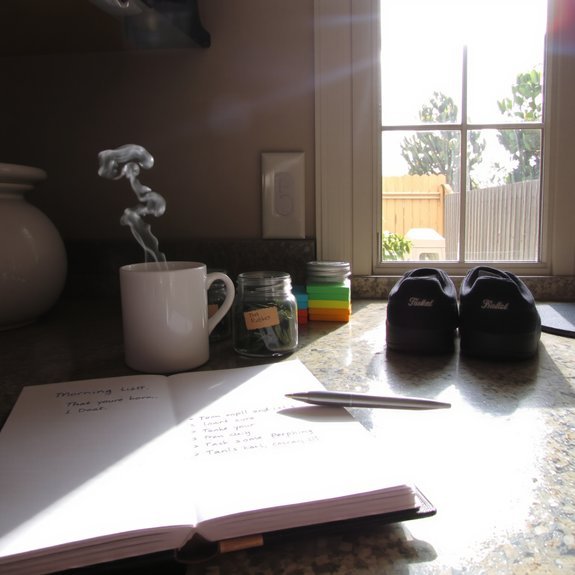
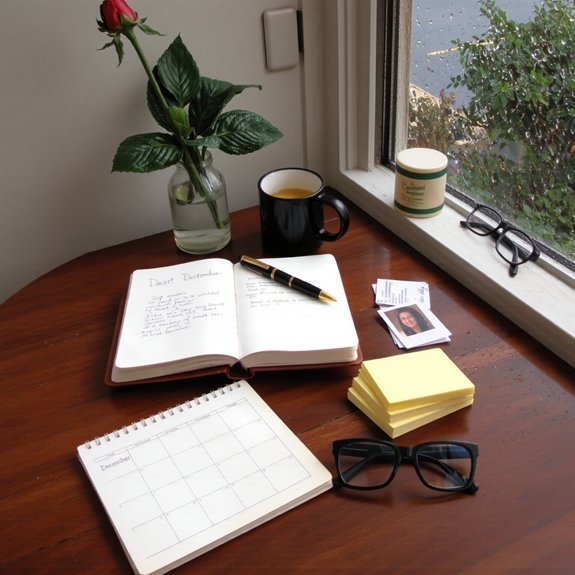
You’re standing by a calendar, coffee cooling, and I’ll tell you straight: you don’t need grand resolutions, you need a map. Start by naming what matters, pick one bold goal, then chop it into tiny, embarrassing steps—daily habits you can actually do before lunch. I’ll show you how to set deadlines, spot traps, and build a tiny accountability army, so you won’t bail when life gets loud—but first, pick the one thing that scares you most.
Key Takeaways
- Clarify values and write three personal truths to anchor goals that truly matter.
- Convert visions into specific outcomes with numerical targets and deadlines.
- Break each goal into weekly, manageable tasks and set three-month checkpoints.
- Build habits using cue–routine–reward, tie them to existing routines, and track progress daily.
- Anticipate obstacles, create recovery plans, and celebrate small wins to sustain momentum.
Clarify What Truly Matters to You
If you’re tired of chasing bright, shiny goals that fizz out by February, let’s clear the fog right now. You’ll start with a quick, honest values assessment, like sniffing coffee to see if it’s actually fresh — hands-on, not airy. I’ll prompt you: what lights you up, what grinds you down, what would you defend at dinner? Jot three truths. Then we move to vision creation: picture a morning five years out, you’re there, what’s different? Smell the air, hear the keys, feel the weight of that success. Write a headline for that scene. These tiny, tactile moves anchor goals to what you actually want, not what looks shiny, and they make January stick for once.
Review the Past Year With Honest Reflection
You’ll want to cheer for the real wins you had this year, the moments that made your chest tighten with pride, even if they were small. Then, point out the setbacks that kept repeating, the same sticky spots you tripped over, and ask yourself why you kept going back there. I’ll call you on your excuses, you’ll get honest, and together we’ll turn those lessons into sharper, sillier plans for next year.
Celebrate Real Wins
Alright—let’s be honest: I’m not here to hand out participation trophies. You earned wins, so celebrate achievements that matter, not every tiny checkbox. Sit with a mug, spread your calendar, point to the dates that shocked you—in a good way—and name them aloud. Tell a friend one specific victory, let the warmth of their “hell yes” land like sunlight. Photograph a finished project, frame a note, or dance for thirty seconds in your kitchen, because ritual makes success stick. Acknowledge progress by comparing who you are now to last January, not to some impossible ideal. Be precise: list three things you changed, one skill you leveled, and one habit you’ll keep. Reward honestly, laugh at the mess, then move forward.
Identify Recurring Setbacks
Nice—you’re basking in wins, and now it’s time to play detective. You scan last year’s notes, feel the paper’s crinkle, smell old coffee—start with simple self reflection techniques: timeline lists, sticky-note clusters, quick voice memos. Spot the patterns. Did workouts fade every March? Does your focus dissolve when meetings stack, like sugar melting in tea? Say it out loud, don’t be precious. I joke, you grimace, then you map triggers and blame together. For each recurring setback, jot one tiny countermeasure: alarmed calendar blocks, 10-minute reset walks, a buddy text. Those small habits teach grit, they turn stumbling blocks into stepping stones. This is honest work, and yeah, it’s where overcoming challenges actually begins.
Set Specific, Measurable, and Meaningful Goals
You’re going to pick one clear outcome, like “run a 10K” not “get fit,” so you can see the finish line and smell the victory sweat. Then you’ll set numbers and timelines—how many workouts a week, what pace, by when—so success is something you can count, not wish for. Finally, make it mean something to you, tie it to a value or a scene you care about, and I’ll hold you accountable with gentle mockery and a high-five.
Define Clear Outcomes
Clarity is a small, stubborn light I keep on when I plan—because vague wishes turn into forgotten notes on my phone. You’ll start by picturing the finish line, practicing outcome visualization like a short mental movie: smell the new gym kit, hear the click of a finalized draft, taste victory coffee. Speak the outcome aloud, write it on a crisp card, tape it where you brush your teeth. Set realistic expectations, trim the fluff, and tell yourself what success actually looks like tomorrow, next month, next quarter. I’m blunt: vague goals are sneaky time thieves. So you name the scene, pick an action, and schedule the first tiny step. Celebrate small wins, adjust as needed, and keep that stubborn light on.
Quantify Success Criteria
Numbers are your friend, even if they scare you a little—think of them as tiny, honest witnesses that cheer when you actually do the work. You’ll pick success indicators, concrete and simple. I’ll help you name them, set targets, and sketch deadlines, like mapping checkpoints on a hike. Hear the click of a checkbox, feel the small thrill. Use metric evaluation: choose a primary metric, a secondary sanity check, and one progress pulse you’ll check weekly. Say “lose 10 pounds by June,” or “publish 12 essays this year,” not vague wishes. Write the number, date, and how you’ll measure it. Test it, tweak it, celebrate micro-wins with a silly dance. Numbers won’t lie, and they make it fun.
Align With Values
Because goals that feel like someone else’s to-do list never stick, you’ll start by asking what actually matters to you—then make those values the boss of your plan. I’ll walk you through a quick value assessment: grab a pen, sit by a window, name five things that light you up, then rank them. Say “family,” “growth,” “health” out loud, feel each word in your chest. Now translate them into goals that are specific and measurable—“walk 30 minutes, three times weekly” not “exercise more.” Values alignment keeps you honest when motivation dips; it’s the tug on your sleeve that reminds you why. Keep checking in monthly, tweak targets, celebrate tiny wins, and don’t be afraid to drop what feels fake.
Break Big Goals Into Small, Actionable Steps
If a mountain-sized goal makes you gape and reach for snacks, don’t panic—you’ll climb it one careful step at a time. I break goals down like a map, you follow trails. Start with a clear goal breakdown, then carve it into tiny, helpful tasks. You’ll feel incremental progress, a tap-tap rhythm, not a monster roar.
- List the final outcome, smell it, name it.
- Split into weekly tasks you can actually do.
- Set tiny deadlines, celebrate oddball wins.
- Adjust as you go, shrug, redo the plan.
I tell you to touch a task, do five minutes, taste success. Scene change: you’re moving, not staring. Those small steps add up, and suddenly the peak looks do-able, maybe even fun.
Prioritize and Limit Your Focus Areas
When your to-do list starts wagging its tail and demanding breakfast, you narrow your world down like a chef choosing three ingredients for a killer soup: pick the flavors that matter, and everything else stays on the counter. You’re the chef here, so sniff, taste, and pick. Limit your focus areas to two or three, the ones that make your chest buzz and your calendar less ridiculous. Say no to shiny distractions, yes to steady progress. Write the focus areas on a sticky note, tape it to your laptop, and glare at anything that tries to distract you. Prioritize tasks by impact, not by urgency. Tackle the meat first, save garnish for later. I’ll remind you when you wobble — you won’t drown in options today.
Create a Realistic Timeline and Milestones
You can’t sprint an ultramarathon, so don’t schedule one; instead, sketch a timeline that feels like your pace, not a motivational poster’s. I’ll say it straight: timeline strategies are about nudges, not shocks. Feel the calendar under your fingers, block realistic chunks, and breathe when dates wobble. Use milestone mapping to chop big goals into tasty bites, each with a clear deliverable you can actually touch.
- Pick three-month checkpoints, small wins that glitter.
- Set weekly actions you’ll do without drama.
- Plan buffer weeks, for life’s curveballs and pizza nights.
- Mark celebration points, however tiny, and savor them.
You’ll get farther, with less guilt, and a better story to tell.
Design Habits and Routines That Support Progress
Because good intentions fade faster than leftover takeout, I build tiny rituals that actually stick—coffee that’s more than caffeine, a five-minute inbox triage that feels like folding clean laundry, and a single “do-not-skip” action that lives on every to-do list like a stubborn sticker. You’ll design habits and routines that nudge progress, not punish you. Start by anchoring a new action to something you already do, smell the mug, breathe, do the move. Use habit formation science: cue, routine, reward. Trim rituals weekly, practice routine optimization, swap steps that stall. Keep sessions short, sensory, and silly enough to enjoy—say a victory dance after one Pomodoro. Repeat, tweak, forgive slip-ups, and your goals get muscle.
Build Accountability and Track Your Progress
If you want goals to grow up, they need witnesses — not just hope and good vibes. You’ll lean on accountability partners who call you out, cheer, and guilt-trip you nicely. Keep progress journals, tactile and messy, where you scribble wins, stumbles, and the coffee stains that prove you showed up. Do simple, repeatable tracking so momentum feels satisfying, not punishing.
- Schedule weekly check-ins, short and honest.
- Share measurable mini-goals with a partner.
- Use a visible tracker, paper or app, daily ticks win.
- Write one-line reflections in your progress journals every evening.
I’m blunt: the squeaky wheel gets oiled. Make your progress noisy, visible, and inconvenient to ignore.
Prepare for Obstacles and Plan Recovery Strategies
When plans hit potholes—and they will—you want a map, a toolkit, and someone who won’t let you wallow in the breakdown lane. I tell you this because obstacle anticipation isn’t guessing doom, it’s scouting the road ahead. Picture a rain-slick night, your sneaker squelching, and you already know where the slick spots hide. List likely snags, timeline slips, and energy crashes, then assign quick fixes and signals to call for help. For recovery planning, sketch short rescue routines: a one-day reset, a trimmed-to-do list, a friend’s “don’t quit” text. Test them like fire drills, celebrate small returns, and adjust. You’ll stumble, you’ll laugh, and you’ll get moving again—probably with mud on your shoes.
Conclusion
You’ve got the map, now walk it. I’ll cheer, you’ll stumble — like a clumsy Victorian corset, we’ll adjust and breathe. Pick one clear goal, chop it into tiny, do-able steps, build a daily habit, and set a weekly check-in that smells faintly of coffee and resolve. When setbacks hit, shrug, recover, and keep moving. I’ll keep nudging; you keep trying. By year’s end, you’ll surprise yourself.