
You chose an HBCU later in life, and that says a lot about who you are—curious, bold, practical; you trusted a place that values people over pedigree, you rolled up your sleeves in small labs and louder classrooms, you learned from mentors who called you by name and pushed you into real work, not just grades. Picture late-night group edits, the smell of coffee, a dean who remembered your kid’s name—you’re ready to explain how that sharpened your grit, and why employers should listen next.
Key Takeaways
- State confidently that you chose an HBCU for mentorship, community, and hands-on learning that directly prepared you for the role.
- Highlight specific skills and outcomes from projects, internships, or leadership roles, using metrics when possible.
- Frame any nontraditional timeline as intentional skill-building, emphasizing resilience, adaptability, and continuous learning.
- Describe how HBCU networks and alumni mentorship produced referrals, professional connections, and practical career guidance.
- Share concrete examples of community impact and collaborative leadership that demonstrate accountability and results.
Why I Chose an HBCU Later in Life

Even though I’d already been around the block with community college and a couple of start-stop jobs, I walked onto that HBCU campus like a tourist who’d accidentally found home; the brick smelled faintly of rain and old books, students laughed in a rhythm I somehow recognized, and my shoulders unclenched. You’ll get why I enrolled later, because I needed community, not a credential conveyor belt. I wanted professors who told stories like they meant it, mentors who’d nod and push, and traditions that felt like glue. You’ll hear me say I was scared, proud, stubborn, and relieved—sometimes all at once. I joined campus clubs, showed up to chapel, ate late-night wings, and learned to belong on purpose.
Skills and Experiences Gained Through My HBCU Education
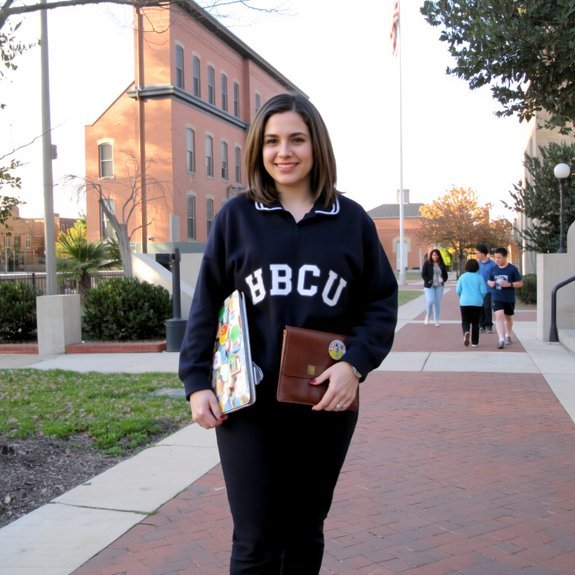
Leaving the tourist feeling behind, I started collecting skills the way students collect campus stickers—fast, with purpose, and a little messy. You watch me solve group projects at midnight, hands stained with coffee and marker ink, turning chaos into clear slides. You hear me lead a study session, voice steady, jokes in the margins, while I map theory to real tasks. You feel the grit from internships where I asked dumb questions until they weren’t dumb. You see how I translate classroom labs into process improvements, prototypes, or concise reports. I built resilience, polished communication, and learned to teach peers, not boss them. That mix—practical, people-first, unglamorous—makes you want me on day one.
How My HBCU Network Has Strengthened My Professional Path

You’ll hear me brag about mentors from my HBCU who pulled me into their office, slid me a business card, and told me exactly what to fix on my resume — no sugarcoating. Alumni referrals opened doors I didn’t even know existed, people vouching for me over coffee and on LinkedIn, which saved me months of cold outreach. Campus events turned into living job boards, where I collected names, shook hands, and left with opportunities and a ridiculous number of free pens.
Mentors Who Guide Careers
When I walked onto our campus green, rain-damp grass under my shoes and that old stone clock chiming noon, I didn’t know my future would come with a name and a hand to shake. You meet mentors who actually show up, not just preach. They’ll pull you into offices, point at charts, hand you business cards like confetti. They’ll correct your pitch with a sharp, loving grin, and roast your resume until it sings. Sometimes they drag you to events, introduce you loud and proud, and you pretend you’re cool — they know better. You get coaching on choices, tough love on mistakes, and warm referrals when you’ve earned them. Those faces become your compass, your occasional push, the folks who remember you when it matters.
Alumni Referral Advantages
Because alumni remember your face long after you forget theirs, I found doors opening with a single name dropped over coffee. You’ll meet someone who knows someone, and they’ll actually vouch for you — not with a stiff email, but a real, human nudge. I’ve felt the warmth of a referral, the quick intake of breath when a recruiter hears an alum’s endorsement. You get faster interviews, fewer hoops, and a conversational leg up. Say the name, share a memory, and watch calendars shift. It’s not magic, it’s social capital — lived, traded, and handed to you over reunion barbecue smoke and shaky handshake moments. Use it, be grateful, and return the favor when it’s your turn.
Networking Through Campus Events
If you wander into a campus mixer expecting name tags and stale punch, get ready to be pleasantly wrong — HBCU events are louder, warmer, and somehow smell like grilling and possibility. You stroll in, ears ringing from a brass band, and instantly someone’s handing you a plate, a business card, and a “Where you from?” You’ll talk shop, then mom, then that one prof who still remembers your capstone. I worked the alumni panel, cracked a bad joke, and scored a coffee with a recruiter the next week. You learn to read the room, hand out resumes like mixtapes, follow up with quick texts, and show up to tailgates as reliably as your LinkedIn. Those nights built a network that actually hires.
Translating Cultural Competence Into Workplace Value
You can tell employers you learned to read a room the way a barber reads hairlines — quick, respectful, and precise, so you shift tone and approach without flinching. I’ll show how that cross-cultural adaptability translates into clearer, inclusive communication, with examples of how I worded tricky emails and calmed heated meetings. Picture me stepping into a conference room, hands steady, turning friction into solutions — that’s the conflict-navigation skill you’re hiring.
Demonstrate Cross-Cultural Adaptability
When I tell an employer I went to an HBCU, I don’t just drop a school name and wait for the polite nod — I paint a picture they can feel: crowded dorm hallways buzzing with debate, late-night study groups trading notes and life hacks, and a campus calendar packed with cultural rituals that taught me to listen, adapt, and lead on the fly. You saw different traditions collide, tasted foods that had stories, and navigated slang, song, and schedule with curiosity, not fear. You learned to read rooms, shift tone, and join conversations without stealing the mic. Tell employers you’ve adapted quickly, mentored peers from varied backgrounds, and solved conflicts by asking one good question. That shows you’ll fit anywhere, fast.
Highlight Inclusive Communication
So you’ve shown you can read a room and calm the noise—now let’s talk about how that turns into talking so everyone actually hears you. I’ll tell you how to frame inclusive communication: name specific habits. Describe using plain language, pausing to check comprehension, and inviting quieter voices with a nod or direct question. Paint a scene—leaning in at a meeting, paraphrasing a colleague, watching shoulders relax when jargon drops. Mention tools you use: captions, bilingual summaries, visual aids. Drop a quick anecdote, self-deprecating—yes, I once butchered a pronunciation, then learned to ask. Link these habits to outcomes: smoother onboarding, fewer emails, clearer briefs. Employers want impact; show them your listening, translating, and connecting do real work.
Showcase Conflict Navigation Skills
Because cultural misunderstandings don’t announce themselves with neon signs, I learned to step into conflicts like a curious detective—quiet, alert, and ready to take notes—then turn the scene into something useful for everyone. You’ll show employers that you don’t avoid heat, you steer it. Describe a moment you cooled a meeting: you smelled tension, you paraphrased both sides, you asked one sharp, grounding question, and watch the room unclench. Mention the gestures—leaning forward, palms open, a laugh that breaks the edge. Say you map perspectives, translate jargon, and reframe objectives so teams move together, not past each other. Toss in a brief line about a misstep you fixed, show humility, and claim the lesson like a badge.
Addressing Employment Gaps and Career Transitions Confidently
Even if you’ve taken a detour—picked up freelancing, cared for family, or watched the job market do somersaults—you’ve got stories that show you grew, not paused; I’ll help you frame them so employers see skill, not a gap. Picture yourself at a kitchen table, laptop hums, coffee cools, you’re cataloging wins: project delivered late-night, budget saved, people coached. Say it plainly, “I shifted to freelance design, doubled client satisfaction,” then tie that to the role. Use dates and brief context, trim drama. Name skills—project management, client negotiation, quick learning—then give one crisp example. Don’t apologize, narrate. Your changes read as intentional steps, not flailing. Own the arc, wink if you must.
Sample Phrases to Explain Your HBCU Decision in Interviews
When I tell an interviewer I chose an HBCU, I say it like I’m ordering coffee—direct, a little proud, no essay required—because you picked a place that sharpened you, not sheltered you. Say: “I wanted classmates who challenged me, and professors who treated me like a colleague, not a number.” Add: “I learned to speak up in rooms where my voice mattered, and to listen when it mattered more.” Try a shorter, punchy line: “It taught me grit, nuance, and how to lead without ego.” If they probe, answer plainly: “I chose fit over prestige, real mentorship over a brochure.” End with warmth: “It made me better at people, problems, and deadlines—so I’ll show up ready.”
Demonstrating Impact: Projects, Leadership, and Community Involvement
I tell employers about the choice I made, then I show them what came of it — not with lofty claims, but with hard proof. You walk into meetings with a portfolio, not a prayer. Point to the community garden you helped design, the grant proposal you wrote that funded winter coats, the student org you revived from three people to thirty. Say, “I ran logistics, negotiated vendors, learned Excel by fire,” then laugh, “I still burn toast.” Describe tactile wins: seedlings sprouting, receipts balanced, applause after a crowded panel. Use numbers: budgets, attendance, Volunteer hours. Bring a one-page impact sheet and a photo or two. That way, your HBCU choice reads like results, not biography.
Conclusion
You chose an HBCU later because it fit who you were becoming, not who you’d been. I’ll say it plainly: you learned to lead, to listen, to get things done with people who had your back. Mention the projects, name a mentor, show the gap as growth, then pause — let them imagine the rest. Walk into the room ready, grounded, curious, and a little smug; they’ll notice the quiet confidence, and hire because you’re exactly what they need.