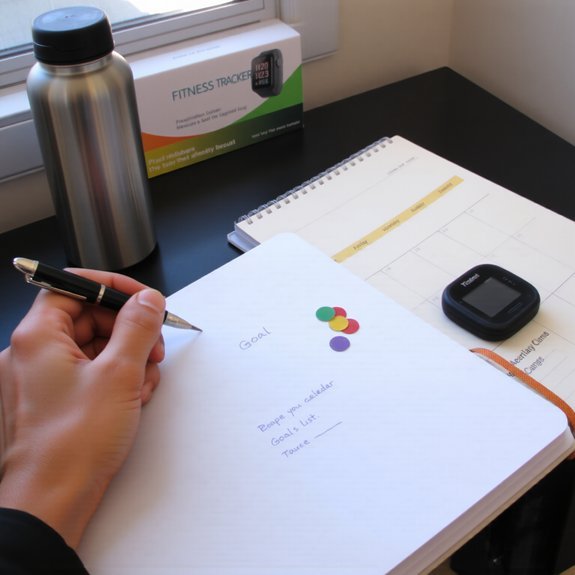
Tag: personal growth

  • How Do I Choose a Word of the Year

    How Do I Choose a Word of the Year

    You’re standing at the threshold of a new year, coffee cooling, calendar blank, and you want one word to steer the ship—smart. Start by scanning last year’s highs and flops, feel the sting and the glow, then name what mattered most; maybe it’s “clarity,” “courage,” or “margin.” Say each aloud, see which one sits heavy and honest in your chest, then keep it close—on your mirror, your phone, your wallet—because if it doesn’t make you act, it’s just pretty wallpaper.

    Key Takeaways

    • Reflect on last year’s highs, lows, and lessons to identify themes that need attention or celebration.
    • Clarify your core values and priorities, then choose words that directly embody those anchors.
    • Brainstorm freely, test candidate words aloud in daily scenarios, and keep ones that feel resilient under stress.
    • Create simple rituals and visible reminders (wallpaper, tokens, morning/evening cues) to integrate the word into daily life.
    • Review weekly wins and setbacks, adjust small tactics, and reassess the word periodically to keep it alive and useful.

    Reflect on the Past Year

    reflect sort learn grow

    Picture your year as a messy suitcase on the floor—socks, tickets, one mystery receipt you can’t explain. You kneel, unzip memories, pull out past experiences like crumpled maps and sticky notes. I nudge you: name the big, awkward moments, the quiet wins, the nights you learned to breathe. Feel textures — the grit of disappointment, the soft velvet of a kindness you didn’t expect. Jot scenes, dialogue crumbs, the smells that dragged you back. Say aloud what worked, what didn’t, what shocked you into growth. Those lessons learned aren’t lectures, they’re breadcrumbs to your next step. You’ll sort, toss, fold differently now. We laugh, you sigh, and a clearer path peeks from the pile.

    Identify Core Values and Priorities
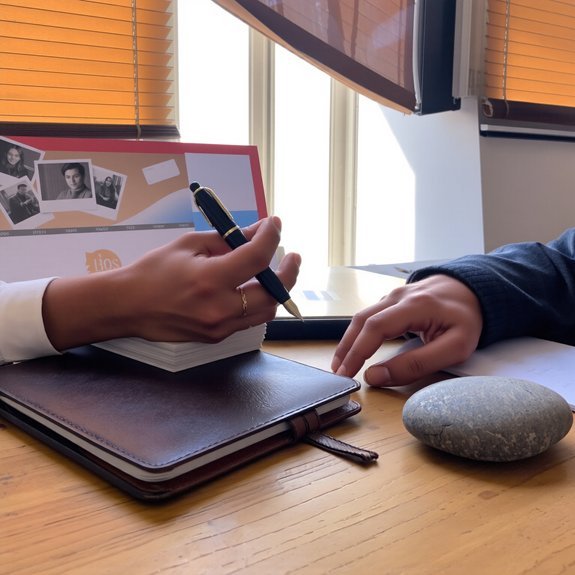
    identify and prioritize core values

    Okay, now that you’ve emptied the suitcase and patted down the lining for loose receipts, let’s name what really matters. Look around the room of your life — the smell of coffee, the stack of unread mail, sunlight on your desk — and ask, what do I defend no matter what? Say them out loud: kindness, courage, play, stability. Those are your core beliefs, the anchors when storms hit. Now rank them, not with guilt, but with honest appetite. Which personal values make your mornings lighter, your choices clearer? Touch each value, feel its weight, imagine saying no without regret. I’ll be blunt: pick the ones you’ll actually live by, not the ones that sound impressive at dinner parties.

    Brainstorm Candidate Words

    collecting words and associations

    Alright, let’s raid the word pantry and see what sticks: I want you to grab a pen, a napkin, anything—scratch down everything that buzzes when you think of your values, even the half-formed ones that sound a little weird out loud; don’t censor, just spill. I pace, you scribble. Say a word, then chase it with word associations — images, smells, small memories. Toss verbs, nouns, even goofy fragments. Use thematic brainstorming: pick themes like courage, calm, curiosity, then riff ten words under each. Say them aloud, feel the mouth-shape, notice which ones sit heavy or light. Circle favorites, cross out the show-offs. Snack break optional. Keep it messy, fast, playful. Later we’ll sharpen, but for now, collect the glitter.

    Test Words for Fit and Longevity

    You’re going to test each candidate word like it’s auditioning for a tiny, dramatic role in your daily life — say it out loud while making coffee, text it to a friend, scribble it on a sticky note and see if it still feels right by lunch. Notice how it lands in your chest, whether it sparks a smile or feels flat, and imagine using it a year from now when things change, seasons shift, and you’re tired but stubbornly hopeful. I’ll be blunt and a bit ridiculous: if the word survives morning chaos, emotional honesty, and future curveballs, it’s probably a keeper.

    Everyday Usability

    Let’s do a quick kitchen-test for your Word of the Year: say it out loud while you’re making coffee, stuck in traffic, or texting your stubborn aunt, and notice how it feels in your mouth—does it sit right, or does it trip over your tongue like an overstuffed sandwich. Say it again, use it in a sentence, imagine it on a sticky note by your keys. You’re evaluating everyday applications, imagining daily implementations. Try these quick scenes and notice the fit:

    • Whisper it while rinsing dishes, listen for honesty.
    • Text it to a friend, see if it survives autocorrect.
    • Say it in your head during a boring meeting, check stamina.
    • Write it on a grocery list, watch if it gets used.

    If it survives, you’ve got a keeper.

    Emotional Resonance

    Emotion matters more than you think, and I’m picky about it—so should you. You hold a word up to the light, feel its weight, listen to how it sits in your mouth. Say it aloud, whisper it at dawn, curse it at noon. Notice the emotional impact, the quick warm tug or the flat shrug. Does it spark a memory, a smell of rain on pavement, your grandmother’s laugh? That personal significance tells you if the word will live with you. Test it for weeks, slip it into a sentence, see if it comforts or nags. If it makes you grin and steady your steps, keep it. If it feels like wearing last year’s shoes, thank it and move on.

    Future-Proof Adaptability

    If a word can survive a surprise plot twist, it’s probably worth keeping—because life will surprise you. You want a word that bends, not breaks, when plans shift, so test it for fit and longevity. I toss words into scenes, feel their texture, hear their snap. If they sit well in chaos, they pass.

    • Say it aloud during a crisis, listen for steady breath, not panic.
    • Use it in a tiny victory, taste the sweetness, note the spark.
    • Imagine it in five years, watch how it wears, see if it still fits.
    • Pair it with adaptable strategies, ask if it nudges a future ready mindset.

    Pick the word that stays useful, even when the script flips.

    Narrow to a Shortlist

    Now that you’ve gathered a pile of contenders, it’s time to play matchmaker—only with words, not awkward small talk. You spread them on the table, fingers tapping, coffee steam fogging your glasses. Use practical word selection strategies: test sound, image, and ease of saying it aloud. Ask, does it spark motion in you, or just look pretty on a sticky note?

    Set shortlist criteria, three to five max. Pick words that feel vivid, usable in sentences, and that won’t wilt by March. Whisper each candidate, walk around the room, see which one echoes back. Cross out the flops, keep the ones that make your chest tighten a little—yes, that’s scientific, I promise. Trim until the pile hums.

    Decide on Your Word With Intention

    Decision time. You’re here to pick one word, not a manifesto, so breathe, feel the weight of ink, and choose with intention setting. I’ll be blunt: this is where mindful choices matter. Say the words aloud, taste them—do they sit light or heavy? Picture a Tuesday morning, coffee steam, a quick win: does the word help?

    Decision time: pick one word that feels like a steady yes—simple, breathable, and built to last.

    • Does it nudge you, gently, toward what’s missing?
    • Can you say it when tired, still feel steady?
    • Is it broad enough to grow, specific enough to guide?
    • Will it survive a bad day, a surprise detour?

    You’ll know, because it’ll make you smile, or steel you up. Trust your gut, and pick the one that feels like a yes.

    Create Practical Reminders and Rituals

    You’ll want to slap your word where you’ll actually see it—on your bathroom mirror, phone lock screen, or coffee mug—so the sight and the silly reminder hit you before you’ve had caffeine. Start and end your day with a tiny ritual, like saying the word aloud while stretching, or scribbling it once on a sticky note and folding it into your pocket; it’s awkward at first, trust me, that’s part of the fun. These little cues and rituals turn a tidy intention into habit, and habits, unlike good ideas, actually stick.

    Daily Visual Cues

    How will you actually remember your Word of the Year when life zips by like a caffeinated squirrel? I’ll bet you need visual inspiration that sticks, not a lecture. Put the word where you see it, touch it, and trip over it in the nicest way.

    • Stick the word on your mirror, in bold, so morning coffee meets intention.
    • Set a tiny card by your keys; graze it when you leave, get a mindful reminder.
    • Use a phone wallpaper with a simple image and the word, bright and cheeky.
    • Place a textured token in your pocket; rubbing it nudges attention, like a gentle elbow.

    These cues become tiny rituals, sensory anchors that whisper, “Remember,” throughout a busy day.

    Simple Start/End Ritual

    If you want your Word of the Year to actually stick, start and end your day with tiny, repeatable rituals that don’t need motivation, only muscle memory—I do morning and evening ones, and they’ve saved me from forgetting my own name on deadline days. Each morning, rinse your face, breathe, and whisper the word into your palm like a secret. It smells like coffee and possibility. At night, place a hand on your chest, read one sentence of personal reflection, and exhale the day away. These simple start/end ritual moves are low drama, high signal. They cue the brain, anchor intention, and make the word part of real life. Do it for a week, then call me, triumphant or delirious.

    Review and Adjust Throughout the Year

    Once every few weeks, I like to stop, make a cup of something strong, and actually look at my word — not like it’s a poster, but like it’s a small, opinionated friend who’s either cheering me on or quietly judging my choices. You do the same, you sip, you ask gentle questions: Is this helping? Where did I stumble? Keep a tiny progress tracking note, honest and messy. Then tweak.

    • Check one concrete win from the week, no bragging, just facts.
    • Name one stubborn habit that resisted change, be blunt.
    • Adjust one small tactic for the coming week, try it fast.
    • Jot a line toward your year end evaluation, don’t wait.

    Repeat, laugh, course-correct, keep it alive.

    Conclusion

    You’ll pick a word that feels like a worn key, small but heavy, that fits the lock of your year. I’ll nudge you, tease you, then shut up so you can try it on at breakfast, in meetings, on bad days. If it sparks, keep it; if it drags, swap it. Tape the word to your mirror, whisper it when you worry, wear it like a lucky coin. Come December, we’ll compare notes — win or learn.


  • How Do I Set Realistic New Year’s Resolutions

    How Do I Set Realistic New Year’s Resolutions

    You’re not starting with a blank slate, you’ve got habits, tastes, and a cozy pile of excuses—so let’s pick goals that actually fit your life. I’ll help you choose one to three values-driven priorities, chop them into ten-minute moves, set small milestones you can see, and plan for the potholes—plus celebrate tiny wins so you don’t bail at week two. Stick with me and you’ll have a plan that feels doable, not punitive, and a sweet little victory to chase first.

    Key Takeaways

    • Choose one to three goals that reflect your core values and excite you, not what others expect.
    • Define clear, measurable outcomes and deadlines so success is objectively trackable.
    • Break each goal into tiny, prioritized tasks you can do in ten minutes or less.
    • Anticipate obstacles, create backup actions, and plan quick recovery steps after setbacks.
    • Track progress daily or weekly with simple logs and celebrate small wins to sustain motivation.

    Choose Goals That Reflect Your Values

    reflect personal values authentically

    Pick one, or three—whatever feels honest. I’ll say this plainly: you’re picking goals that should sit right in your chest, not in someone else’s calendar. Do a quick personal reflection, sit by a window, smell coffee, jot what matters—kindness, curiosity, sleep. Test each idea for value alignment: does it match your day-to-day choices, your awkward jokes, the way you spend Saturday mornings? If not, toss it. Pick specific actions: call once a week, walk twenty minutes, read one chapter. Say them out loud, feel them in your mouth, imagine the small wins. I’ll admit I sometimes aim too high; you’ll laugh, adjust, and keep the ones that actually fit your life. Simple, honest, steady.

    Focus on a Few Priorities, Not Everything at Once

    focus on key resolutions

    Pick one to three resolutions you actually care about, not a laundry list that makes you sneeze just looking at it. I’ll help you break each into measurable milestones—small wins you can touch, track, and high-five when they happen. Then we’ll schedule regular check-ins, a quick calendar ping and a sit-down with your coffee, so you can course-correct before enthusiasm goes extinct.

    Pick One to Three

    One to three goals—no more, no less—are all you need to start the year without collapsing into overwhelm. I want you to pick the sharpest resolution types, the ones that buzz when you think of them, and forget the rest. I’ll show goal examples that feel possible, not heroic. You’ll touch them daily, like tasting coffee—small, precise sips.

    1. Choose one health goal, say morning walks, and schedule them.
    2. Pick one skill, like 20-minute guitar practice, and keep a log.
    3. Select a money habit, maybe automate savings, watch it grow.
    4. Reserve one social aim, call a friend weekly, notice the warmth.

    You’ll focus, you’ll breathe, you’ll actually finish something.

    Set Measurable Milestones

    Good—you’ve narrowed your list to a handful of buzzy goals that actually feel doable; now let’s give them a map. You pick the priority, I cheer wildly, we get specific. Break each goal into bite-sized milestones, name measurable outcomes like “lose 8 pounds” or “read 12 books,” and set dates that make sense. Picture stickers on a calendar, the satisfying tug of a checked box. Use simple tools for progress tracking—a notebook, app, or sticky notes on the fridge—whatever you’ll actually use at 6 p.m., tired. Celebrate small wins, adjust if a milestone feels ridiculous, and be honest when you slip up. You’ll build momentum, not guilt. I promise, it’s more rewarding than whining about vague ambitions.

    Schedule Regular Check-Ins

    Think of this like date night with your goals — regular, predictable, and slightly romantic in its commitment. I tell you, set a clear check in frequency, weekly or biweekly, so momentum smells like fresh coffee, not panic. Pick a quiet corner, calendar visible, phone off. Bring concrete wins, failures, and next steps. Loop in accountability partners, a friend or coach, someone who asks the blunt questions.

    1. Choose frequency: weekly for fast habits, monthly for big projects.
    2. Keep it short: 20–30 minutes, focused on progress, not excuses.
    3. Bring specifics: numbers, receipts, photos — sensory evidence.
    4. Debrief and reset: decide one micro-action, set a deadline, celebrate small wins.

    You’ll laugh, adjust, and keep moving.

    Make Goals Specific and Measurable

    set measurable fitness goals

    You’ll want to name what success looks like, not just hope it happens — “lose weight” is fuzzy, “lose 10 pounds in three months” tells you when to celebrate. Mark progress with measurable checkpoints you can actually see and feel, like weighing in every two weeks, logging workouts, or counting servings of veggies. I’ll hold you to it, gently, with reminders, tiny rewards, and the occasional sarcastic cheer.

    Define Clear Success Criteria

    If you want that New Year’s promise to actually stick, don’t mumble a wish—define success like a tiny referee with a clipboard. I want you to name success indicators, set goal benchmarks, and picture the win so clearly you can almost hear the confetti. Be concrete, not vague. Say, “I’ll hit X,” not “I’ll do better.” Measure outcomes you can see, touch, or count. Commit to one clear finish line, then describe it.

    1. List the exact outcome, with numbers or visible proof.
    2. State the deadline, calendar date, and final scene.
    3. Note what counts as partial wins, and what’s a fail.
    4. Keep the rules simple, review them weekly, adjust if needed.

    You’ll thank yourself later, trust me.

    Set Measurable Progress Markers

    A few clear checkpoints will save your goal from becoming a dusty promise in drawer three of life—trust me, I’ve checked. You’ll pick tiny, measurable outcomes, like “run 3 miles twice a week” instead of “run more.” I’ll nudge you to name the numbers, deadlines, and evidence you’ll show yourself, a sweaty shoe, a calendar sticker, a spreadsheet row. That’s progress tracking, plain and useful. Set weekly mini-goals, log them, review every Sunday, celebrate with a treat that doesn’t undo progress. If a marker’s too hard, shrink it; too easy, stretch it. I promise bluntness: you won’t guess your way to change. Do the small checks, watch momentum build, and feel the satisfying click of real progress.

    Break Each Goal Into Small, Actionable Steps

    While big goals feel thrilling, they also choke on vagueness—so I break them down into tiny, chewable bites you can actually swallow without gagging. You’ll laugh, then act. Start with a clear goal breakdown, naming the outcome, then slice it into actionable steps you can do in ten minutes. Picture sticky notes, a pen that squeaks when you press too hard, and a timer clicking like a tiny coach.

    Big goals choke on vagueness—break them into ten-minute bites, sticky notes, squeaky pen, tiny-timer momentum.

    1. Define the exact win you want, write it down, smell the paper.
    2. Split that win into daily micro-tasks, each under 15 minutes.
    3. Order tasks by effort, tackle the smallest first, build momentum.
    4. Track one completed step, celebrate with a dramatic fist pump.

    Build Routines and Cues to Support New Habits

    Because habits don’t just happen, I build tiny rituals that nudge me like a polite but persistent roommate. You’ll do the same: link a new habit to something you already do, that’s habit stacking, and it’ll feel oddly inevitable. Put your running shoes by the door, brew one coffee right when you wake, leave a sticky note on the bathroom mirror. Use environmental cues—sight, smell, touch—to trigger action, not guilt. Start tiny, celebrate instantly, then add five extra seconds. I whisper, “You’ve got this,” to my toothbrush and mean it. Set a simple sequence: cue, action, reward. Repeat until it’s automatic. It’s boring, steady work, like folding laundry, but way more satisfying.

    Plan for Obstacles and Setbacks

    You’ll hit a snag — and sooner than you think — so let’s plan like a tiny, cheerful army would. I picture you, coffee cup in hand, spotting the first obstacle identification on the path — a late meeting, a cold, a snack attack — and you sigh, then smirk, then act. You’ll name the snag, breathe, and pick a simple counter.

    You’ll hit a snag — smile, name it, breathe, and pick a tiny, cheerful counter to keep moving.

    1. Anticipate: list likely obstacles, sensory triggers, times of day, people involved.
    2. Reduce friction: lay out clothes, prep snacks, set buffer time, make the default easy.
    3. Backup plans: three tiny alternatives you can do in five minutes.
    4. Recovery script: a quick pep line and a next-step you can actually do.

    These setback strategies keep you moving, not stalled, with dignity intact.

    Track Progress and Celebrate Milestones

    Now that you’ve sketched the path, track it like a friendly detective: eyes on the breadcrumbs, coffee mug next to your notebook, pen tapping when you spot progress. I want you to log tiny wins, snap a photo, jot a sentence, or tick a box. Progress tracking isn’t glamorous, but it’s proof. Set weekly check-ins, calendar alerts, and a simple chart you’ll actually update. Reward yourself, not with guilt, but with small milestone celebrations — a favorite snack, a movie night, a new pair of socks that make you feel heroic. Say aloud, “I did that.” Celebrate, then reset the aim. Keep it sensory, honest, and slightly ridiculous; you’ll laugh, and you’ll keep going.

    Conclusion

    You’ll nail this, I promise — maybe not on day one, but like, probably by day seven if you’re honest. Pick what matters, chop it into tiny ten-minute wins, and set a little alarm that smells like progress (figuratively). I’ll check in with a calendar cue, you’ll do the short task, we’ll high-five over coffee. Adjust when life sneaks up, celebrate the tiny victories, and keep the goals real — you’ve got this, seriously.

  • How to Grow as a Leader Through HBCU Student Organizations

    How to Grow as a Leader Through HBCU Student Organizations

    You’re already in the room, so stop hovering by the snacks and start leading; I’ll show you how to turn messy meetings into tight plans, awkward intro speeches into confident mic moments, and late-night group texts into projects that actually finish. You’ll pick roles that fit your quirks, practice tough conversations until they don’t sting, pull in mentors who owe you favors, and build events that smell like success (and fried plantains). Stick around—there’s one move most people miss.

    Key Takeaways

    • Choose organizations aligned with your goals and take roles that stretch your skills instead of staying comfortable.
    • Lead projects end-to-end to practice decision-making, delegation, and accountability under real deadlines.
    • Rotate roles and responsibilities to build public speaking, conflict resolution, and project-management experience.
    • Create mentorship circles and connect with alumni for feedback, networking, and career guidance.
    • Plan community service initiatives to practice civic leadership, visibility, and measurable social impact.

    Why HBCU Student Organizations Are Unique Leadership Labs

    hbcu organizations foster leadership

    When you step into an HBCU student organization meeting, you don’t just sit down — you walk into a room humming with history, laughter, and the kind of high-energy debate that smells like coffee and ambition. You feel it on the walls, in the playlist, in the way leaders call on you by name. These groups are hands-on labs, where you’ll draft flyers at midnight, mediate real conflicts, and learn to lead with grace under ridiculous pressure. I’ll admit, you’ll mess up — spectacularly sometimes — and that’s the point. Folks will correct you, cheer for you, and expect growth. You’ll rehearse speeches in hallways, negotiate budgets over pizza, and leave smarter, bolder, a little more you.

    Finding the Right Organization and Role for Your Goals

    pursue challenging goal aligned roles

    You want an organization that lines up with your goals, so picture the meetings, projects, and people you’ll actually enjoy working with. I’ll tell you straight: pick roles that push you—stretch your skills, make you sweat a little, and give you something to brag about at interviews. If a position feels comfy and forgettable, pass; chase the ones that spark nerves and pride.

    Aligning With Personal Goals

    Because your goals should steer your involvement, don’t pick a club like it’s a mystery grab bag—you’ll end up with glitter on your shirt and nothing that actually helps your resume. I tell you this because aligning your goals with a group saves time, energy, and dignity. Picture your future job, the skills it asks for, the people you want in your network. Smell the coffee at meeting night, note who talks strategy, who handles logistics. Ask specific questions: “How will this help me lead projects?” “Who mentors members?” Take notes, compare clubs on a simple checklist—skills, connections, time, vibe. Try a month, then reassess. If it’s not moving you forward, pivot. You’ll thank yourself later, seriously.

    Choosing Roles That Challenge

    If you want to grow, don’t settle for the comfy title that looks good on paper but feels like a desk job at a lemonade stand — aim for roles that make your hands dirty and your brain sprint. I tell you straight: pick positions where you’ll solve real problems, not just check boxes. Say yes to messy events, tight budgets, and awkward conversations — those are growth labs. Walk meetings, taste-test food setups, count chairs, wrestle schedules. Ask hard questions in interviews: “What’s the hardest moment I’ll face?” Watch reactions. Try a stretch role for a semester, if it tanks, you’ll learn fast, and if it sings, you’ll glow. Swap stories with seniors, take notes, and claim the next bold slot.

    Building Core Skills: Communication, Strategy, and Teamwork

    learn through practical experiences

    When I’m standing in a buzzing student center, pizza box in one hand and a clipboard in the other, I can feel the room teaching me something every time—how to talk so people listen, how to map a plan that actually happens, and how to turn a group of strangers into a team that moves. You learn fast, by doing, by tripping over deadlines, by laughing at your own bad announcements. Practice these basics.

    • Speak clear, trim your message, watch faces, then tweak.
    • Draft a simple plan, assign one task per person, set a real deadline.
    • Run quick check-ins, celebrate tiny wins, fix what’s broken.
    • Rotate roles, coach kindly, let others shine while you learn.

    Leading Inclusive Events and Community Engagement

    Even as the punch bowl bubbles and the DJ queues up the next track, you’ve got to be the person who notices who’s cheering and who’s standing alone by the drinks table — I’ve learned that the real work of leading is less about the flashy program and more about the small, deliberate moves that let everyone join in. You scan faces, offer a smile, pull someone into a conversation. You set music that nods to campus roots, light scent-free candles, add captions to slides, and place chairs in circles, not rows. You ask dietary needs, translate flyers, and let quiet people speak first. You’ll stumble, apologize, learn fast. It’s messy, joyful, and it builds trust — that’s your goal.

    Mentorship, Networking, and Alumni Partnerships

    You’ve probably heard the phrase “networking is key,” but I’ll say it bluntly: you need people who’ve been where you want to go. Picture a mentorship circle, chairs in a half-moon, coffee steam fogging your glasses as alumni and students trade war stories and resume fixes — you ask, they answer, sometimes they roast you gently, always they push. Then there’s the alumni network bridge, a quick email or LinkedIn ping that opens doors you didn’t know existed, and yes, I’ve sent the awkward first message so you don’t have to.

    Mentorship Circles

    Because leadership gets lonely fast, I built a Mentorship Circle that felt more like a backyard barbecue than a boardroom. You show up with questions, snacks, and a messy notebook, and we trade awkward stories, honest feedback, and action steps. I guide, you practice, we laugh when plans go sideways.

    • Rotate hosts, bring a skill, present a tiny failure story
    • Pair new leaders with peer mentors for two-week sprints
    • Use role-play, real props, and blunt feedback in 15-minute rounds
    • Close each session with one concrete promise and a check-in date

    You’ll smell coffee, hear elbows on tables, feel the nudge to try again. It’s candid, warm, urgent — exactly what growth needs.

    Alumni Network Bridges

    When I first set up an alumni bridge, I wanted it to feel like sliding into an old friend’s kitchen — coffee stain on the table, a stack of résumés, and a hundred ways to help each other without sounding like a networking robot. You’ll invite grads for pizza nights, office-hour drop-ins, and mock interviews. You’ll pair enthusiastic sophomores with polished professionals, trade war stories, and swap contact info like secret recipes. You’ll host panels that smell of takeout and optimism, then follow up with handwritten thank-you notes — yes, actual pen strokes. You’ll learn to ask for favors without apologizing, to listen, and to pass introductions like a relay baton. It’s messy, human, useful, and it’ll make you a better connector, fast.

    Managing Conflict, Setbacks, and Sustainable Growth

    If conflicts flare up—over funding, event plans, or who gets the last slice of pizza—you’re going to notice, fast, who hides under a metaphorical table and who grabs a mop and starts cleaning up the mess. I’ll tell you straight: you learn by doing, by stepping into noise, by listening while the room smells like burnt coffee and ambition. Breathe, name the problem, and move people toward a fix, not a finger-pointing contest.

    • Pause, let everyone speak, then paraphrase back.
    • Offer small wins, restore trust with real actions.
    • Keep records, track decisions, avoid déjà vu arguments.
    • Scale slowly, budget for margin, prioritize people.

    You’ll stumble, recover, and build something steady.

    Translating Campus Leadership Into Career and Civic Impact

    So you’ve spent semesters corralling meetings, convincing reluctant members to show up, and turning half-baked ideas into events that actually happened—good. Now take that noise and polish it into something employers and neighborhoods actually notice. You’ll tell crisp stories, name roles, list measurable wins—attendance numbers, budgets balanced, conflicts resolved—small trophies that mean real skill. Practice a two-minute pitch, rehearse with friends, and swap feedback like it’s free food. Volunteer on a local board, run a campus-to-city project, or mentor a freshman — tangible proof matters. Translate jargon into results: “led team of 12” becomes “cut planning time 30%.” You won’t brag awkwardly, you’ll show work. That’s how campus fame becomes career and civic muscle.

    Conclusion

    You’ve seen the lab, you’ve tried the experiments, now get your hands dirty — I’ll be right there cheering (and tripping over a mic cord). Pick groups that spark you, speak up, mess up, learn fast, and pull others forward. Host events that hum, mentor and be mentored, and treat setbacks like detours, not dead ends. Do this, and you’ll turn campus hustle into career muscle and a life that actually matters.