
Let’s call it “collecting evidence” instead of bragging—because you’ll need proof, not praise. Picture you in a crowded student center, laptop humming, jotting down a campus project that actually mattered, while a professor tosses you a recommendation like it’s a hot potato; you smile, you take it. I’ll show you how to spot the right gigs, turn messy group work into polished pieces, and build a portfolio that opens doors—so keep going.
Key Takeaways
- Join campus labs, student orgs, and research projects to gain real-world work you can document and showcase.
- Curate 4–8 high-quality pieces with metrics, one-line takeaways, and clear file naming for easy review.
- Build a simple online portfolio (GitHub, personal site, or portfolio platform) with user-friendly navigation and contact info.
- Seek faculty and alumni mentors for critique, referrals, and opportunities to strengthen showcased projects.
- Update monthly, remove outdated work, and practice a concise two-minute pitch tailored to employers and career fairs.
Why a Portfolio Matters During Your HBCU Years

When you walk into a campus career fair, breath still warm from your coffee and nerves doing a jittery tap dance, a portfolio does the talking you haven’t practiced yet. You’ll catch eyes, hand over a tidy packet or tablet, and suddenly your work speaks clearer than your Monday morning voice. It proves you showed up, finished things, and learned how to explain them without drama. Recruiters love evidence, professors respect craft, peers nod like you’ve got receipts. Your portfolio holds wins, drafts, lab photos, code snippets, logos, and critiques—tactile proof you grew. It saves you from rambling, gives you a confident opener, and makes follow-ups effortless. Treat it like your best argument, polished, honest, and a little bit charming.
Identifying Your Strengths and Career Goals
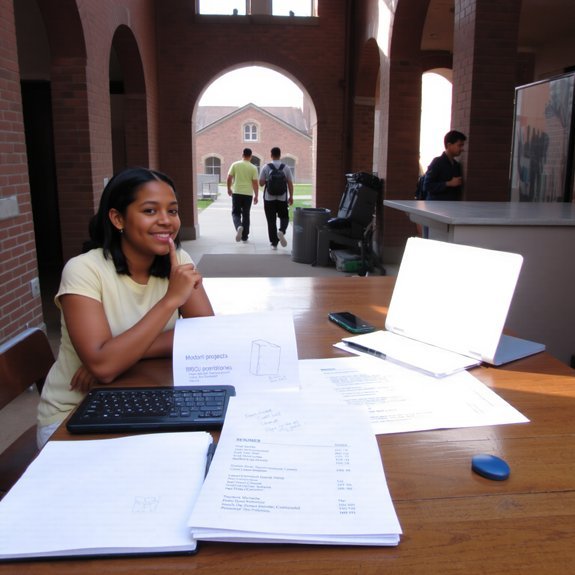
You’ve handed over your portfolio at the fair, felt that small electric click when a recruiter actually looks up—now let’s figure out what lives inside that shiny packet. You’ll sit, breathe, and list what you do best: coding that finally runs, pitches that land, sketches that make people laugh. Say the skills out loud, feel them in your fingers. Then name the job you want, picture the office, the commute, the coffee mug you’d steal from your future self. Match skills to that picture. Trim the soft stuff. Keep proof — links, screenshots, short stories of wins. I’ll nag you: be honest, not humble. Swap vague goals for clear targets, set one deadline, and start filling the portfolio with things that actually prove you matter.
Finding High-Impact Projects on Campus
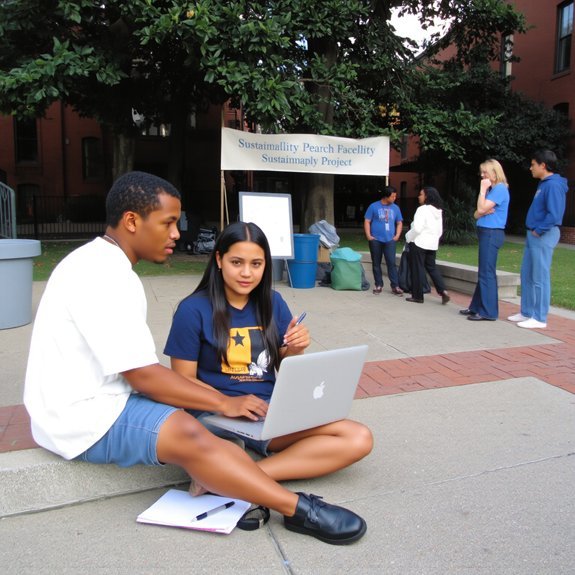
You should scout campus labs and research groups, slip into a lab meeting, smell the coffee and scribble your name on a post-it like you mean business. Then, pair up with student organizations, offer to run their next project or digital campaign, and watch your resume fill out while you learn to herd volunteers. I’ll say it bluntly: get messy, get curious, and pick projects that make people notice you — in a good way.
Join Research or Labs
Because labs and research gigs are where you’ll get your hands dirty and your résumé noticed, I’m going to say it plainly: hunt them down like they’re limited-edition sneakers. Walk department halls, drop into office hours, knock on doors — yes, really. Listen for project buzz, spot whiteboards crowded with scribbles, smell coffee and solder, feel the hum of gear. Ask professors what’s urgent, mention skills you’ve built, offer to do grunt work first. Show up prepared, bring a notebook, pitch a tiny idea, volunteer for data cleaning. Join a lab meeting, listen more than talk, then follow up with a quick, polite email. Treat every odd task like evidence. You’ll build experience, get referrals, and earn stories that actually make employers look up.
Partner With Campus Organizations
Lab work will get your hands dirty, sure, but campus orgs let you show you can move a crowd, run a budget, and ship something real. Think student government, cultural clubs, or the tech society — they always need projects, you just need to grab one. Walk into a meeting, offer to build the event page, design the flyer, or run sign-ups. Say yes to messy tasks, because they become portfolio pieces: photos, budgets, timelines, emails. I’ll admit, leading a tabling blitz felt like herding cats, but the social media boost paid off. Capture before-and-after shots, get testimonials, save drafts and receipts. Turn every planning session into a case study. You’ll collect tangible work, stories to tell, and proof you can ship under pressure.
Leveraging HBCU Networks and Mentors
You’ve got a secret weapon on campus: alumni who remember your school’s hallways, still answer late-night calls, and love helping when you bring them something real to work on. I’ll show you how to tap those alumni connections, and how to pick faculty mentors who’ll critique your portfolio like a coach—tough, honest, and oddly proud. Picture quick coffees in sunlit offices, an emailed draft at midnight, and a mentor’s blunt “fix this” that actually makes your work sing.
Campus Alumni Connections
One quick truth: alumni are your secret zip code to opportunity — and I mean that in the good, slightly magical way. I tell you, walk into reunions like you own the room, smile, and name-drop your major; someone will lean in. Tap the alumni office, scan LinkedIn, slide into polite DMs, and show work — a project screenshot, a landing page, a portfolio PDF. Ask for coffee, not a job; trade stories, take notes, and follow up with gratitude. Volunteer at alumni events, offer to help with social media, or invite an alum to judge a student showcase. Keep records, send progress updates, and say thanks with a handwritten note. Relationships compound; they’re small, noisy investments that pay off.
Faculty Mentorship Pathways
When I first wandered into Professor Daniels’ office, smelling of pizza and nervous confidence, I didn’t know I was stepping into a mini-career GPS — but that’s exactly what faculty mentorship can be at an HBCU: a sharp, human-powered shortcut through job listings and imposter syndrome. You’ll learn to knock on doors, literal and metaphorical. Ask for feedback, bring a draft, and watch them dissect your portfolio like a patient surgeon. They’ll share contacts, conference invites, and the kind of blunt truth you need. Say yes to small gigs they suggest. Take notes, send thank-you emails, iterate. Expect jokes, gentle roasts, and practical templates. Treat mentorship like an apprenticeship: show up, do the work, and return the favor when you’re ready to mentor someone else.
Documenting Work: What to Keep and How to Organize It
If you start saving everything and nothing, your portfolio will look like a junk drawer — chaotic, noisy, and full of mismatched receipts you’ll never use. I tell you, be picky. Keep polished drafts, final projects, feedback notes with names and dates, high-res images, and any metrics that prove impact. Photograph physical work, scan handwritten sketches, save email praise, and export code with README files. Label files clearly: COURSE_PROJECT_Title_DATE_VERSION. Organize by skill or employer-ready theme, not by semester. Back up to cloud and an external drive, test restores, and keep a simple changelog so you know what changed and why. Every item should earn its spot. If it doesn’t, toss it — ruthless, tidy, satisfying.
Building an Online Portfolio Platform That Works
Since you’re not building a dusty folder, you’re building a stage — and I’ll be your slightly sarcastic stage manager. You pick a clean template, I’ll pretend I did it for you. Choose a fast host, clear navigation, and readable fonts so your work loads quick and looks sharp on phones and laptops, feel that smoothness under your fingertips. Add project pages with short intros, process shots, and final images — people love before-and-after, humans are visual. Include an about page that sounds like you, contact info that actually works, and downloadable résumé for recruiters who still like paper. Keep SEO basics, a simple domain, and one consistent color palette. Update monthly, test links, and don’t forget backups.
Showcasing Nontraditional and Collaborative Projects
Because weird projects and team chaos make better stories than a solo résumé ever will, I’m going to make you proud of the messy, brilliant things you’ve helped build. You’ll show how you solved a problem, not just your title. Say what you did, who smelled like burnt toast in late-night prototyping, and which mistake taught you the most. Use photos, short clips, commit diffs, and one-line outcomes.
- Describe your role and the messy win, with a screenshot or sketch.
- Tag teammates, link prototypes, and note your exact contribution.
- Add metrics or quotes, even awkward praise from your professor.
- Show the failure briefly, then the pivot, then the bright result.
Tell the story like you were there.
Preparing a Strong In-Person Portfolio Presentation
Alright, you’ve told the messy, brilliant story — now get ready to tell it out loud without tripping over your own shoes. Walk in like you own half the room, but keep your shoulders loose. Set up early, test a slideshow, and feel the clicker in your hand — tactile reassurance. Keep physical pieces reachable, fingers clean, prints flat. Practice a two-minute opener that hooks, then a calm, one-sentence close. Speak clearly, pace breaths, let silence do heavy lifting. Use props sparingly, touch material slowly so listeners see texture. Invite questions with a grin, not a sales pitch. If you flub, laugh, fix it, move on — confidence beats perfection. End by handing a neat leave-behind, say thanks, shake hands.
Maintaining and Updating Your Portfolio Over Time
If you want your portfolio to stay alive, you’ve got to treat it like a plant — not a rock. You’ll water it, prune dead leaves, and move it to light when opportunities change. I check mine monthly, like a nosy neighbor, and tweak things that look tired. You’ll hear me say: don’t hoard projects, curate them.
- Remove outdated pieces, replace them with recent wins.
- Add short captions, metrics, and a one-line takeaway for each item.
- Backup files in two places, and export PDFs for quick sharing.
- Ask a mentor quarterly, then act on the blunt feedback.
You’ll keep it fresh, honest, and ready. It’ll smell like effort, not mold.
Conclusion
You’ve got grit, goals, and a growing gallery of good work—go show it. I’ll say it plain: gather glowing projects, grab guidance from grads, and get them glossy online. Picture campus crowds, late-night lab lights, sticky-note sketches—capture those. Practice a crisp pitch, polish each page, and parade your progress proudly. Keep curating, keep connecting, keep evolving—your portfolio’s a living, loud little proof that you belong and you’re ready.