
You’re about to tell your family and counselor you picked an HBCU, so take a breath, straighten your voice, and lead with what matters: belonging, mentors who actually notice you, and career wins that don’t hide under ivy. Say it like you mean it—share a quick alumni success, a money-saving scholarship, and a scene: campus choir echoing at sunset, professors who know your name—and then watch the questions start, because they will.
Key Takeaways
- Explain your reasons clearly: sense of belonging, mentorship, campus culture, and how they match your goals.
- Share concrete outcomes: job placement rates, internships, alumni success stories, and recruiter interest.
- Present finances confidently: compare award letters, emphasize grants over loans, and discuss work-study or part-time plans.
- Anticipate concerns: use campus safety data, statistics, and a calm, composed response to misconceptions.
- Build support: involve family, counselors, and alumni for stories, advice, and documented communications.
Why an HBCU Might Be the Best Fit for You

Because you want to belong and to be seen, an HBCU can feel like walking into a room that’s already cheering for you. I tell you that because you’ll notice things fast: the handshake that lingers, the advisor who remembers your major, the mascot yelling your name at a game — you smile, you relax. You’ll learn in classes where professors call roll like family, labs smell like coffee and late-night triumphs, and clubs fill up the calendar with code, culture, and cookouts. Say it plainly: you want mentorship that looks like you, peers who push you, and traditions that root you. You won’t get lost in the crowd here; you’ll find faces, places, and purpose, pronto.
Addressing Concerns About Prestige and Career Outcomes
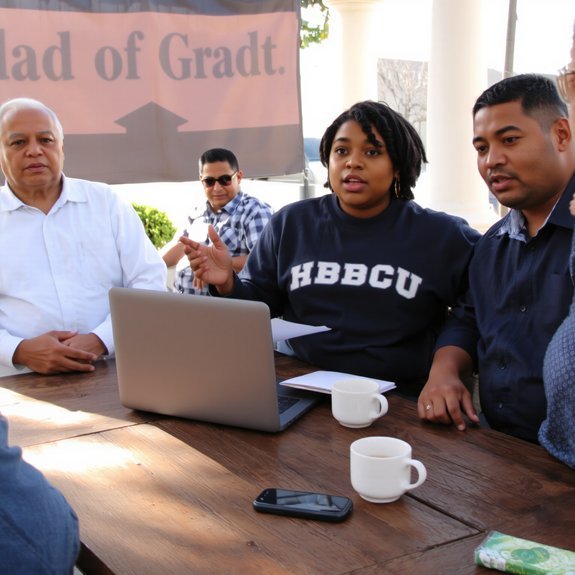
If you’re worrying that an HBCU won’t open the same doors, hear me out: I’ve seen recruiters lean in when a student explains a capstone project, felt the buzz of alumni networks that call you by nickname, and watched résumés from smaller campuses beat out bigger-name schools. You’ll want specifics, not platitudes. Point to employer visits, internship pipelines, and measurable outcomes—job placement rates, not vague glory. Tell stories: your professor pulled strings, you led a research team, an alum connected you to an interview. Say it with confidence, not defensiveness. Practice a 30-second pitch that ties skills to roles, mention career fairs, name one mentor. If they still worry, invite them to a campus visit—let them smell the cafeteria coffee, hear the laugh lines, and see ambition live.
How to Talk About Finances and Aid Options

Three things matter more than the pretty sticker price: grants, work-study, and the magic of negotiation. I tell you this over coffee, leaning in, because money talks mean family listens. Show award letters side-by-side, highlight grants first, then loans, then the part-time job that’ll buy ramen and textbooks. Say, “I’ll take work-study,” with a grin; it sounds practical, not desperate. Practice asking for more aid — it’s a skill, like asking for extra fries. Call the financial aid office, email politely, keep receipts and dates. Offer clear numbers: tuition, expected family contribution, gaps. Bring a spreadsheet, or a napkin scribble, either works. Be calm, firm, and funny; you’re choosing investment, not a charity case.
Preparing for Tough Questions and Misconceptions
Alright, we’ve talked money and showed the receipts — now let’s brace for the questions that land like surprise guests. You’ll get the classics: “Is it safe?” “What about prestige?” “Will you get a job?” I tell you to breathe, smile, and answer with facts, short and sharp. Pull up campus stats, internship names, job-placement numbers, then translate them into plain talk people get. Toss in a quick story — a campus tour smell of coffee, a professor who stayed late — so they feel it, not just hear it. When misconceptions hit, correct gently, with humor: “No, we don’t all wear letterman jackets,” then pivot to opportunity. Keep calm, claim your choice.
Building a Support Network Among Family, Counselors, and Alumni
Because you’re not going it alone, start by naming the team — your folks, a school counselor who actually listens, and alumni who’ve walked the halls you’ll walk — and then recruit them like you mean it. I tell you to call Grandma first, say thank you, then ask for stories; she’ll feed you confidence and maybe collard recipes. Pull your counselor into a quick coffee, leave a warm paper cup, and say, “Help me map this.” Message alumni on LinkedIn, mention a professor, get a campus tour selfie. Practice short lines: “This is my choice, here’s why.” You’ll get objections, awkward silences, hugs, and firm nods. Keep receipts — emails, campus photos, syllabi — they make your case visible, solid, real.
Conclusion
You’ve got this. Tell them HBCUs wrap students in community, hand them mentors who actually answer texts, and serve up alumni wins like appetizers—tasty, real proof. Expect eyebrow raises about prestige; meet them with data and a calm smile, not a lecture. Talk money plainly, show aid options, and invite counselors to walk the campus with you. Keep family in the loop, lean on alumni, and let your confidence do the gentle convincing.