Tag: self-care tips

  • How Do I Take Care of My Mental Health During the Holidays

    How Do I Take Care of My Mental Health During the Holidays

    Last year, my cousin ditched a frantic dinner to sit in his car and breathe for ten minutes—best decision he made all season. You can do the same: set tiny limits, say no without guilt, and carry a pocket plan for exits, snacks, and quiet breaths; the house lights, casseroles, and opinions will survive, you might even enjoy parts of it, and there’s a smart, simple way to keep your sanity if you stick with a few small rules…

    Key Takeaways

    • Set realistic expectations and simplify plans to reduce pressure and accept imperfections.
    • Communicate and enforce clear boundaries about behaviors, time, and topics with family and friends.
    • Maintain daily routines, sleep hygiene, and small self-care rituals to stabilize mood.
    • Reach out for support, ask for specific help, and allow grief or mixed emotions to be present.
    • Limit alcohol and social media, use grounding practices, and schedule breaks to reset.

    Manage Expectations and Let Go of Perfection
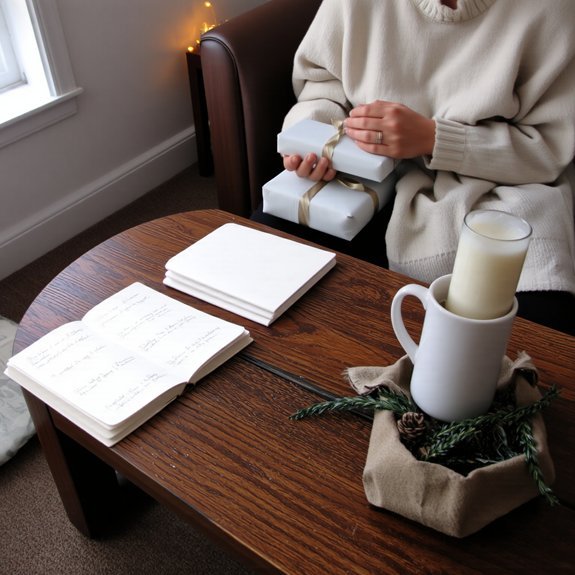
    embrace holiday imperfections joyfully

    If you expect the holiday to look like a glossy magazine spread, you’re already setting yourself up — I know, I’ve fallen for that trap more times than I’d like to admit. You’ll feel less crushed if you set realistic goals, like one perfect cookie batch, not an edible art exhibit. I tell you this while juggling a mug and a playlist gone rogue. Embrace imperfections: welcome lopsided cookies, mismatched napkins, and a tree that tilts like it’s whispering secrets. Say aloud, “This is enough,” then breathe in cinnamon and late-night laughter. Take small actions: simplify the menu, delegate one task, mute comparison on social feeds. You’ll notice relief, a cozy lightness, and yes, real joy hiding in the mess.

    Set Clear Boundaries With Family and Friends

    set boundaries prioritize peace

    I’ll tell you straight: decide what you will and won’t tolerate this season, whether it’s late-night calls, political rants at dinner, or surprise drop-ins. Say it out loud early—text, call, or announce it over coffee—so people know the score before grievances pile up like unwashed dishes. If someone crosses the line, enforce a calm consequence, step away, and breathe, because your peace matters more than keeping everyone comfortable.

    Define Your Limits

    When the doorbell rings and Aunt Marge breezes in smelling like peppermint and unsolicited advice, you don’t have to swallow every comment like it’s dessert you didn’t order. I’ll tell you this: know your limits before you step inside. Use simple self reflection techniques, five-minute pauses, or emotional check ins to gauge energy and patience. Notice physical signs — jaw tight, shoulders up — and act. Excuse yourself for fresh air, take a brisk walk, sip something grounding, or move to a quieter room where silence is legal. Practice a short, firm line you can say without apology. You’ll feel less like a pinball and more like a human with choices. Set limits, keep your cool, and enjoy the good parts.

    Communicate Expectations Early

    Because I’ve learned the hard way that silence is a conversation starter for relatives, I tell people what I expect before the eggnog even hits the table. I text the host, I call my sibling, I say, “I need quiet time after dessert,” so there are no surprises, and no passive-aggressive pie plates. You can do the same: practice setting priorities, name what matters to you, and offer simple swaps—earlier arrival, shorter stay, or a kid-free trivia round. Say how you’ll handle triggers, discussing feelings in plain terms, not sermons. Use humor, add a sensory detail—”I’ll be the one by the window with cinnamon coffee”—and keep it brief. Early clarity reduces drama, protects your calm, and keeps the cookies.

    Enforce Consequences Calmly

    You told people what you need, you set the table with expectations, now it’s time to mean it—calmly. I watch the room, I breathe, you watch too, and you stay steady. Consequences awareness matters; decide in advance what you’ll do if a boundary’s crossed. Say it once, with a smile that isn’t weak. “If you keep teasing, I’ll step outside for air,” you say, and mean it.

    Keep calm responses ready, short and firm. Walk out, mute the group chat, leave after dessert — concrete actions, sensory anchors: the cold air, the click of the door, the hum easing. You’re not mean, you’re consistent. People notice clarity, even if they gripe. You protect your peace, with style and a soft, stubborn heart.

    Maintain Routines and Prioritize Self-Care
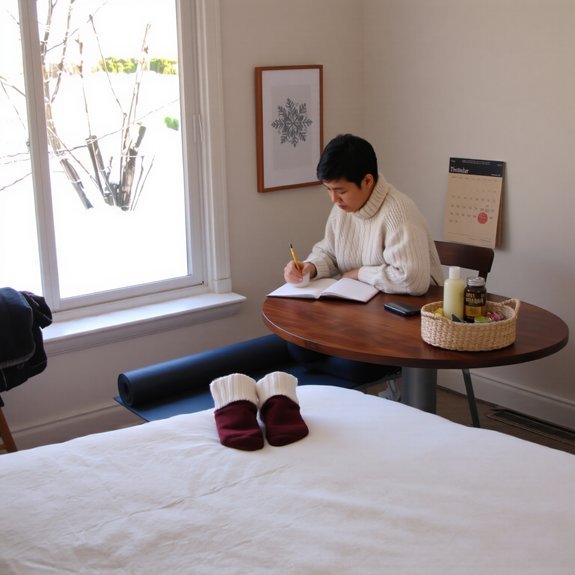
    maintain daily self care routines

    Even with snow on the windowsill and my calendar packed like a sardine tin, I stick to the little rhythms that keep me human: morning coffee that smells like victory, a ten-minute stretch that loosens the shoulders, and a short walk that forces me outside to greet the cold air and rude pigeons. You’ll do the same, because routines anchor you, they stop the holidays from steamrolling your mood. Build in mindful moments, set alarms for daily check ins with yourself, and treat them like nonnegotiable meetings. Wash your face, drink water, chew something crunchy, and breathe. Say no early, say yes to naps, and laugh at your own tired jokes. Small, repeated acts keep you steady — and that’s the point.

    Plan for Social Situations and Exits

    If a room full of distant relatives and holiday casseroles makes your chest tighten, plan an exit like it’s an essential errand—you’ll thank me later. I watch faces, read social cues, pretend to admire a fruitcake, and time my departure. You can text a friend “timed rescue,” schedule a dog walk, or claim you forgot lasagna in the oven — be dramatic, not cruel. Memorize two polite lines: a compliment, a nod to feeling wiped, then go. Have exit strategies: bathroom break, phone call, or prearranged signal with an ally. Breathe the cold air outside, count to ten, sip something warm, reset. You’ll return when you want, or not at all, and that’s perfectly okay.

    Find Support and Reach Out When You Need It

    Where do you go when the holiday noise finally presses so close it feels like someone turned up the TV in your skull? You don’t have to tough it out. Reach for your support networks, even if it’s just a text, a knock, or a ridiculous GIF that says “help.” Saying you need a break is brave, not dramatic.

    When the holiday noise gets loud, ask for help — even a text, knock, or silly GIF will do.

    • Call one person who gets you, say “Can we talk?”
    • Send a group message, ask for company or a quick walk
    • Look up local resources, hotlines, or online groups for seeking help

    I’ll be blunt: people often want to help, they just need to be asked. Offer a specific ask, set a short plan, breathe, and let someone in. You’re allowed to need others.

    Create New Traditions and Honor Your Feelings

    You can start small — light a new candle scent, make a single favorite recipe, or schedule a quick video call so everyone can pass around bad jokes and holiday cookies on camera. I’ll tell you straight: include loved ones virtually when you need to, and give yourself permission to feel sad, silly, or anything in between, no guilt allowed. Try one tiny new ritual, notice how it tastes and sounds and feels, and adjust it as you go — grief and change don’t obey a schedule.

    Start Small, Meaningful

    When the usual holiday hype feels like a loud, glittery parade you didn’t sign up for, start small and do something that actually fits your life—no grand declarations, just tiny rituals that smell like cinnamon and feel like permission. You don’t need an epic overhaul, just a few mindful moments, a quick gratitude practice, and something that makes you grin without guilt. Try these low-effort, high-warmth ideas:

    • Brew a single special cup of tea, sit by the window, notice the steam, name one good thing, breathe.
    • Write a two-line note to yourself on a sticky, tuck it in your wallet, read it when stress knocks.
    • Light a candle, play one song, dance like you own the room—awkwardness included.

    Include Loved Ones Virtually

    If the idea of a full house feels like a sitcom you didn’t audition for, I lean into video calls and intentional little rituals that actually mean something, not just screen time for the sake of it. You set up a cozy spot, string a tiny light, pour something warm, and everyone brings one song, one memory, one ridiculous holiday sweater. Virtual gatherings become real moments — you hear laughter echo, see crumbs on a grandparent’s shirt, taste your own cocoa while they describe theirs. Try short online games, a sleepy gift unboxing, or shared recipe-cookalongs. You lead with patience, wink at camera freezes, and invent new traditions that honor distance, feeling, and the messy, tender joy of being together apart.

    Allow Grief and Adjustment

    Because grief doesn’t RSVP, let it sit at the table with its weird fork and awkward stories, and don’t pretend it’s a bad casserole you can hide under a towel. You’ll feel odd, that’s normal. You’ll ache, then laugh, then stare at a string of lights like it knows secrets. Try grief acceptance, it’s not surrender, it’s making room.

    • Rename a ritual: light a candle, toast the quiet, play one song that makes you smile.
    • Build a tiny tradition: bake one familiar cookie, leave a chair, call someone who remembers.
    • Give yourself limits: two hours of nostalgia, then switch to a task that grounds you, like washing dishes.

    You’re allowed messy feelings, and gentle choices aid emotional healing.

    Limit Alcohol, Sleep Disruption, and Media Overload

    Alas, the holidays bring more than sugar cookies and cozy lights — they also bring late-night drinks, frayed sleep, and a relentless feed of other people’s highlight reels, and that trio will wreck your mood faster than Aunt Karen’s fruitcake. You can choose mindful drinking, set a limit, swap sparkling water with lime, and keep your wit intact. Protect sleep hygiene: dim lights, black-out curtains, and a 30-minute wind-down, no screens in bed — yes, you’ll survive without midnight scrolling. Try a media detox for 24–48 hours, exile the comparison spiral, and notice calmer breathing. I’ll admit, I cave sometimes, but these moves build emotional resilience. Small rituals, clear boundaries, and better mornings beat holiday chaos, every time.

    Conclusion

    I’ll tell you a quick story: last year I burned the roast, cried, then laughed—like a tiny fireworks show of chaos—and realized holidays don’t need perfect gold ribbons. You can feel tired and still show up, set limits, and breathe through awkward dinners. Use routines, pick one calming ritual, and text a friend when you need backup. Treat your heart like a fragile ornament: handle gently, skip comparisons, and keep the lights—soft, steady—on.

  • How to Practice Self-Care on a Student Budget

    How to Practice Self-Care on a Student Budget

    You can do decent self-care on a ramen budget, I promise—start with five deep breaths, drop your shoulders, and step outside until the air smells like grass or car exhaust, whichever is real today. Cook one-pot meals with beans and spices, stretch at your desk between lectures, and swap late-night doomscrolling for a ten-minute playlist that actually makes you move. It’s small, practical stuff that stacks, and after a week you’ll notice—so keep going because the best tricks are the quiet ones I’ll tell you next.

    Key Takeaways

    • Prioritize sleep and a simple bedtime routine (dim lights, warm socks, short guided audio) to improve rest without extra cost.
    • Batch-cook versatile, budget-friendly meals and portion them for easy, nutritious eating all week.
    • Use free movement: brisk walks, bodyweight circuits, or short YouTube workouts to boost mood and energy.
    • Join campus clubs, free events, or volunteer opportunities to build social support and meaningful breaks.
    • Practice short daily rituals: two minutes of deep breathing, five-minute playlists, or desk stretches to reduce stress.

    Quick Self-Care Habits That Cost Little to Nothing

    tiny cost free self care habits

    If you’re anything like me, you’ve shoved “self-care” into the back of your brain right between “laundry” and “text professor back,” and it feels huge and expensive—until you actually start doing a few tiny things. You can breathe deeply for two minutes, feel air cool your nose, and already the world softens. Walk to class without headphones once, notice sunlight on your shoulder, pocket-sized therapy. Make a five-minute playlist, dance like an idiot, endorphins kick in. Give yourself a warm, quick shower, scrub loud enough to sing, the water’s honest. Stretch at your desk, neck rolls, shoulder shrugs, tension unknots. Write one sentence you like in a notebook, stash it. These things cost nothing, they add up, you’ll thank yourself.

    Affordable Nutrition and Meal Prep Tips for Students

    meal prep for students

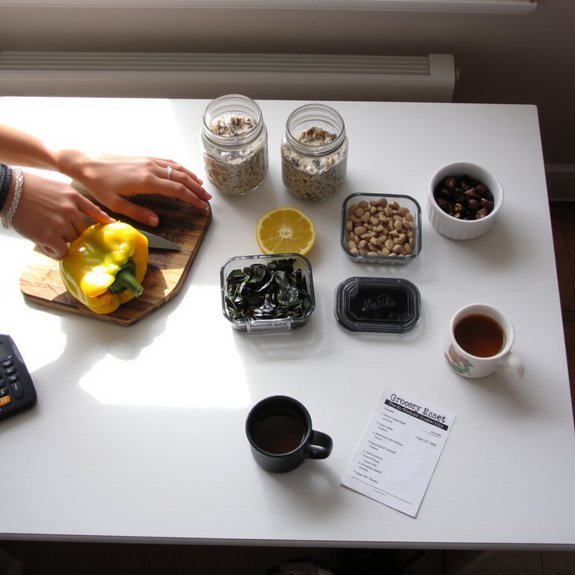
    Okay, you can outsmart the snack aisle and still eat like a mildly ambitious adult: plan a week of meals, make a grocery list that sticks to staples (rice, beans, eggs, frozen veg), and shop the perimeter for fresh deals. I’ll show you how to spot bulk buys, compare unit prices, and dodge impulse chips — picture me whispering price-per-ounce secrets in the cereal aisle. Then we’ll batch-cook a giant pot of something cozy, portion it into containers, and high-five when you’ve got dinners for days and zero late-night ramen shame.

    Budget-Friendly Meal Planning

    Because you’re living on ramen budgets but still deserve food that tastes like effort, I make meal planning feel like a small, rebellious art—one part list-making, two parts grocery-store stealth, and a dash of microwave wizardry. You’ll map three meals and two snacks per week, swap spices and sauces to fake variety, and batch-cook a core like roasted veggies and rice that becomes bowls, wraps, and sad-turned-glorious fried rice. I tell you to schedule a thirty-minute cook session, play loud music, and treat leftovers like plot twists. Use clear containers, label dates, and freeze portions in sandwich bags that actually seal. When hunger strikes, you’ll reheat with a squeeze of lemon or hot sauce, and suddenly, dinner feels intentional, not accidental.

    Smart Grocery Shopping

    When your bank account groans at the sight of a full cart, you learn to shop like a tiny-economy ninja—quiet, decisive, and slightly smug about grabbing discounts. I tell you, stroll the perimeter first, breathe in fresh produce, squeeze avocados like a jeweler inspecting gems, then pivot to shelf-stable staples. Use a list, stick to it, don’t bargain with impulse chips or that artisanal jam you’ll regret. Scan unit prices, grab versatile ingredients—eggs, oats, canned beans, frozen berries—so meals feel creative, not sad. Clip coupons, use store apps, and buy generics with confidence; they taste the same, but your wallet sings. Toss a cheeky snack, yes, but buy smaller packs. You’ll leave victorious, groceries tucked, budget intact.

    Quick Batch Cooking

    If you’ve ever stared into a fridge that whispers “takeout” like a siren, hear me: batch cooking is your lifeboat—and it’s not as heroic or time-consuming as it sounds. I promise, you’ll thank yourself when reheated rice steams like a tiny victory. Pick three staples—grain, protein, veg—cook them in one go, toss in spices, and you’ve got dinners for days. I chop fast, hum a dumb song, and sauté until the garlic smells like success. Portion into containers, label with a Sharpie, stash in the fridge or freezer. When 9 p.m. hits and motivation flatlines, microwave, plate, garnish with whatever green I didn’t kill. Cheap, filling, and shockingly comforting. Meal prep = self-care, no cape required.

    Low-Cost Exercise and Movement Ideas

    affordable movement ideas daily

    How do you get moving when your wallet’s whispering “nah”? I’ve been there, shoes on, motivation off, but you can still get sweat and smiles without breaking the bank. Try quick, doable moves that fit between classes, or turn errands into tiny workouts that feel less like chores, more like small victories.

    When your wallet says “nah,” sneak in quick, joy-filled moves between classes—sweat, smile, repeat.

    1. Walk briskly between lectures, notice autumn leaves crunching, breathe deep, pretend you’re in a music video.
    2. Free YouTube workouts, 10–20 minutes, no gear, swear-free instructors (mostly).
    3. Stair sprints in your dorm, hold the railing, count to ten, laugh when you’re panting.
    4. Bodyweight circuits: squats, planks, lunges—no gym, just stubbornness and a rug.

    You’ll feel stronger fast, and your bank account will stay smug.

    Mental Health Resources You Can Access for Free

    You can boost your mood just like you boosted your step count—no credit card required. I’ll point you to free counseling centers on campus, sliding-scale clinics that sometimes offer pro bono slots, and crisis hotlines you can call or text when sleep won’t come. Use therapy apps’ free tiers, join peer support groups that meet in cozy lounges, or drop into student-run wellbeing workshops with tea on the table and awkward laughter guaranteed. Try guided meditations on public library apps, watch campus wellness talks, or follow licensed therapists’ free videos for quick skills. Say the words out loud: “I need help.” Then click, call, or show up. It’s practical, brave, and cheaper than my coffee habit.

    Budget-Friendly Sleep and Relaxation Strategies

    While dorm life can feel like a blender set to “all-night cram,” you can still coax decent sleep out of cheap pillows and stubborn routines, and I’ll show you how. I talk like your sleep coach-slash-roommate, honest and blunt, because you need doable moves, not Zen retreats.

    1. Dim lights an hour before bed, stash your phone, breathe slowly — pretend you’re bribing your brain with calm.
    2. Wear socks if your toes are cold, it’s weirdly effective, like tiny blankets for your feet.
    3. Try a 10-minute guided sleep audio, mine’s awkward but it works, imagine waves, not deadlines.
    4. Stretch the neck and shoulders, slow rolls, soft exhales, release the day’s tension like squeezing a sponge.

    Thrifty Ways to Create a Calming Living Space

    Someone sensible once told me your room should feel like a hug, not a crime scene, so let’s make that happen without selling a kidney. I tell you this while holding a thrifted plant, pretending I’m Pinterest. Start by decluttering one surface, just one — counterspace breathes, you breathe. Add soft lighting: a string of warm LEDs, a cheap dim lamp, candle wax smell (faux if you forget to blow it out). Layer textiles: a cozy throw, a mismatched cushion, tactile wins every time. Introduce green: pothos or spider plant, they forgive neglect. Hang one small picture, eye level, not a gallery wall funeral. Keep a designated calm corner for five quiet minutes, sit, close eyes, notice the room hugging you back.

    Time-Management Tricks to Reduce Stress

    If you want fewer freakouts, treat your to-do list like a tiny, well-trained dog: leash it, give it snacks, and don’t let it sleep on your face. I tell you this because chaos smells like burnt toast, and you deserve better. Block study sessions, set two-minute wins, and promise yourself a tiny victory dance when you finish one task — I do a flop on the floor, it’s dramatic, but freeing. Envision this checklist:

    1. Morning triage: pick three must-dos, no more.
    2. Pomodoro sprints: 25 on, 5 off, repeat.
    3. Batch errands: consolidate trips, save time and energy.
    4. Nightly reset: prep clothes, pack bag, review tomorrow.

    You’ll feel lighter, calmer, like breathing through your ribs again.

    Affordable Social and Community Activities

    You can stretch your social life without emptying your wallet by hitting free local events, community volunteer days, and campus club meetups. I’ll point you to the farmers’ market with its smell of fresh bread, the park clean-up where you’ll get a high-five and a sore pair of gloves, and that weird film club that hands out cheap popcorn and better conversation. Say yes to one thing this week, show up, and watch your calendar and mood get a tiny, very satisfying upgrade.

    Free Local Events

    When the campus quad’s grass smells like fresh coffee and wet leaves, I know there’s bound to be something free and lively within a ten-minute walk; I’ll trade a sleep-in for a morning farmer’s market or an evening open-mic in a heartbeat. You don’t need cash to feel human, just notice posters, follow the student groups, and bring a friend who laughs too loud. Bring a tote, taste a sample, clap at poems that make you blush. Nights hum with string lights and tentative singing. You’re collecting tiny joys, like scavenger trophies.

    1. Farmer’s market: warm bread scent, crisp apples, friendly chatter.
    2. Open-mic: raw jokes, nervous applause, sticky stage floor.
    3. Outdoor film: blanket, popcorn, stars overhead.
    4. Art walk: murals, artists sketching, free zines.

    Community Volunteer Days

    After a weekend of free zines and popcorn-crunching under the stars, I figured it was time to swap spectator snacks for sweaty, satisfying elbow grease; community volunteer days are the kind of cheap social plan that actually feels like you did something other than scroll. You show up, grab gloves, and suddenly dirt under your nails is a badge, not a blemish. You’ll paint a fence, plant bulbs, or sort donations, you’ll laugh at awkward small talk, trade snack bars, and learn names faster than in a lecture hall. You get fresh air, sore muscles that remind you you’re alive, and real conversation. It’s social, practical, and oddly restorative—plus, it beats another night doomscrolling.

    Campus Clubs Meetups

    If you’re craving cheap laughs and a built-in crew, campus clubs are the shortcut to belonging without the awkward icebreakers playlist—I’ve lurked in a poetry slam and learned to knit in the back row, and the coffee smelled like victory. You stroll in, hear chatter, grab a stale cookie that somehow tastes heroic. You join because you need people, not pity, and you leave lighter, with a joke and a contact.

    1. Show up at a meeting, nod like you own the room.
    2. Try one thing, fail happily, laugh loud.
    3. Bring cookies, instant popularity, zero commitment.
    4. Trade study tips, get invited to a weekend hike.

    Clubs are cheap therapy, with snacks.

    Conclusion

    Think of your self-care as a tiny plant on a dorm windowsill — you, watering can in hand, don’t need fancy soil to help it thrive. I promise, a few deep breaths, a simple meal prepped in a jar, and a quick walk will keep leaves green. You’ll patch tired roots with sleep and free campus groups, prune stress with time tricks, and watch that scrappy seed turn into something stubbornly, quietly resilient. Keep at it.