Tag: student experience

  • How to Capture Your HBCU Experience Through Photos and Video

    How to Capture Your HBCU Experience Through Photos and Video

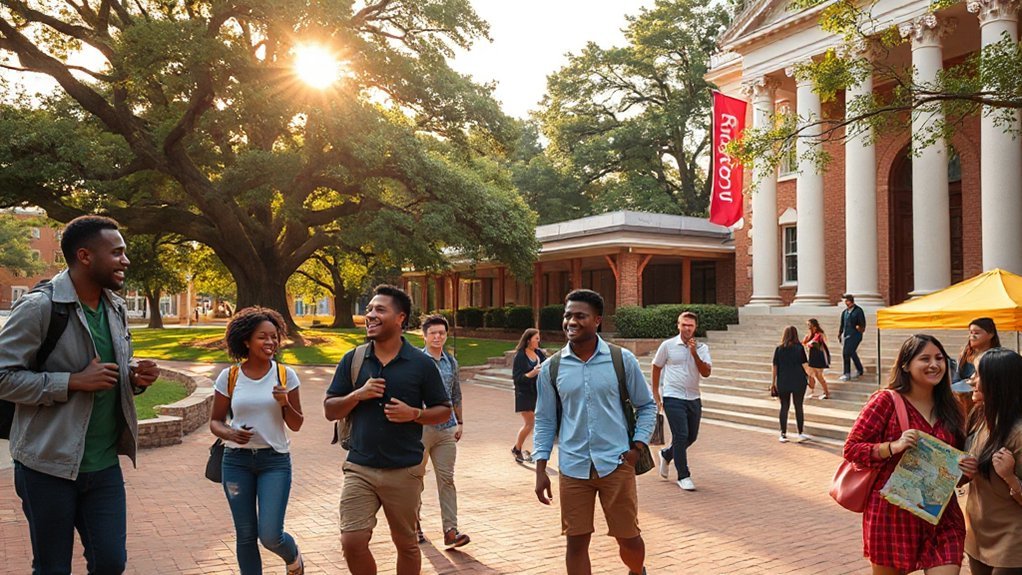
    Your HBCU memories are a living scrapbook, sunlight spilling over banners and brass—so grab a camera and don’t overthink it. You’ll want shots of move-in chaos, drumline thunder, late-night study runs, and that one professor who says your name like a blessing; listen for laughter, crop tight on hands and medals, and chase golden-hour backdrops like they owe you money. I’ll show you how to make honest, cinematic stuff that actually feels like you, but first—

    Key Takeaways

    • Plan a visual story around meaningful moments (move-in, study nights, homecoming) and list scenes by feeling, not just shots.
    • Scout walk routes and golden-hour spots, then practice framing to capture authentic light and atmosphere.
    • Use a smartphone or compact camera with a small tripod, extra battery, and a fast SD card for reliability.
    • Frame for storytelling: use leading lines, varied angles, tight crops for intimacy, and candid gestures over posed portraits.
    • Edit subtly—balance highlights/shadows, warm midtones, maintain honest skin tones, and keep color/exposure consistent across clips.

    Planning Your Visual Story: What Moments Matter Most
    moments that matter most

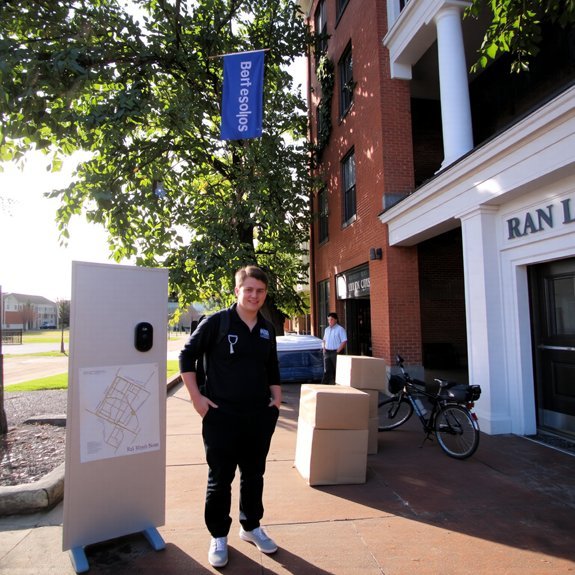
    When you walk onto campus on move‑in day, breathe it in—the hot asphalt, the smell of fresh paint on the dorm, laughter ricocheting off brick—and decide what you want to remember, because not everything needs a photo. You’ll pick moments that matter: late‑night study triumphs, the first homecoming parade, a professor’s offhand wisdom that sticks, a roommate’s ridiculous attempt at cooking. I tell you to list scenes, not shots; frame feelings, not gear. Walk routes, note golden‑hour spots, jot voices and textures—pep rally chants, worn steps, syrupy diner coffee. Talk to friends about what’s meaningful, then plan days around those memories. You’ll end up with a story that feels true, messy, joyful, and entirely yours.

    Camera Gear and Smartphone Tips for Campus Shoots
    essential gear for campus shoots

    Because you don’t need a backpack full of gizmos to make magic, I’ll tell you straight: bring what you’ll actually use. Grab your phone, a compact camera if you have one, and a small tripod — the kind that folds into a water-bottle slot. Keep an extra battery or power bank, and a fast SD card that won’t choke on video. Clean lenses with a microfiber cloth; fingerprints ruin a sunset. Use your phone’s grid and lock exposure, tap to focus, and try the portrait or cinematic mode for easy depth. Shoot in RAW if you can, but don’t overcomplicate it. I’ll remind you to test mic levels, carry earbuds for playback, and always, always save a downtown stroll for golden-hour practice.

    Framing, Composition, and Lighting That Reflect Campus Life
    storytelling through campus photography

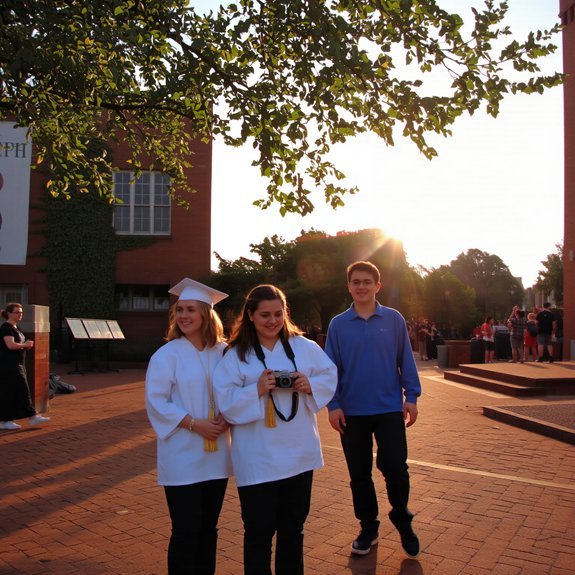
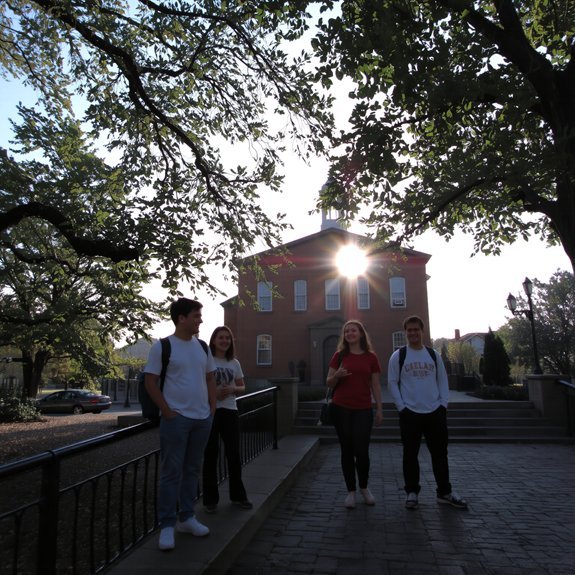
    If you want your photos to actually feel like campus — not just pretty postcards — start by thinking like someone telling a story, not a robot taking inventory. Walk the quad, breathe the late-summer grass, frame a friend under a red-brick arch, and let shadow carve their jawline. Use leading lines — sidewalks, columns, banners — to pull the eye, crop tight for intimacy, pull back for context. Golden hour flatters skin and brass, harsh noon reveals texture and sweat, backlight makes hair glow. Tilt your phone, kneel, climb a bench — don’t be shy. Capture gestures, not poses: a laugh mid-sip, a book slammed shut. Mix wide campus scenes with close-up details, and trust your gut about what feels true.

    Editing Techniques to Preserve Mood and Authenticity

    You’ve already learned to see the scene—now let’s whisper to it. You’ll trim highlights, nudge shadows, and keep skin tones honest, because your campus feels like sun-warmed brick and late-night coffee, not plastic filters. I’ll tell you to trust subtlety: lower contrast a hair, lift the blacks slightly, warm the midtones, and don’t overcook saturation. Use selective edits—eyes, fabric texture, a marching band uniform—to draw focus, not fake it. For video, match color and exposure between cuts, and let ambient sound breathe; silence can kill a moment. Keep grain when it gives grit, remove it when clarity serves. Export multiple versions, pick the one that feels right, and if you hesitate, choose the truer-looking frame.

    Sharing, Archiving, and Building a Visual Legacy

    When you start sending these pictures and clips out into the world, treat them like heirlooms, not throwaway likes—because they’ll outlast your phone and your mood. Put them in folders, label them with dates and names, and back them up twice, once local, once cloud. Share highlights on social, sure, but also make private albums for family, professors, and future-you. Add captions that smell like coffee at sunrise and sound like laughter in the quad. Archive raw files, export neat folders, and build a simple website or digital zine—yes, you can DIY, no, you don’t need fancy code. Encourage friends to add theirs, credit creators, and keep a running caption journal. Do this, and you’ll leave a vivid, honest visual legacy.

    Conclusion

    You’ve got the shots, the clips, and the late-night laughs—now stitch them into a story only you can tell. Keep the golden-hour frames, the messy study desks, the parade confetti; don’t over-polish the sweat and joy. Save private albums like secret mixtapes, share highlights like proud brags. I’ll bet one photo will hit you like a song you forgot, and you’ll smile, knowing you captured more than moments—you captured home.
  • What to Expect During Your First Week at an HBCU

    What to Expect During Your First Week at an HBCU

    The quad smells like fresh-cut grass and fried food, and you’ll breathe it in like you own the place, even if you’re still carrying boxes; you’ll meet an RA who talks fast, get lost twice, clap at a pep rally, and sit through orientation that’s equal parts useful and theatrical — I’ll tell you where to sleep, where to eat, which lines to avoid, and how to find your people, but first you’ve got to survive day one.

    Key Takeaways

    • Expect energetic orientation events, pep rallies, and club fairs that introduce campus culture and help you meet peers and student leaders.
    • Learn routes, housing logistics, and campus landmarks while unpacking and connecting with your RA for support.
    • Attend classes confidently: pick a good seat, introduce yourself, ask one smart question, and note professor expectations.
    • Start building routines—sleep, study blocks, meal plans, and brief social breaks—to manage time and mental health.
    • Visit the registrar, financial aid, and academic advisor early to confirm enrollment, funding, and course plans.

    Welcome Activities and Orientation Events

    exciting energetic orientation activities

    If you’re anything like me, you’ll show up with a backpack full of hope, a slightly bruised sense of direction, and shoes that haven’t seen this much walking since middle school; orientation hits fast, loud, and warm. You’ll get pep rallies that thump in your chest, registration lines that test your patience, and student leaders who hug like they mean it. Grab a program, taste the welcome cookies, listen for your name during roll call — say it loud, say it proud. You’ll join icebreakers that feel awkward, then surprisingly fun, trade stories in shaded courtyards, and learn chants that stick. By sunset, you’ll be exhausted, connected, and already plotting which club fair table to head for next.

    Finding Your Way Around Campus and Housing Setup

    navigating campus and settling

    When you step onto campus with that nervous grin, your map app will lie to you at least once and the quad will still smell like fresh-cut grass and late coffee, so don’t panic — get curious. I’ll say this: walk the routes before sunset, note landmarks—bell tower, mural of alumni faces, the snack truck that always parks by the library—talk to folks hauling boxes, they know shortcuts. Unpack in stages, plug in your lamp first, then your playlist. Label drawers, tape a spare key inside a book, and meet your RA; they’re your first lifeline. Learn where bathrooms, laundry, and the night shuttle sit. Memorize one friendly face. By bedtime, you’ll recognize sounds—laughter, distant band practice—and feel a little less lost.

    First-Day Classes and Meeting Professors

    first impressions matter greatly

    You’ll scan the room, note the podium, the chalk dust on the front desk, and pick a seat that gives you line of sight and confidence. When the professor asks for names, stand up, say yours loud and calm, drop a quick detail about why you’re excited, and watch how expectations get clearer. I’ll admit I fumble a greeting sometimes, but showing up ready and asking one smart question tells them you mean business.

    One bold thing: walk into that first classroom like you already belong there — even if your stomach’s doing cartwheels and your backpack has crumbs from last week’s cereal. You’ll scan the room, take in rows, clusters, that one tiered section that looks like a movie theater, and decide where you’ll sit. Sit near the front if you want to hear every nuance, or claim a side seat for easy exits, but avoid the lonely last row unless you like invisibility. Note outlets, light switches, and where the professor sets their laptop—those spots matter. Introduce yourself to neighbors with a quick joke, trade pens, and mark the board’s layout: syllabus, due dates, office hours. Own the map of your learning space.

    Introducing Yourself Confidently

    You’ve scoped the room, picked a seat, maybe swapped a pen with the person next to you — now it’s time to make a real first impression without sounding like a rehearsed robot. I nod, smile, and say my name, quick and clear, then ask theirs — it’s simple, human, immediate. Keep your voice steady, shoulders relaxed, meet eyes, not stare. Mention one thing about the class or campus, like “I heard Professor Lee tells good stories,” and laugh, you’ll break the ice. If the professor asks about your background, give a two-sentence snapshot: where you’re from, what you care about, drop a relevant detail. Shake hands if offered, thank them, jot a note. You’re present, polite, memorable — not perfect.

    Understanding Professor Expectations

    Maybe a little nervousness is normal — I get it, first-day energy smells like fresh notebooks and stale coffee — but slip into the room like you mean to listen. Look for name tents, syllabus piles, the professor’s tired grin. Sit up front if you can, make eye contact, nod when they joke — they notice that. When they explain attendance, deadlines, grading, write it down, don’t wing it. Ask one sharp question, introduce yourself after class if time allows, “Hi, I’m—” and mean it. Office hours are gold, go early, bring a paper draft or two questions. Professors are human, they respect preparation and curiosity. Be on time, be present, follow through, and you’ll leave a good first impression.

    Joining Student Organizations and Campus Traditions

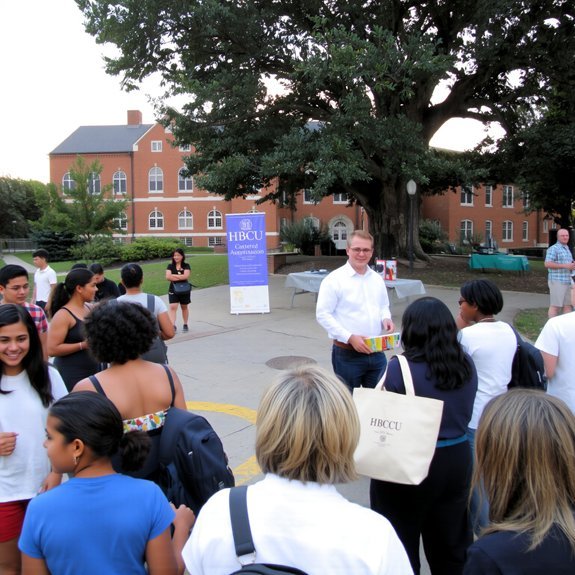
    Curious where you’ll actually fit on campus? You’ll wander to the quad, hear drums, smell fried plantain, and spot booths lining the walkway. Talk to students, snag stickers, join a meeting—that’s how you find your people. I’m telling you, don’t wait for an invite, walk up, introduce yourself, say something goofy if you must. Try a club fair, catch a step show rehearsal, or sit in on a chapter meeting. Traditions will grab you — tailgate cheers, toga-style homecoming nights, or late-night study pizza rituals — and you’ll learn the hand signs, the chants, the secret handshake (maybe). Keep an open calendar, RSVP, show up early, bring snacks. You’ll belong before you know it, even on day three.

    Managing Registration, Financial Aid, and Advising

    You’ll find people everywhere—on the quad, in the student center, at a club table—but right after you fist-bump a new friend or snag a sticker, you’ve got to handle the behind-the-scenes stuff that actually keeps you enrolled, fed, and scheduled. I walk you to the registrar first: bring your ID, a list of courses, and a deep breath. Then we hustle to Financial Aid, where forms smell faintly of toner and hope; ask about grants, work-study, and meal plan swaps. Advising is next, where you and a real human map majors, prerequisites, and that mysterious gen-ed. Say the awkward questions out loud, I promise they’ve heard worse. Leave with screenshots, counselor names, and a plan—no drama, just paperwork conquered.

    Building Community, Making Friends, and Self-Care

    I’m telling you, jump into campus org fairs with your ears open and your snack hand steady, because that’s where you’ll find people who laugh at the same jokes and love the same causes. Talk to your roommate early — set quiet hours, swap coffee preferences, and don’t let passive-aggressive note wars start; I learned that the hard way. And yes, pack a sleep schedule and a few go-to recipes, you’ll thank me when you’re not surviving on ramen and adrenaline.

    Join Campus Organizations

    If you wander into the student union on a Tuesday afternoon, you’ll smell fries, hear a drumline practice through the windows, and find a dozen clubs hawking stickers like they’re trading cards — and that’s where the magic starts. You scan tables, snag a sticker, and overhear someone say, “You play?” You nod, join a quick demo, and suddenly you’re laughing, out of breath, part of it. Try a few groups: faith, improv, activism, study pods, step team. Go to one meeting, then another, keep what fits. Bring snacks, ask names, trade contacts. You’ll build a tiny roster of allies, people who text when you flake, who celebrate wins, who know your coffee order. That’s community.

    Roommate Relationship Tips

    People you met at club tables will become your squad, but the person whose alarm you hear every morning might shape your whole day. You’ll knock, introduce yourself, and laugh at the awkward silence; say your quirks loud and proud, like “I’m a night owl, I burn toast.” Set small, kind rules—guest nights, headphone hours, snack boundaries—spoken over ramen, with the fluorescent light buzzing. Learn their coffee face, their study playlist, the way they fold clothes into neat paper squares. Invite them to a campus walk, or shut the door when you need a minute; both are honest moves. Share a towel, respect the desk pile, and apologize fast when you mess up. Roommates can become family, if you try.

    Establish Healthy Routines

    When you’re juggling class sign-ups, club fairs, and the mysterious art of making ramen not taste like dorm, routines are the secret glue that keeps you from spiraling—trust me, I learned that by 2 a.m. when my alarm and my roommate’s playlist declared war. Set small rituals: wake, stretch, brew coffee that smells like victory, walk to class with earbuds and a wave for familiar faces. Block study windows, but leave room for a quick laugh in the quad. Join one weekly club ritual, say hi, bring snacks, repeat. Sleep matters, so knock off screens before bed; your brain will thank you. When you habit-stack community, chores, and self-care, college feels less chaos, more rhythm — and you actually eat your ramen.

    Conclusion

    I promise you’ll survive—and more than that, you’ll belong. I walk with you through loud pep rallies, awkward icebreakers, and the midnight hunt for clean socks, and I’m betting the rumor’s true: new places change you. You’ll meet an RA who actually cares, a professor who says your name right, and friends who steal your fries. Breathe, show up, ask dumb questions, laugh—this week is messy, bright, and yours.