Tag: Student organizations

  • How to Grow as a Leader Through HBCU Student Organizations

    How to Grow as a Leader Through HBCU Student Organizations

    You’re already in the room, so stop hovering by the snacks and start leading; I’ll show you how to turn messy meetings into tight plans, awkward intro speeches into confident mic moments, and late-night group texts into projects that actually finish. You’ll pick roles that fit your quirks, practice tough conversations until they don’t sting, pull in mentors who owe you favors, and build events that smell like success (and fried plantains). Stick around—there’s one move most people miss.

    Key Takeaways

    • Choose organizations aligned with your goals and take roles that stretch your skills instead of staying comfortable.
    • Lead projects end-to-end to practice decision-making, delegation, and accountability under real deadlines.
    • Rotate roles and responsibilities to build public speaking, conflict resolution, and project-management experience.
    • Create mentorship circles and connect with alumni for feedback, networking, and career guidance.
    • Plan community service initiatives to practice civic leadership, visibility, and measurable social impact.

    Why HBCU Student Organizations Are Unique Leadership Labs
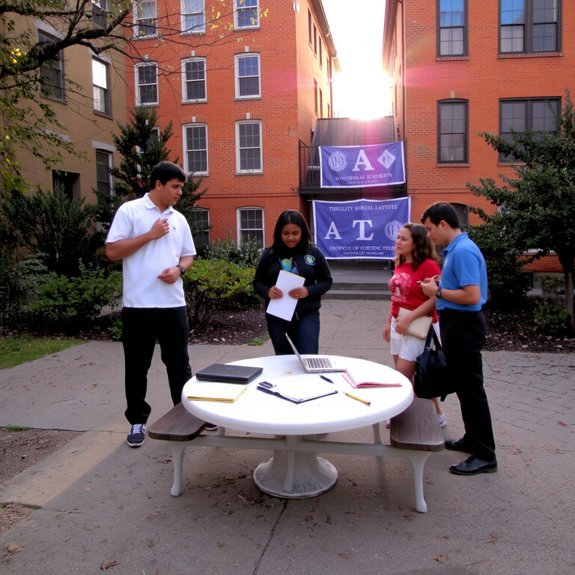
    hbcu organizations foster leadership

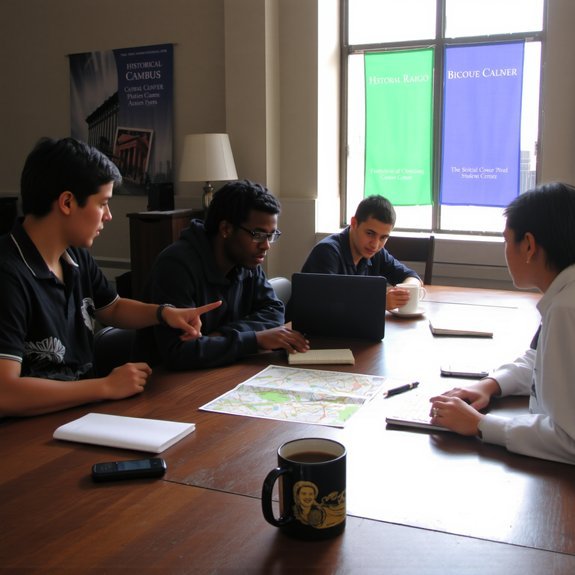
    When you step into an HBCU student organization meeting, you don’t just sit down — you walk into a room humming with history, laughter, and the kind of high-energy debate that smells like coffee and ambition. You feel it on the walls, in the playlist, in the way leaders call on you by name. These groups are hands-on labs, where you’ll draft flyers at midnight, mediate real conflicts, and learn to lead with grace under ridiculous pressure. I’ll admit, you’ll mess up — spectacularly sometimes — and that’s the point. Folks will correct you, cheer for you, and expect growth. You’ll rehearse speeches in hallways, negotiate budgets over pizza, and leave smarter, bolder, a little more you.

    Finding the Right Organization and Role for Your Goals
    pursue challenging goal aligned roles

    You want an organization that lines up with your goals, so picture the meetings, projects, and people you’ll actually enjoy working with. I’ll tell you straight: pick roles that push you—stretch your skills, make you sweat a little, and give you something to brag about at interviews. If a position feels comfy and forgettable, pass; chase the ones that spark nerves and pride.

    Aligning With Personal Goals

    Because your goals should steer your involvement, don’t pick a club like it’s a mystery grab bag—you’ll end up with glitter on your shirt and nothing that actually helps your resume. I tell you this because aligning your goals with a group saves time, energy, and dignity. Picture your future job, the skills it asks for, the people you want in your network. Smell the coffee at meeting night, note who talks strategy, who handles logistics. Ask specific questions: “How will this help me lead projects?” “Who mentors members?” Take notes, compare clubs on a simple checklist—skills, connections, time, vibe. Try a month, then reassess. If it’s not moving you forward, pivot. You’ll thank yourself later, seriously.

    Choosing Roles That Challenge

    If you want to grow, don’t settle for the comfy title that looks good on paper but feels like a desk job at a lemonade stand — aim for roles that make your hands dirty and your brain sprint. I tell you straight: pick positions where you’ll solve real problems, not just check boxes. Say yes to messy events, tight budgets, and awkward conversations — those are growth labs. Walk meetings, taste-test food setups, count chairs, wrestle schedules. Ask hard questions in interviews: “What’s the hardest moment I’ll face?” Watch reactions. Try a stretch role for a semester, if it tanks, you’ll learn fast, and if it sings, you’ll glow. Swap stories with seniors, take notes, and claim the next bold slot.

    Building Core Skills: Communication, Strategy, and Teamwork
    learn through practical experiences

    When I’m standing in a buzzing student center, pizza box in one hand and a clipboard in the other, I can feel the room teaching me something every time—how to talk so people listen, how to map a plan that actually happens, and how to turn a group of strangers into a team that moves. You learn fast, by doing, by tripping over deadlines, by laughing at your own bad announcements. Practice these basics.

    • Speak clear, trim your message, watch faces, then tweak.
    • Draft a simple plan, assign one task per person, set a real deadline.
    • Run quick check-ins, celebrate tiny wins, fix what’s broken.
    • Rotate roles, coach kindly, let others shine while you learn.

    Leading Inclusive Events and Community Engagement

    Even as the punch bowl bubbles and the DJ queues up the next track, you’ve got to be the person who notices who’s cheering and who’s standing alone by the drinks table — I’ve learned that the real work of leading is less about the flashy program and more about the small, deliberate moves that let everyone join in. You scan faces, offer a smile, pull someone into a conversation. You set music that nods to campus roots, light scent-free candles, add captions to slides, and place chairs in circles, not rows. You ask dietary needs, translate flyers, and let quiet people speak first. You’ll stumble, apologize, learn fast. It’s messy, joyful, and it builds trust — that’s your goal.

    Mentorship, Networking, and Alumni Partnerships

    You’ve probably heard the phrase “networking is key,” but I’ll say it bluntly: you need people who’ve been where you want to go. Picture a mentorship circle, chairs in a half-moon, coffee steam fogging your glasses as alumni and students trade war stories and resume fixes — you ask, they answer, sometimes they roast you gently, always they push. Then there’s the alumni network bridge, a quick email or LinkedIn ping that opens doors you didn’t know existed, and yes, I’ve sent the awkward first message so you don’t have to.

    Mentorship Circles

    Because leadership gets lonely fast, I built a Mentorship Circle that felt more like a backyard barbecue than a boardroom. You show up with questions, snacks, and a messy notebook, and we trade awkward stories, honest feedback, and action steps. I guide, you practice, we laugh when plans go sideways.

    • Rotate hosts, bring a skill, present a tiny failure story
    • Pair new leaders with peer mentors for two-week sprints
    • Use role-play, real props, and blunt feedback in 15-minute rounds
    • Close each session with one concrete promise and a check-in date

    You’ll smell coffee, hear elbows on tables, feel the nudge to try again. It’s candid, warm, urgent — exactly what growth needs.

    Alumni Network Bridges

    When I first set up an alumni bridge, I wanted it to feel like sliding into an old friend’s kitchen — coffee stain on the table, a stack of résumés, and a hundred ways to help each other without sounding like a networking robot. You’ll invite grads for pizza nights, office-hour drop-ins, and mock interviews. You’ll pair enthusiastic sophomores with polished professionals, trade war stories, and swap contact info like secret recipes. You’ll host panels that smell of takeout and optimism, then follow up with handwritten thank-you notes — yes, actual pen strokes. You’ll learn to ask for favors without apologizing, to listen, and to pass introductions like a relay baton. It’s messy, human, useful, and it’ll make you a better connector, fast.

    Managing Conflict, Setbacks, and Sustainable Growth

    If conflicts flare up—over funding, event plans, or who gets the last slice of pizza—you’re going to notice, fast, who hides under a metaphorical table and who grabs a mop and starts cleaning up the mess. I’ll tell you straight: you learn by doing, by stepping into noise, by listening while the room smells like burnt coffee and ambition. Breathe, name the problem, and move people toward a fix, not a finger-pointing contest.

    • Pause, let everyone speak, then paraphrase back.
    • Offer small wins, restore trust with real actions.
    • Keep records, track decisions, avoid déjà vu arguments.
    • Scale slowly, budget for margin, prioritize people.

    You’ll stumble, recover, and build something steady.

    Translating Campus Leadership Into Career and Civic Impact

    So you’ve spent semesters corralling meetings, convincing reluctant members to show up, and turning half-baked ideas into events that actually happened—good. Now take that noise and polish it into something employers and neighborhoods actually notice. You’ll tell crisp stories, name roles, list measurable wins—attendance numbers, budgets balanced, conflicts resolved—small trophies that mean real skill. Practice a two-minute pitch, rehearse with friends, and swap feedback like it’s free food. Volunteer on a local board, run a campus-to-city project, or mentor a freshman — tangible proof matters. Translate jargon into results: “led team of 12” becomes “cut planning time 30%.” You won’t brag awkwardly, you’ll show work. That’s how campus fame becomes career and civic muscle.

    Conclusion

    You’ve seen the lab, you’ve tried the experiments, now get your hands dirty — I’ll be right there cheering (and tripping over a mic cord). Pick groups that spark you, speak up, mess up, learn fast, and pull others forward. Host events that hum, mentor and be mentored, and treat setbacks like detours, not dead ends. Do this, and you’ll turn campus hustle into career muscle and a life that actually matters.

  • How to Start a New Student Organization at an HBCU

    How to Start a New Student Organization at an HBCU

    You feel the campus breeze tug at your flyers as you stand under the oak, plotting something bigger than a club—something useful, loud, and real. You’ll pick a purpose, draft a tight constitution, and recruit a few die-hards who actually show up, not just RSVP; you’ll find a faculty ally, sketch a budget, and plan one unforgettable kickoff that has people talking. Stick with me, and I’ll show you how to make it last.

    Key Takeaways

    • Craft a two-sentence mission statement, three concrete goals, and values to guide decisions and recruitment.
    • Research campus needs and map existing groups to find cultural gaps and avoid mission overlap.
    • Draft a clear constitution with membership rules, officer roles, meeting cadence, voting, and financial guidelines.
    • Secure a faculty/staff advisor, recruit a small committed founding team, and assign specific roles to each member.
    • Track attendance and growth, build a leadership pipeline with mentorship, and use campus media for promotion.

    Define Your Purpose and Mission

    define mission set goals

    Purpose matters. You’ll start by naming why this group exists, and you’ll do it out loud, crisp and clear. I tell you: say it like you mean it—mission statement, two sentences, no fluff. Picture a poster, bold letters, your voice echoing in a student center; that’s your north star. List three core goals, tangible actions—events, mentorship, service—then imagine the smell of coffee at planning meetings, the clack of laptops, hands sketching flyers. You’ll pick values that guide decisions, the kind you’d tattoo on a planner. Test the mission on friends, get honest feedback, adjust. When it’s tight, you recruit better, plan smarter, and you’ll sleep easier knowing this club’s purpose won’t wobble.

    Research Campus Needs and Existing Organizations

    identify gaps in organizations

    You’ll walk the quad, eavesdrop on club fairs, and scribble notes, because the first step is spotting the gaps in student life that nobody’s filling. Take a campus map and mark every group you find, compare their missions, and ask, “Who’s missing from this picture?” I’ll warn you—this part feels like detective work, but it’s mostly coffee, curiosity, and asking the right person one blunt question.

    Identify Campus Gaps

    Now that you’ve got the spark, let’s poke at the map of campus and see where the voids are—literally walk the quad, slide into the student center, and eavesdrop (politely) on club tables; you’ll hear what’s missing faster than any survey. I stroll, I listen, I smell coffee and sweaty flags, and I jot notes on my phone. Look for quiet corners, repeated complaints, or activities that never happen. Ask two students, then one more, and watch patterns form.

    1. Student need: spot recurring frustration, like no late-night study groups.
    2. Resource gap: missing equipment, space, or advisor expertise.
    3. Cultural niche: traditions or identities not celebrated, yet whispered about.

    Map Existing Groups

    Think of the campus like a giant Venn diagram, and you’re trying to find where the circles don’t touch. Walk the quad, eavesdrop at club fairs, scan flyers, and stalk org pages — I mean, responsibly browse them. List names, missions, meeting times, and who actually shows up. Talk to officers, grab coffee, ask blunt questions: “Who aren’t you reaching?” Take photos of posters, catalogue socials, map overlaps and empty spaces on a sheet. You’ll spot clusters — music, service, faith — and the thin air between them. That gap is your opening. Sketch a one-line mission that fills it, test it with two students, tweak, then invite a dozen people to a trial meeting. Data, not ego, should guide you.

    Draft a Clear Constitution and Bylaws

    clear concise group governance

    Because a solid constitution is like the spine of your group — bend it wrong and everything droops — you’re going to want one that’s lean, readable, and actually useful, not a dusty legal novel no one will open. I’ll walk you through what matters, fast. Think clear purpose, who does what, how you make decisions, and how you end things without drama. Use plain sentences, short headers, and examples — imagine someone reading it in a noisy café.

    1. Define purpose, membership rules, officer roles, terms, and removal — concrete, brief, no fluff.
    2. Set meeting cadence, voting procedures, quorum numbers, and amendment steps — specific triggers, simple math.
    3. Include finances, budget approval, recordkeeping, and dissolution clauses — protect people and money.

    Find Faculty or Staff Advisors and Allies

    Advisors are your secret superpower — I promise, they make club life less chaotic and more credible, and yes, they actually like being asked (when you ask right). Think office-door light, warm coffee steam, expert calm. Go to faculty who teach related subjects, staff who run student life, or that Prof. who laughs at your emails. Knock, introduce yourself, say your purpose, and bring a one-page plan. Offer clear roles, meeting cadence, and small perks — snacks, honorarium, or help with travel forms. Listen when they share campus rules, and take notes. If someone says no, thank them, ask for referrals, keep smiling. Build allies across departments; their signatures open doors, their advice keeps you legit, and yes, they’ll save you on deadline days.

    Recruit Founding Members and Build Leadership

    Grab five people who actually show up, not just hit “interested.” I’ve learned the hard way that enthusiasm looks great on paper and flakes in real life, so you’re aiming for a small crew who’ll text back, bring snacks, and survive a three-hour planning binge without mutiny. I’ll joke, I’ll bribe with pizza, and I’ll be honest: you want reliability over crowds. Call classmates, tap that club fair list, whisper to the student who always wears headphones — persistence pays. Assign clear roles fast, even silly ones like “snack procurer,” so folks feel useful. Practice a quick pitch, rehearse one meeting, and rotate leadership to keep burnout low.

    1. Define roles clearly.
    2. Recruit via targeted asks.
    3. Rotate duties monthly.

    When you’re ready to make your club official, don’t treat the recognition process like a scavenger hunt — treat it like paperwork with attitude. You’ll walk to the student affairs office, hand over your constitution, and feel the paper’s chill against your palm, like evidence of intent. Ask for the recognition packet, skim the checklist out loud, and laugh at the bureaucracy — then follow it. Get a faculty sponsor’s signature, file officer rosters, and upload proof to the portal. Note deadlines, stamp dates, keep emailed receipts, and set calendar reminders. Expect a meeting, answer questions confidently, and bring snacks — bribery works better as charm. Once approved, display the certificate, take a photo, and breathe: you’re official.

    Develop a Budget and Secure Funding Sources

    Alright, you’ve got the certificate, you’ve celebrated with pizza and a slightly awkward group selfie, and now we deal with money — the thing that actually keeps lights on and events happening. You’ll sketch a simple budget, line by line: venue fees, supplies, food, promotion, a tiny emergency fund — pretend it’s your club’s first-aid kit, but for cash. Hunt campus funding: student government grants, departmental microgrants, and activity fees. Learn the paperwork, deadlines, and who signs checks, because nothing kills momentum like missing a form. Be prepared to pitch: make a one-minute ask, bring numbers, and show impact. Keep receipts, track spending in a shared sheet, and don’t be afraid to ask for help.

    You got certified — now budget for venue, food, promotion, emergency cash; apply for campus grants and track every receipt.

    1. Create a detailed line-item budget.
    2. Apply for campus grants and student org funds.
    3. Track expenses and save receipts.

    Plan Events, Programs, and Community Engagement

    Because campus life is a stage and you’re the director, you’ve got to plan stuff people actually want to show up for — not just free pizza and a table with flyers (though I’ll never say no to pizza). You’ll map the vibe first: study lounge calm, loud dance-off, or service day with gloves and good coffee. Pick clear goals, then design one headline event and smaller, repeatable programs. Delegate roles—MC, logistics, photographer—so you’re not juggling mics and budget spreadsheets like a circus act. Partner with campus offices and local groups for resources and credibility. Track attendance, feedback, photos, and smells (yes, smells matter). Iterate fast, drop what flops, amplify what thrills, and make every event feel like an invite you’d RSVP “yes” to.

    Promote Your Organization and Use Campus Media

    If you want people to actually know you exist, you’ve got to shout smart, not just loud—so let me show you how to work campus media like a backstage pass. I’ll be blunt: campus paper, radio, and social feeds are your loudspeakers, so use them with rhythm. Snap bright photos, write a two-line hook, and pitch a story that feels urgent. Call the station, sound excited, not robotic. Don’t forget flyers with texture—gloss catches light, hand them where students linger.

    1. Pitch the campus paper: short hook, clear ask, quote from a real person.
    2. Host a radio spot: bring snacks, banter, and one memorable line.
    3. Own social: post daily stories, tag partners, repost student reactions.

    Evaluate Progress and Plan for Long-Term Sustainability

    You’ll track membership like a scoreboard, counting names, attendance, and the ones who show up soaked in campus energy, because growth isn’t guesses. I’ll help you build a leadership pipeline—train backups, hand off roles with a clear checklist, and make mentorship part of every meeting so people stick around. Keep measuring, keep promoting leaders, and you’ll turn a weekend club into a campus legacy.

    Measure Membership Growth

    Three simple numbers will tell you more about your club’s future than a hundred hopeful selfies: sign-ups, active attendees, and repeat volunteers. I want you to track those, jot them down after every meeting, and smell the coffee while you do it — morning spreadsheets, sticky notes on the door, friendly nudges in chat. You’ll spot trends, celebrate small wins, and stop guessing.

    1. Count sign-ups: record source, date, and what hooked them — flyer, friend, or free pizza.
    2. Log attendees: note time in, time out, engagement level, and one takeaway they mention.
    3. Track repeat volunteers: mark who comes back, who leads, and who needs encouragement.

    Use simple charts, monthly check-ins, and honest conversations.

    Build Leadership Pipeline

    Because leaders don’t drop from the sky like free pizza, I start by spotting the ones who actually show up and sweat for the club — the folks who stay after the meeting, volunteer to haul chairs, or send that midnight “I can help” text. You pull them aside, thank them, then offer a tiny job — social posts, snack runs, guest check-ins — something they can win at. Train in public, let mistakes be teachable and funny, give clear scripts for awkward moments. Rotate duties, pair newbies with veterans, and schedule short shadow shifts. Track progress with quick check-ins, hand off tasks before graduation looms, and make leadership aspirational, visible, and normal. Build rituals, badges, and a talent map.

    Conclusion

    You’ve got the blueprint, now make it yours. I’ll say it straight: start small, hustle hard, and recruit folks who’ll show up—like planting seeds in spring, you’ll watch things pop overnight and steady like roots. Talk to a professor, draft that constitution, throw one great kickoff, then build on it. Keep records, celebrate wins, learn from flops, and pass the torch. Do this, and you’ll change campus for the better.

  • How to Get Involved on Campus at an HBCU

    How to Get Involved on Campus at an HBCU

    You’ll spot the club fair first — tables draped in colors, folks handing out stickers and snacks, music vibrating through the quad — so stroll up, grab a flyer, ask one bold question, and watch doors open. Join a meeting, run for a small role, sign up to tutor or serve a weekend, try step practice even if you clap offbeat; you’ll meet mentors, taste late-night campus food, and find where you fit — and then you’ll want more.

    Key Takeaways

    • Attend club fairs, visit meetings, and follow up with leaders to join clubs that match your interests and identity.
    • Run for student government or chair committees to build leadership, manage projects, and influence campus life.
    • Volunteer with campus service groups and local nonprofits to serve the community and gain hands-on experience.
    • Join research teams, tutoring programs, or honor societies to deepen academics and connect with faculty mentors.
    • Participate in Greek life, cultural troupes, and campus traditions to build social bonds and create lasting memories.

    Finding Your Community: Clubs, Organizations, and Cultural Groups

    join clubs find community

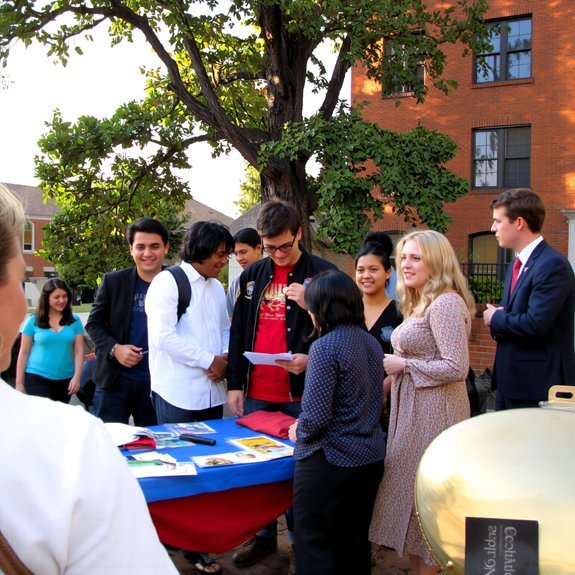
    If you’re anything like me, the first week on campus felt like walking into a buzzing market — colors, music, people selling their vibes — and I had no map. You wander tables, grab flyers, taste new rhythms; you overhear a laugh and it hooks you. Go to club fairs, show up early, ask one question: “What actually happens here?” Try a meeting, even if you’re awkward — everyone else is, too. Join a cultural troupe, taste meetings like samples, stay where you feel lighter. Trade numbers, follow up with a meme, make one friend. Look for affinity groups that match your roots, majors, or quirks. You’ll find your crew by doing small, brave things, not waiting for destiny.

    Leadership Opportunities: Student Government and Campus Committees

    real experiences in leadership

    When you step into student government rooms or sit on a campus committee, expect sweat — not just the nervous kind, but the honest kind that comes from doing real stuff, with real deadlines and pizza that’s somehow always cold. You’ll learn to speak up, to file a motion, to chase signatures at midnight. I’ll tell you straight: this is where you grow, bruise, and glow. You’ll negotiate budgets, argue over event themes, and watch policy become practice. It’s loud, it’s messy, it’s yours. You’ll meet allies, rivals, and a faculty member who actually drinks coffee with you.

    1. Run for a role, speak at meetings, collect support.
    2. Chair a committee, set agendas, enforce deadlines.
    3. Lead a campaign, craft messages, mobilize peers.

    Serving and Giving Back: Volunteer Projects and Community Engagement

    community engagement through service

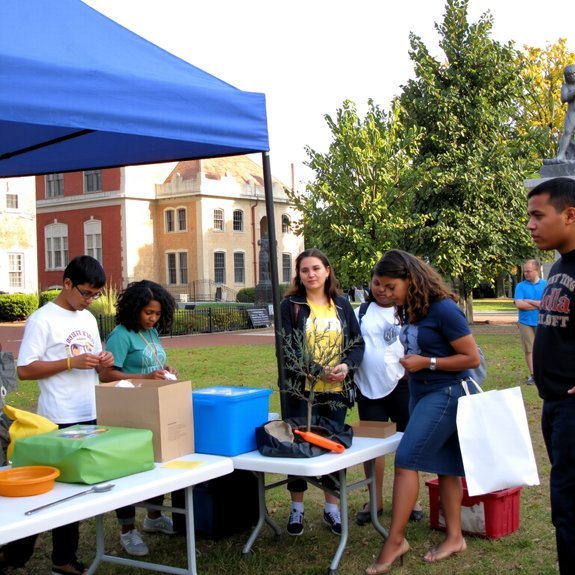
    You’ve argued budgets and chaired meetings long enough to know people and deadlines, so let’s put that energy into the neighborhood outside campus gates — I promise it’s just as satisfying and smells less like burnt coffee. You’ll knock on doors, serve hot meals at shelters, paint a mural that brightens an alley, or tutor kids under a willow that smells like wet grass. Expect real talk from residents, honest thanks, and the awkward joy of elbowing in at a community garden. You’ll learn logistics, humility, and how to lead without hogging the spotlight. Sign up with campus service clubs, partner with local nonprofits, track impact, celebrate small wins, and bring snacks. You’ll leave tired, richer, and oddly proud — mission accomplished.

    Academic Involvement: Research, Tutoring, and Honor Societies

    Academic stuff can actually be fun, I swear — not just late-night cram sessions and sad desk-food. You can join a lab, tutor center, or honor society, and actually feel useful. I’ll show you how to start, what to expect, and how to brag without sounding extra.

    1. Join a research group: knock on a professor’s office, sniff the coffee, learn a protocol, and watch data become a story you helped write.
    2. Tutor or study table: pull up a chair, explain concepts aloud, get that “oh” moment, and leave with warm gratitude and sharper thinking.
    3. Honor societies: polish your resume, attend one meeting, meet mentors, accept awards with a stunned smile, repeat.

    Social Life and Traditions: Greek Life, Events, and Campus Rituals

    If you want to feel campus pulse in your chest, immerse yourself in Greek life and traditions — I promise it’s more than matching polos and choreographed steps. You’ll hear drums before you see the crowd, smell grilled food, feel the stomp in your soles, and I’ll nudge you forward — go stand with them. Join a step show, clap loud, learn the calls, or just trade stories on the quad. Attend homecoming, candlelight ceremonies, and late-night cookouts; each ritual stitches you into place. Try rush, even if you’re nervous, ask older students for tips, and laugh when you mess up the chant — I did, twice. These moments become your map, your laughter, your history.

    Conclusion

    You’ve got this—jump into club fairs, taste the campus food truck, and say yes to that awkward icebreaker. I’ll nudge you to run for student government, join a research team, or serve at a Saturday drive; you’ll learn, laugh, and sometimes trip up, but that’s growth. Take part in traditions, wear the school colors, make friends who feel like family, and remember: when opportunity knocks, open the door—don’t stand there debating.